
Le bancal jouant de la guitar — History & Facts
Le bancal jouant de la guitar is a lively depiction of a man playing the guitar. The colors are rich and warm, with earthy tones dominating the palette. The setting appears to be an outdoor gathering, filled with energy and movement.
The figures are animated, capturing a moment of joy and music in a social context. The painting is characterized by its detailed rendering of the figures and the expressive use of color. Callot's technique showcases a mastery of light and shadow, enhancing the three-dimensionality of the scene. The brushwork is fluid, contributing to the overall sense of dynamism.
The composition draws the viewer's eye to the central figure, emphasizing his role in the gathering. Jacques Callot was a renowned French artist known for his prints and paintings that often depicted scenes of everyday life. This work reflects the Baroque interest in capturing human emotion and social interactions. An interesting fact about this piece is that it illustrates the cultural significance of music in social gatherings during the 17th century.
Callot's ability to convey movement and emotion is evident in this lively genre scene.
More Artworks by Jacques Callot

De verloren zoon als zwijnenhoeder
Jacques Callot
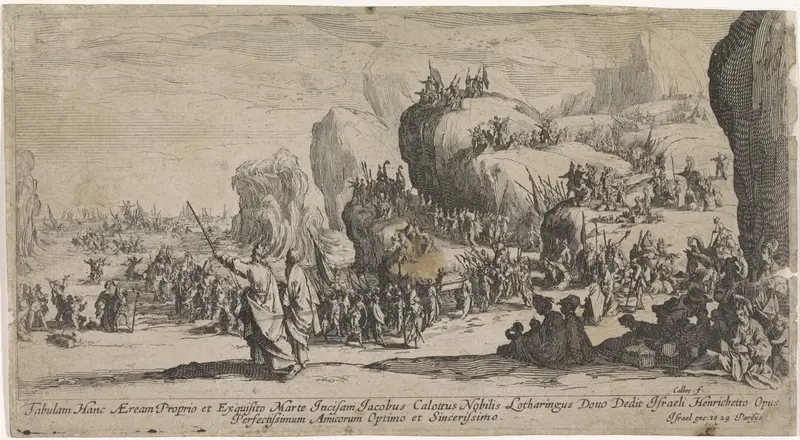
De doortocht door de Rode Zee
Jacques Callot

Kruisiging
Jacques Callot
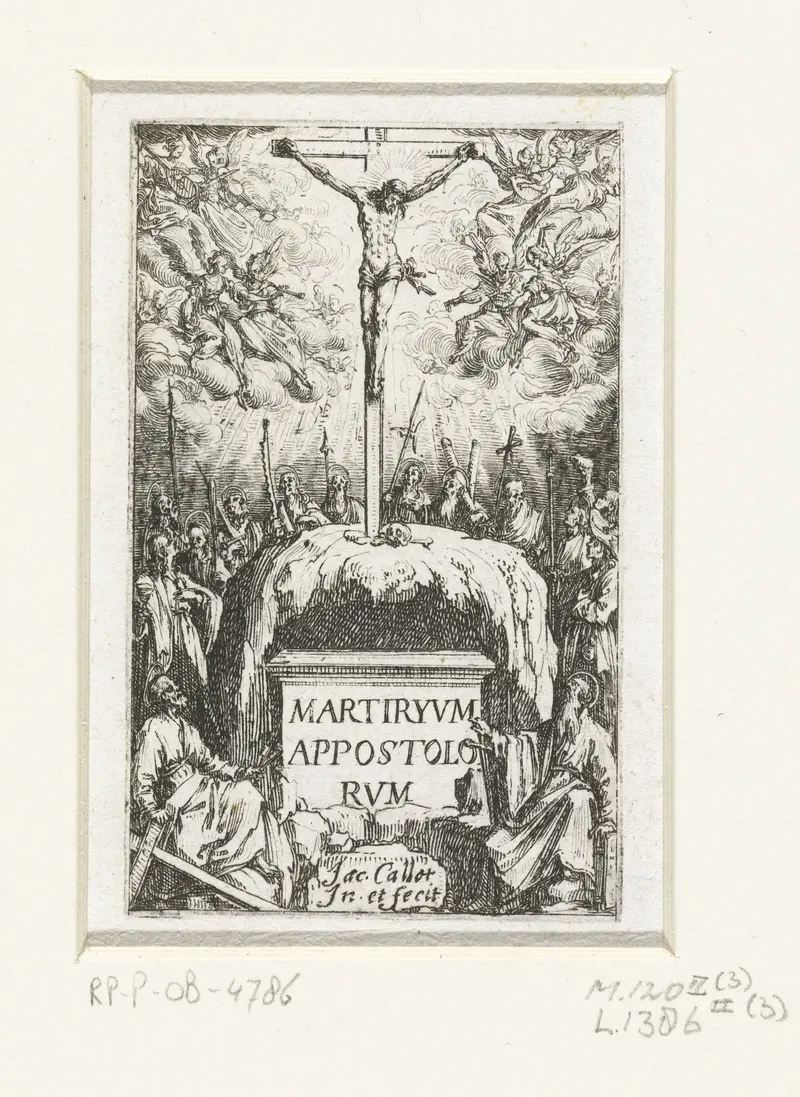
Titelprent voor de prentreeks 'De kleine apostelen' (Het martelaarschap van de apostelen)
Jacques Callot
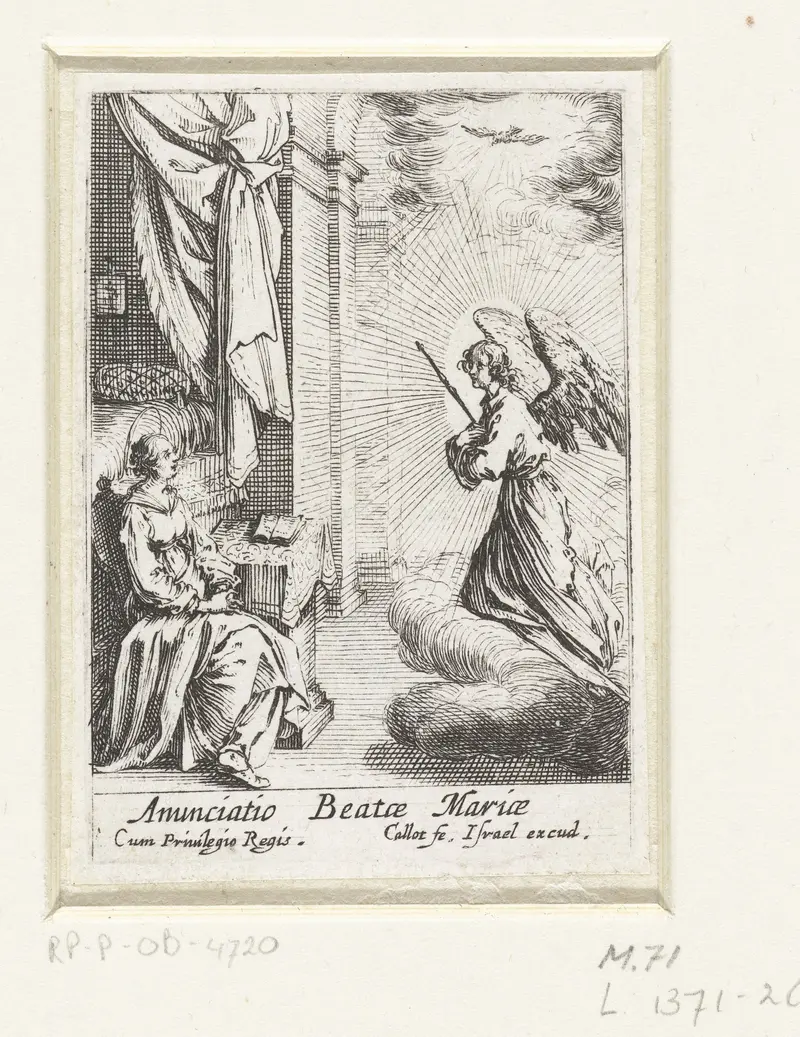
Annunciatie
Jacques Callot
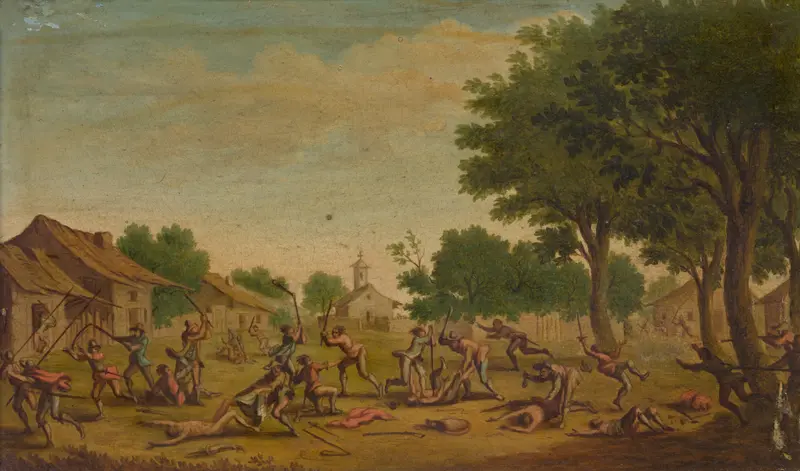
Village Fight
Jacques Callot
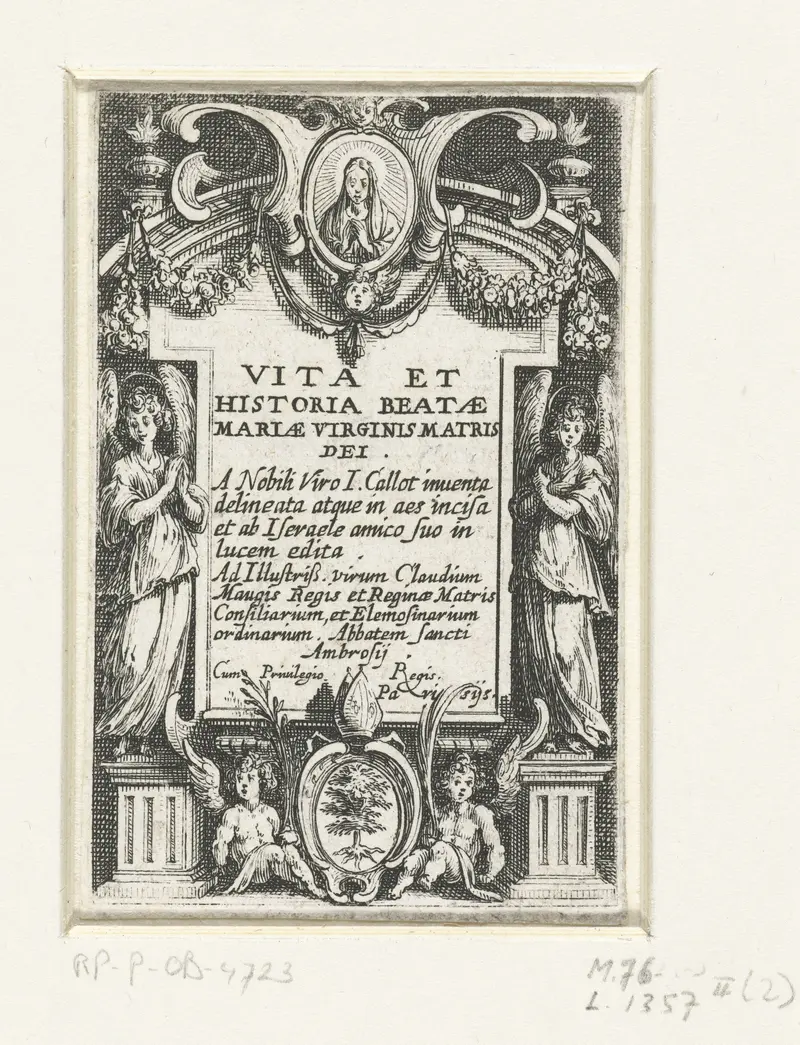
Titelprent voor prentreeks 'Het leven van Maria'
Jacques Callot
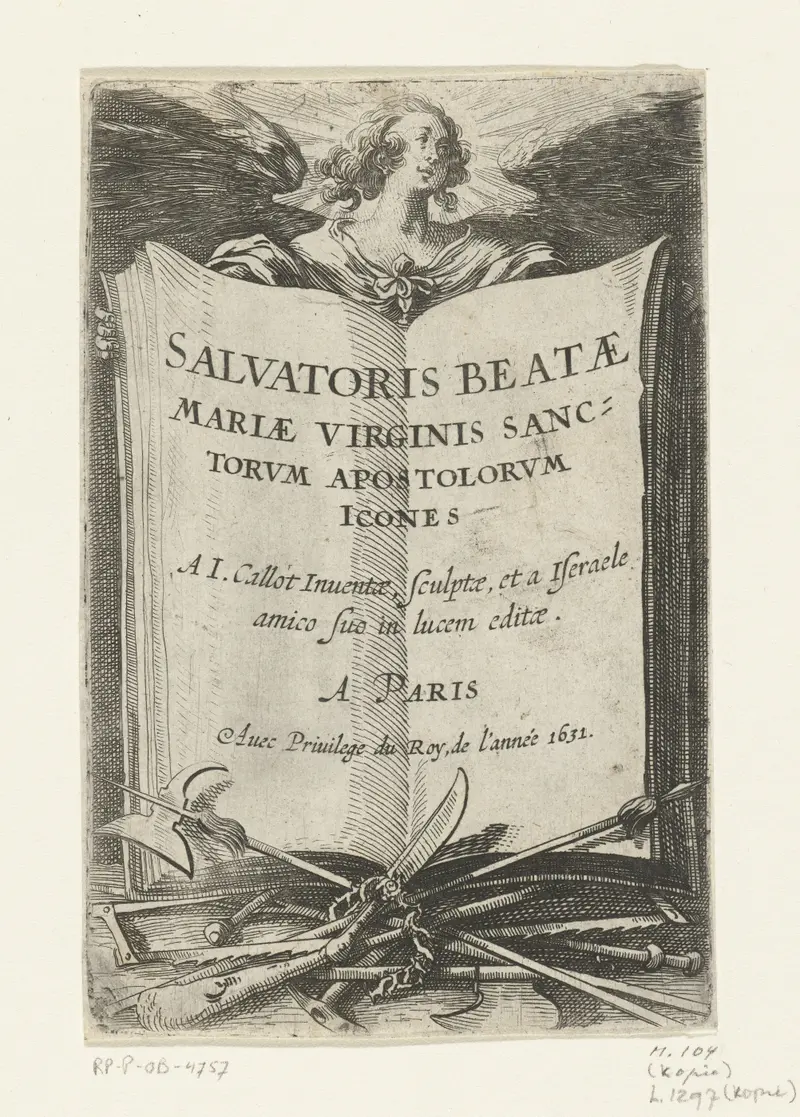
Titelprent voor de prentreeks 'De grote apostelen' (Christus, Maria en de apostelen)
Jacques Callot

Kruisoprichting
Jacques Callot
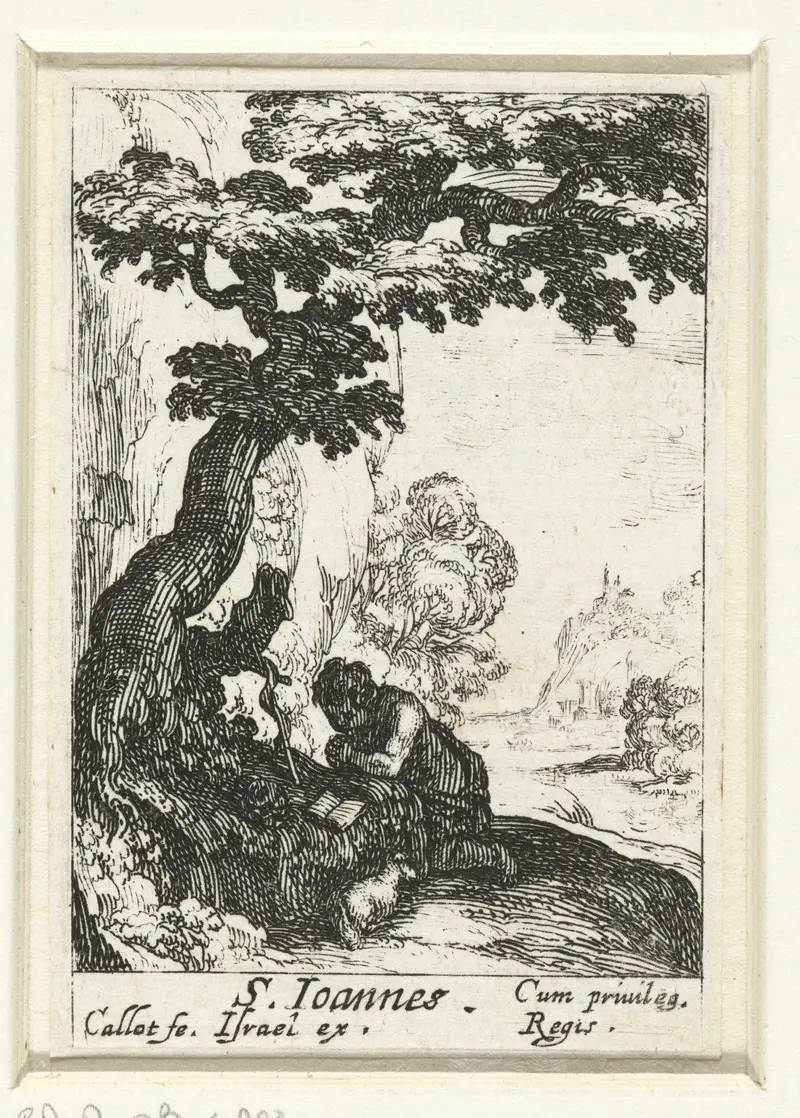
De boetvaardige Johannes de Doper
Jacques Callot
More Genre Scene Art

Banquet of the Officers of the St George Civic Guard
Frans Hals

Rembrandt and Saskia in the Scene of the Prodigal Son
Rembrandt van Rijn

Bal du moulin de la Galette
Pierre-Auguste Renoir

Quadrille at the Moulin Rouge
Henri de Toulouse-Lautrec

A Burial at Ornans
Gustave Courbet

When Will You Marry?
Paul Gauguin