
Le bossu a la canne — History & Facts
In Le bossu a la canne, we see a hunchbacked figure leaning on a cane, set against a lively background. The colors are rich and varied, with warm earth tones dominating the scene. The figures around the hunchback are animated, suggesting a bustling environment.
This creates a contrast between the solitary figure and the surrounding activity. The artwork is an etching, a technique that allows for fine detail and texture. Viewers can observe the intricate lines and shading that define the hunchback's features and clothing. The composition is well-balanced, drawing the eye to the central figure while still showcasing the surrounding figures.
The etching process also adds a unique depth to the work. Jacques Callot was a prominent French artist known for his prints and etchings during the Baroque period. Le bossu a la canne reflects his interest in the human condition, particularly marginalized figures. An interesting fact about this work is that it captures the social dynamics of the time, highlighting the hunchback as both a subject of curiosity and empathy.
Callot's ability to convey character through expression is notable in this piece.
More Artworks by Jacques Callot

De verloren zoon als zwijnenhoeder
Jacques Callot
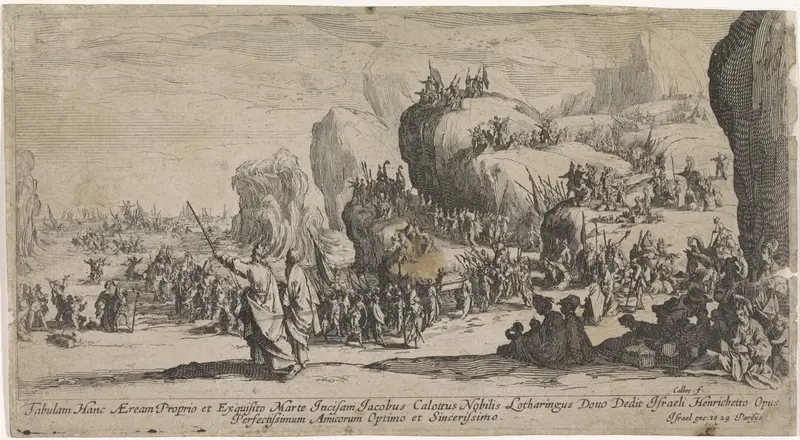
De doortocht door de Rode Zee
Jacques Callot

Kruisiging
Jacques Callot
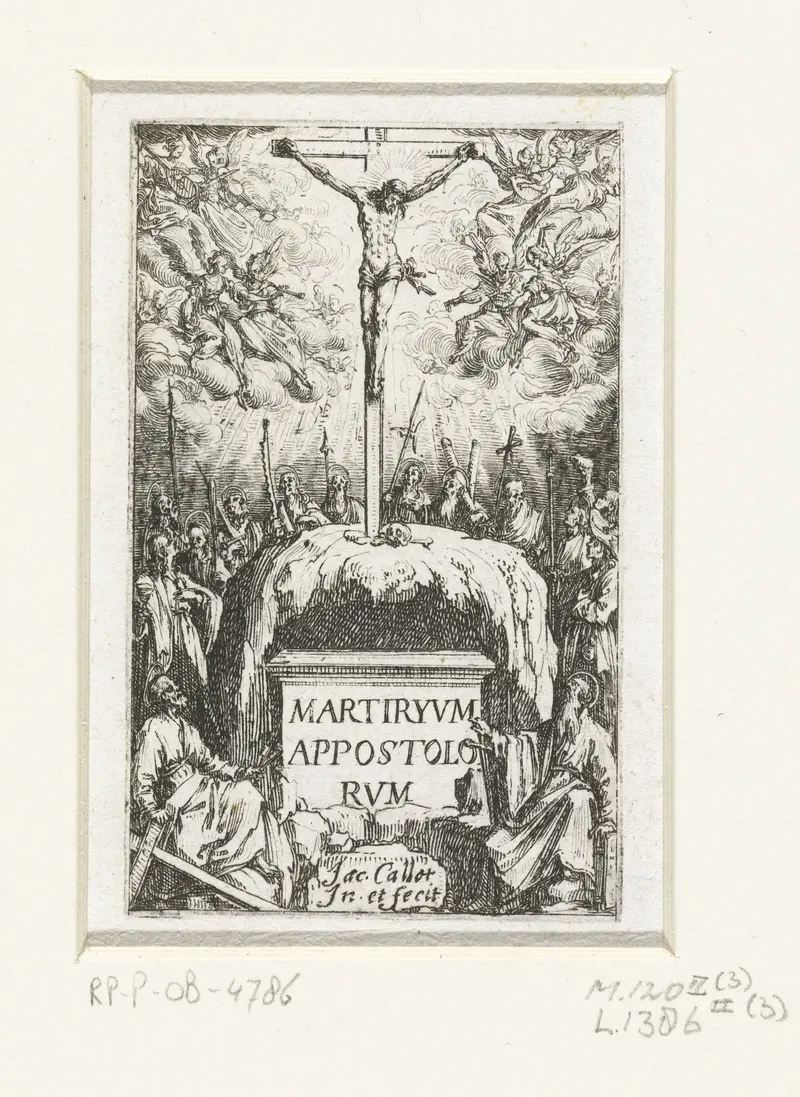
Titelprent voor de prentreeks 'De kleine apostelen' (Het martelaarschap van de apostelen)
Jacques Callot
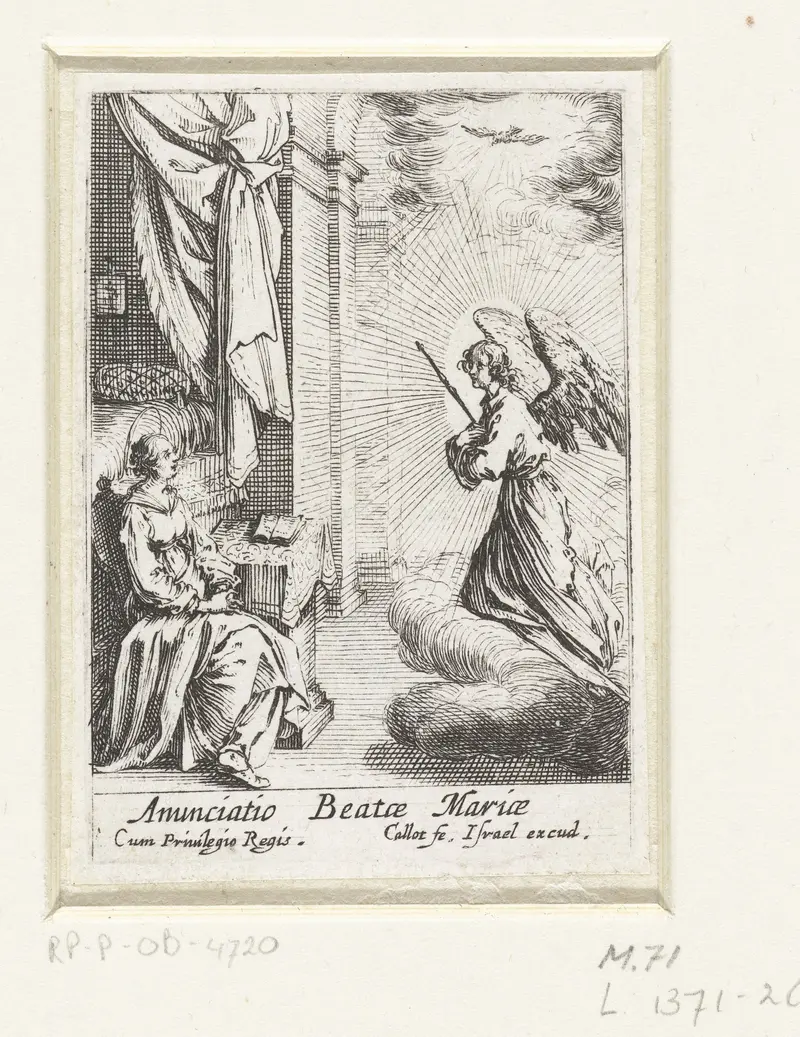
Annunciatie
Jacques Callot
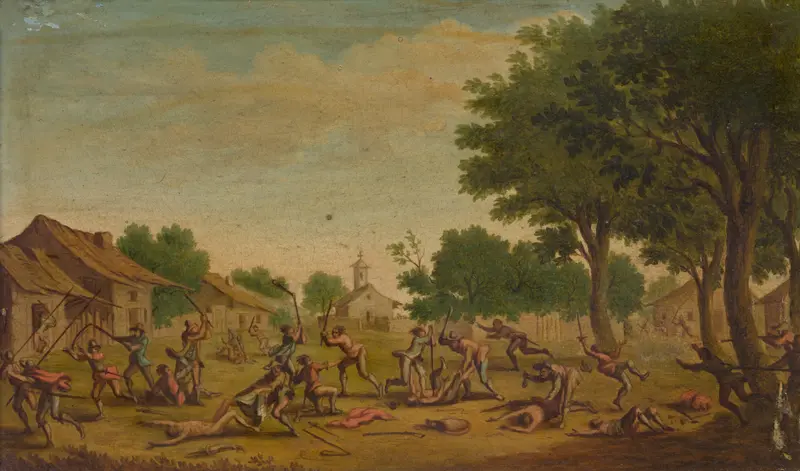
Village Fight
Jacques Callot
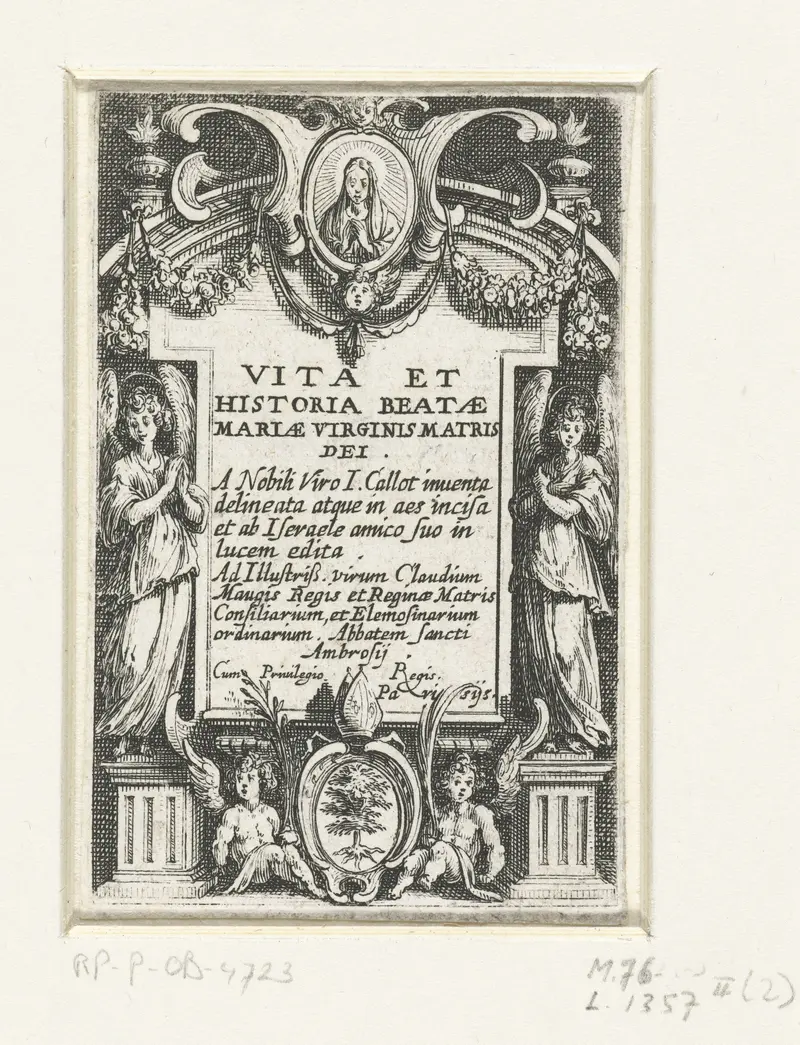
Titelprent voor prentreeks 'Het leven van Maria'
Jacques Callot
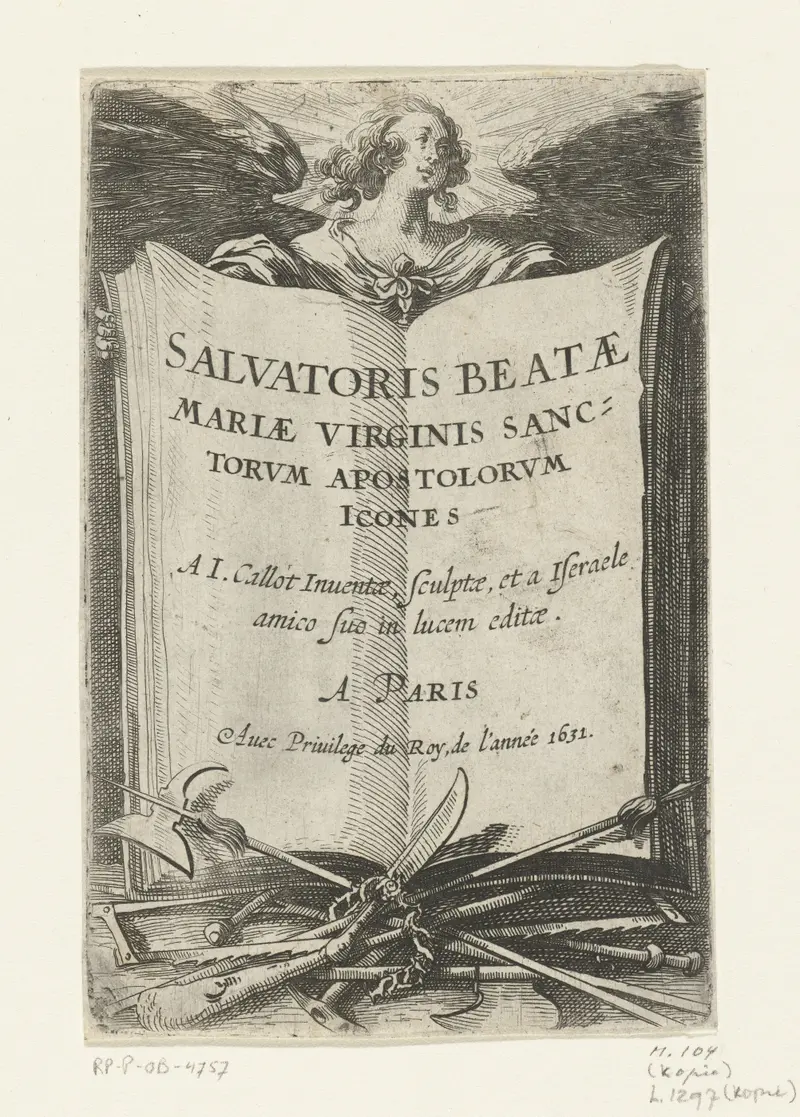
Titelprent voor de prentreeks 'De grote apostelen' (Christus, Maria en de apostelen)
Jacques Callot

Kruisoprichting
Jacques Callot
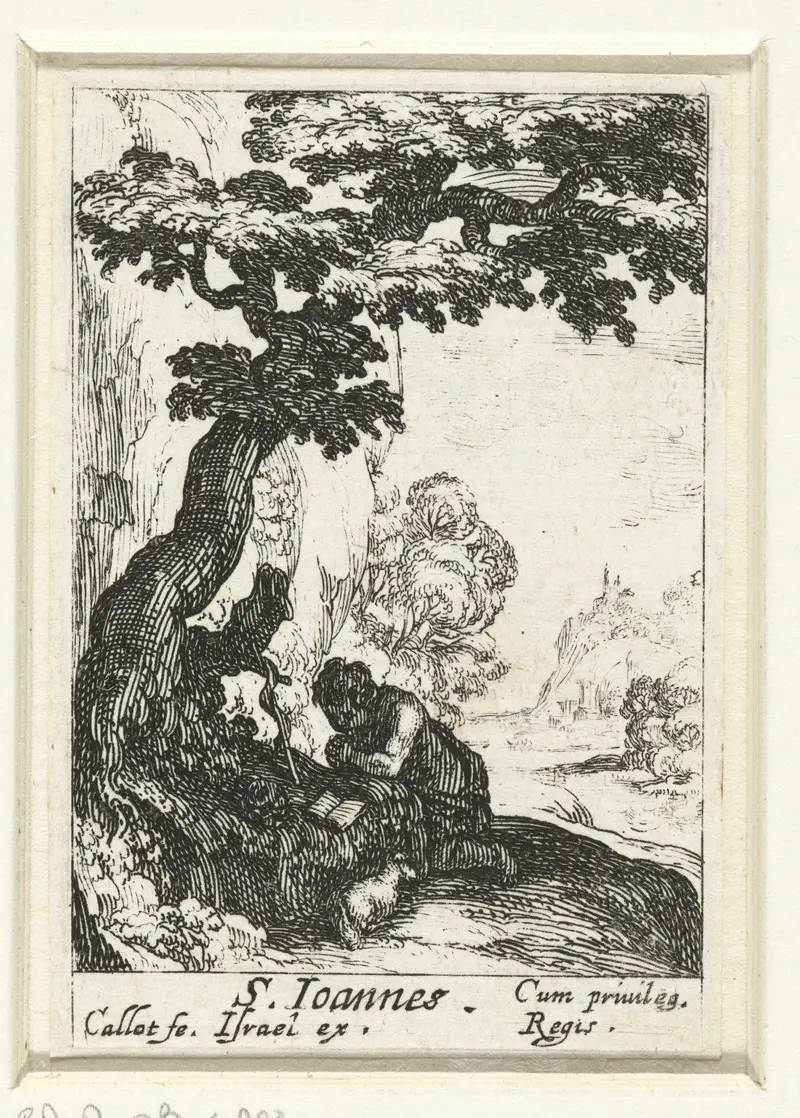
De boetvaardige Johannes de Doper
Jacques Callot
More Genre Scene Art

Banquet of the Officers of the St George Civic Guard
Frans Hals

Rembrandt and Saskia in the Scene of the Prodigal Son
Rembrandt van Rijn

Bal du moulin de la Galette
Pierre-Auguste Renoir

Quadrille at the Moulin Rouge
Henri de Toulouse-Lautrec

A Burial at Ornans
Gustave Courbet

When Will You Marry?
Paul Gauguin