Le Canal; Effet du matin — History & Analysis
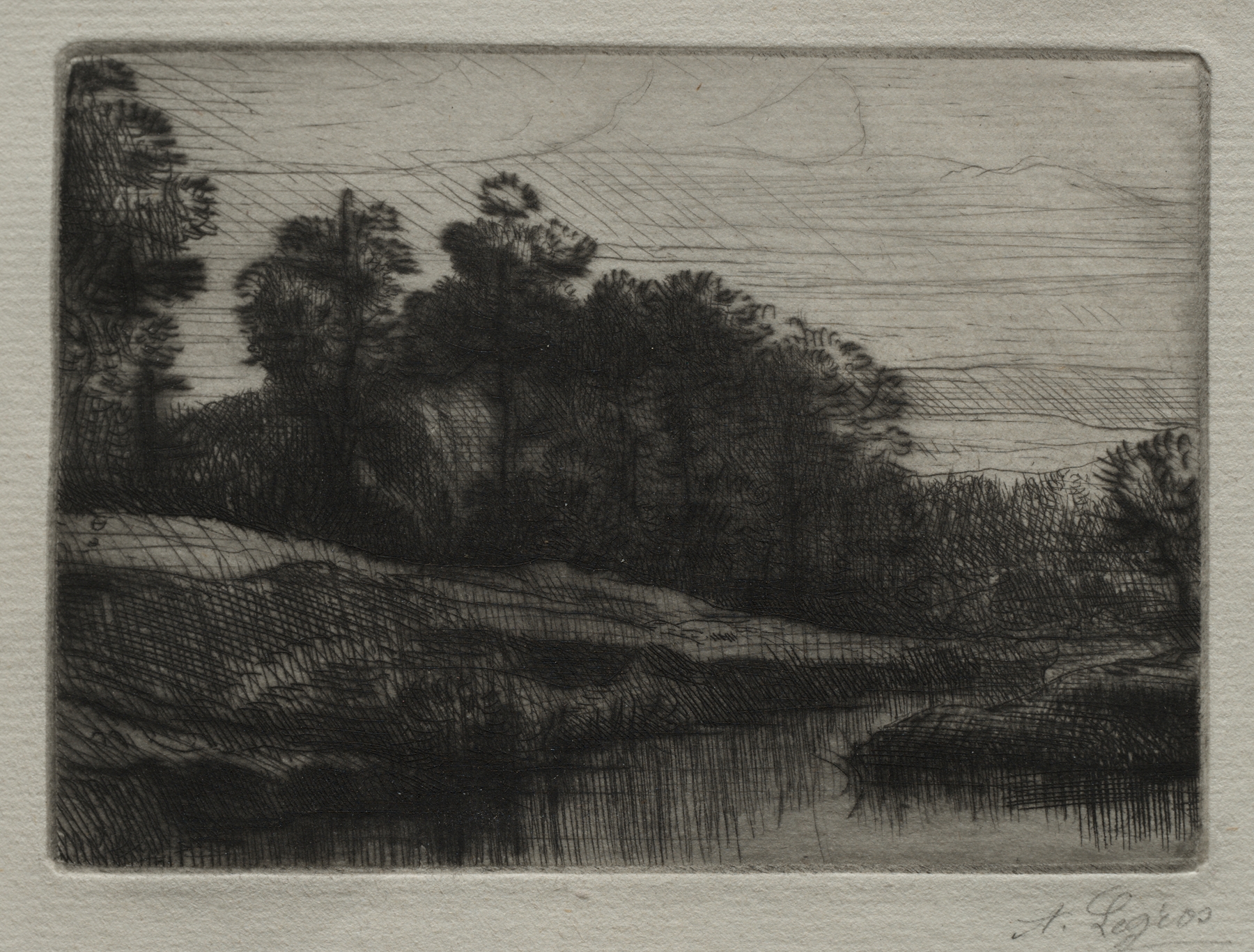
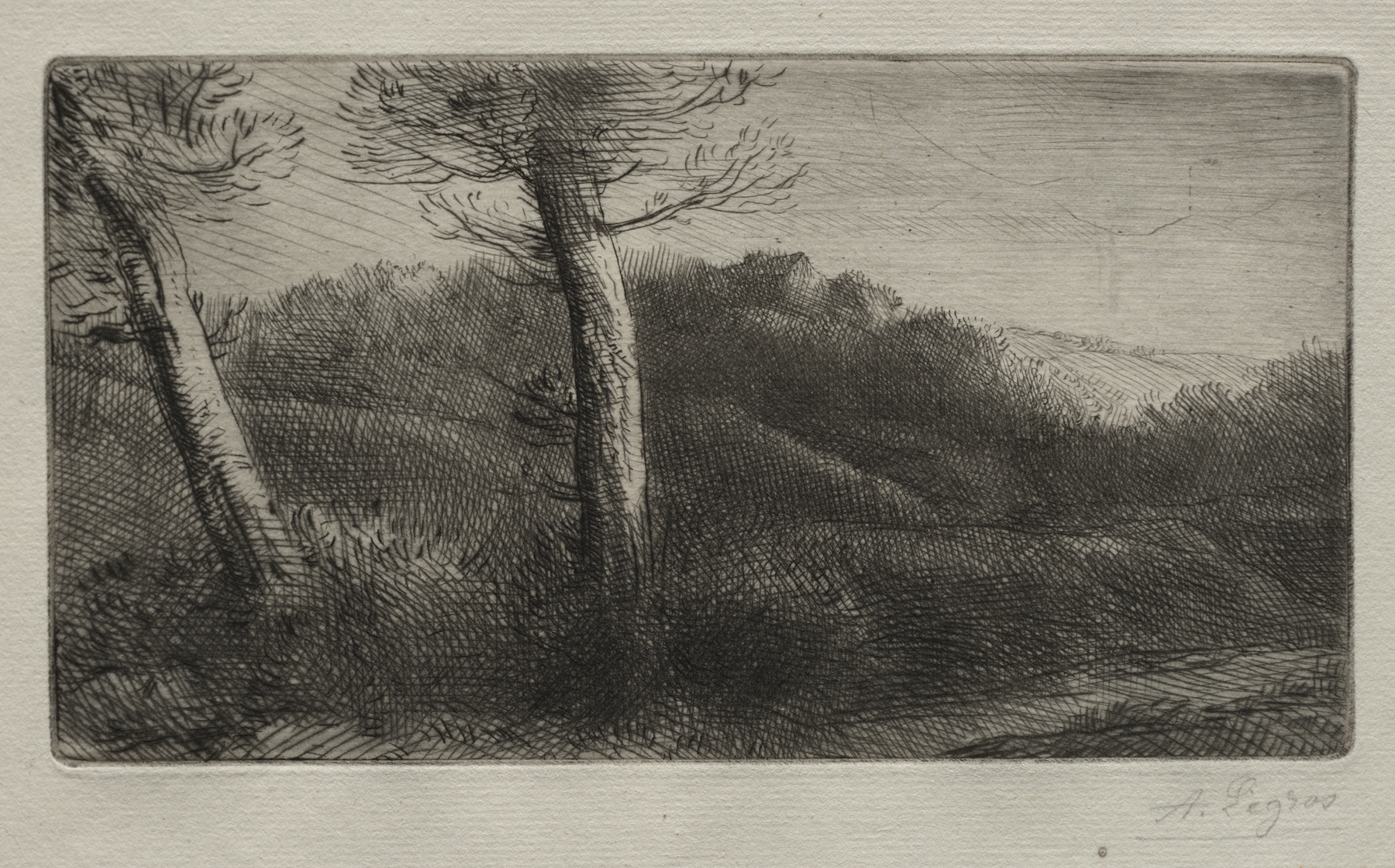
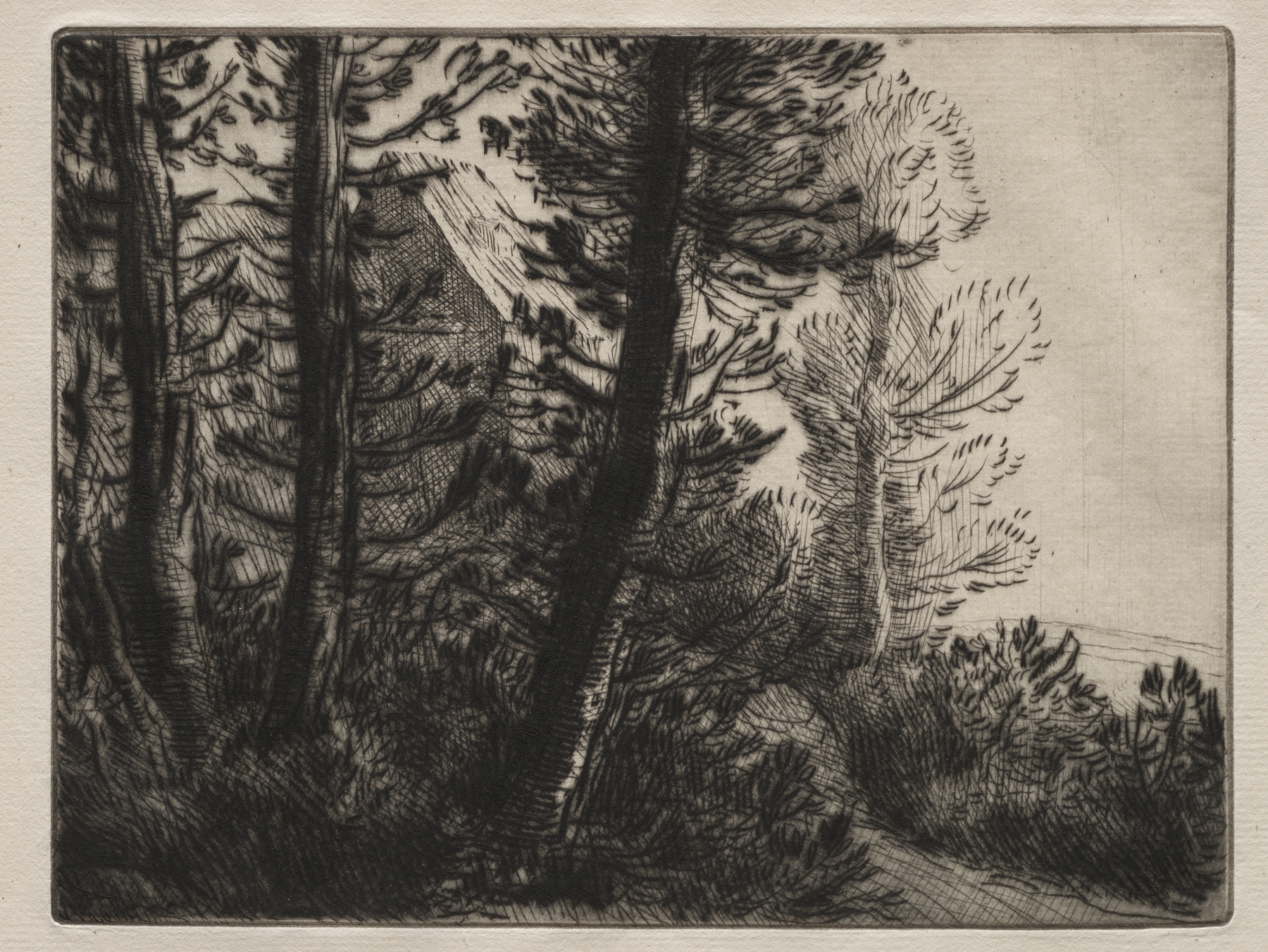
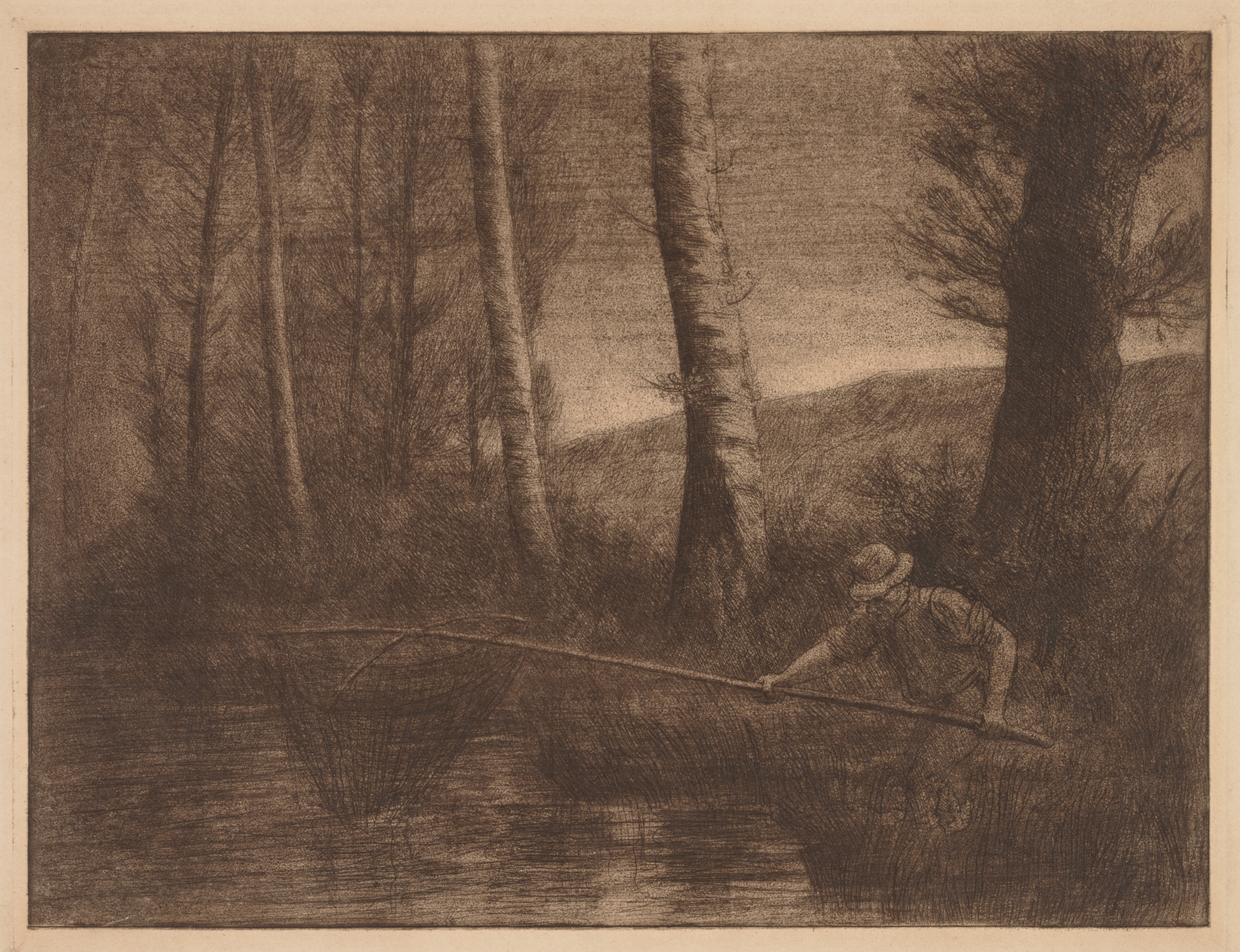
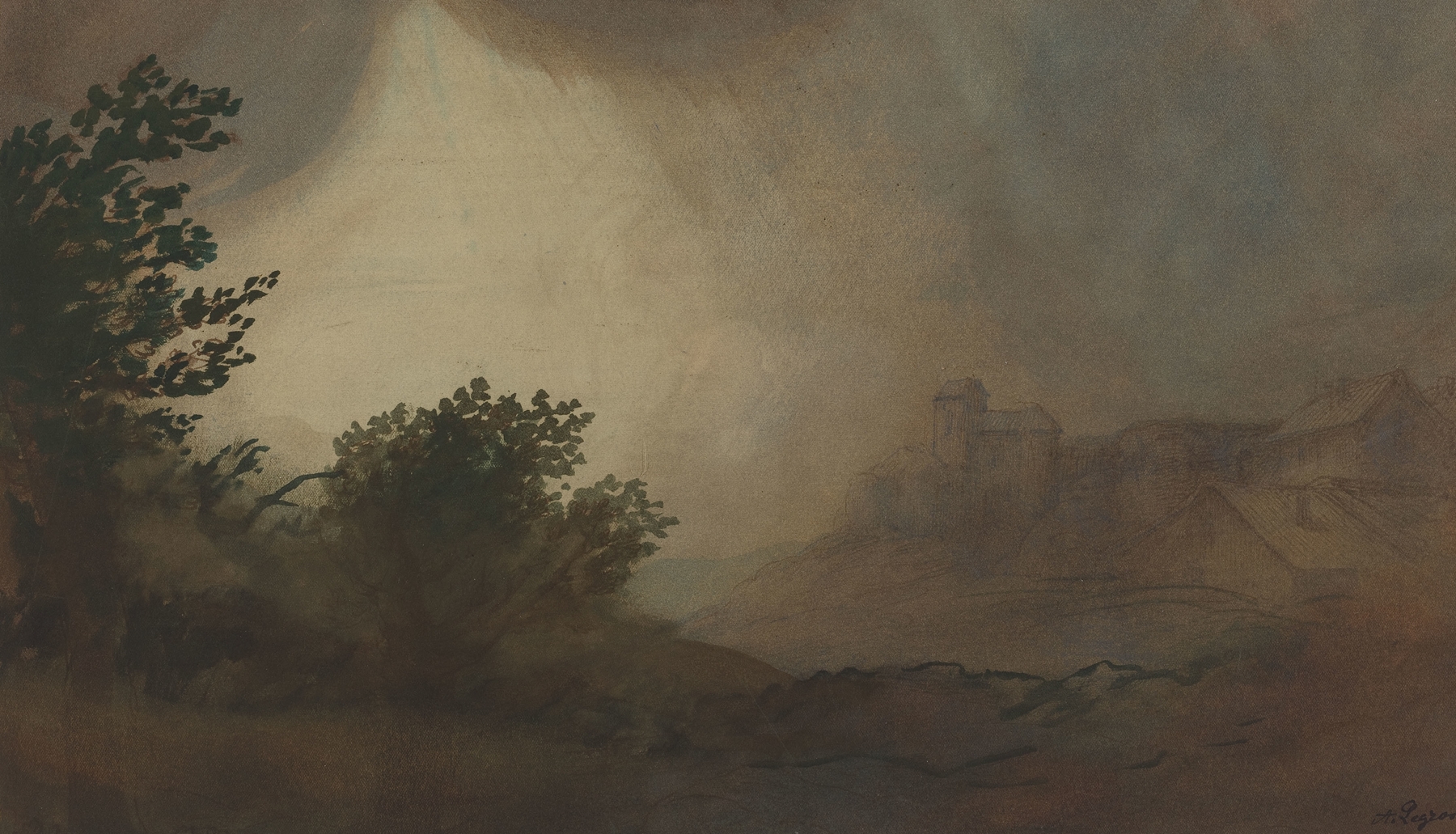
Could beauty survive in a century of chaos? In a world where turmoil is rampant, the serene visage of a tranquil canal offers a glimpse of divine tranquility. Look to the left where the gentle curve of the water invites your gaze. The soft, muted palette of blues and greens reflects the early morning light, creating a mystical play of color on the surface. Notice how the artist skillfully captures the rippling water beneath a delicate sheen, suggesting a subtle movement that contrasts with the stillness of the surrounding landscape.
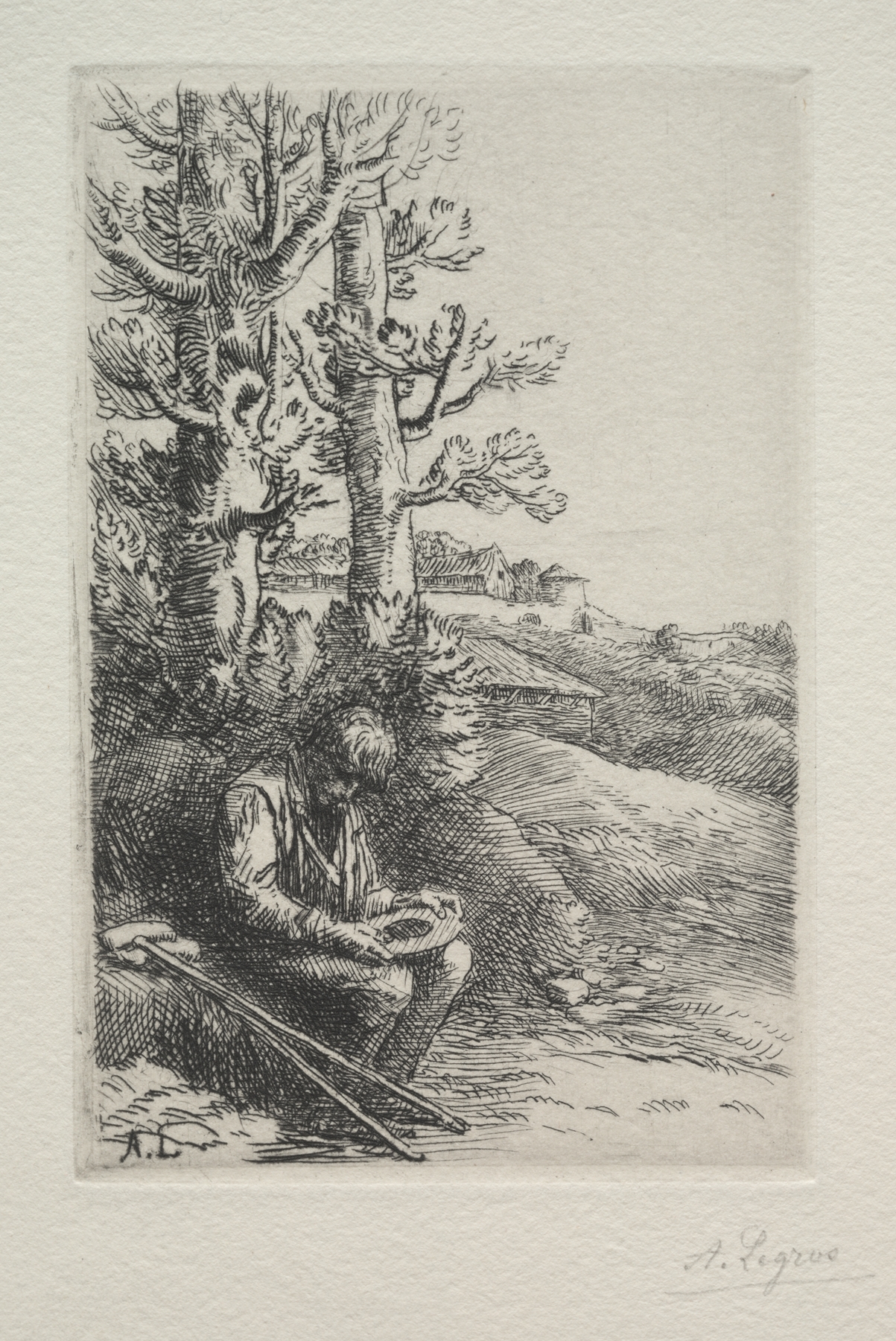
The soft horizon line blurs into the misty sky, further enhancing the atmosphere of calm. Yet beneath this serene exterior lies an emotional tension. The muted colors evoke a sense of nostalgia, hinting at memories that linger just beyond reach. The solitary figure on the bank seems lost in contemplation, embodying a universal search for meaning amid the chaos of life.
The juxtaposition of the serene water against the vague outlines of trees and distant buildings suggests a fragile connection between nature and humanity, revealing a deeper commentary on the ephemeral nature of beauty. Alphonse Legros painted this piece between 1857 and 1911, a time marked by industrialization and societal upheaval in Europe. Living in Paris, he was part of a movement that sought to infuse realism with a sense of spirituality, paving the way for modern artistic expression. This work reflects both his personal journey and the broader artistic dialogue of the time, offering a sanctuary of beauty amidst the swirling chaos of the century.