
Le Port de Dieppe — History & Facts
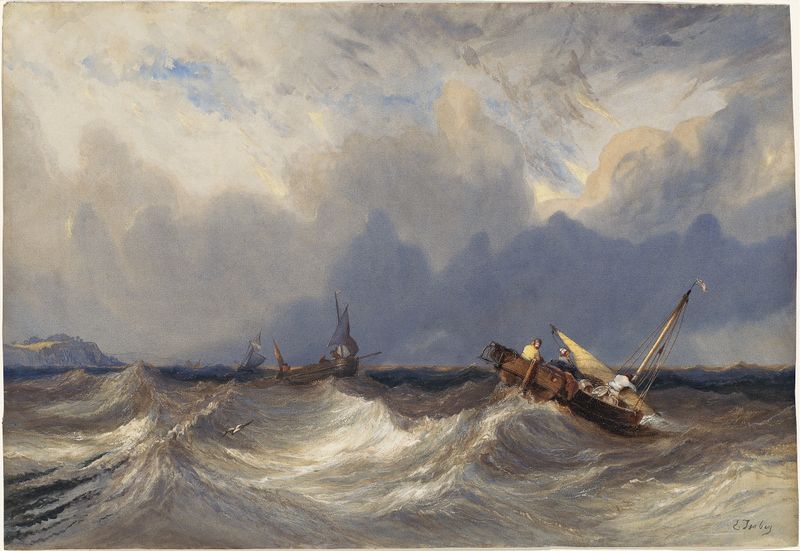
When did color learn to lie? Le Port de Dieppe invites the viewer into a world where beauty clings to the surface, yet whispers deeper truths beneath. Look to the lower left corner where fishing boats, their vibrant hues fighting against the muted backdrop, tug at the viewer's gaze. The cool tones of the water contrast sharply with the warm, inviting sky, creating a balance that feels both serene and charged. Notice how the brushstrokes capture the gentle ripples, each movement a fleeting moment that suggests life and labor intertwined.
The composition draws the eye toward the horizon, hinting at the promise of the day, while the soft, diffused light imbues the scene with a luminous quality. Within this idyllic setting lies a tension between tranquility and toil. The boats, adorned with the marks of daily use, tell stories of the fishermen's struggles and triumphs, while the distant cliffs loom like guardians over the harbor. This duality of beauty and hardship resonates, inviting contemplation on the nature of livelihood and the fleetingness of moments.
The colors, though vibrant, evoke a sense of nostalgia, reminding us that every beautiful scene is often underpinned by unseen narratives of sacrifice and resilience. Eugène Isabey painted Le Port de Dieppe in the years following 1842, during an era of burgeoning Romanticism in France. At this time, he was establishing himself as a prominent marine painter, navigating the complexities of both personal and artistic evolution. The art world was witnessing a shift towards capturing the sublime in nature, echoing the broader cultural movements that sought to explore emotion and individual experience.
More Artworks by Eugène Isabey
Browse all →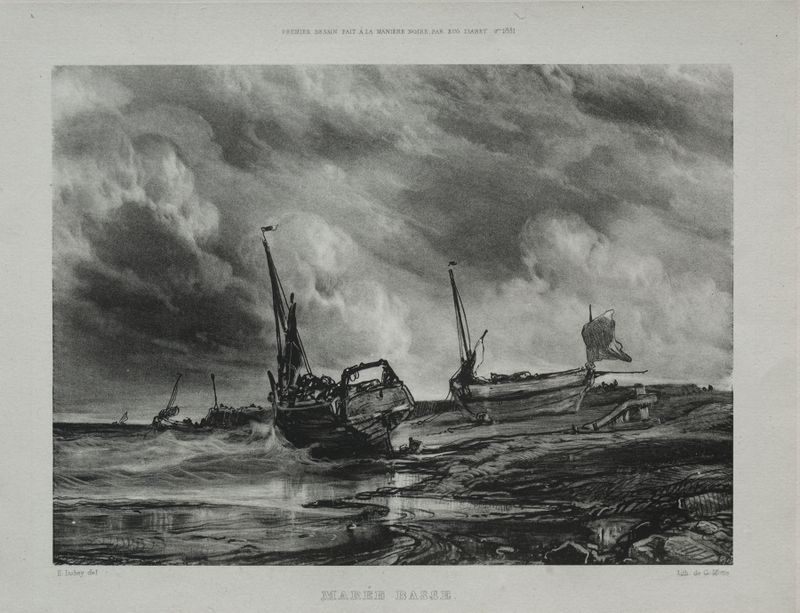
Marée basse
Eugène Isabey

Shipwreck
Eugène Isabey

Shipwreck
Eugène Isabey

The Wreck
Eugène Isabey
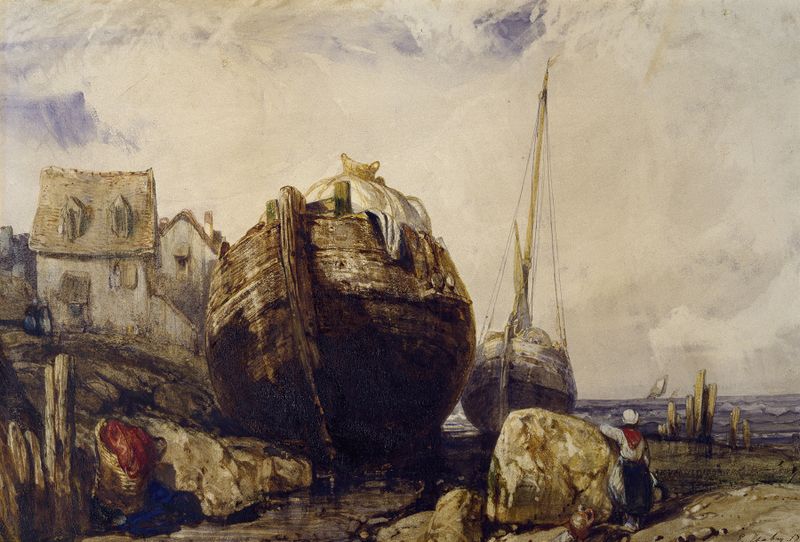
Fishing Boats
Eugène Isabey
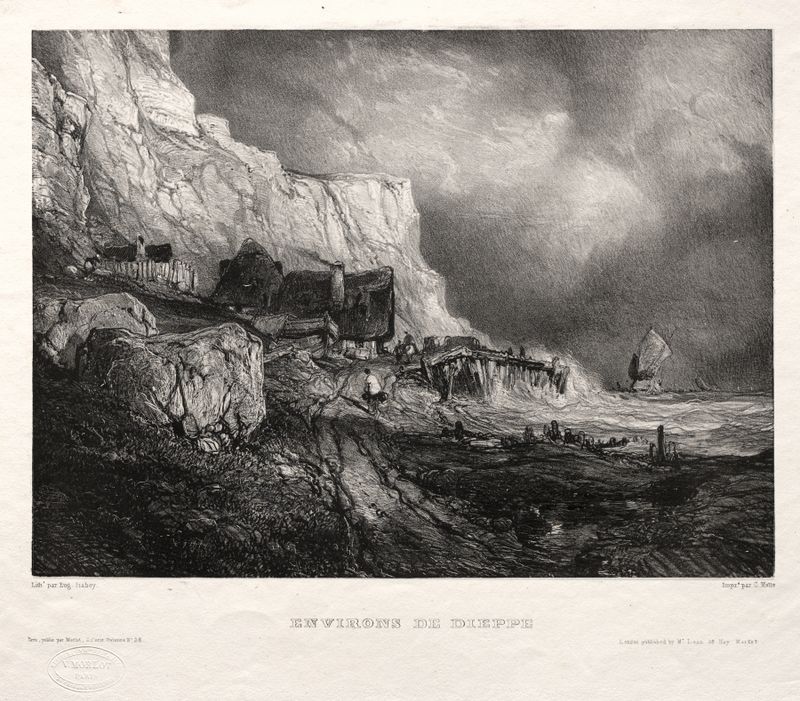
Environs de Dieppe
Eugène Isabey
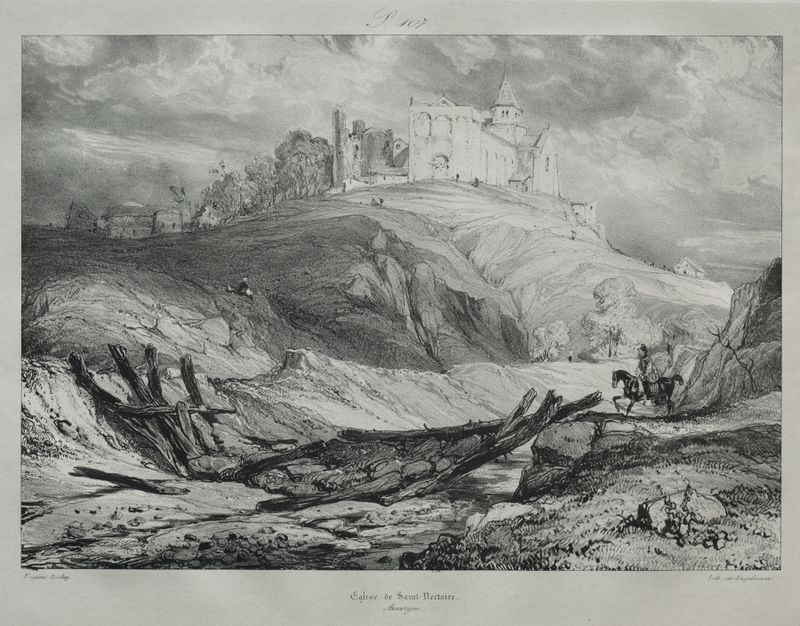
Église de St. Nectaire
Eugène Isabey

Fishing boat at the seaside
Eugène Isabey

Sunset on the Normandy Coast
Eugène Isabey
Fishing Boats Tossed before a Storm
Eugène Isabey





