Discover insights about this artwork
Le port de Trouville — History & Facts
In Le port de Trouville, Eugène Boudin presents a lively marine scene filled with boats and figures. The colors are bright and varied, with blues and whites dominating the sky and water. The sandy beach is dotted with people enjoying the seaside atmosphere.
The overall composition conveys a sense of movement and activity, characteristic of the Impressionist style. The painting is executed in oil on canvas, a common medium for Boudin and his contemporaries. The brushwork is loose and expressive, allowing for a dynamic representation of light and shadow. The use of color is particularly notable, with a vibrant palette that captures the essence of a bustling port.
Viewers can appreciate the details of the boats and the figures, which are rendered with a sense of immediacy. Eugène Boudin is often regarded as a precursor to Impressionism, influencing artists like Claude Monet. Le port de Trouville is a fine example of his ability to capture the fleeting effects of light on water. Interestingly, Boudin was one of the first artists to paint en plein air, or outdoors, which was a revolutionary practice at the time.
This painting reflects his dedication to portraying the beauty of nature and everyday life.
More Artworks by Eugène Boudin
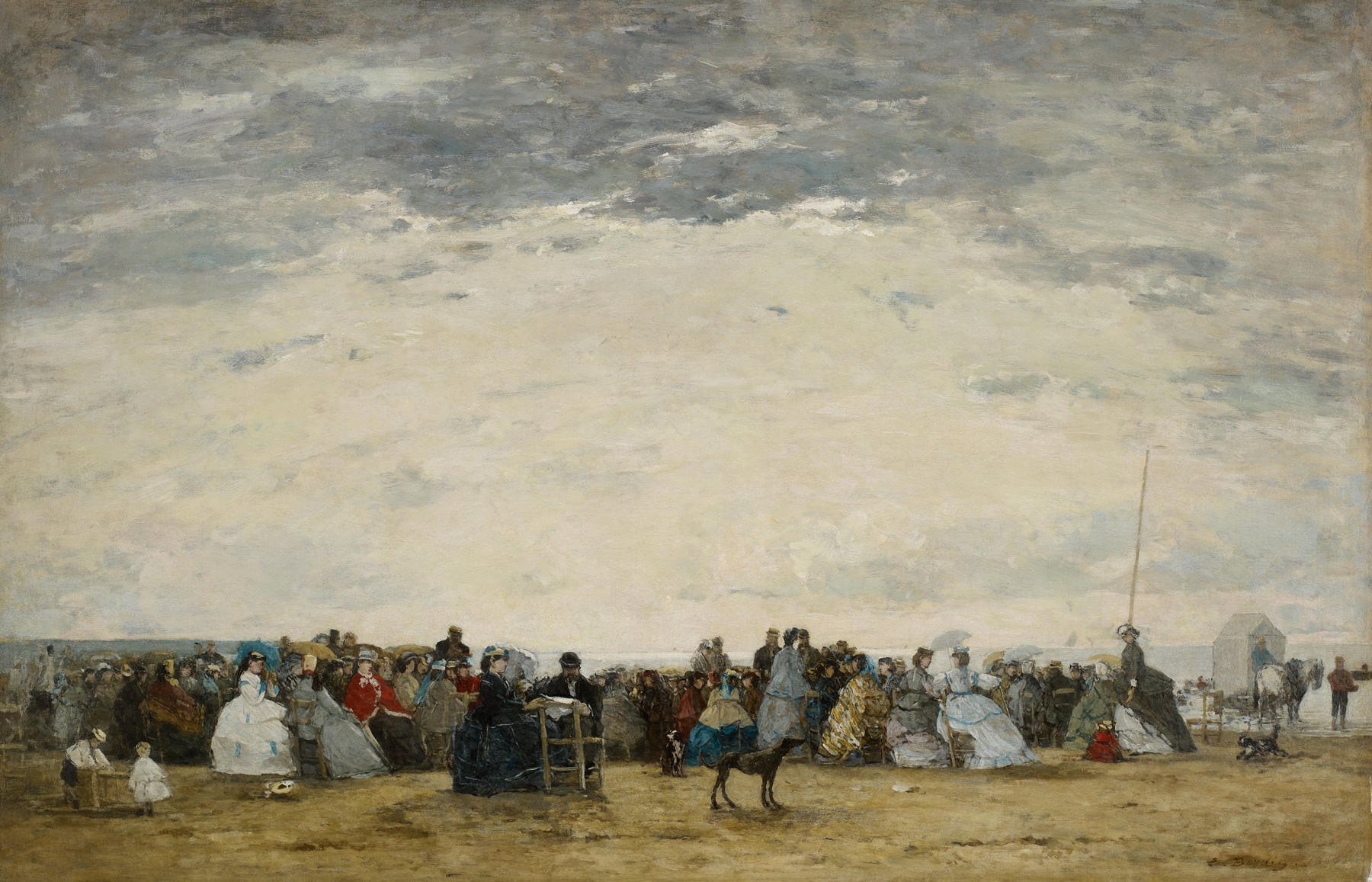
Vacationers on the Beach at Trouville
Eugène Boudin
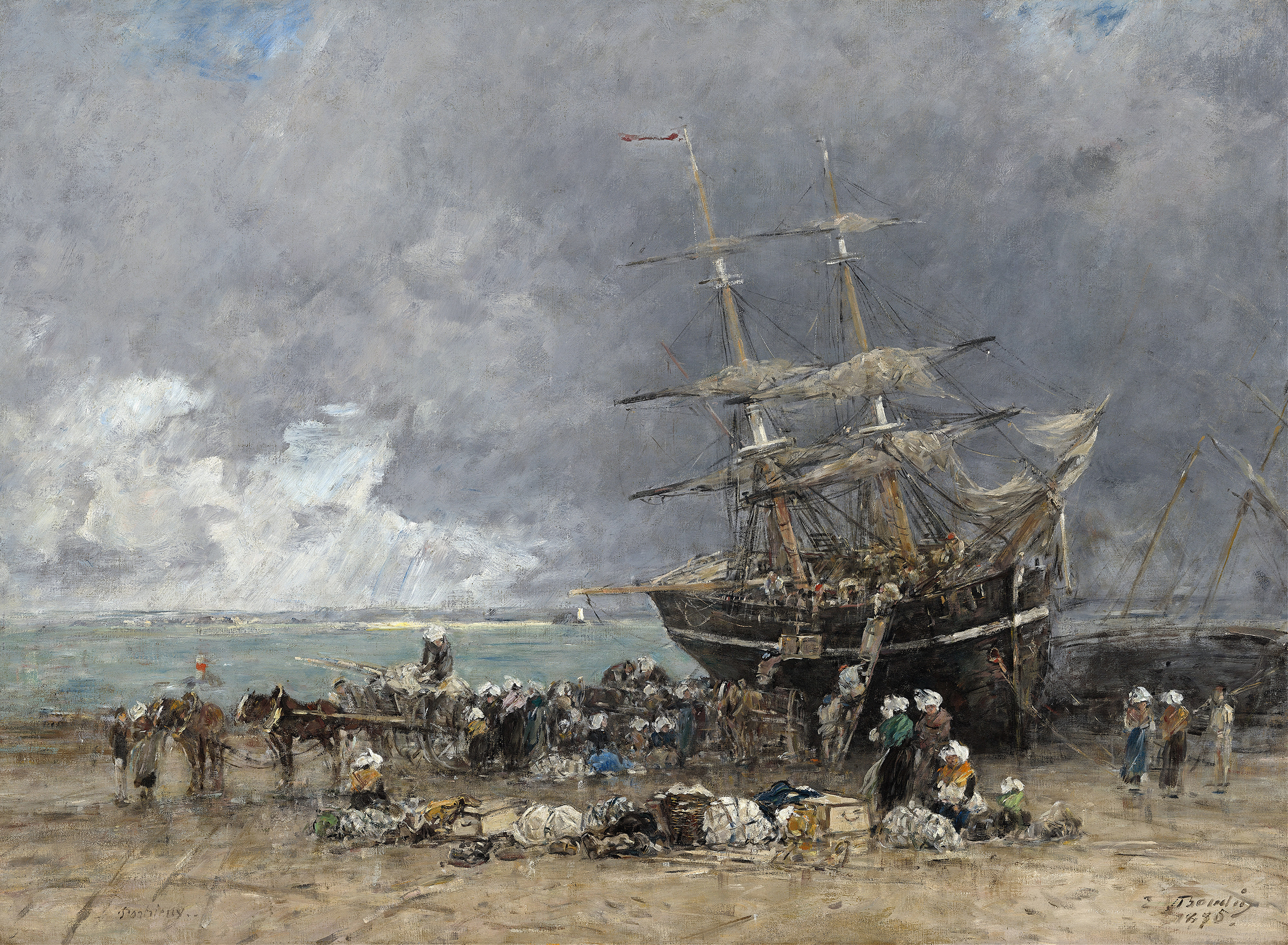
Return of the Terre-Neuvier
Eugène Boudin
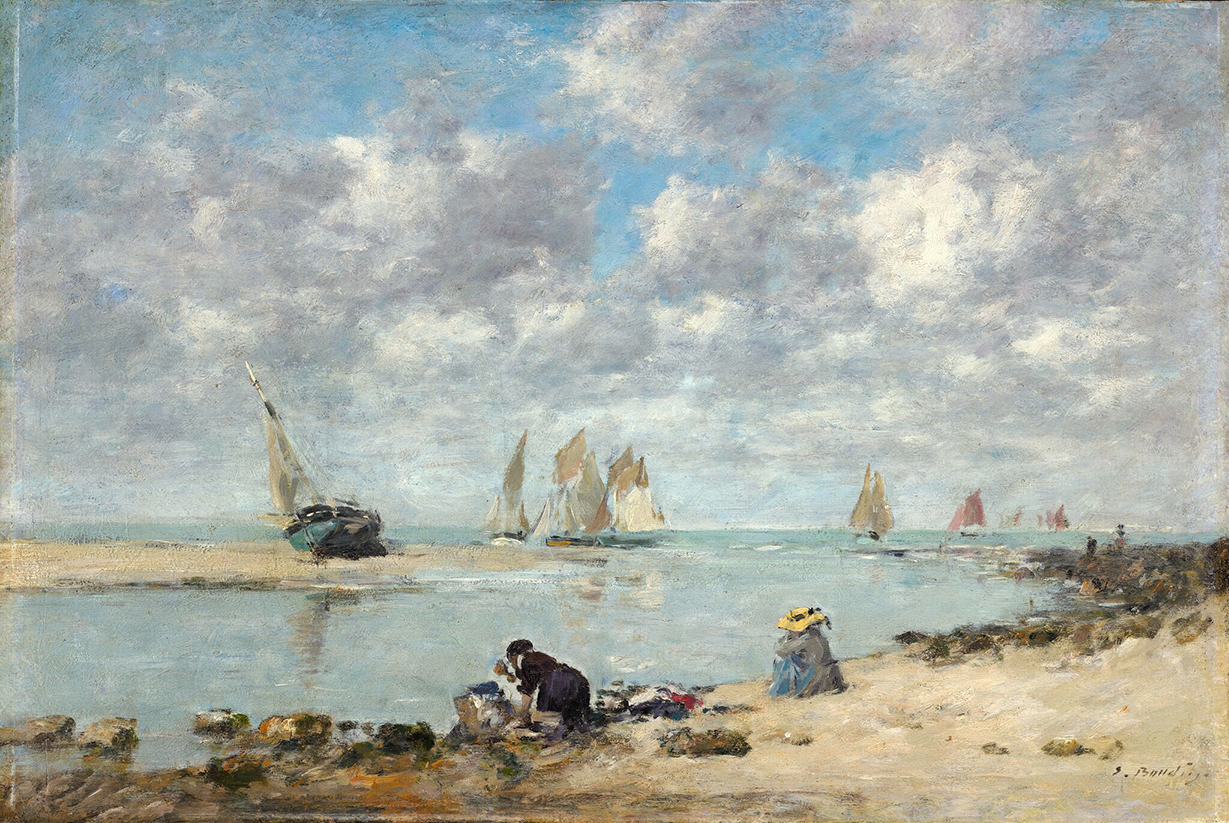
Washerwoman near Trouville
Eugène Boudin
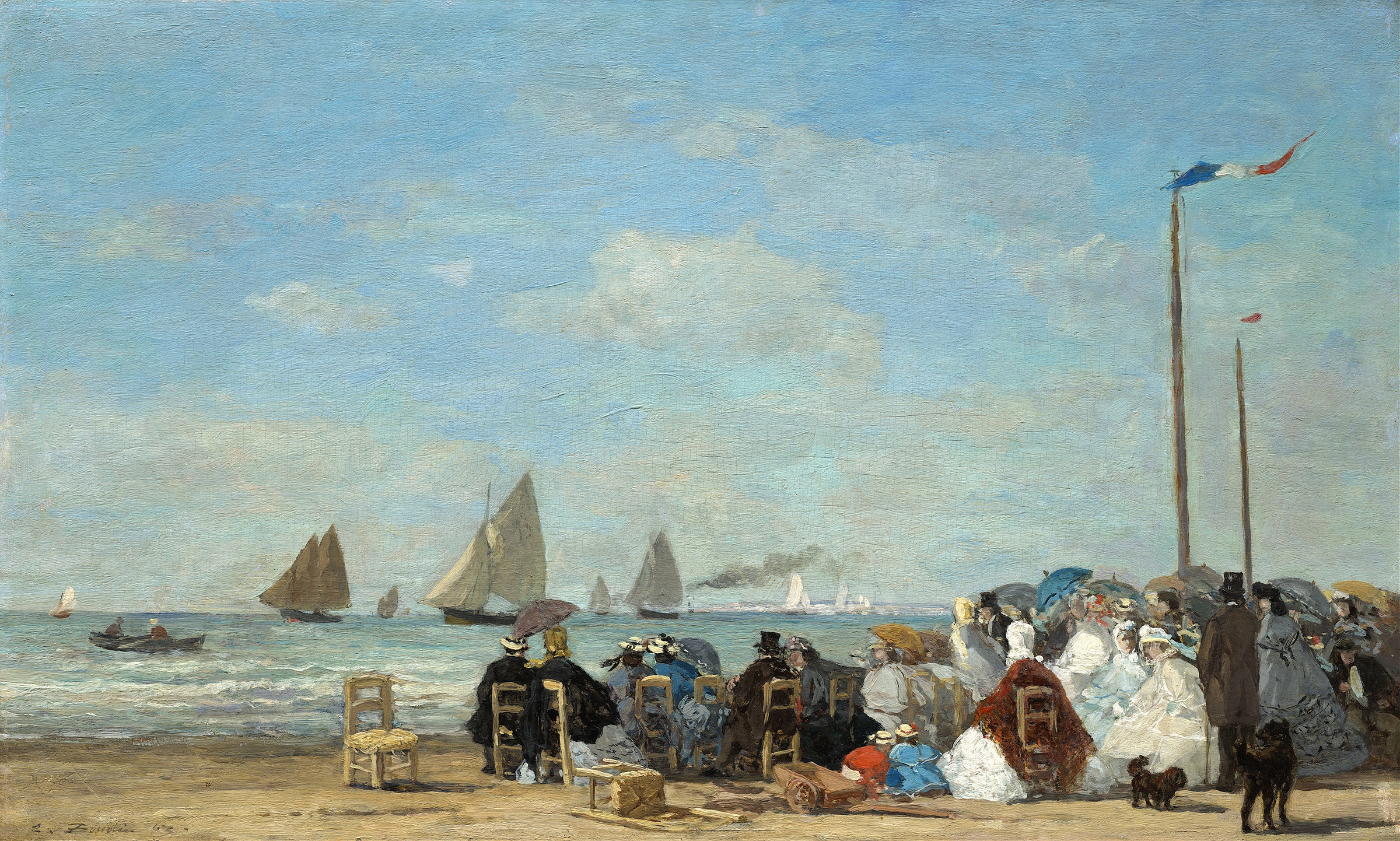
Beach Scene at Trouville
Eugène Boudin
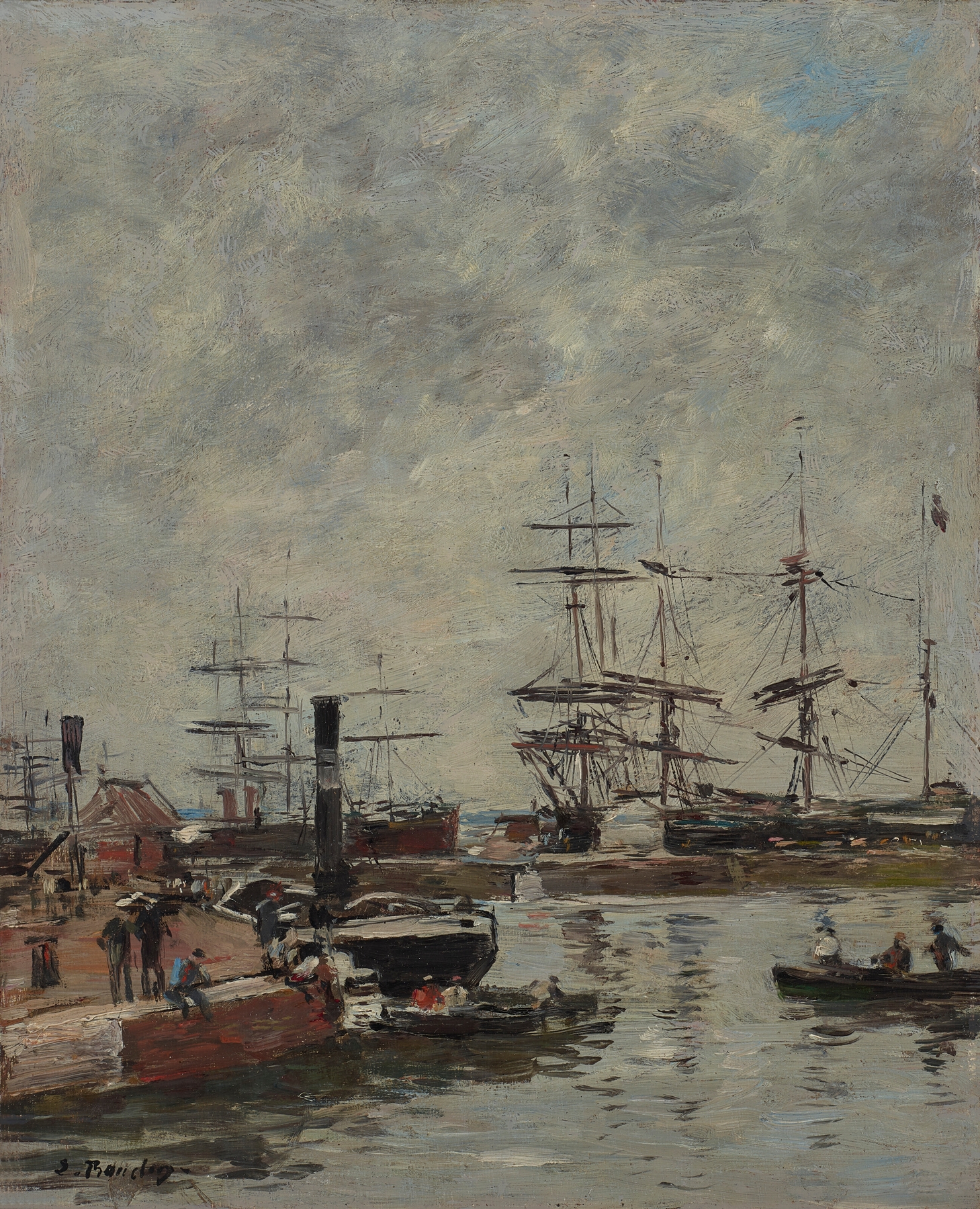
Port, navires à quai
Eugène Boudin
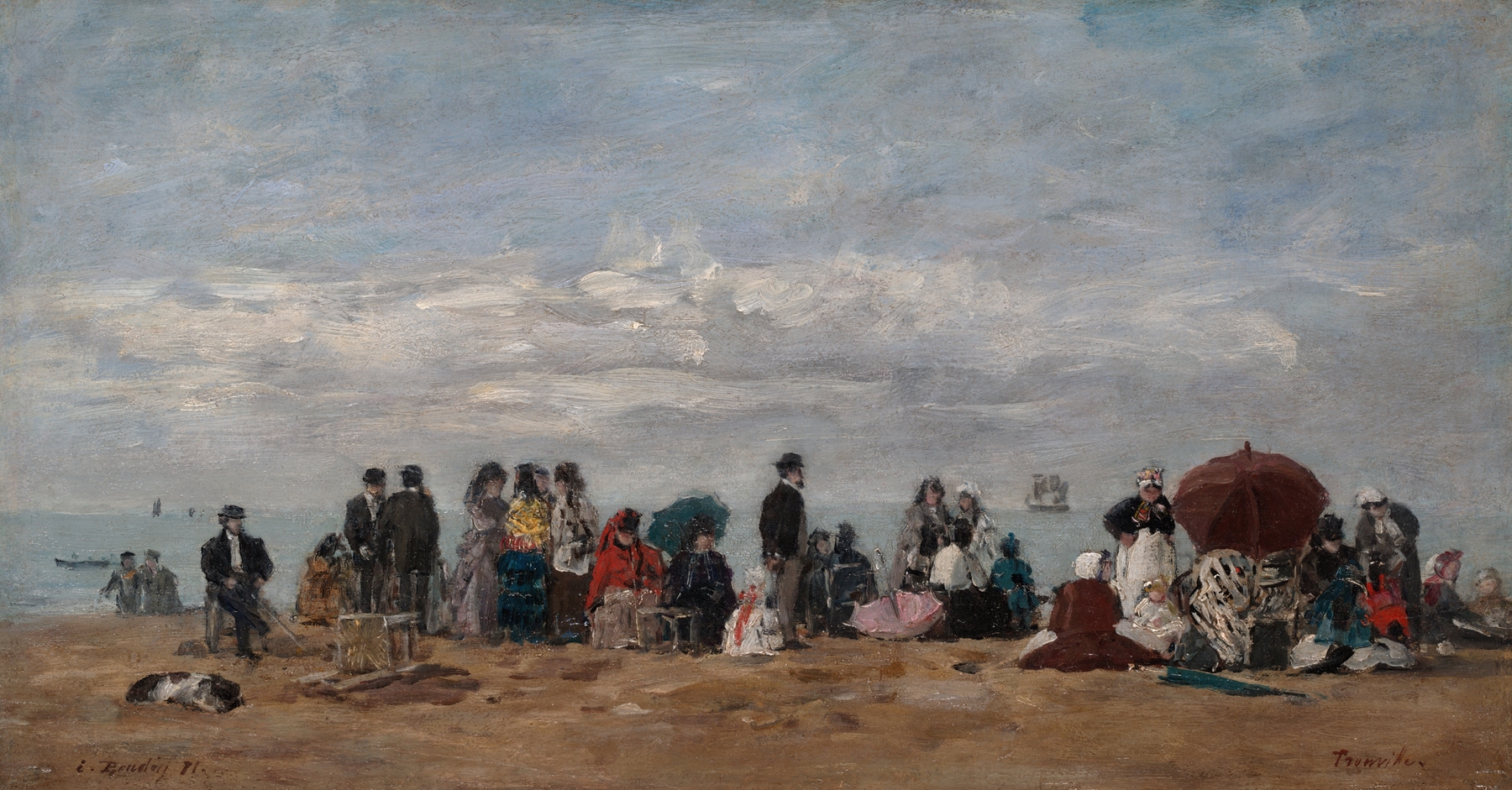
The Beach at Trouville
Eugène Boudin
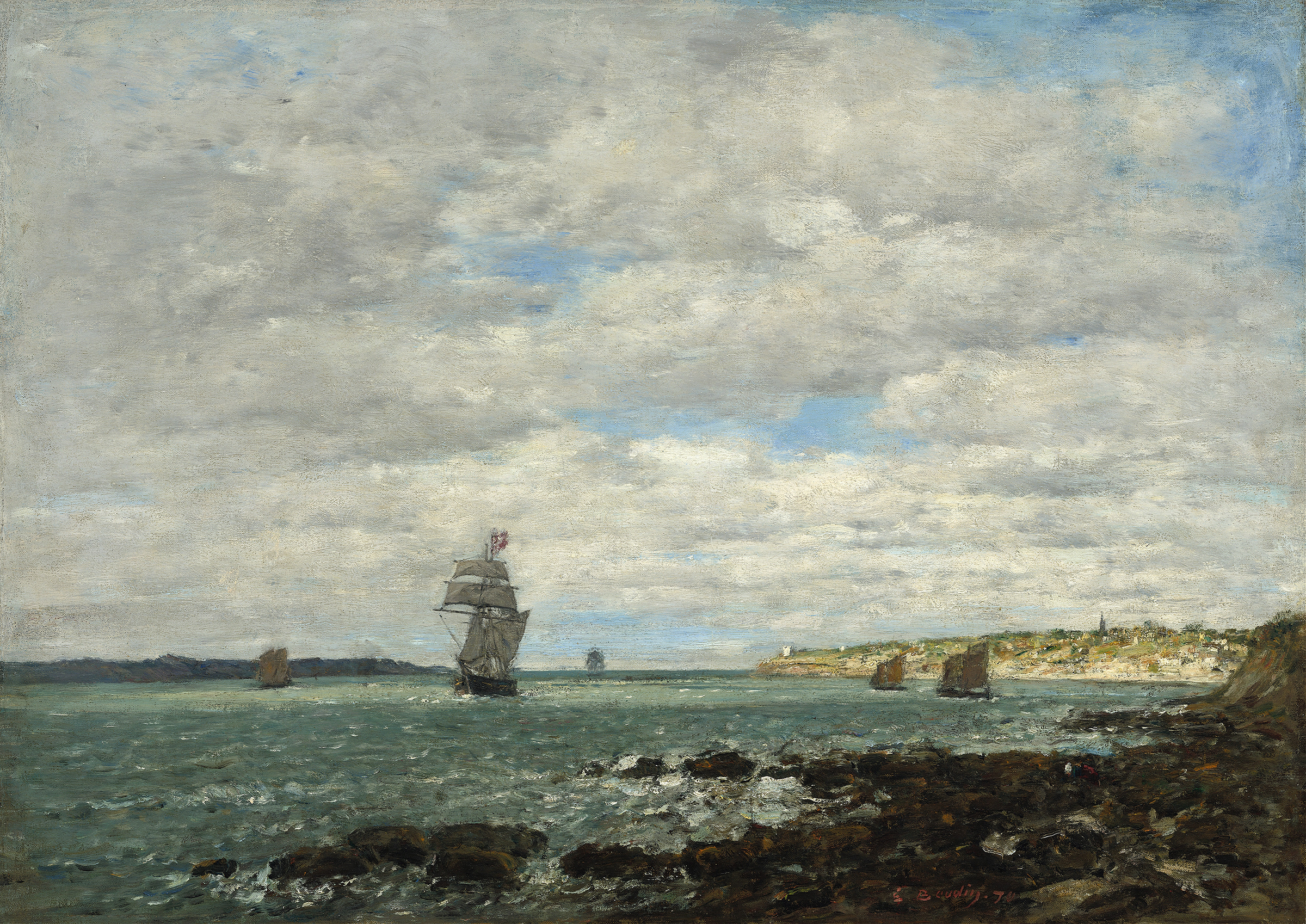
Coast of Brittany
Eugène Boudin
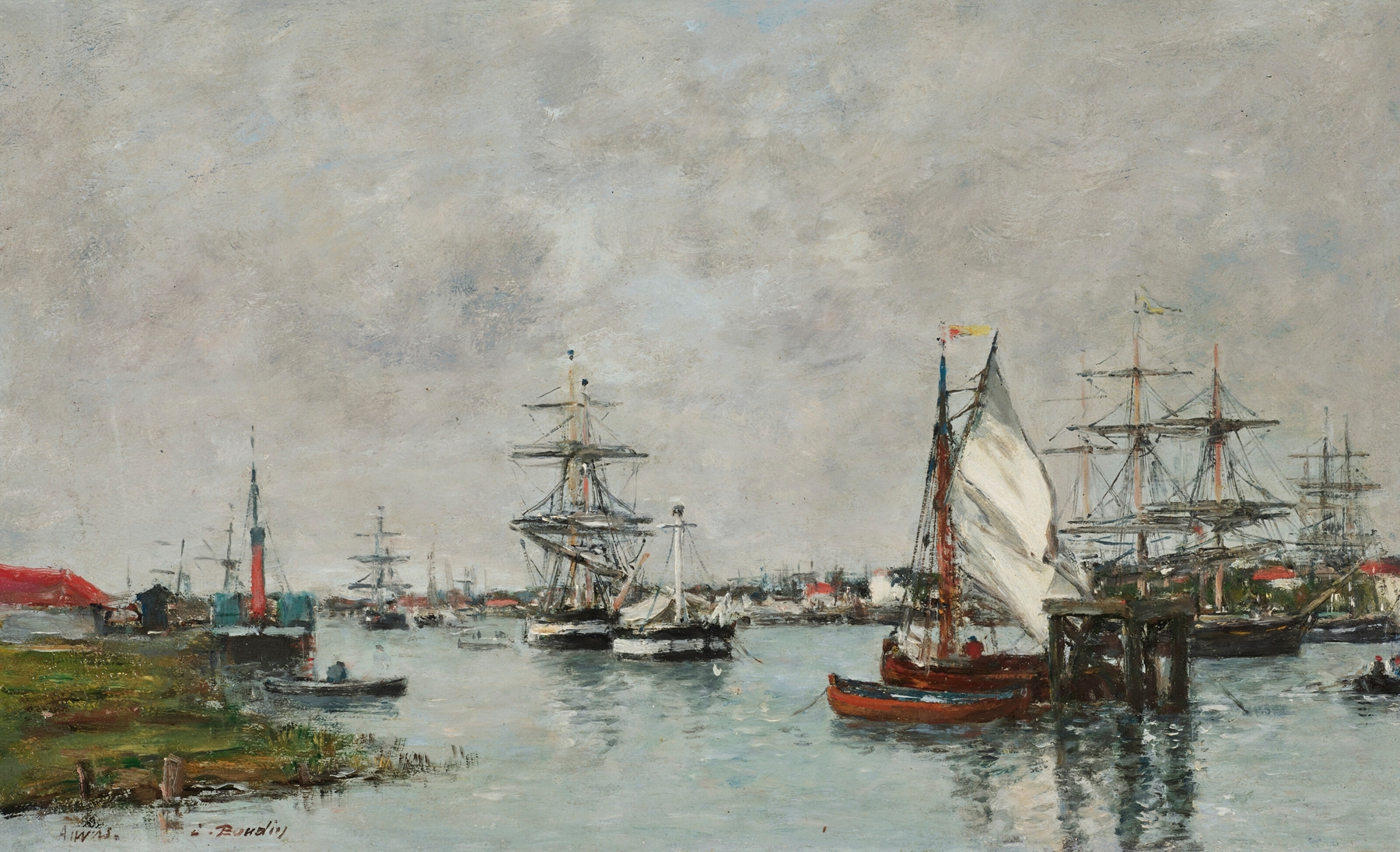
Port d’Anvers
Eugène Boudin
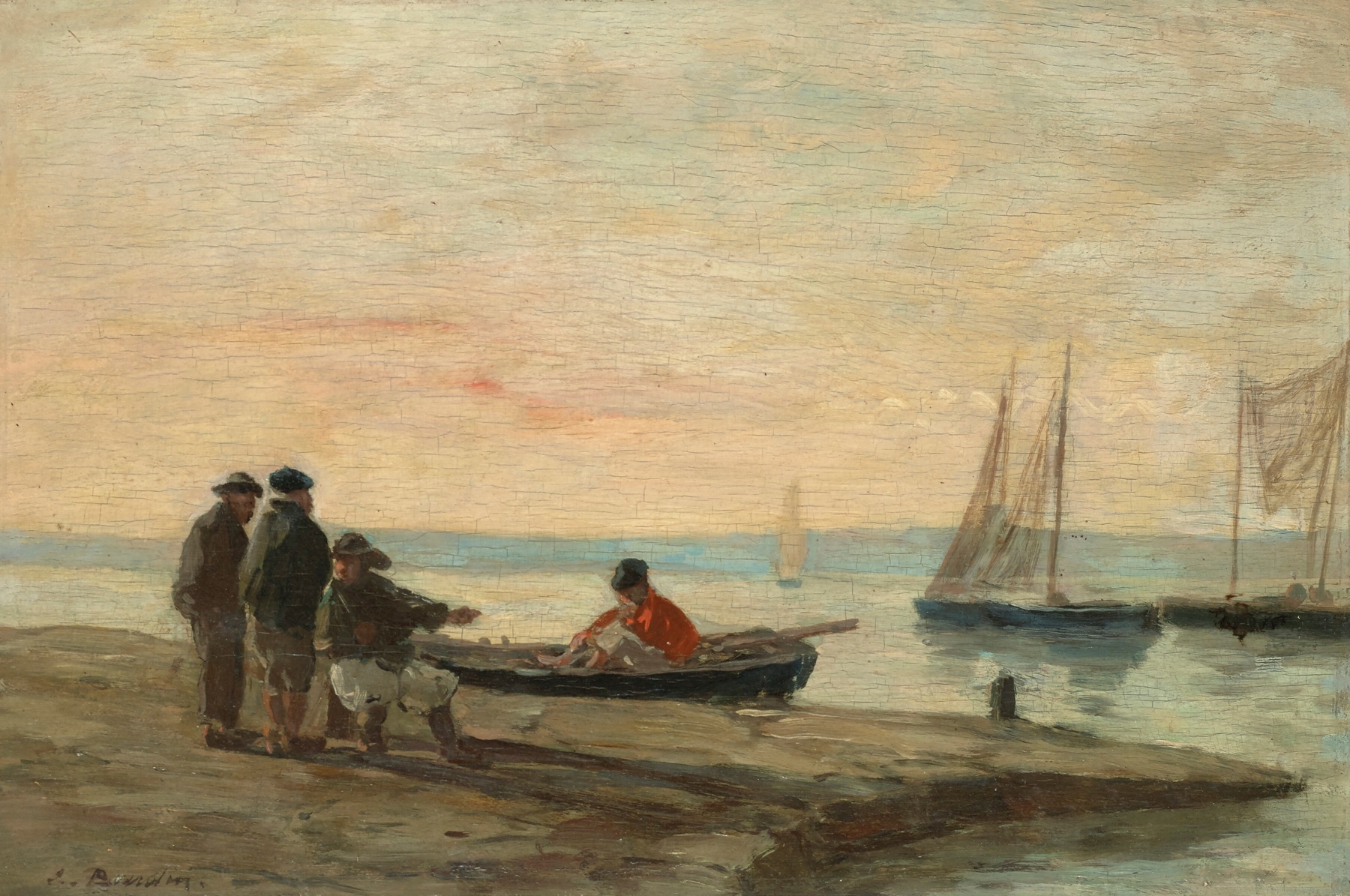
Port aux environs d’Honfleur
Eugène Boudin
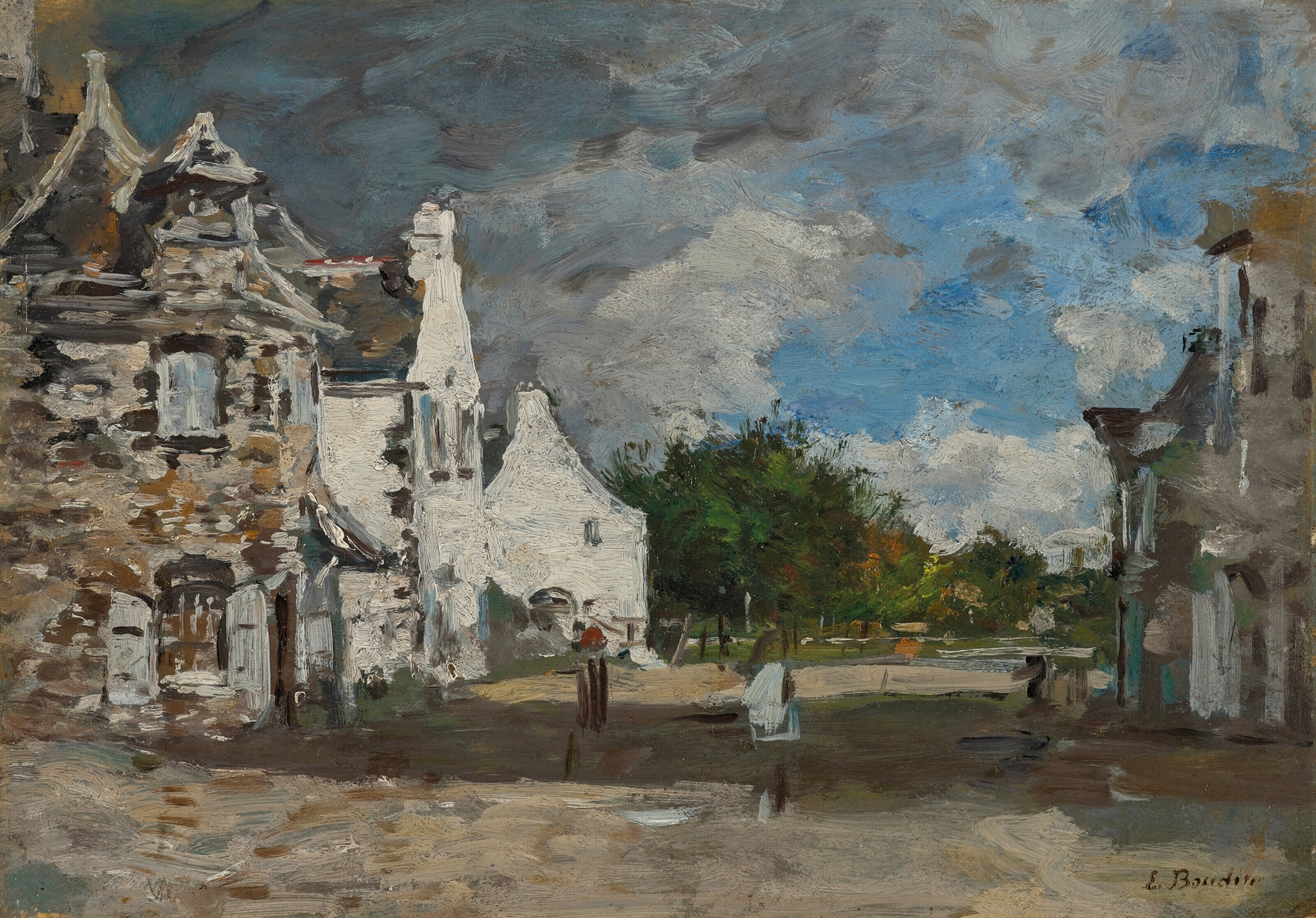
Le Faou, un coin du village
Eugène Boudin