
Le serment d'amour — History & Facts
When Le serment d'amour emerged from Jean-Honoré Fragonard’s studio around 1780, it was already part of a shifting tide in French taste. By this time, the artist who had once delighted the court of Louis XV with frothy scenes of flirtation and secret trysts was facing a new world: the Rococo style he embodied was falling out of favor, replaced by the more severe lines of Neoclassicism. Yet, this painting stands as a late, spirited defense of the pleasures of love and promise, painted just years before the French Revolution would sweep away the world that inspired it. At the heart of Le serment d'amour is a scene of intimate promise: a young couple, sheltered beneath a leafy arbor, clasp hands in a gesture that signals both affection and solemnity.
The young man leans forward, his gaze locked on his beloved, while she responds with a shy but unmistakable smile. Fragonard scatters clues to their emotional state—a discarded hat, a fluttering ribbon, and the dappled sunlight that caresses their faces—each detail amplifying the sense of a private moment made sacred by love’s vow. The composition recalls Fragonard’s own The Progress of Love series, but here the focus narrows to the instant of commitment, more restrained than the licentious escapades painted by his contemporary, François Boucher. The precise early history of Le serment d'amour remains uncertain, as is often the case with Fragonard’s later works, which were sometimes painted for private patrons or the open market rather than royal commissions.
The painting’s medium is not definitively recorded, though oil on canvas is most likely. After Fragonard’s death in 1806, many of his works passed quietly through the hands of collectors, only to be rediscovered and celebrated in the nineteenth century as tastes shifted once again. Today, Le serment d'amour is recognized as a testament to the enduring appeal of Fragonard’s vision, capturing both the fleeting charm and the lasting promise of love at the twilight of the Rococo era.
More Artworks by Jean-Honoré Fragonard

The Swing
Jean-Honoré Fragonard

The Swing
Jean-Honoré Fragonard

A Young Girl Reading
Jean-Honoré Fragonard

The Lock
Jean-Honoré Fragonard

The Triumph of Venus
Jean-Honoré Fragonard

A Game of Hot Cockles
Jean-Honoré Fragonard
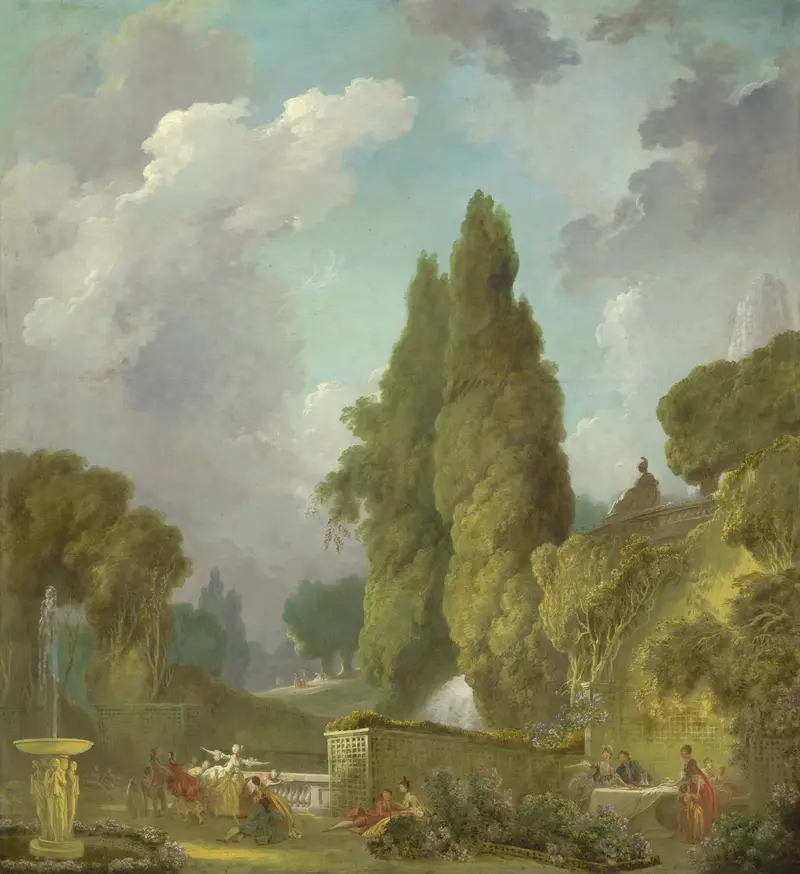
Blindman’s Buff
Jean-Honoré Fragonard
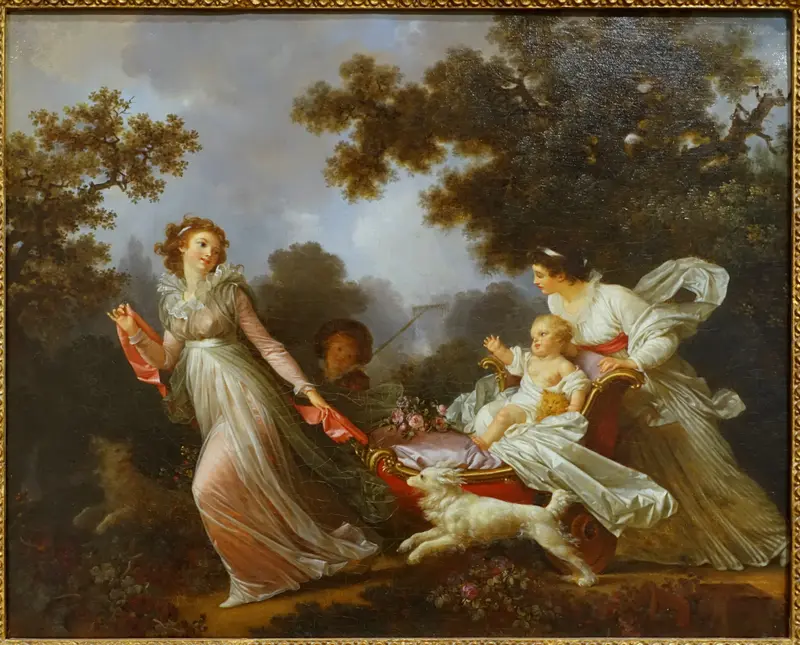
The Beloved Child
Jean-Honoré Fragonard
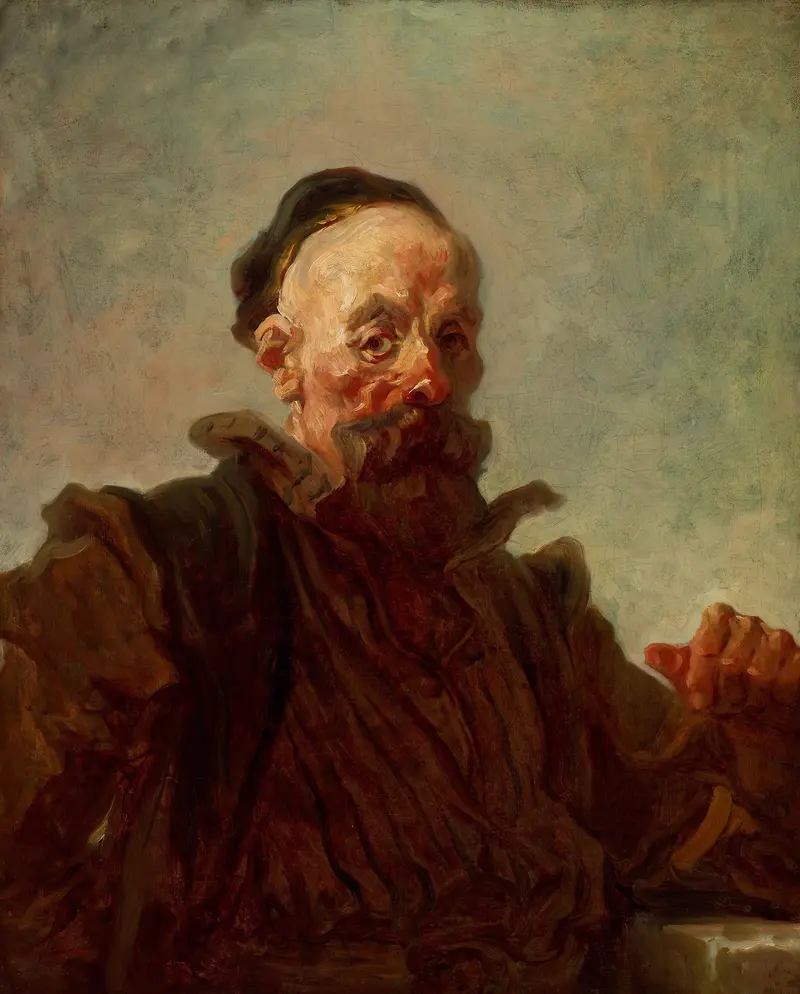
Portrait of a Man in Costume
Jean-Honoré Fragonard
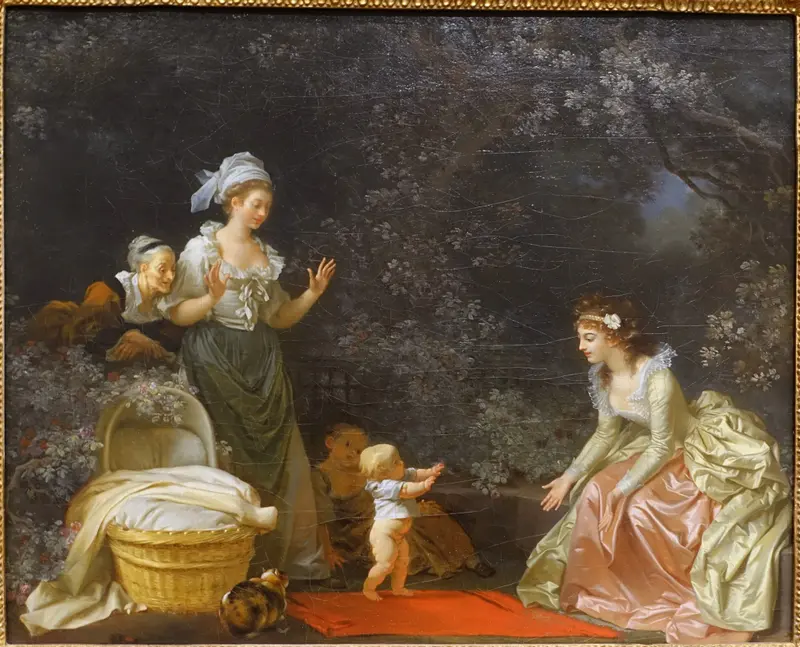
The First Steps
Jean-Honoré Fragonard
More Genre Scene Art

Banquet of the Officers of the St George Civic Guard
Frans Hals

Rembrandt and Saskia in the Scene of the Prodigal Son
Rembrandt van Rijn

Bal du moulin de la Galette
Pierre-Auguste Renoir

Quadrille at the Moulin Rouge
Henri de Toulouse-Lautrec

A Burial at Ornans
Gustave Courbet

When Will You Marry?
Paul Gauguin