
Le tournant du chemin — History & Facts
A quiet bend in the road draws the viewer in, the gentle sweep of the path inviting a pause, a decision, or perhaps a memory. The eye follows the curve as it disappears between rustic buildings and bare trees, their slender trunks etched sharply against a pale sky. The artist, Armand Apol, uses the delicate, almost hesitant lines of his medium to create a sense of stillness, as if the world here is holding its breath.
The houses lean in, their roofs heavy and textured, suggesting the weight of seasons passed and the stories held within. Light is sparse but purposeful, guiding attention along the rutted track and into the quiet heart of this rural scene. Works like Le tournant du chemin belong to a tradition of landscape art that flourished in late nineteenth- and early twentieth-century Belgium, when artists sought to capture the changing countryside as modernity crept closer. Such prints were often made for collectors or as part of portfolios celebrating regional life, and the Royal Library of Belgium’s preservation of this piece hints at its quiet cultural value.
Though history has kept few traces of this particular scene or its creation, the print stands as a testament to an era when the ordinary turn of a road could still command an artist’s full attention—and reward the viewer’s careful gaze.
More Artworks by Armand Apol
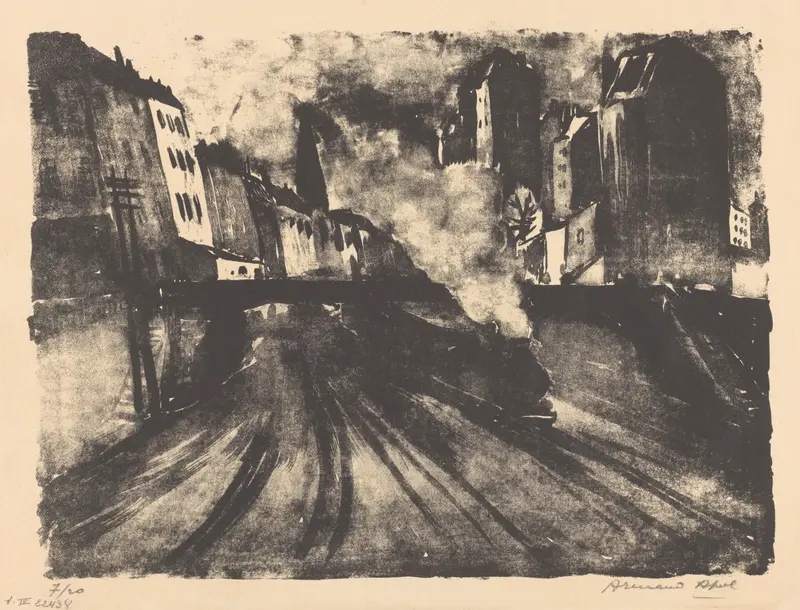
Chemin de fer de ceinture à Paris
Armand Apol
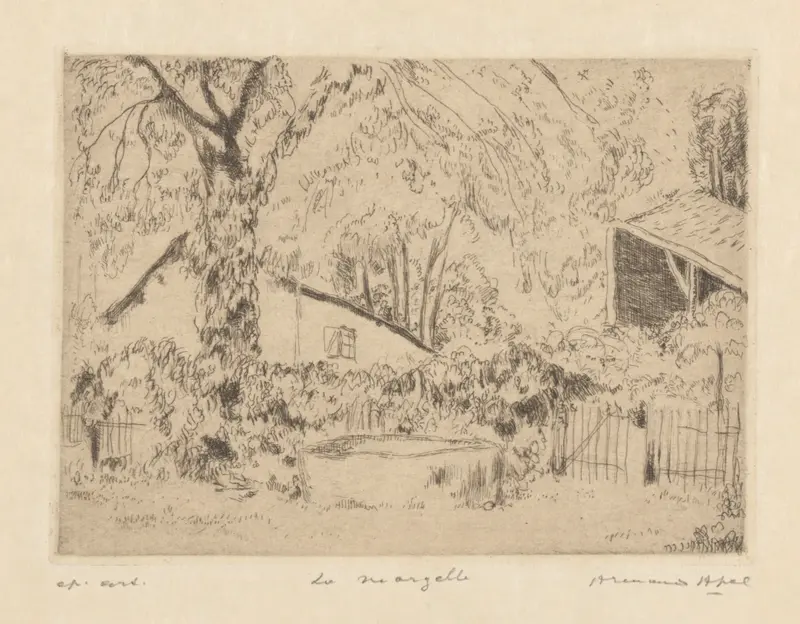
La margelle
Armand Apol
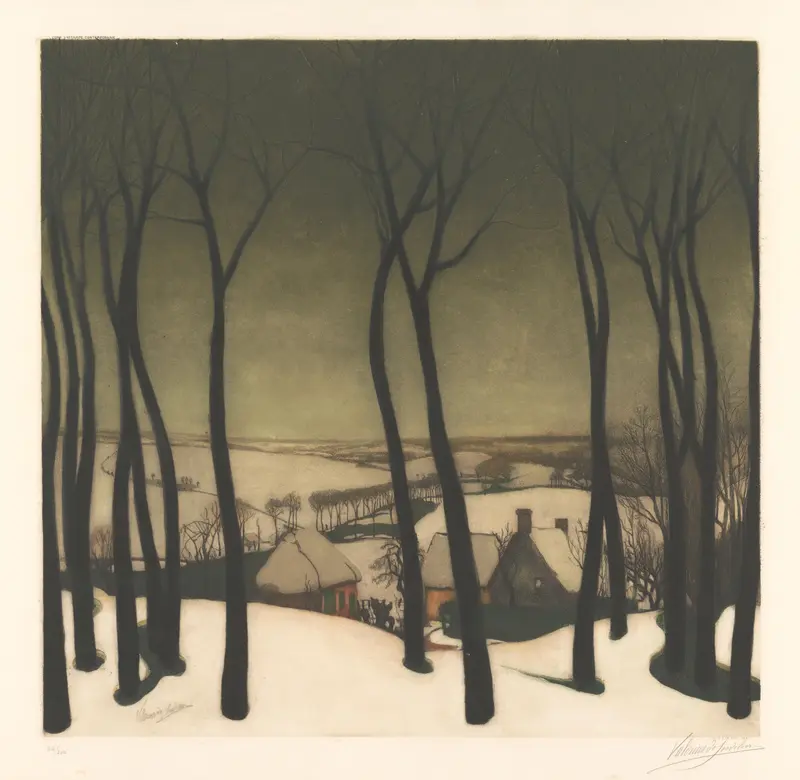
Album 8 estampes (en couleurs) (05) : Paysage
Armand Apol
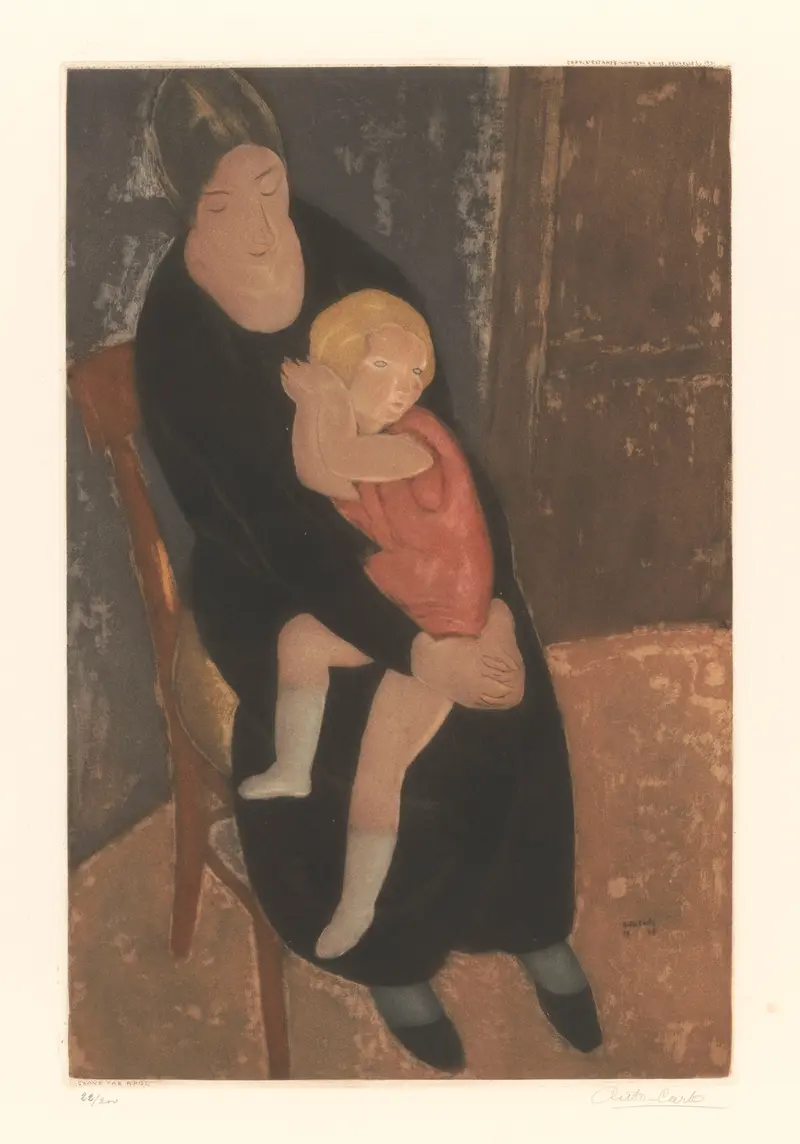
Album 8 estampes (en couleurs) (08) : Mère et enfant
Armand Apol
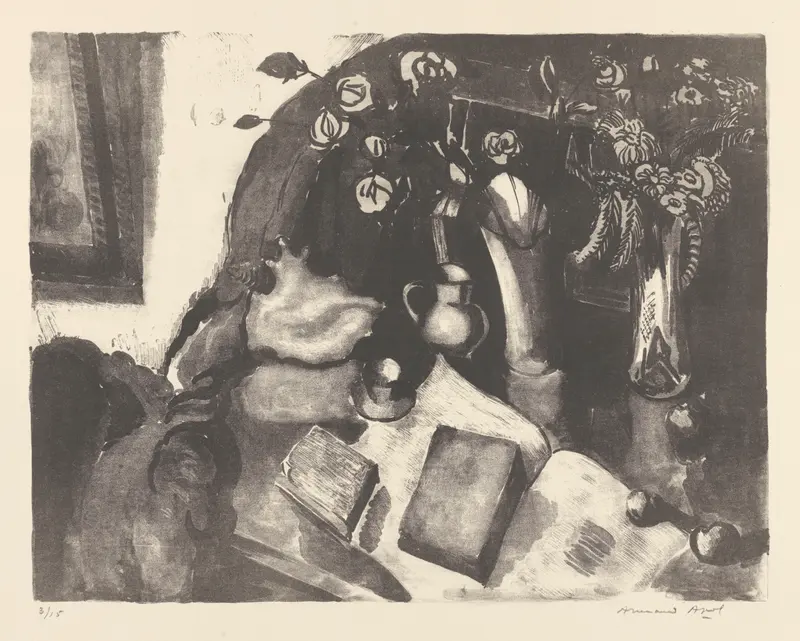
Dix lithographies au lavis (02) : Nature morte
Armand Apol

Dix planches (06) : La loge
Armand Apol
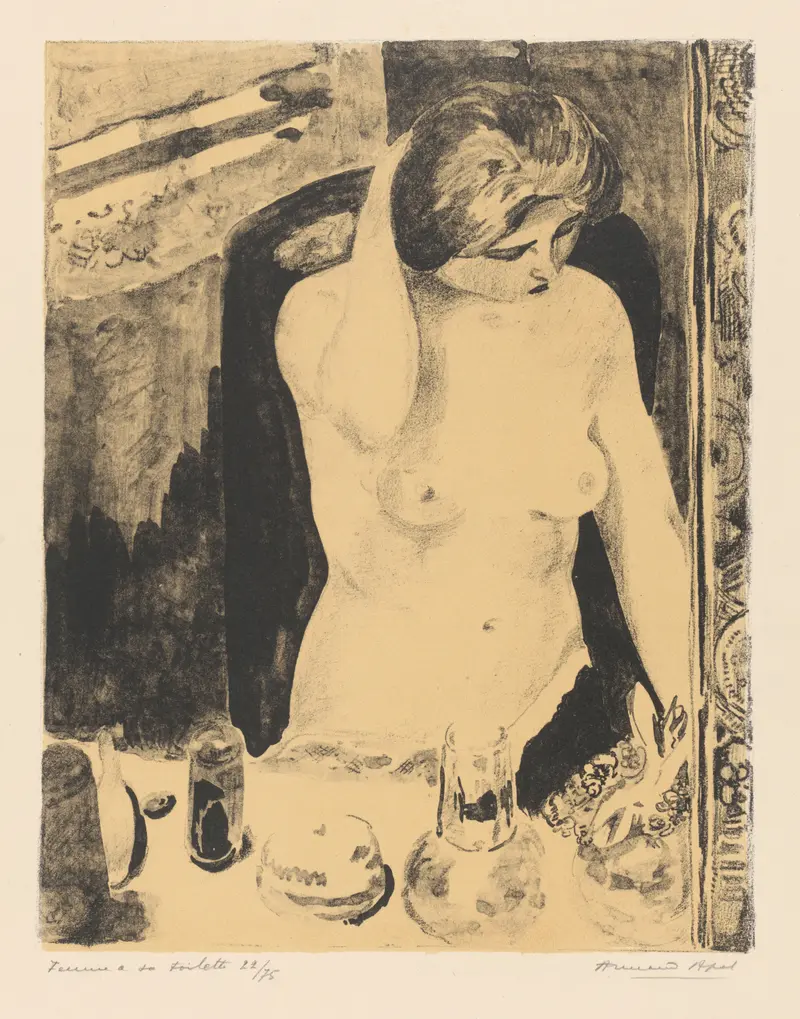
Dix planches (10) : Femme à sa toilette
Armand Apol
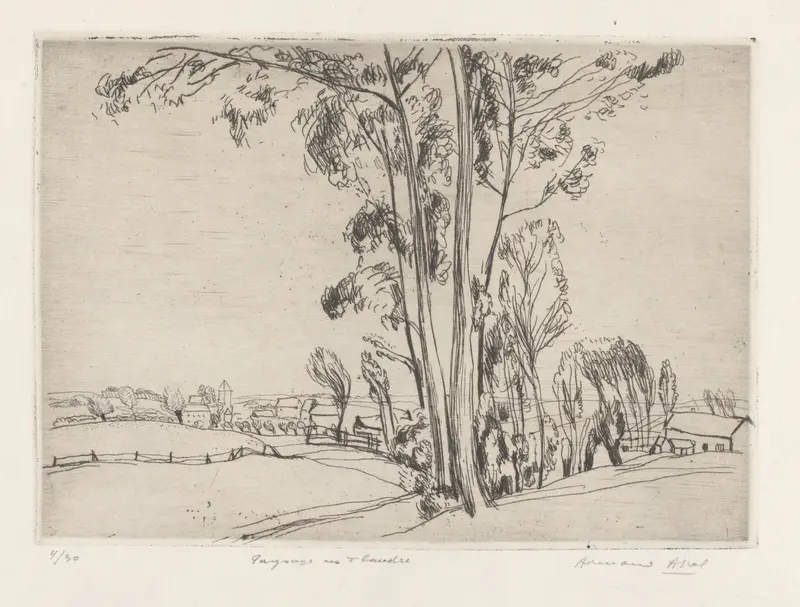
Paysage en Flandre (Etichove)
Armand Apol
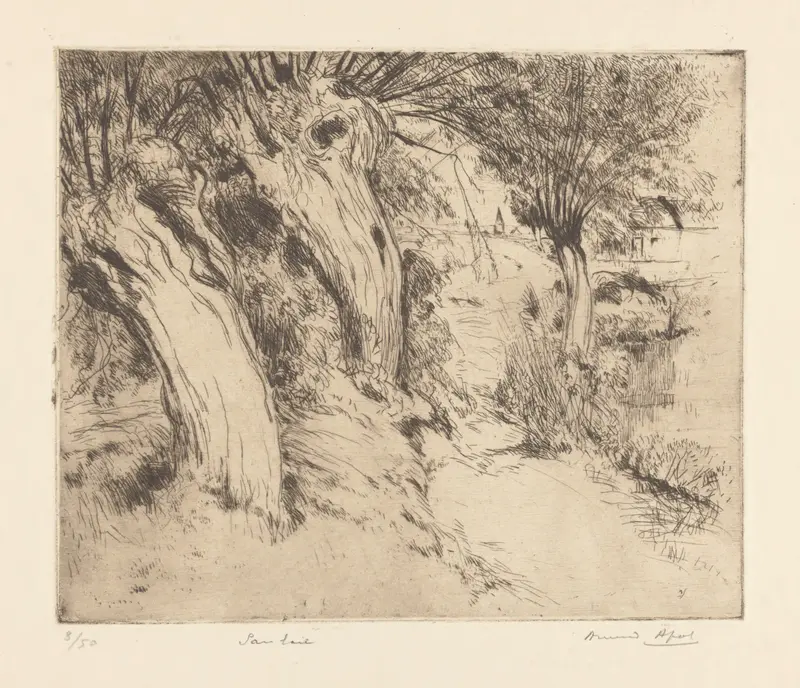
Saulaie
Armand Apol
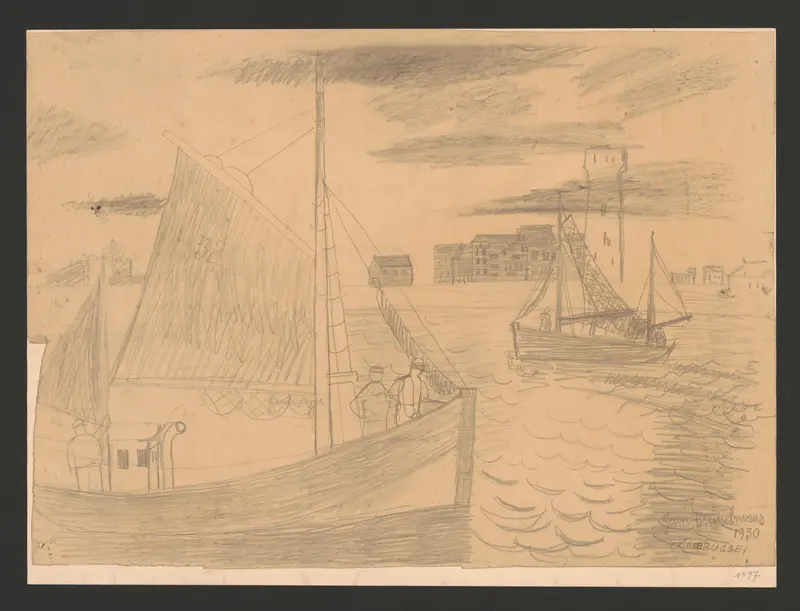
Zeebrugge
Armand Apol
More Landscape Art

The Starry Night
Vincent van Gogh

View of Delft
Johannes Vermeer

Water Lilies
Claude Monet

The Grand Canal, Venice, looking north-west from the Ca' Corner to the Ca' Contarini degli Scrigni, with the campanile of Santa Maria della Carità
Canaletto

Windsor Castle
Canaletto

The Grand Canal looking North-East from the Palazzo Dolfin-Manin to the Rialto Bridge
Canaletto