Leda — History & Facts
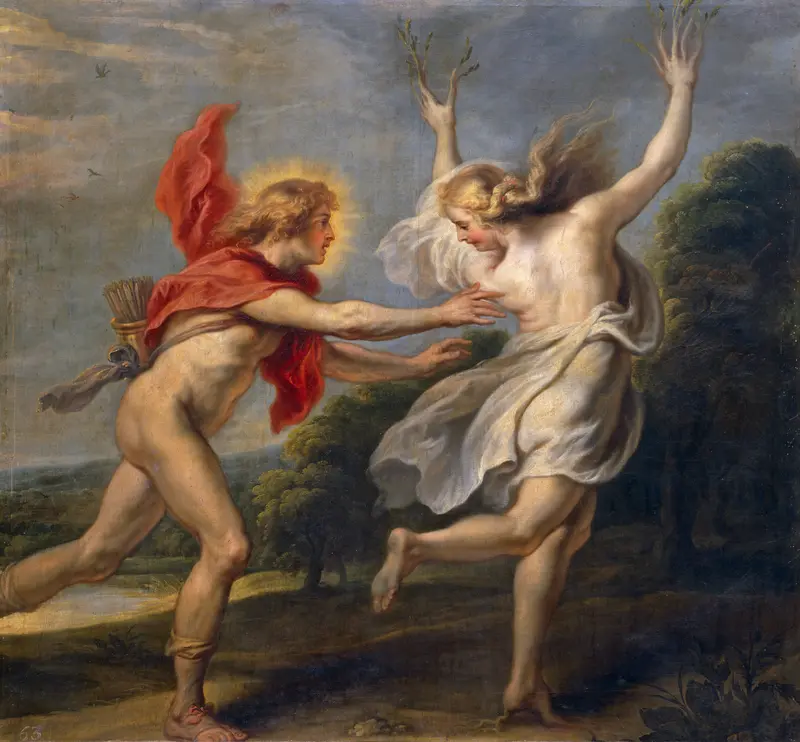
In Leda, Paul Nash depicts a dreamlike scene where Leda is shown in a surreal landscape. The colors are muted, with soft blues, greens, and earthy tones dominating the composition. Leda herself is portrayed in a contemplative pose, surrounded by abstract forms that suggest movement and fluidity.
The setting feels both familiar and otherworldly, enhancing the mythological narrative. The painting is executed in oil on canvas, a medium that allows for rich texture and depth. Nash's brushwork is expressive, creating a sense of dynamism within the stillness of the scene. The approximate dimensions of the work are 76 x 102 cm, making it a substantial piece that invites close inspection.
Viewers can appreciate the intricate details and the interplay of light and shadow throughout the composition. Paul Nash was a prominent figure in the Surrealist movement, known for his unique blend of landscape and dream imagery. Leda reflects his interest in mythology and the subconscious, showcasing his ability to transform traditional themes into modern interpretations. An interesting fact about this work is that it was created during a period when Nash was exploring the psychological aspects of art, influenced by his experiences in World War I.