Les oliviers, effet de soleil aux Martigues — History & Analysis
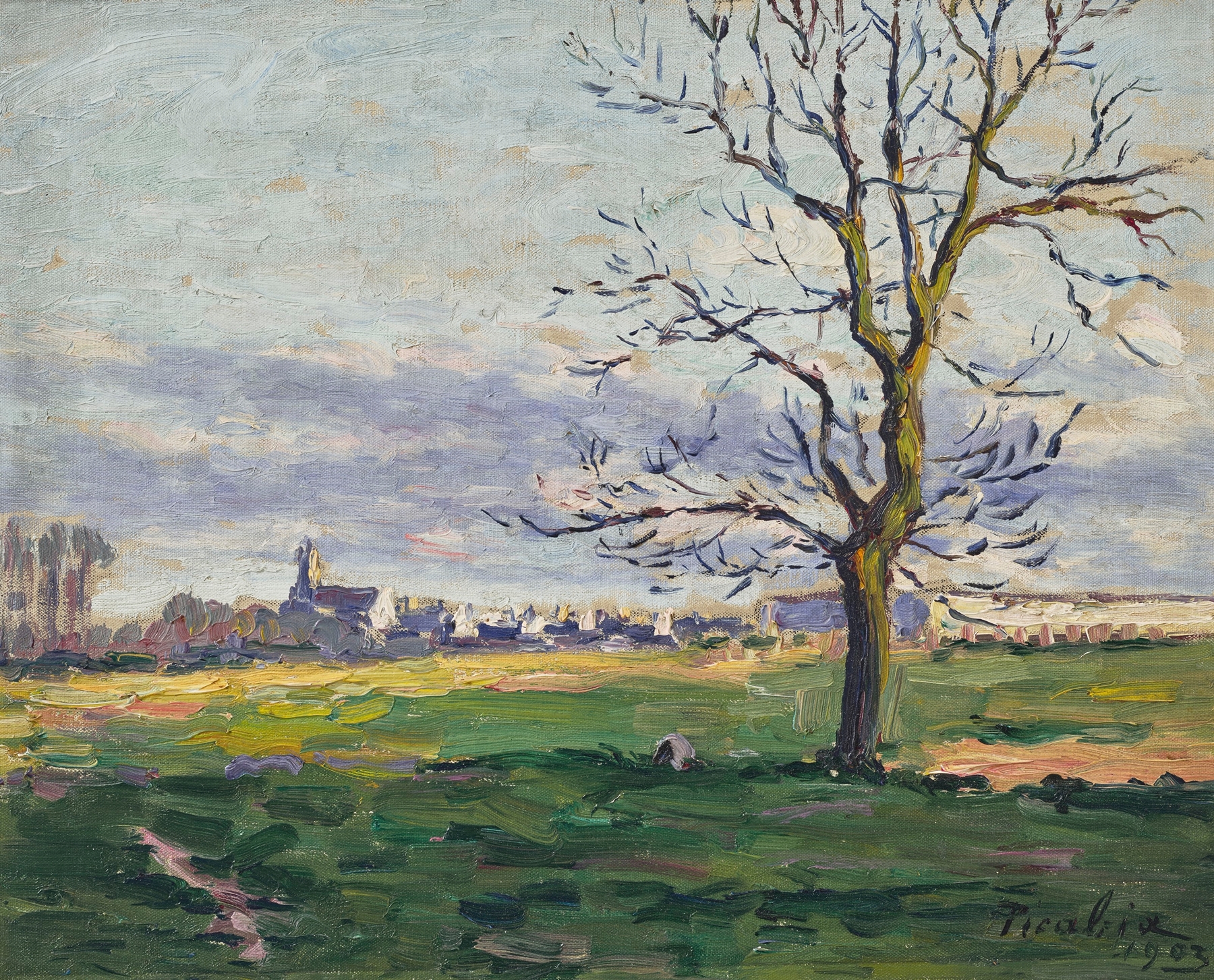
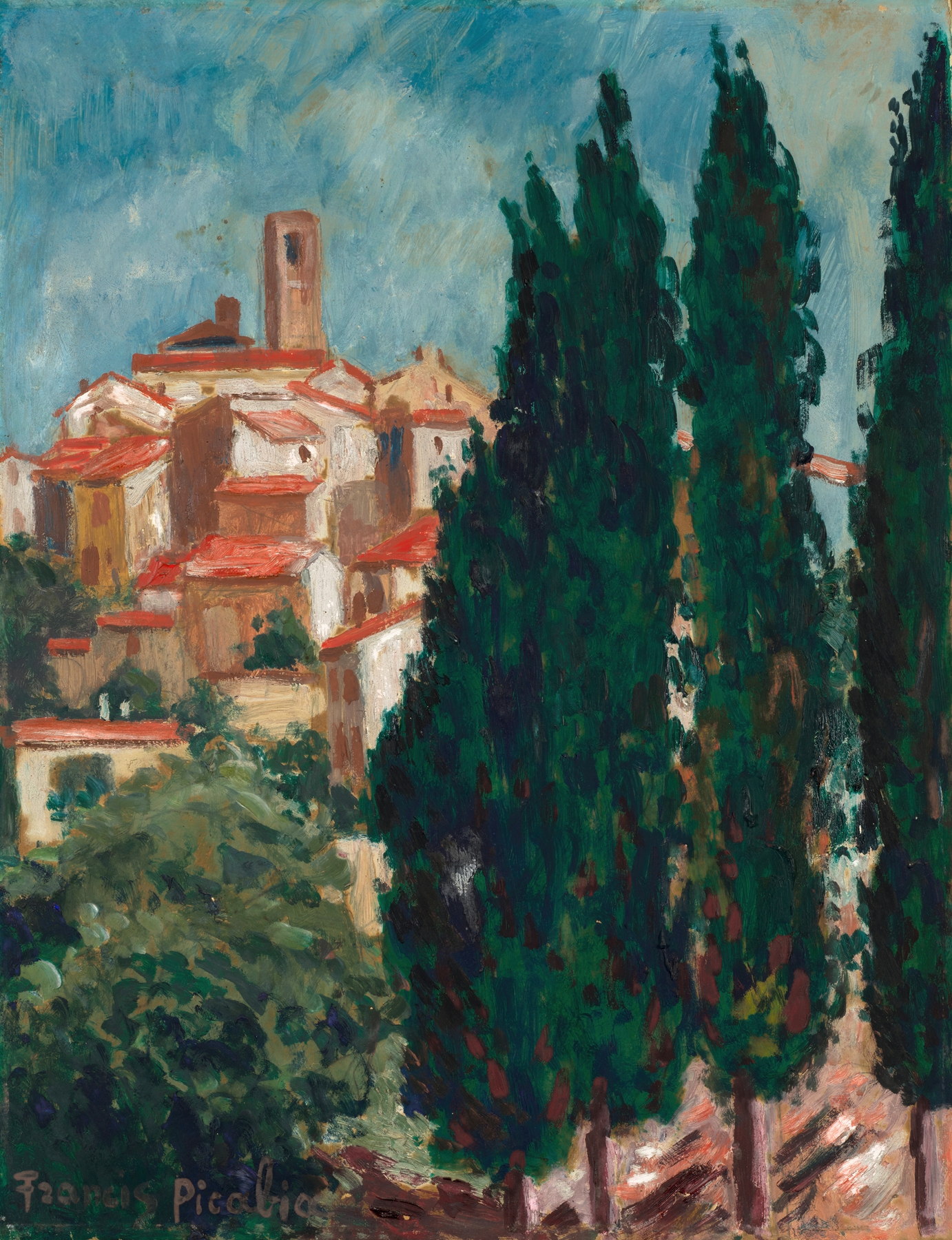
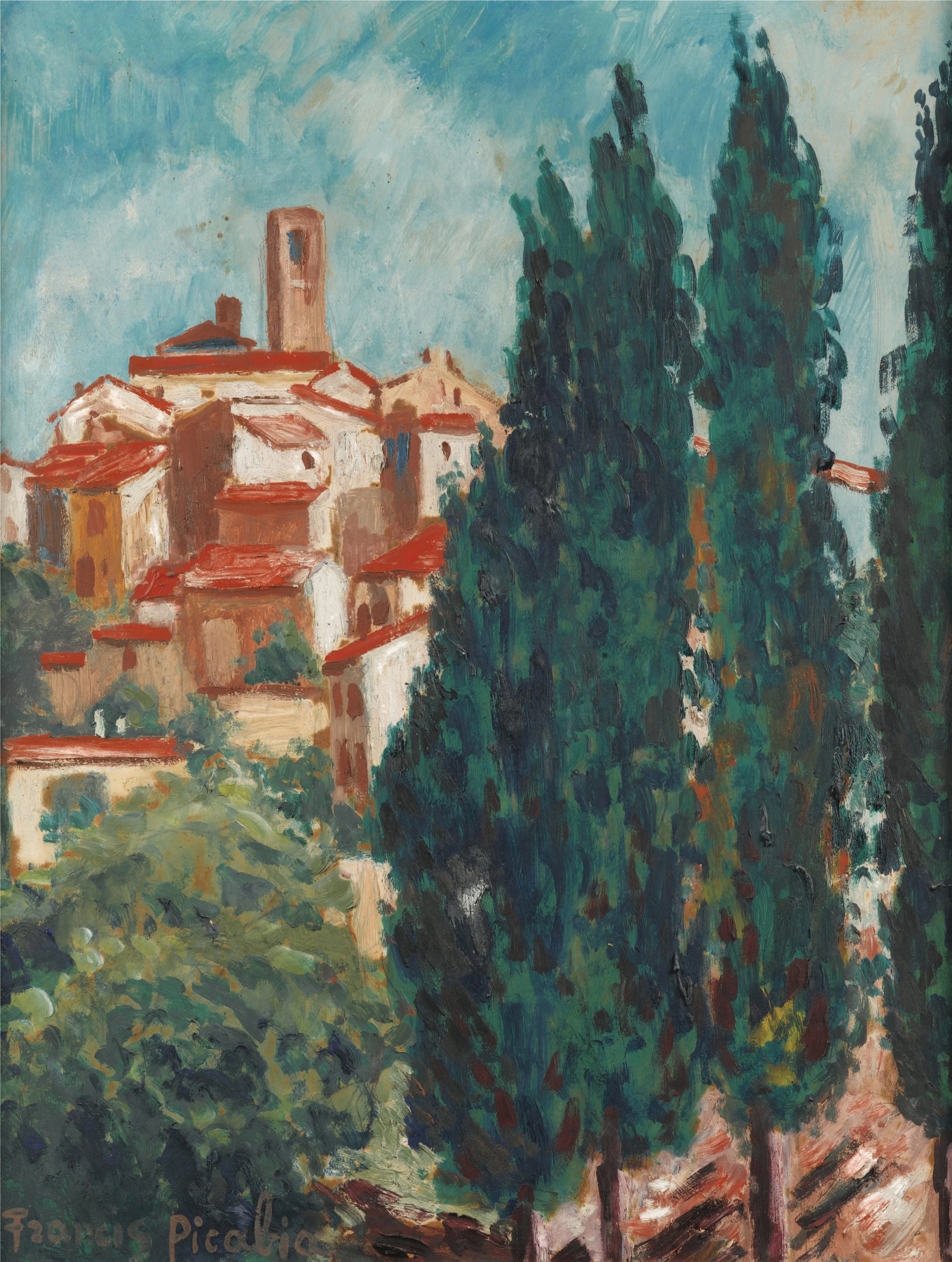
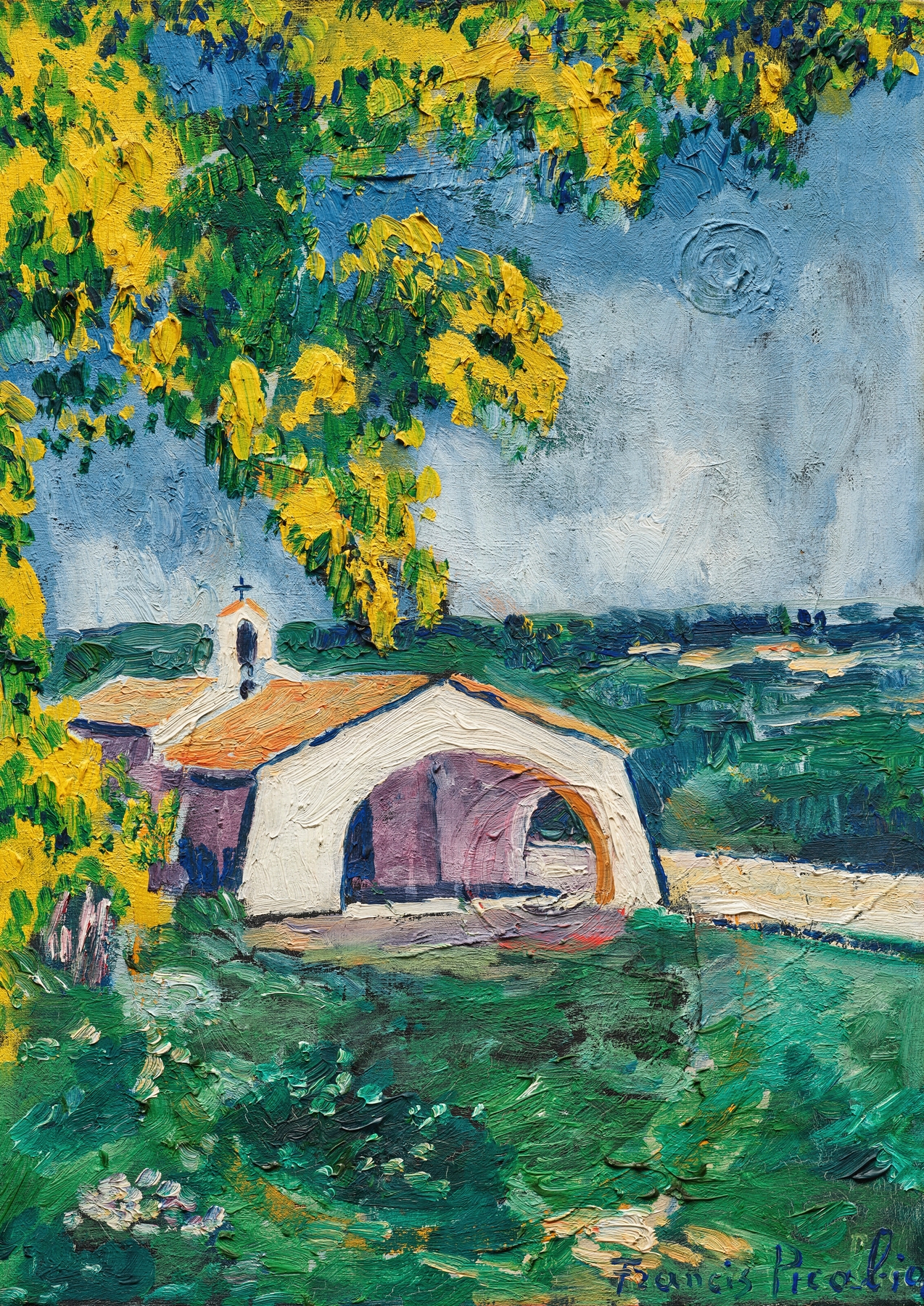
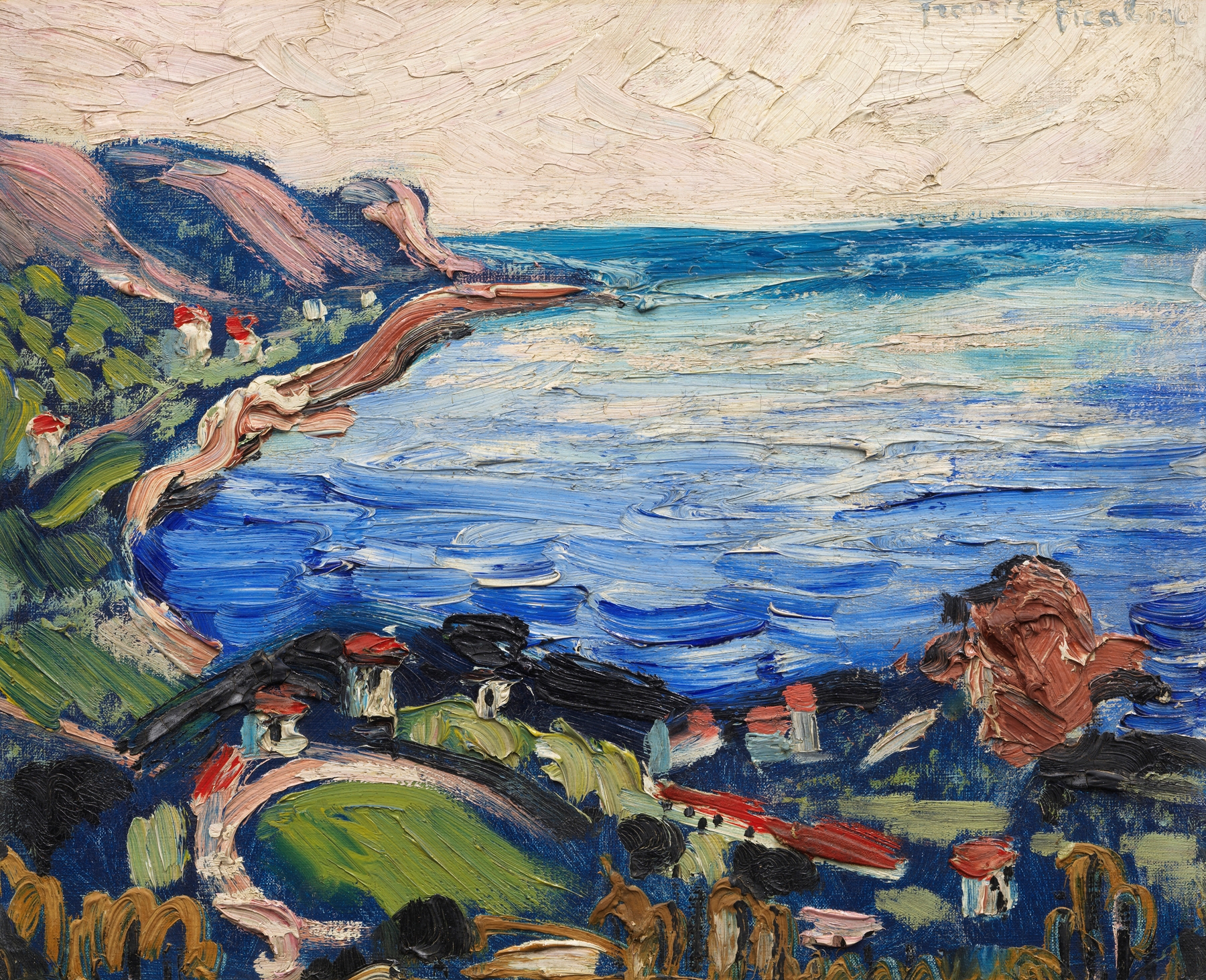
“Every brushstroke is a heartbeat remembered.” The essence of transformation weaves through the vibrant colors and textured surfaces of this captivating painting. It speaks to the fleeting nature of existence, where change is both inevitable and beautiful. Look to the canvas’ left, where the sun filters through the olive tree branches, casting playful dappled shadows on the ground. The colors vibrate with life—rich greens and soft yellows mingle in an energetic dance.
Notice how the loose brushwork evokes movement, drawing your gaze from the foreground to the horizon, where vibrant blues suggest a sense of limitless possibility. The interaction of light and shadow invites the viewer to step into a sun-drenched moment, as if time itself is both present and transformed. Delve deeper into the contrasts portrayed: the static solidity of the olive trees against the ephemeral quality of sunlight flickering through their leaves. This duality may reflect the tension between nature's permanence and the transience of human experience.
Each stroke pushes the viewer to feel the pulse of life, the gentle reminder that transformation is woven into the fabric of time itself—ever-present, yet always changing. In 1905, Picabia created this work while living in Martigues, a town that inspired many artists with its stunning landscapes. This period saw him experimenting with Impressionism, exploring the interplay of light and nature. The world of art was embracing new ideas of perception and emotion, and Picabia was at the forefront, capturing the essence of a world in transformation through his unique lens.