
Letter A en twee kinderen — History & Facts
Where does light end, and longing begin? The interplay of these forces creates a palpable tension in Letter A en twee kinderen, a work that captures the essence of youthful curiosity amidst chaos. Focus on the elegant form of the letter "A" at the center, adorned with intricate patterns and colors that draw the eye immediately. The two children, one boy and one girl, stand on either side, their gazes fixed on the letter with an intensity that speaks to deeper desires. Notice how Holbein employs rich, contrasting hues; the vibrant reds and deep blues breathe life into the scene, while soft golden light cascades around the figures, highlighting the innocence of their expressions and the secrets they seem to hold. Yet, amidst this beauty lies a layer of complexity.
The juxtaposition of the letter’s rigid structure against the softness of the children’s forms hints at the tension between order and the chaotic world outside their frame. Each child embodies a different emotional state—one is curious, while the other appears contemplative—reflecting the duality of exploration and apprehension in the face of knowledge. The intricate details within the letter symbolize the entangled paths of learning and the chaos of childhood. During the years 1522 to 1526, Hans Holbein the Younger was in Basel, honing his craft and developing his distinctive style that merged realism with symbolic undertones.
This period was marked by significant artistic change across Europe, as the Renaissance flourished and artists sought to balance tradition and innovation. Holbein's work during this time reflects a keen awareness of the emerging complexities of human emotion and intellect, captured beautifully in this charming yet thought-provoking piece.
More Artworks by Hans Holbein (II)
Browse all →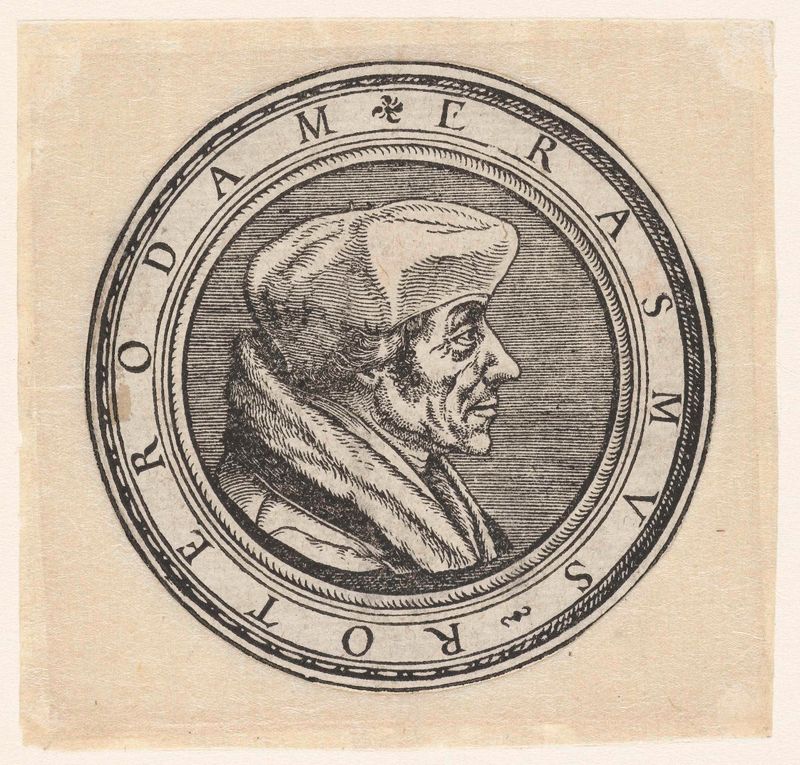
Portret van Erasmus
Hans Holbein (II)
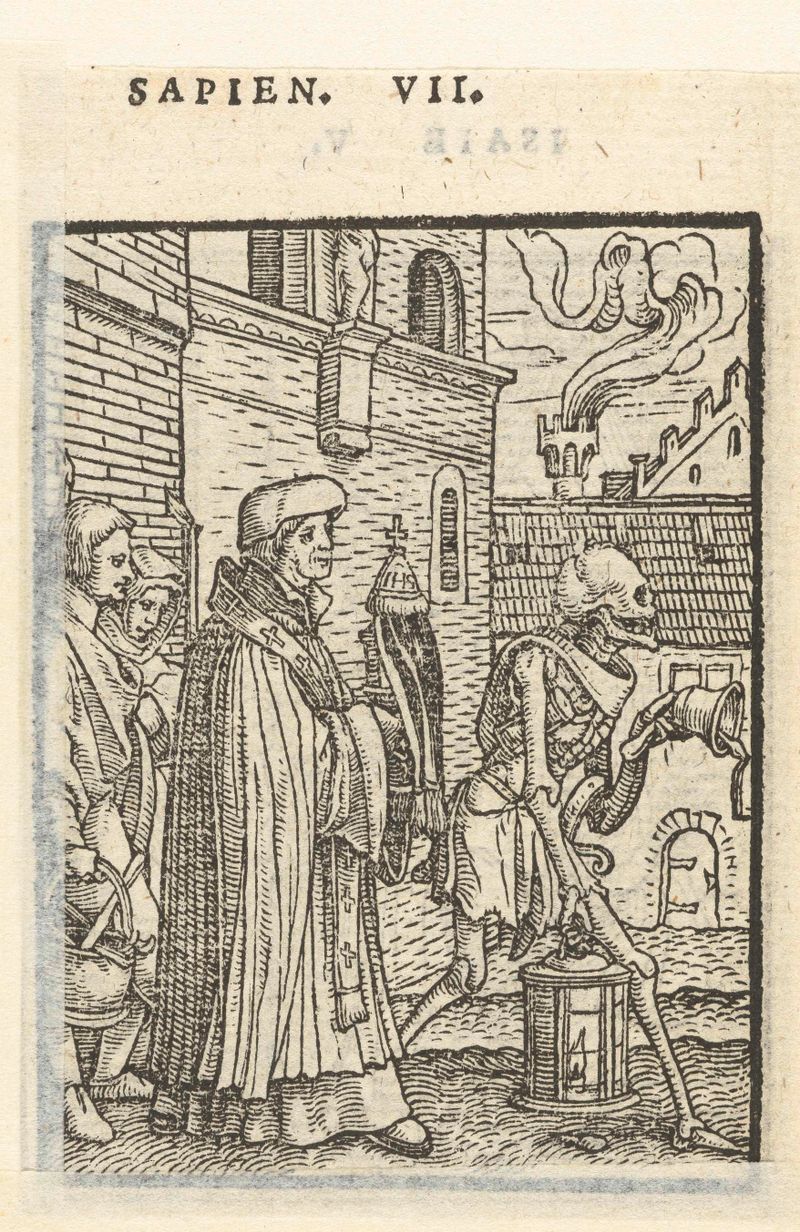
Priester en de Dood
Hans Holbein (II)
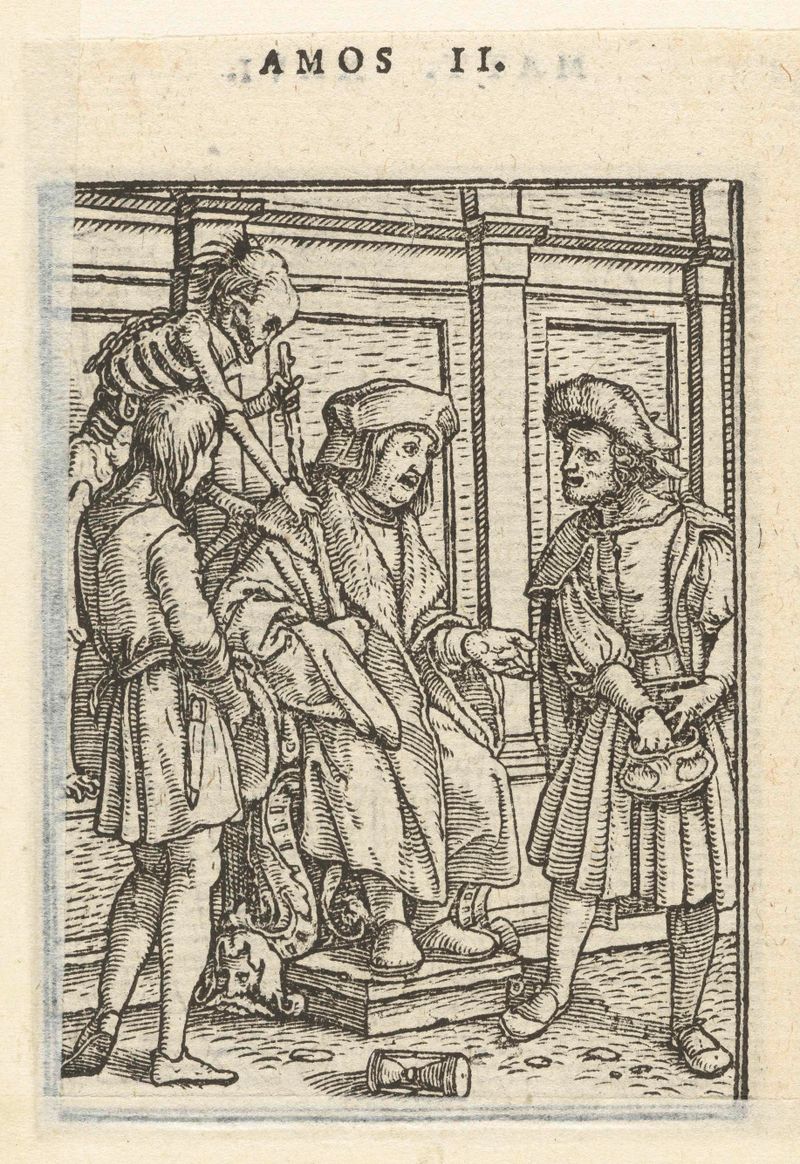
Rechter en de Dood
Hans Holbein (II)
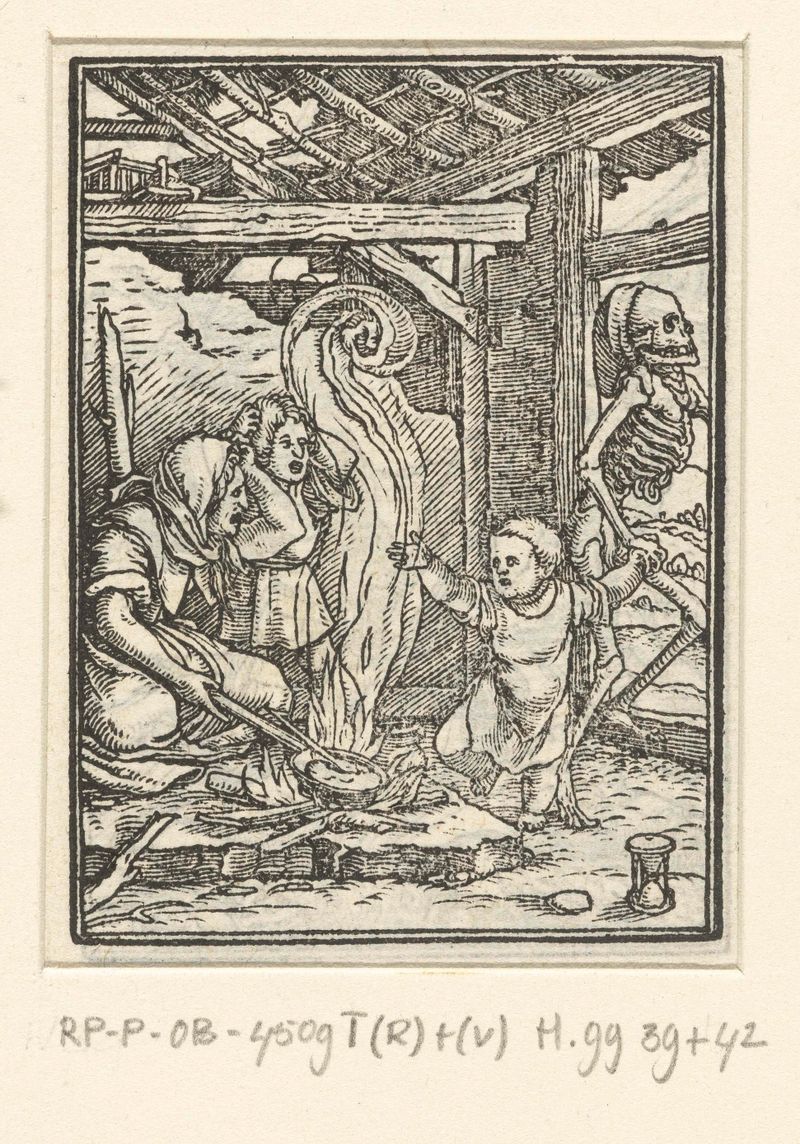
Kind en de Dood
Hans Holbein (II)
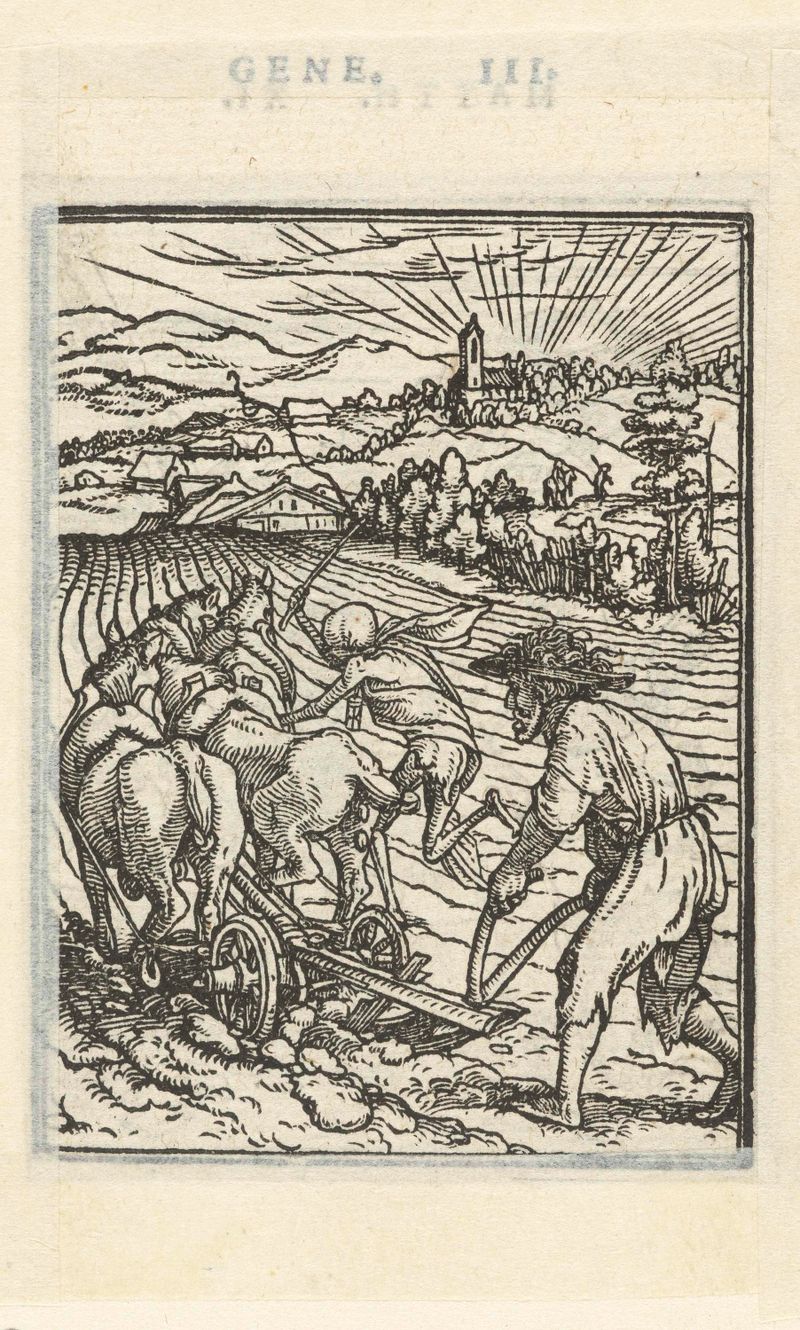
Boer en de Dood
Hans Holbein (II)
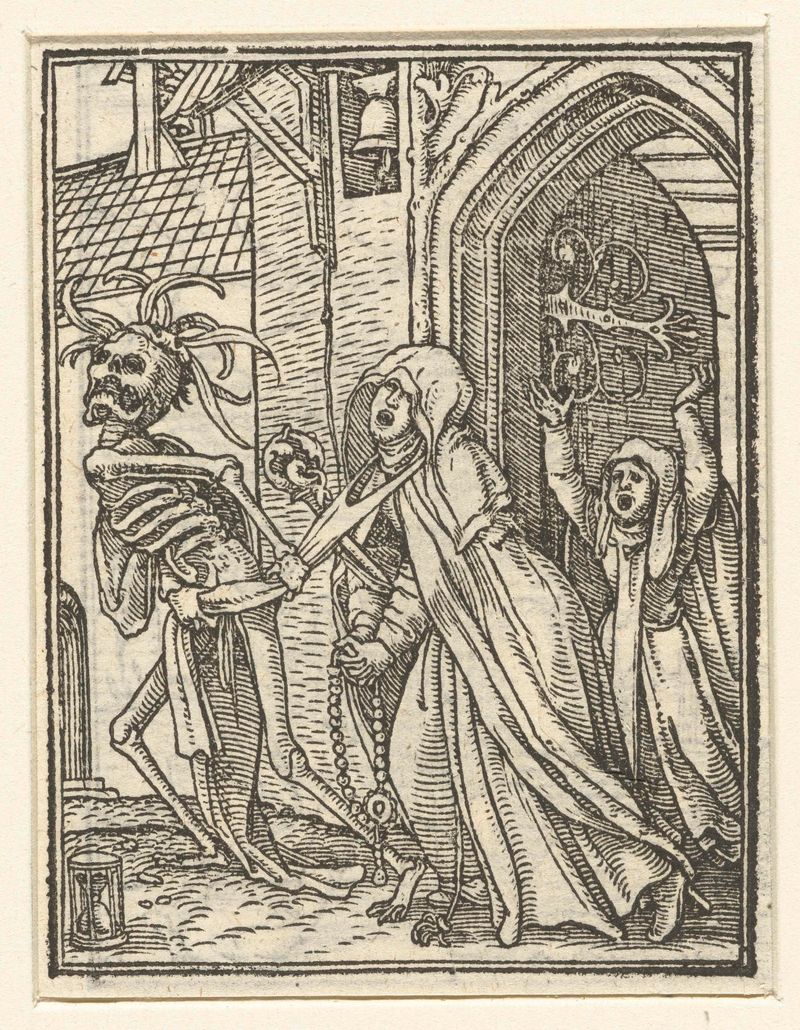
Abdis en de Dood
Hans Holbein (II)
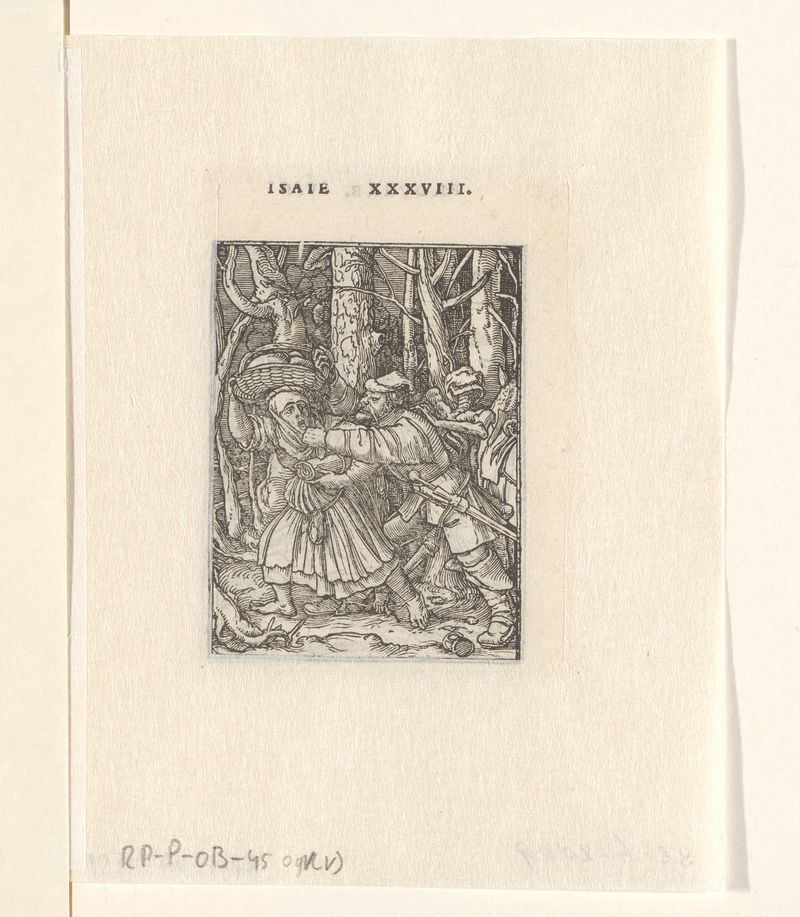
Dief en de Dood
Hans Holbein (II)
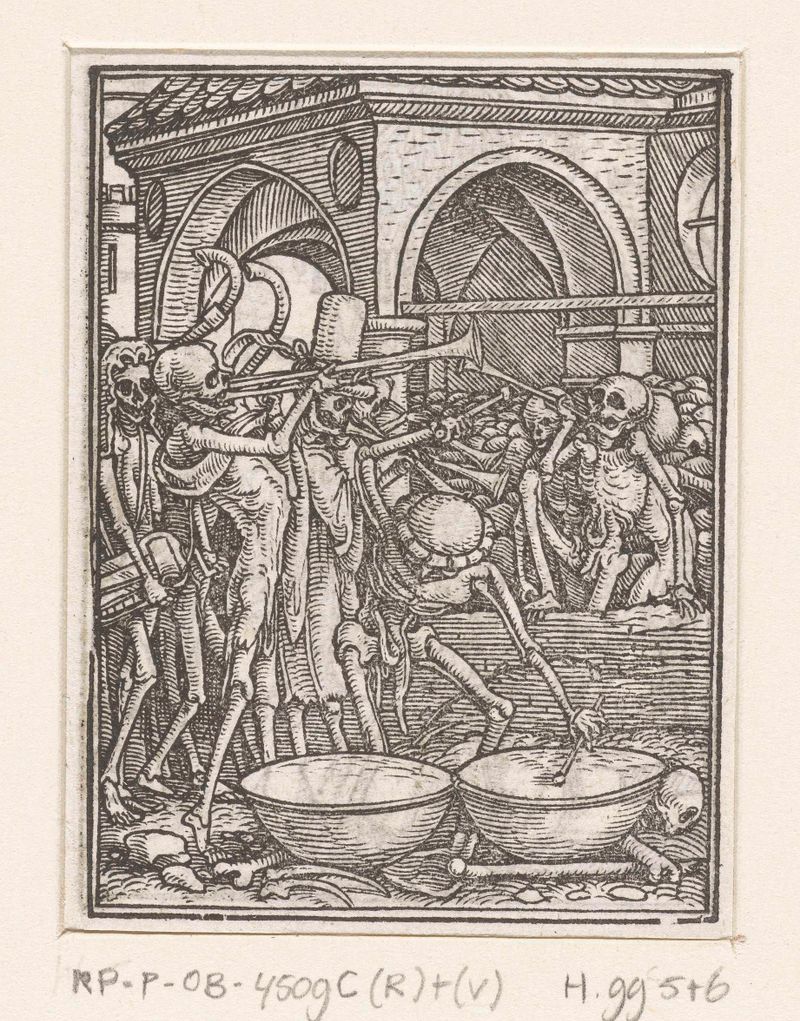
Skeletons Making Music from Dance of the Dead
Hans Holbein (II)
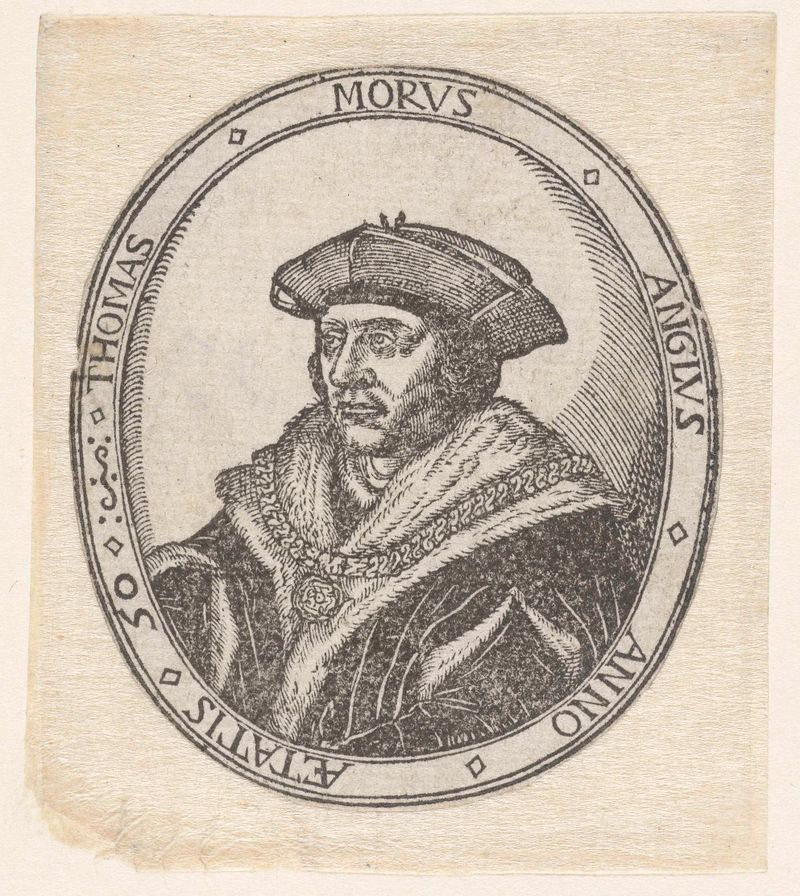
Portret van Thomas More
Hans Holbein (II)
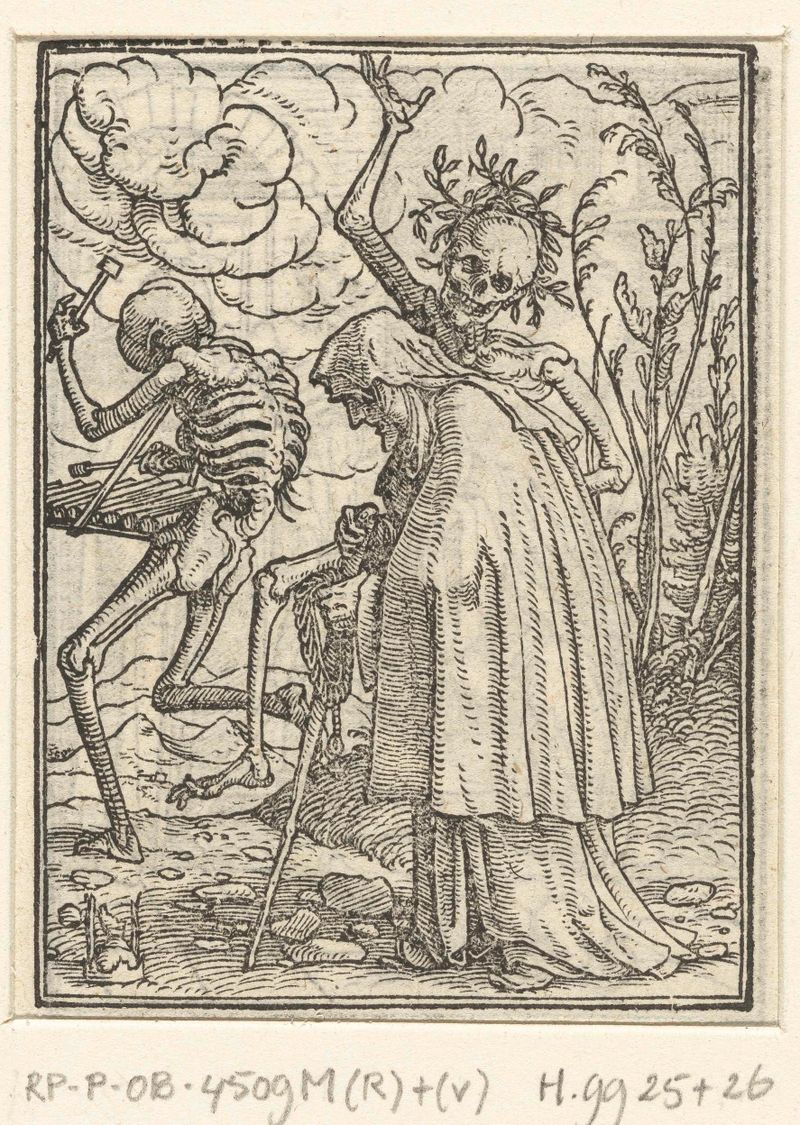
Oude vrouw en de Dood
Hans Holbein (II)
More Illustration Art
Browse all →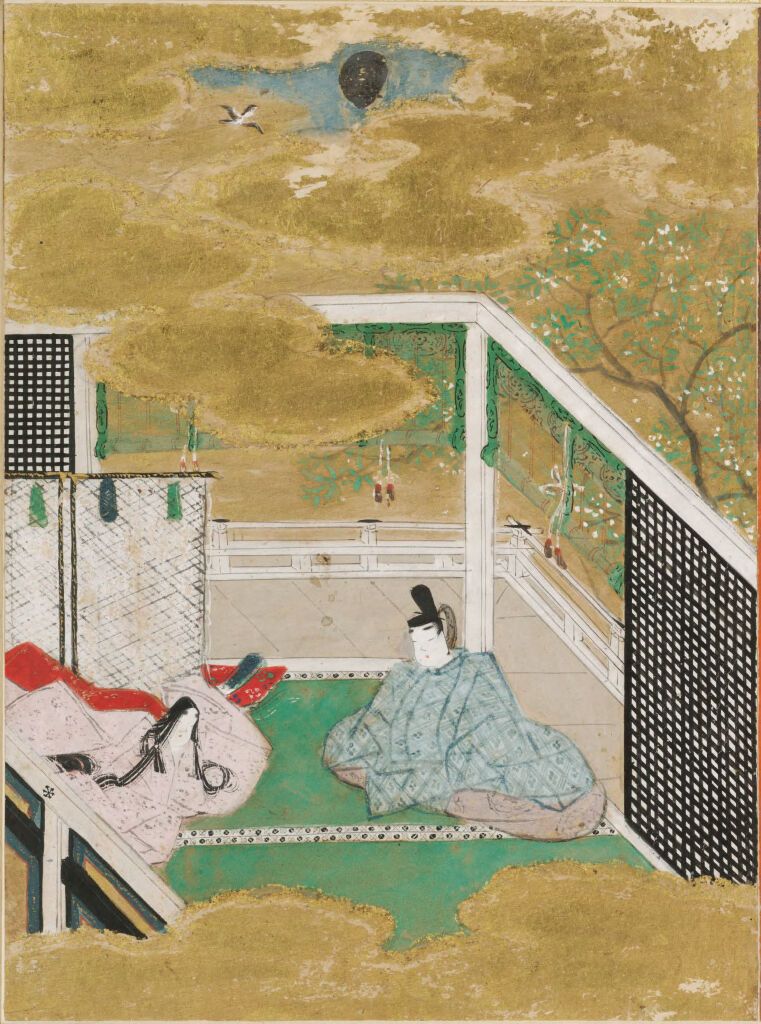
Falling Flowers (Hanachirusato), Illustration to Chapter 11 of the Tale of Genji (Genji monogatari)
Tosa Mitsunobu
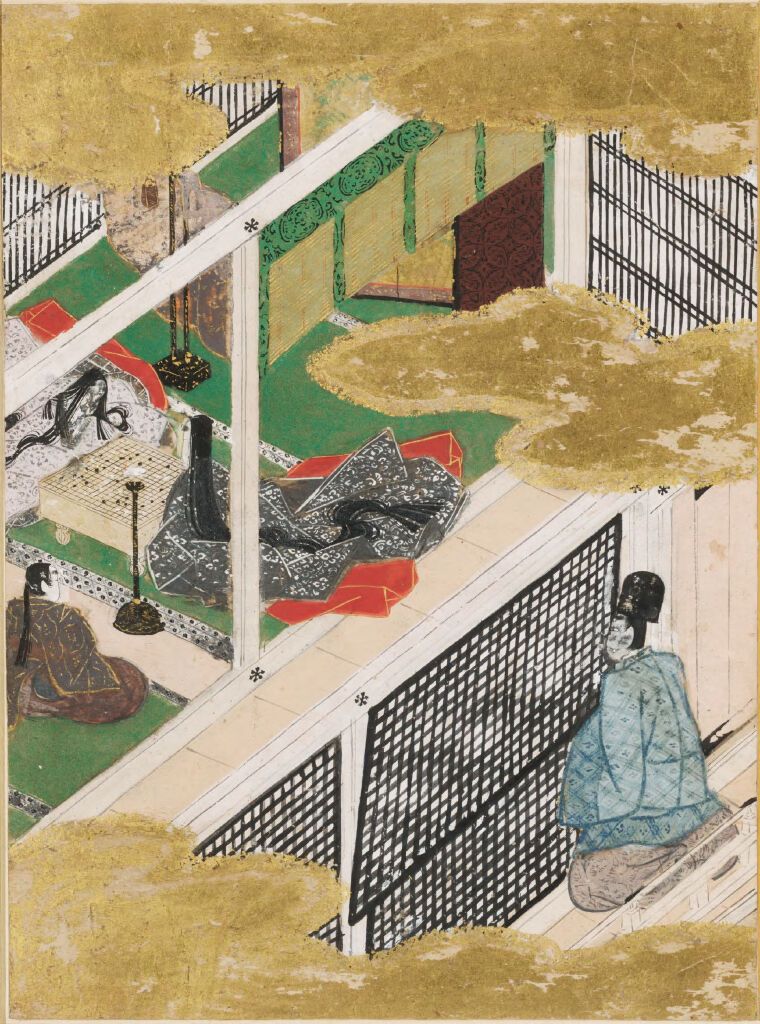
The Cicada Shell (Utsusemi), Illustration to Chapter 3 of the Tale of Genji (Genji monogatari)
Tosa Mitsunobu
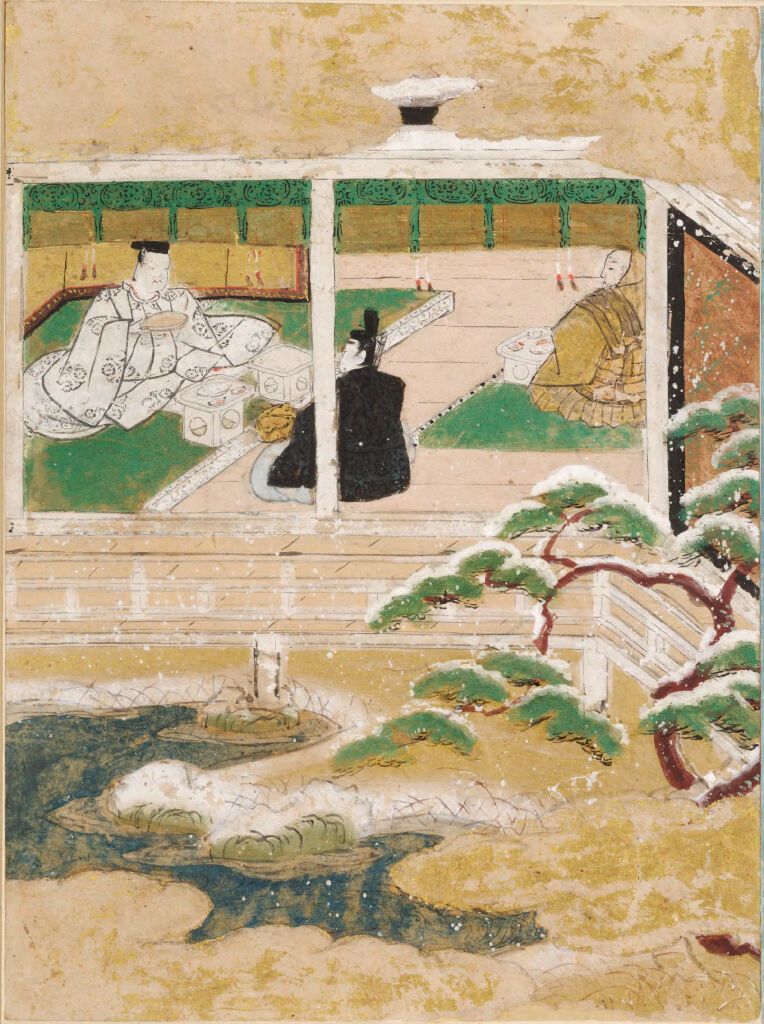
The Seer (Maboroshi), Illustration to Chapter 41 of the Tale of Genji (Genji monogatari)
Tosa Mitsunobu
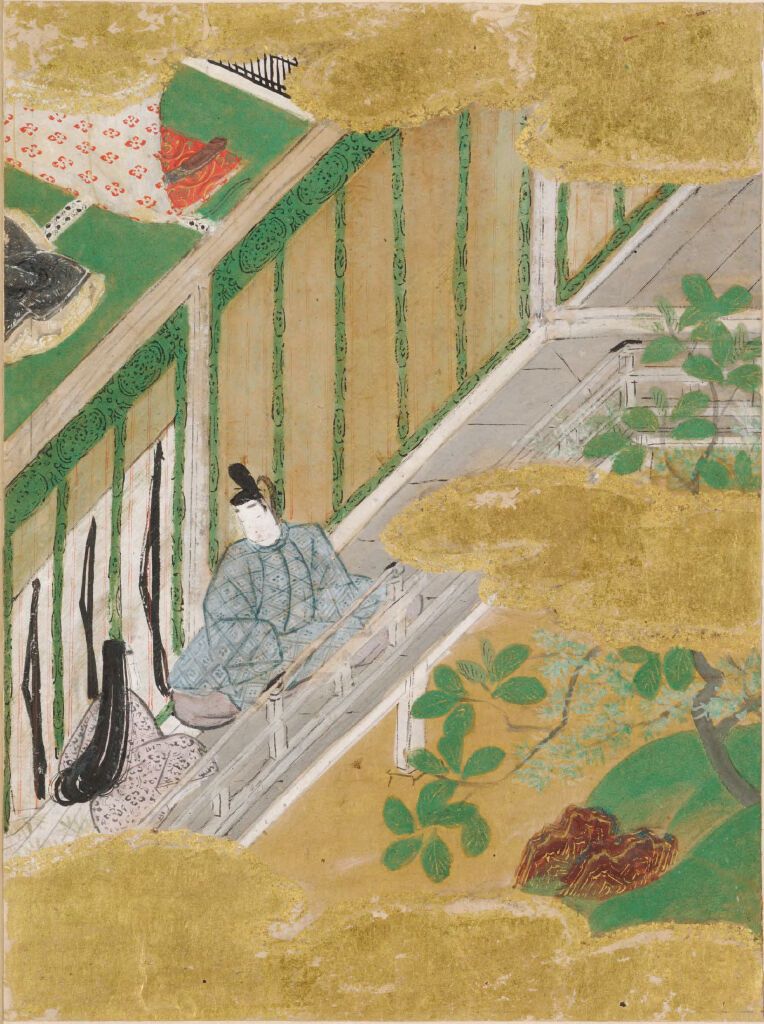
The Oak Tree (Kashiwagi), Illustration to Chapter 36 of the Tale of Genji (Genji monogatari)
Tosa Mitsunobu
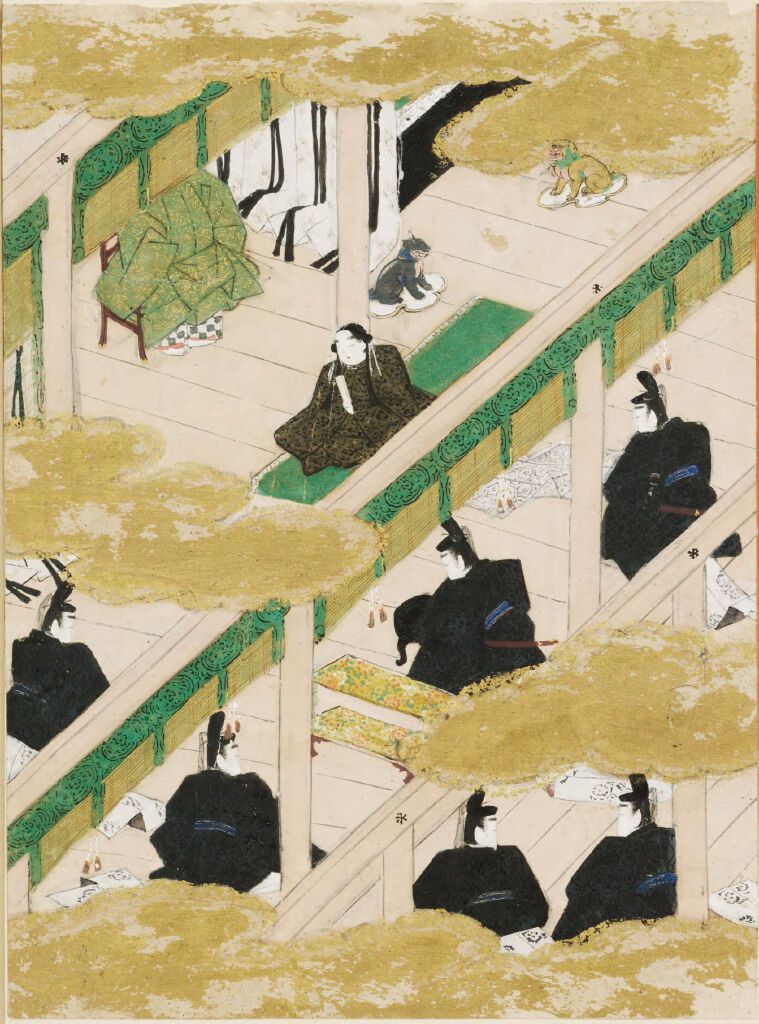
The Paulownia Pavilion (Kiritsubo), Illustration to Chapter 1 of the Tale of Genji (Genji monogatari)
Tosa Mitsunobu
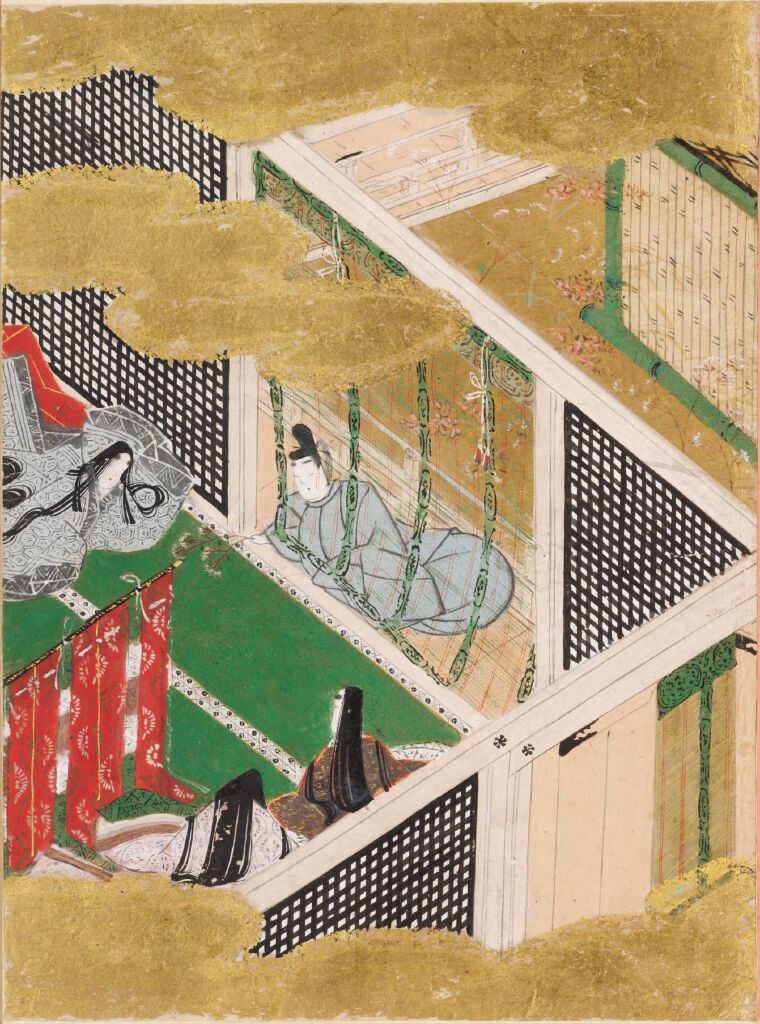
Thoroughwort Flowers (Fujibakama), Illustration to Chapter 30 of the Tale of Genji (Genji monogatari)
Tosa Mitsunobu