
Letter Q met kind hangend aan stok gedragen door twee kinderen — History & Facts
In a moment suspended between simplicity and elegance, light dances upon the canvas, transforming the ordinary into the extraordinary. This interplay of brightness and shadow speaks to the essence of human experience, inviting viewers to confront their innermost reflections. Focus on the glowing letter Q, enveloped in a soft halo of light, commanding your attention at the center of the composition. The two children, depicted with delicate precision, cradle the letter as if it were a sacred treasure.
Notice the way their expressions mingle innocence with a hint of mischief, while their gentle stances create a palpable sense of connection. Holbein’s meticulous attention to detail—evident in the texture of their garments and the playful curls of hair—reveals a vibrant world alive with narrative potential. Beneath the surface, the artwork explores themes of childhood, identity, and the pursuit of knowledge. The letter becomes a symbol of the journey toward understanding, while the children embody curiosity and joy.
Their seemingly playful gesture contrasts with the weight of the letter they carry, suggesting that the quest for meaning is both lighthearted and profound. The light further amplifies these dynamics, illuminating the duality of innocence and awareness in their expressions. Created between 1522 and 1526, this piece reflects Holbein’s mastery during a time of profound change in Europe. Working in the bustling city of Basel, he navigated the transition from medieval traditions to the Renaissance’s embrace of humanism and realism.
As he explored new techniques and ideas, this work embodies the spirit of discovery that defined not only his life but also the broader cultural landscape of the period.
More Artworks by Hans Holbein (II)
Browse all →
Portret van Erasmus
Hans Holbein (II)
Priester en de Dood
Hans Holbein (II)
Rechter en de Dood
Hans Holbein (II)
Kind en de Dood
Hans Holbein (II)
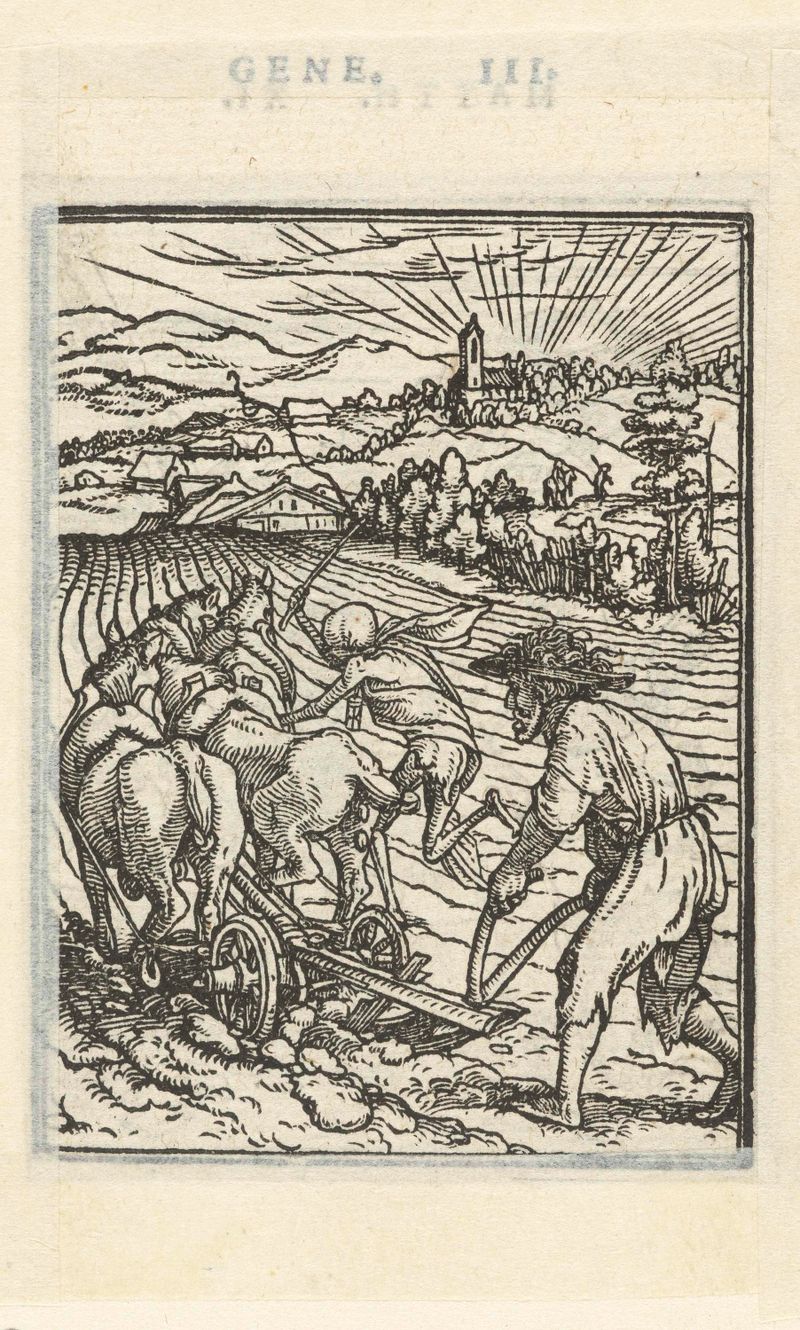
Boer en de Dood
Hans Holbein (II)
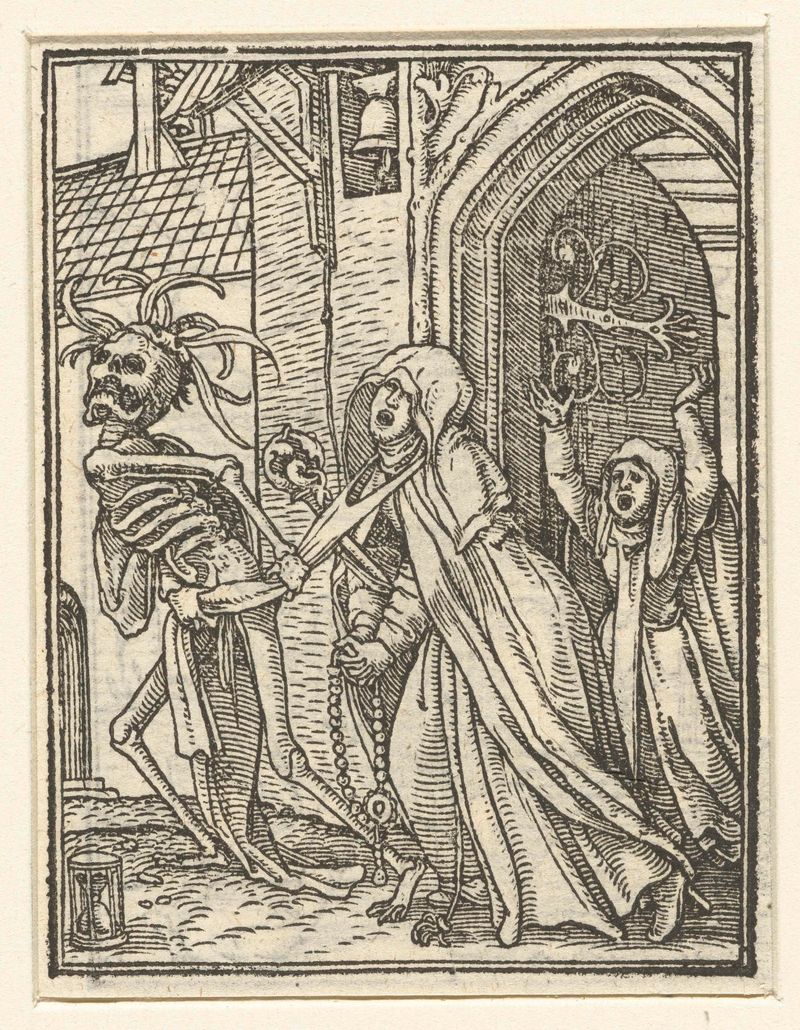
Abdis en de Dood
Hans Holbein (II)
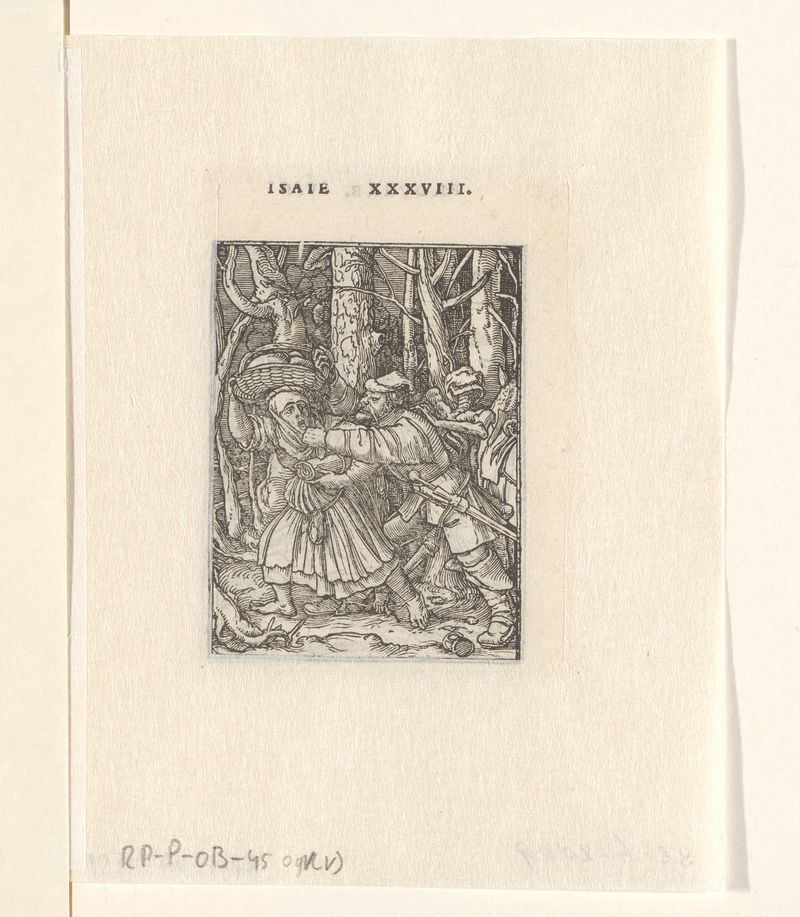
Dief en de Dood
Hans Holbein (II)
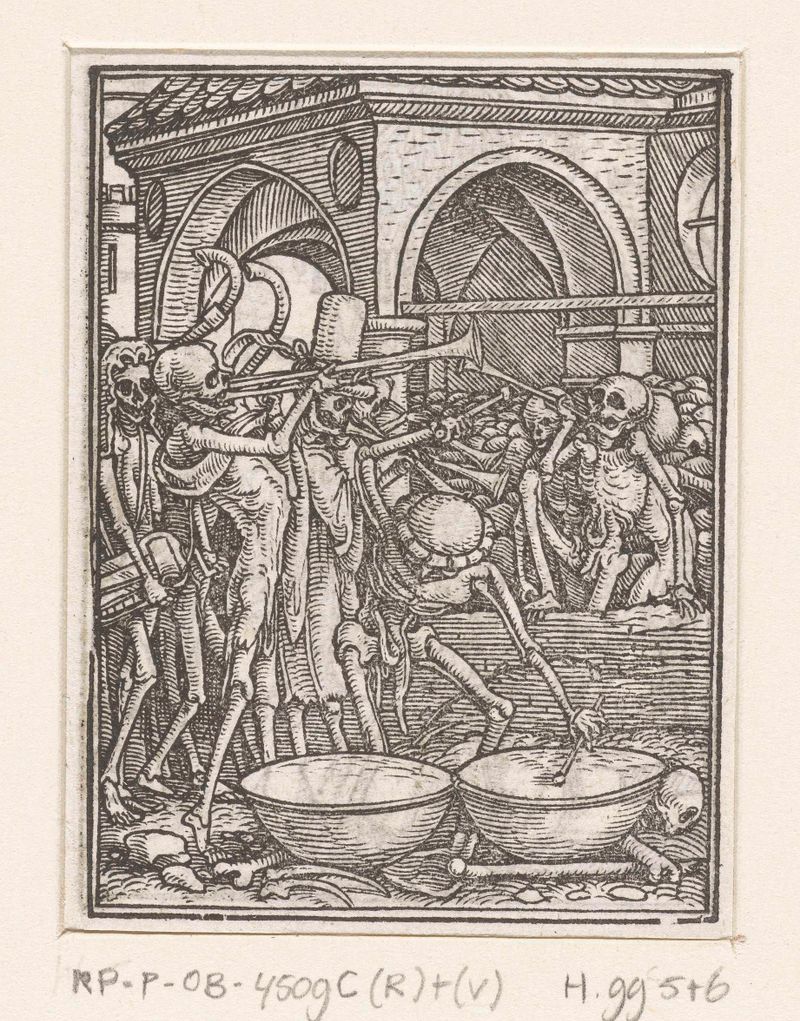
Skeletons Making Music from Dance of the Dead
Hans Holbein (II)
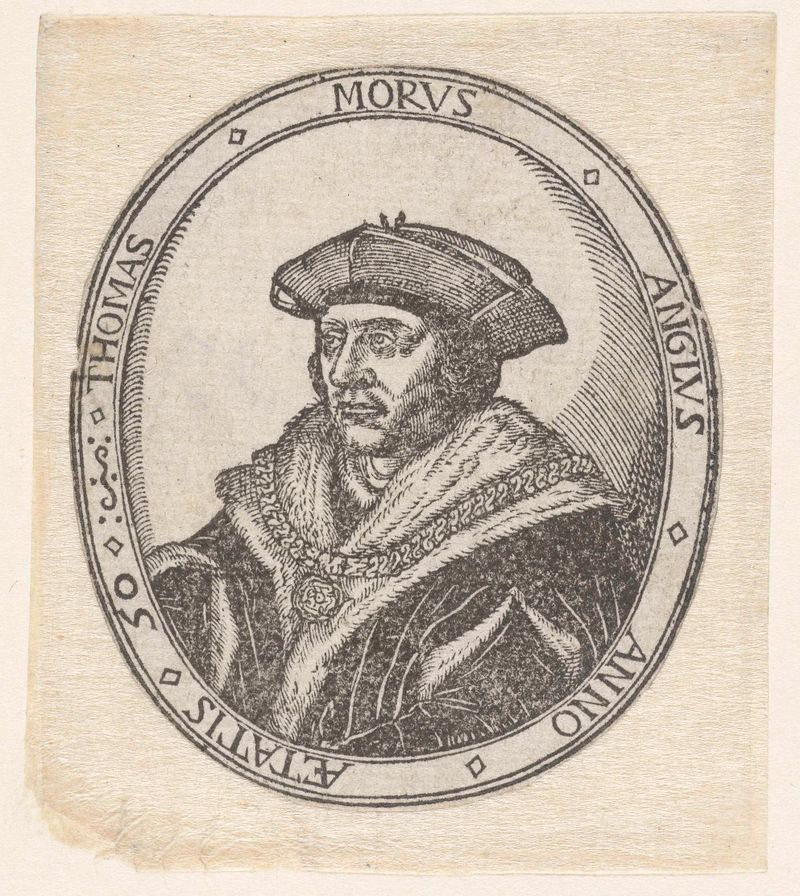
Portret van Thomas More
Hans Holbein (II)
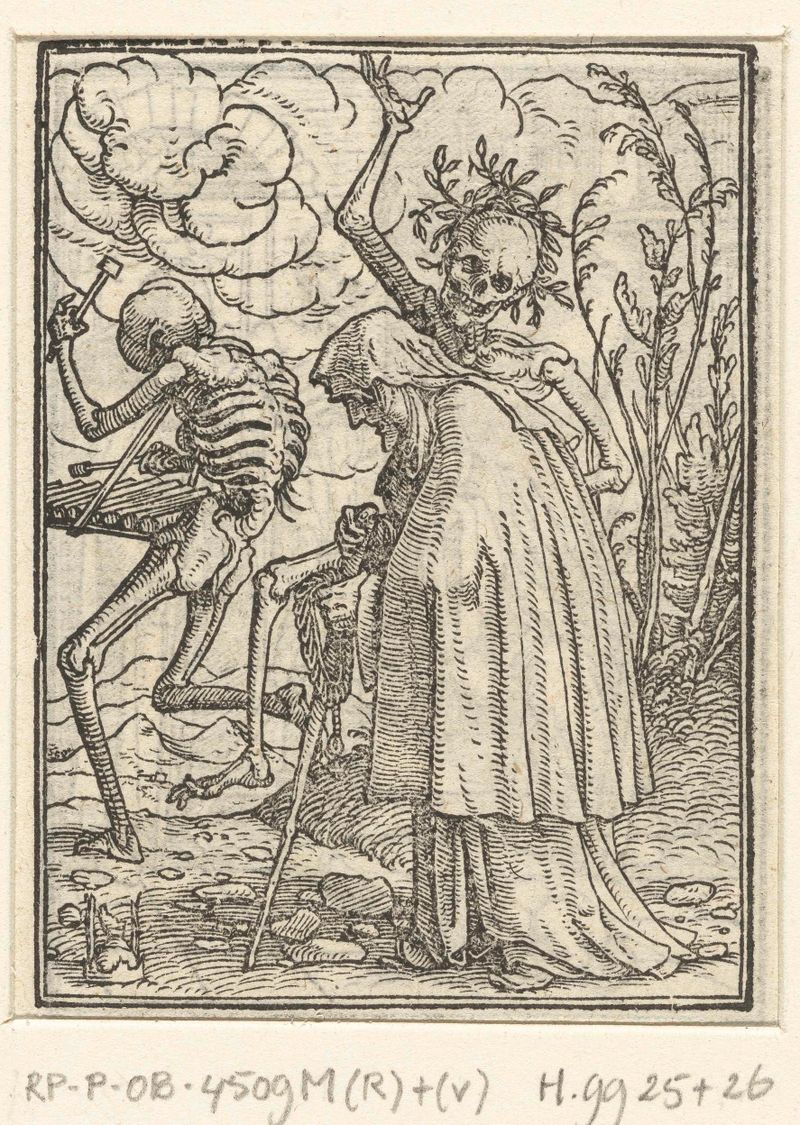
Oude vrouw en de Dood
Hans Holbein (II)
More Illustration Art
Browse all →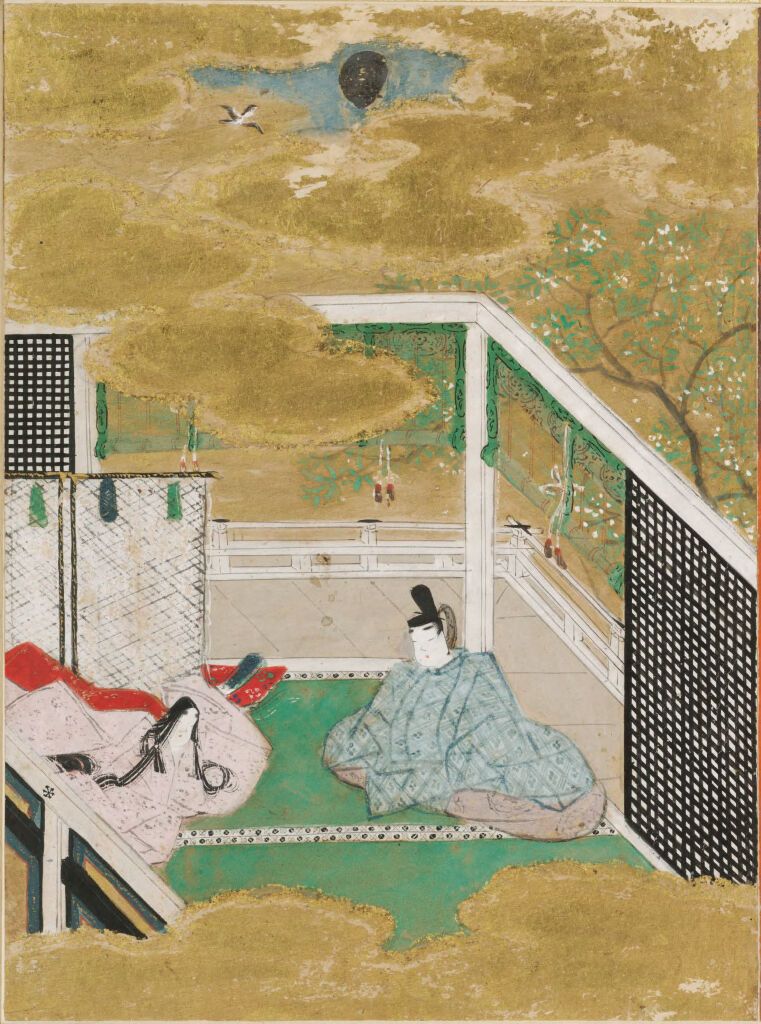
Falling Flowers (Hanachirusato), Illustration to Chapter 11 of the Tale of Genji (Genji monogatari)
Tosa Mitsunobu
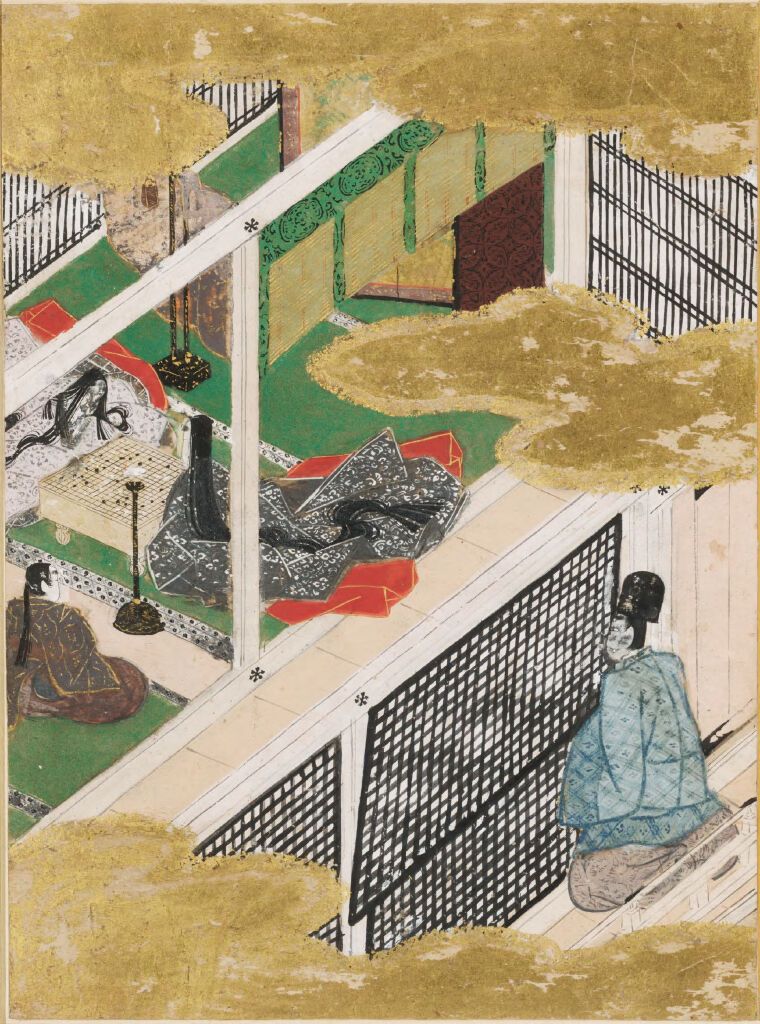
The Cicada Shell (Utsusemi), Illustration to Chapter 3 of the Tale of Genji (Genji monogatari)
Tosa Mitsunobu
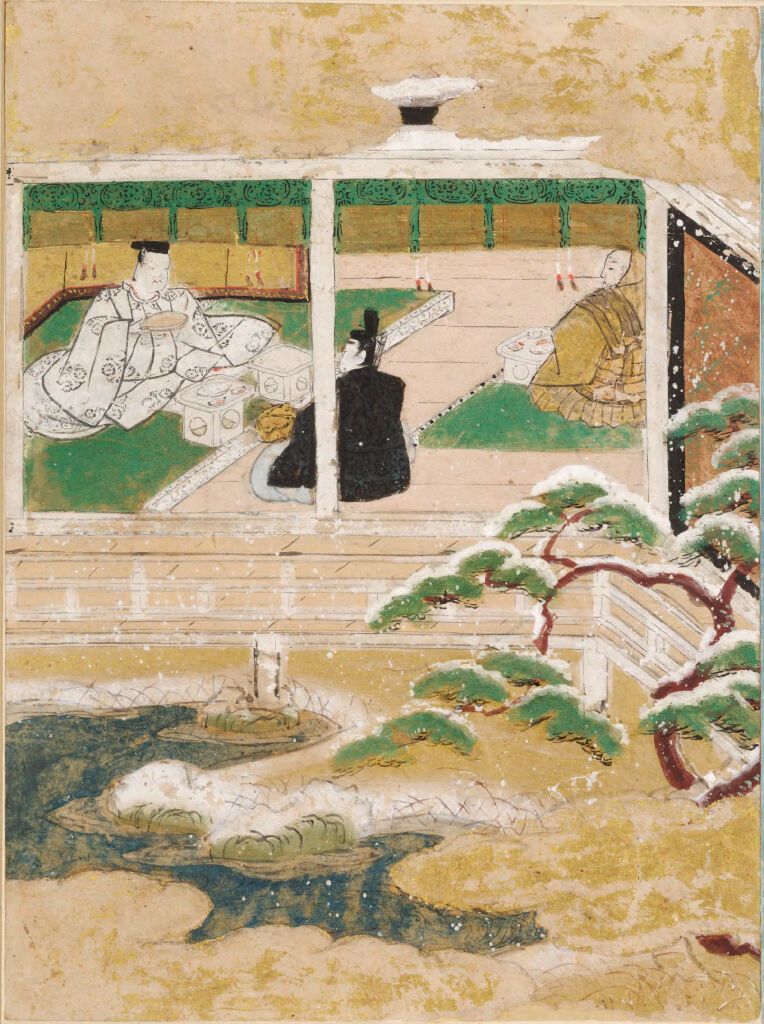
The Seer (Maboroshi), Illustration to Chapter 41 of the Tale of Genji (Genji monogatari)
Tosa Mitsunobu
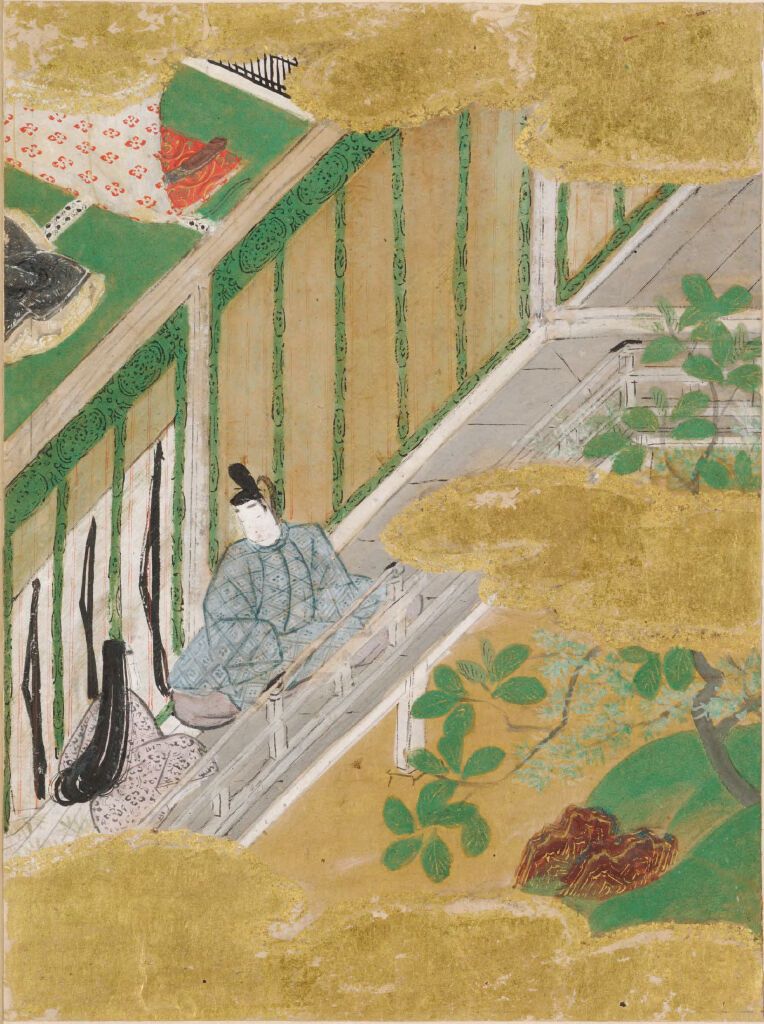
The Oak Tree (Kashiwagi), Illustration to Chapter 36 of the Tale of Genji (Genji monogatari)
Tosa Mitsunobu
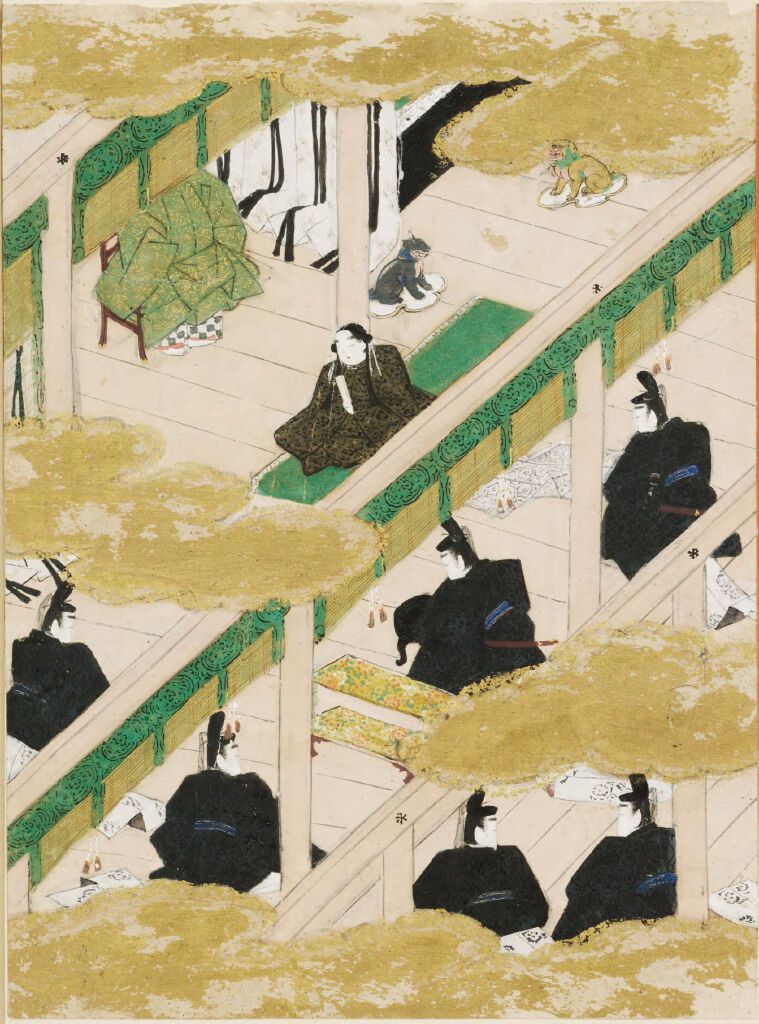
The Paulownia Pavilion (Kiritsubo), Illustration to Chapter 1 of the Tale of Genji (Genji monogatari)
Tosa Mitsunobu
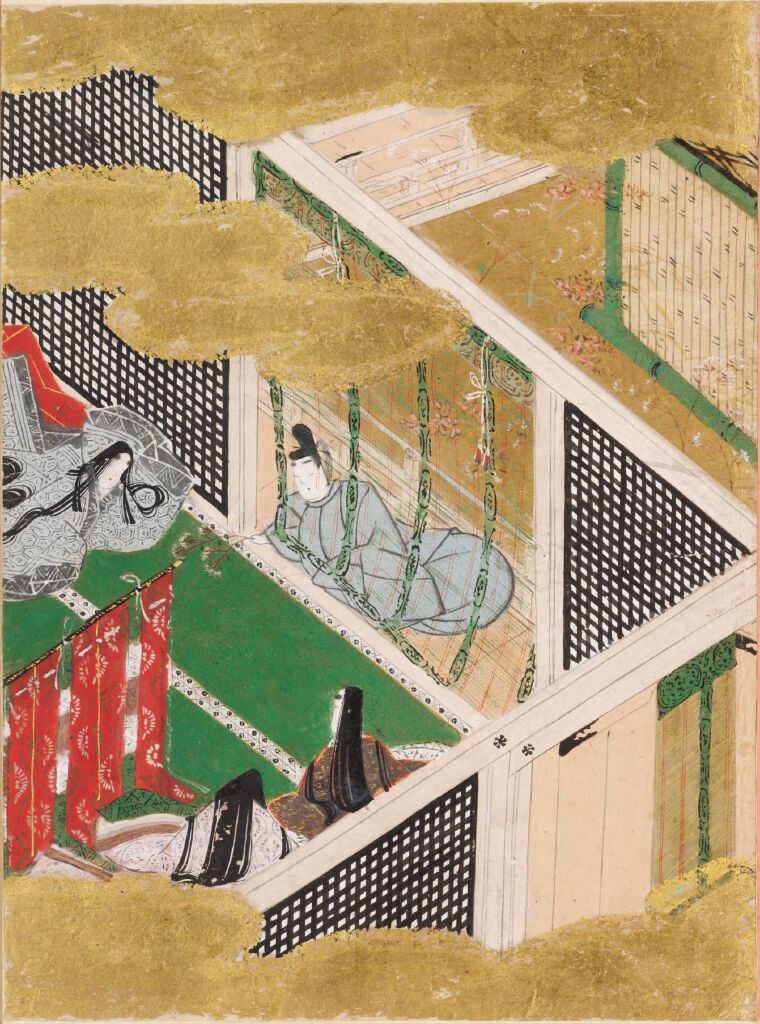
Thoroughwort Flowers (Fujibakama), Illustration to Chapter 30 of the Tale of Genji (Genji monogatari)
Tosa Mitsunobu