
Letter S met kind spelend op trommel en kind blazend op fluit — History & Facts
In the stillness of creation, moments vibrate with potential, echoing the innocence of youth and untainted joy. This interplay of sound and sight captures a rare glimpse into the heart of artistic expression. To absorb the essence of this work, look to the left where a child plays a flute, their cheeks puffed with delight. The delicate brushstrokes breathe life into their features, each curve of the face telling stories of laughter and imagination.
The vibrant colors create a harmonious balance, with warm tones enveloping the playful scene, inviting the viewer to feel the rhythm of the moment. Notice how the gentle strokes of the drum resonate with the spirit of the child on the right, who strikes it with abandon, embodying the essence of play. Delve deeper, and you will uncover a world of contrasts. The exuberance of youth stands in stark relief against the sober backdrop of Holbein's detailed rendering of clothing and surroundings, reminding us of the fleeting nature of childhood.
The juxtaposition of the children's carefree spirit with the meticulous execution of the elements highlights the delicate balance between joy and the inevitable passage of time. Each instrument serves as a metaphor for creativity, hinting at the power of art to capture ephemeral moments before they slip away into memory. In the years 1522 to 1524, the artist was immersed in a transformative period. Having settled in Basel, he was deeply influenced by the rising humanist movement, which sought to explore the complexities of individual experience.
This phase was marked by innovation in portraiture and a growing appreciation for the interplay of life and art, laying the groundwork for what would become a profound legacy within the Northern Renaissance.
More Artworks by Hans Holbein (II)
Browse all →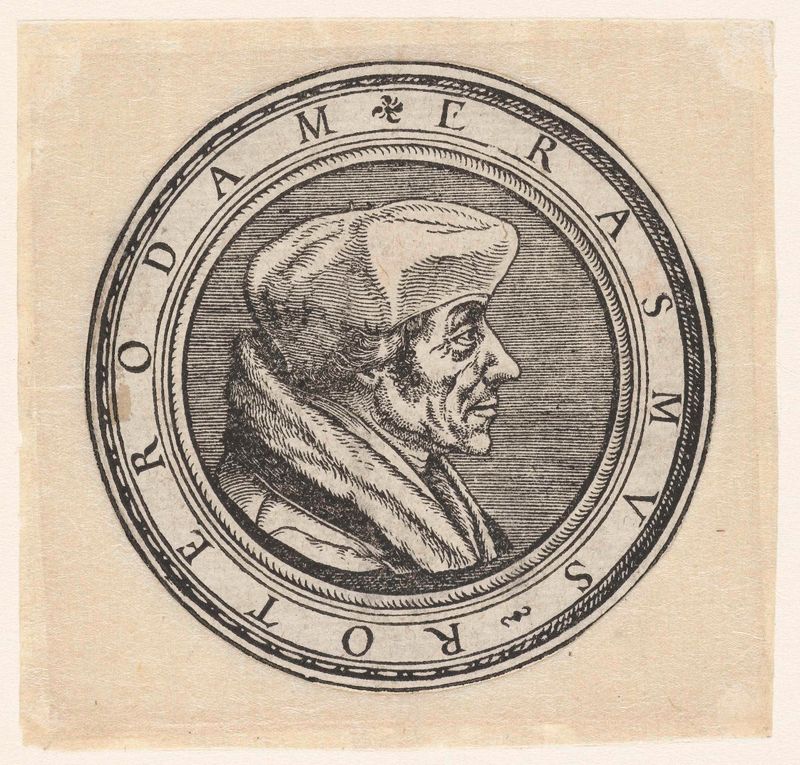
Portret van Erasmus
Hans Holbein (II)
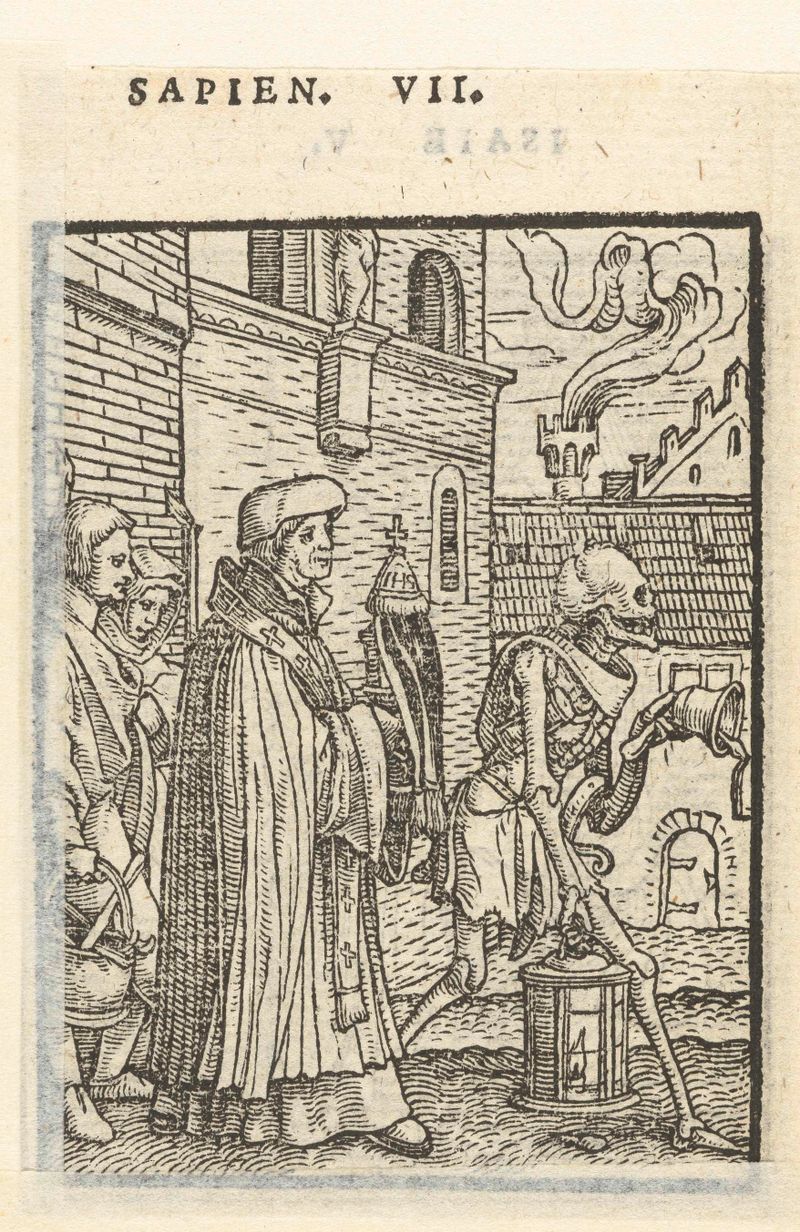
Priester en de Dood
Hans Holbein (II)
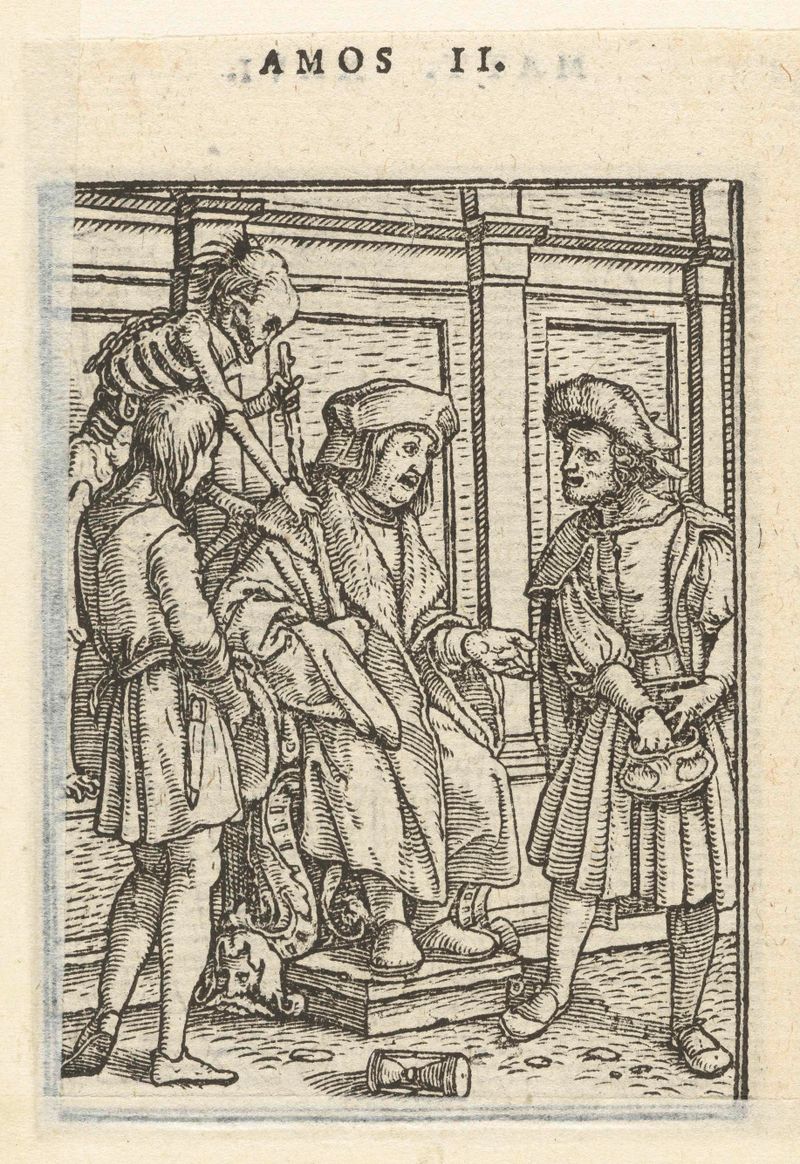
Rechter en de Dood
Hans Holbein (II)
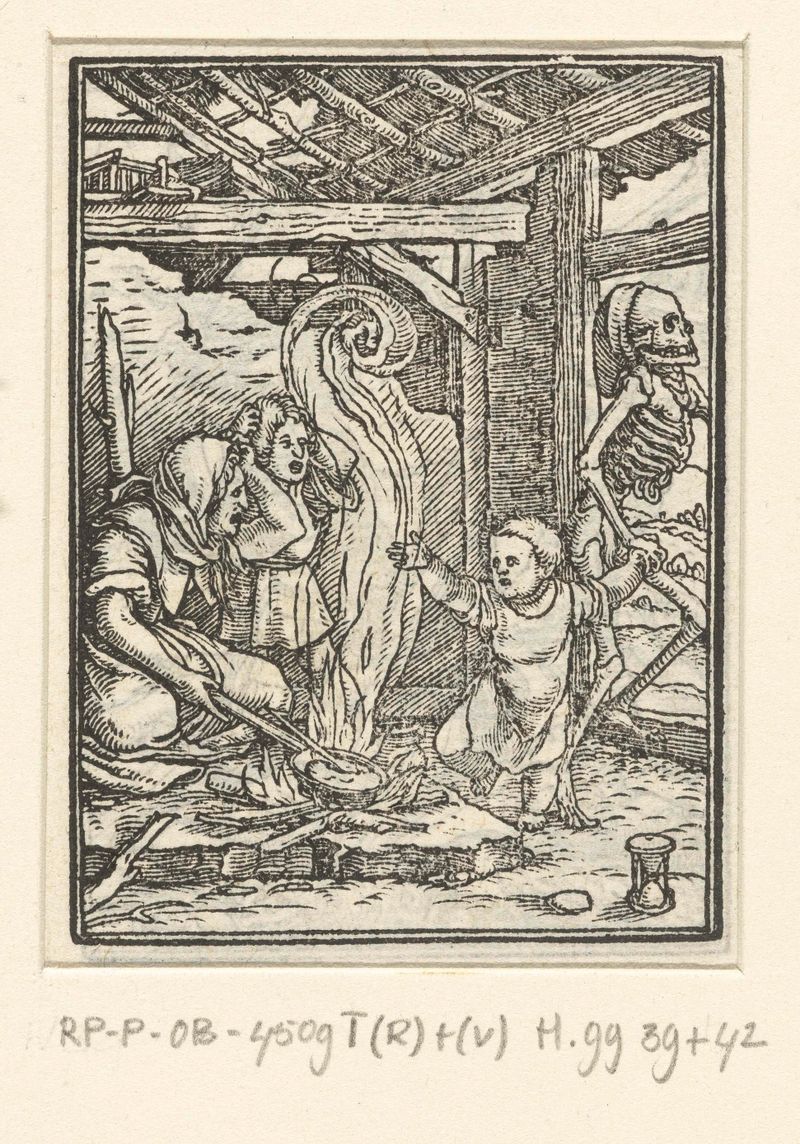
Kind en de Dood
Hans Holbein (II)
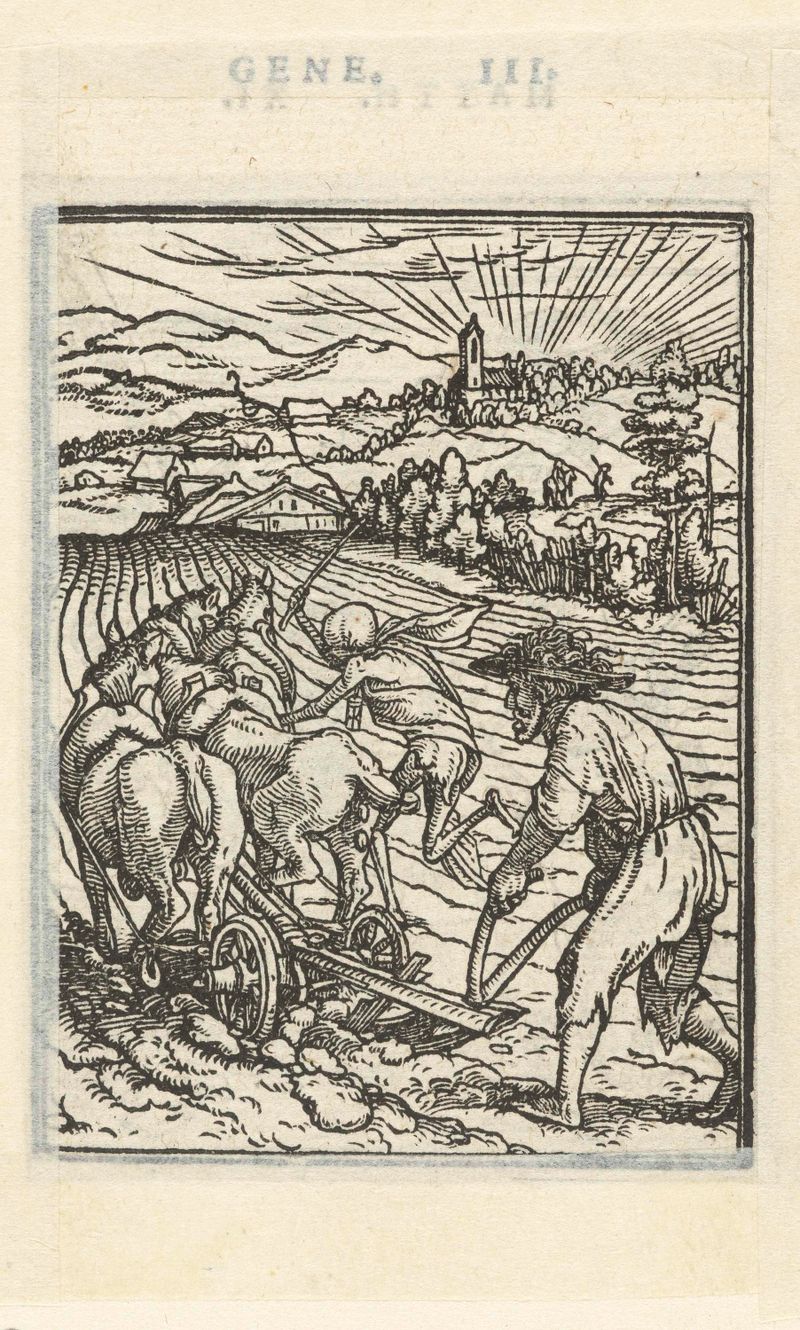
Boer en de Dood
Hans Holbein (II)
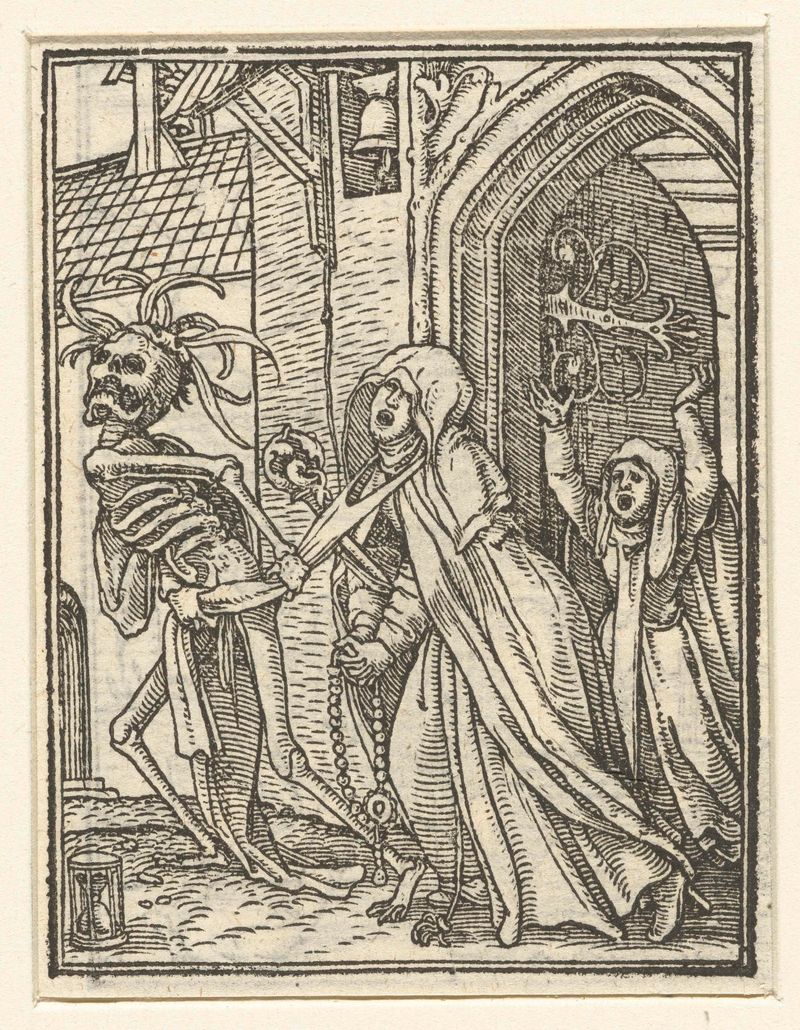
Abdis en de Dood
Hans Holbein (II)
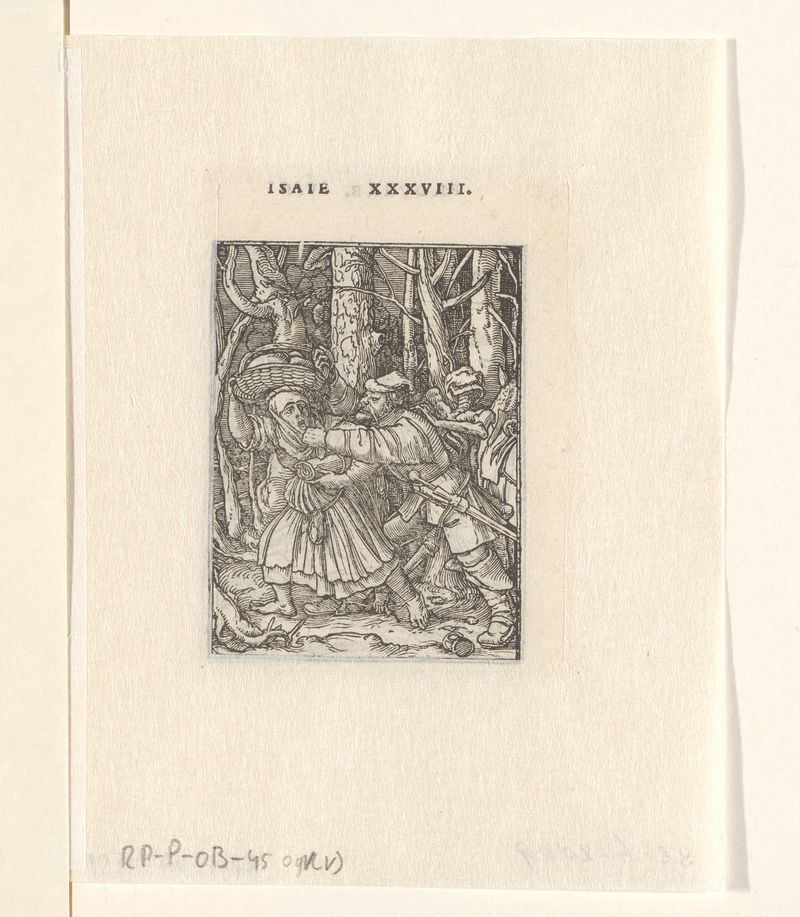
Dief en de Dood
Hans Holbein (II)
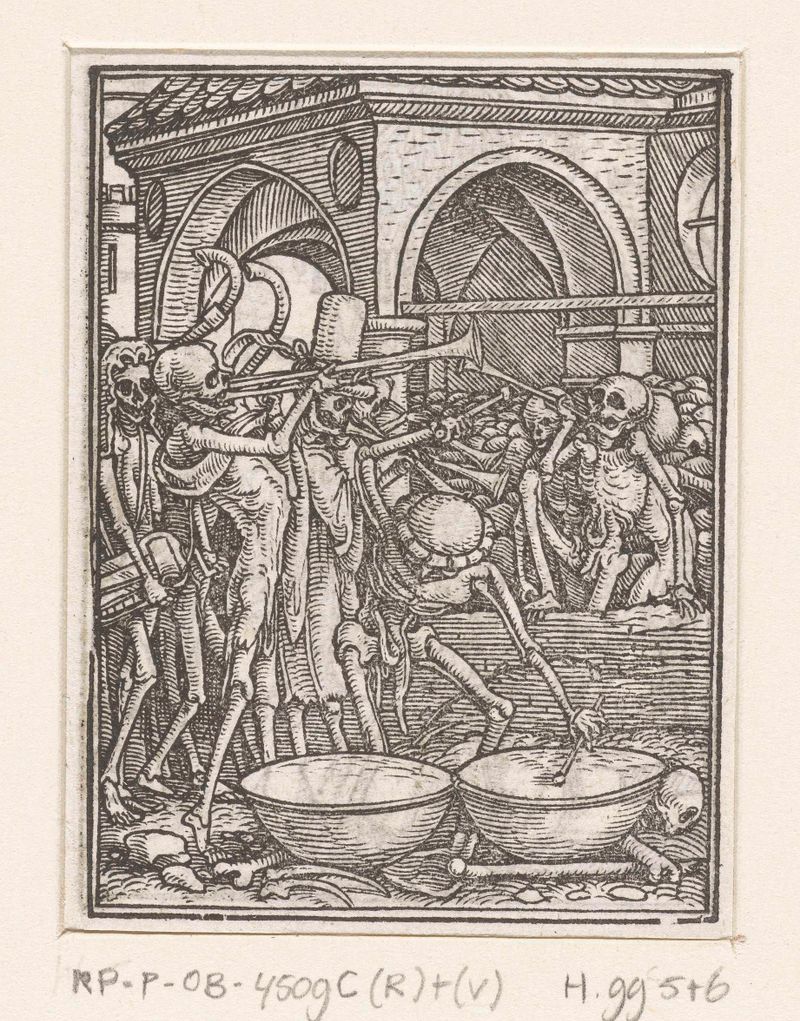
Skeletons Making Music from Dance of the Dead
Hans Holbein (II)
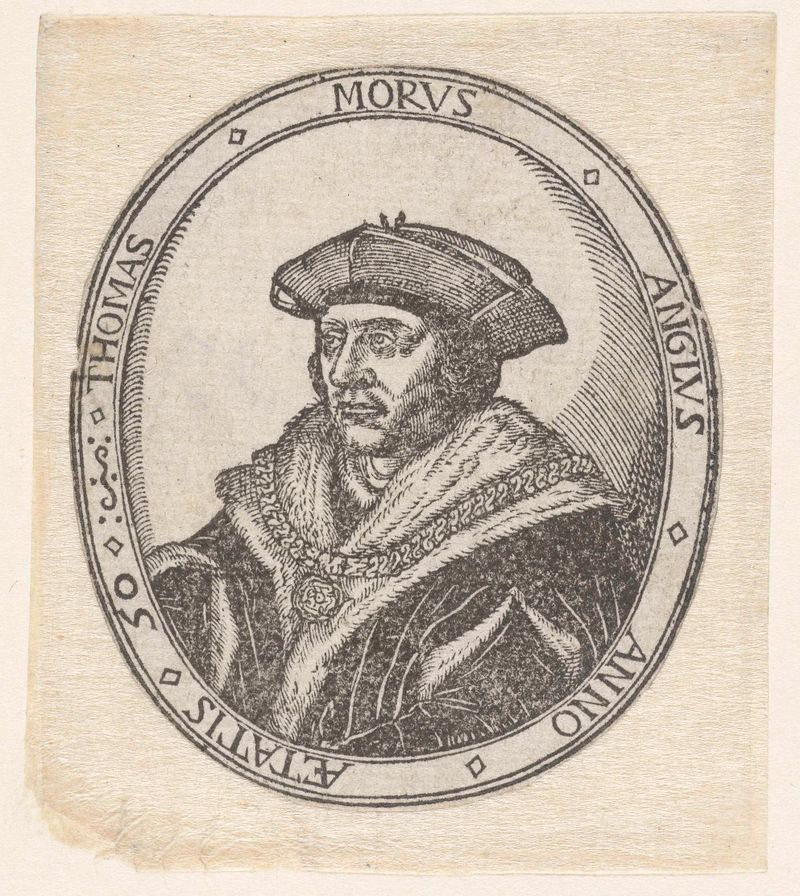
Portret van Thomas More
Hans Holbein (II)
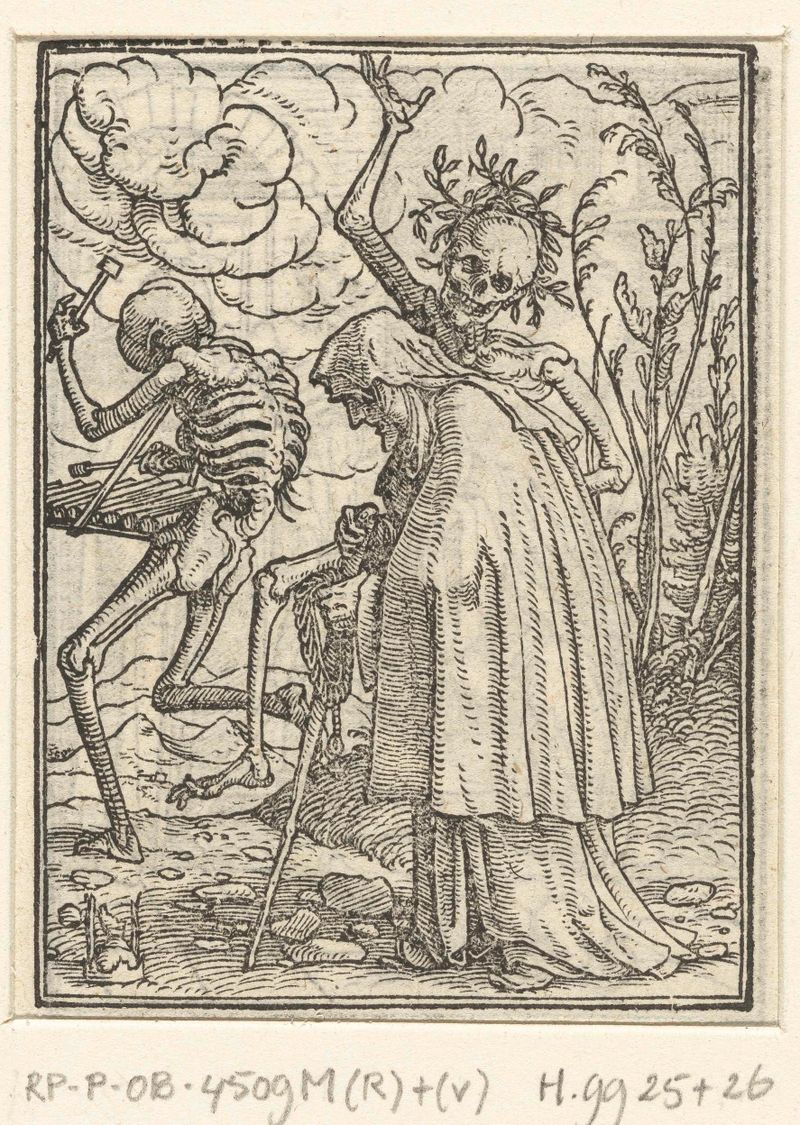
Oude vrouw en de Dood
Hans Holbein (II)





