
Lieutenant Colonel George Allan of the 16th Hussars, ‘The Hussar’ — History & Facts
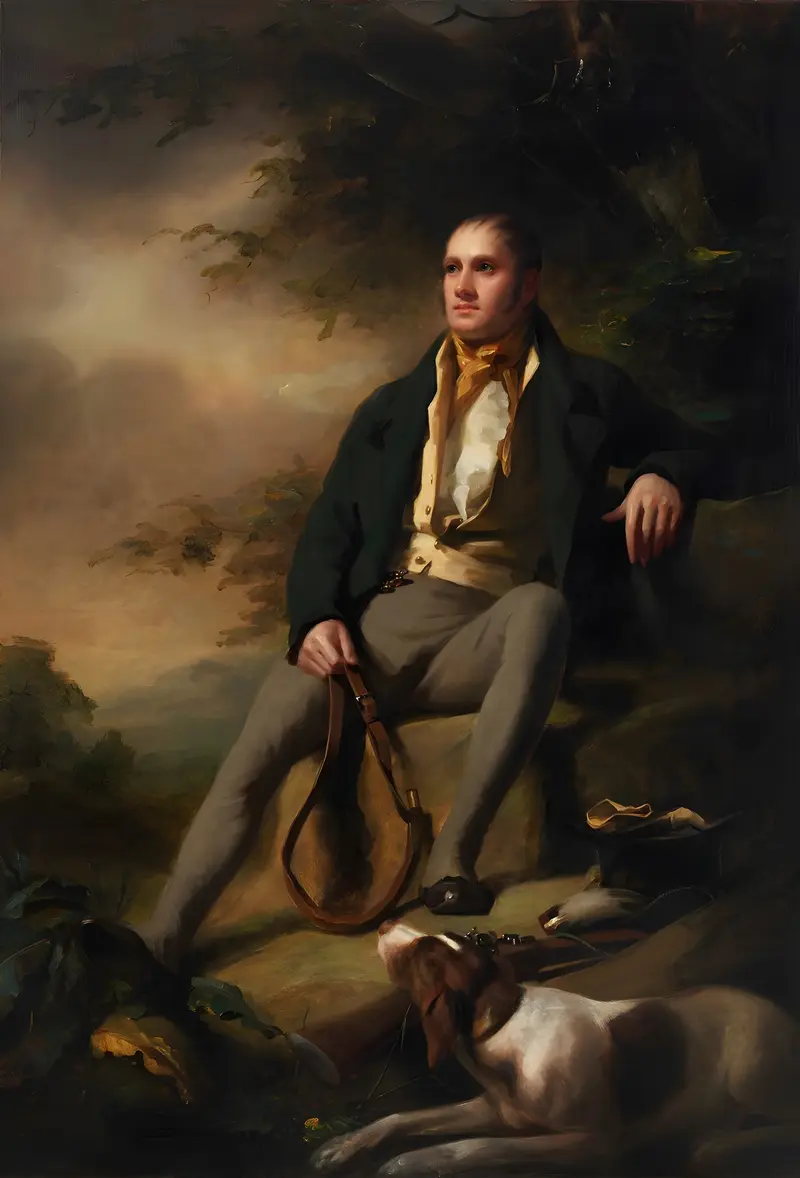
No other portrait by Sir Henry Raeburn is so closely associated with the dashing world of British cavalry as Lieutenant Colonel George Allan of the 16th Hussars, ‘The Hussar’. The sitter, George Allan, was a celebrated officer in the 16th (The Queen’s) Regiment of (Light) Dragoons (Hussars), a unit renowned for its exploits during the Napoleonic Wars. The painting’s fame rests partly on the sitter’s identity: Allan was a veteran of the Peninsular campaigns, and his likeness became a symbol of British martial flair.
The portrait is sometimes referred to simply as The Hussar, a testament to its role in shaping the popular image of the British cavalryman. Raeburn captures Allan at a moment of poised alertness, his gaze direct and his posture upright, dressed in the elaborate uniform of the Hussars: braided jacket, pelisse slung over one shoulder, and the characteristic fur busby. The artist’s brushwork brings out the contrast between the sheen of silver lace and the deep blue of the tunic, while the sitter’s gloved hand rests lightly on the hilt of his sabre—a gesture that signals both readiness and restraint. The light falls across Allan’s face, highlighting his youth and determination, while the shadowed background focuses all attention on his figure.
Unlike the more theatrical equestrian portraits of George Stubbs or the grand military canvases of Sir Thomas Lawrence, Raeburn’s approach is intimate, emphasizing character over spectacle. The exact date and circumstances of the commission are not recorded, but the portrait likely dates from the early 19th century, when Raeburn was at the height of his career in Edinburgh. It is not clear whether the painting was commissioned by Allan himself, his family, or the regiment, but its style and format suggest a private commission rather than a public display. Over time, The Hussar has remained in private hands, surfacing occasionally in exhibition catalogues and scholarly discussions of Raeburn’s military sitters.
Today, it stands as a vivid example of Raeburn’s ability to combine psychological insight with the pageantry of military portraiture, and as a rare glimpse into the world of the British cavalry officer at the dawn of the 19th century.
More Artworks by Sir Henry Raeburn

Portrait of Hugh Hope
Sir Henry Raeburn
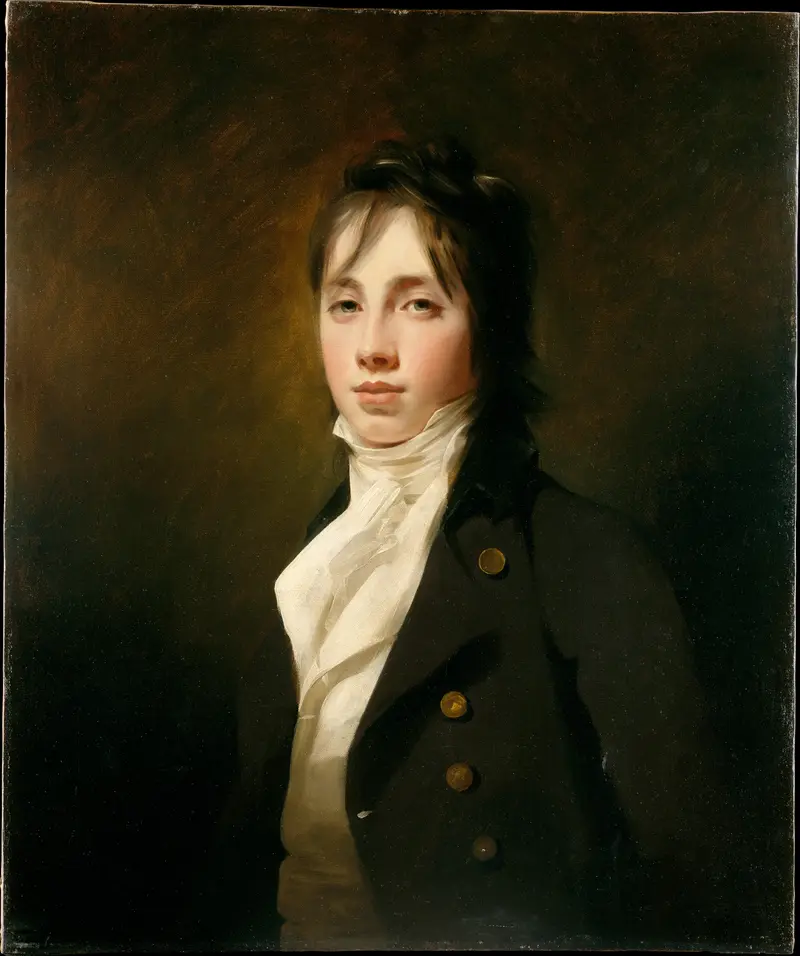
William Fraser of Reelig (1784–1835)
Sir Henry Raeburn
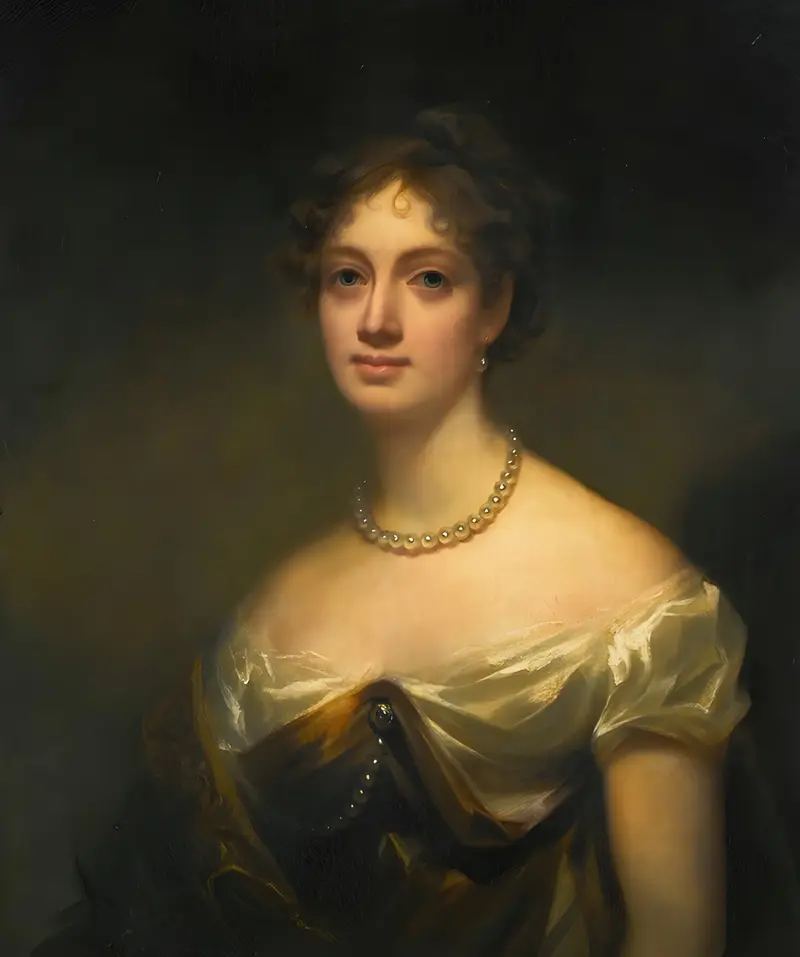
Portrait Of Anne Blair Maconochie Welwood Of Garvock, Lady Meadowbank (1784–1866)
Sir Henry Raeburn
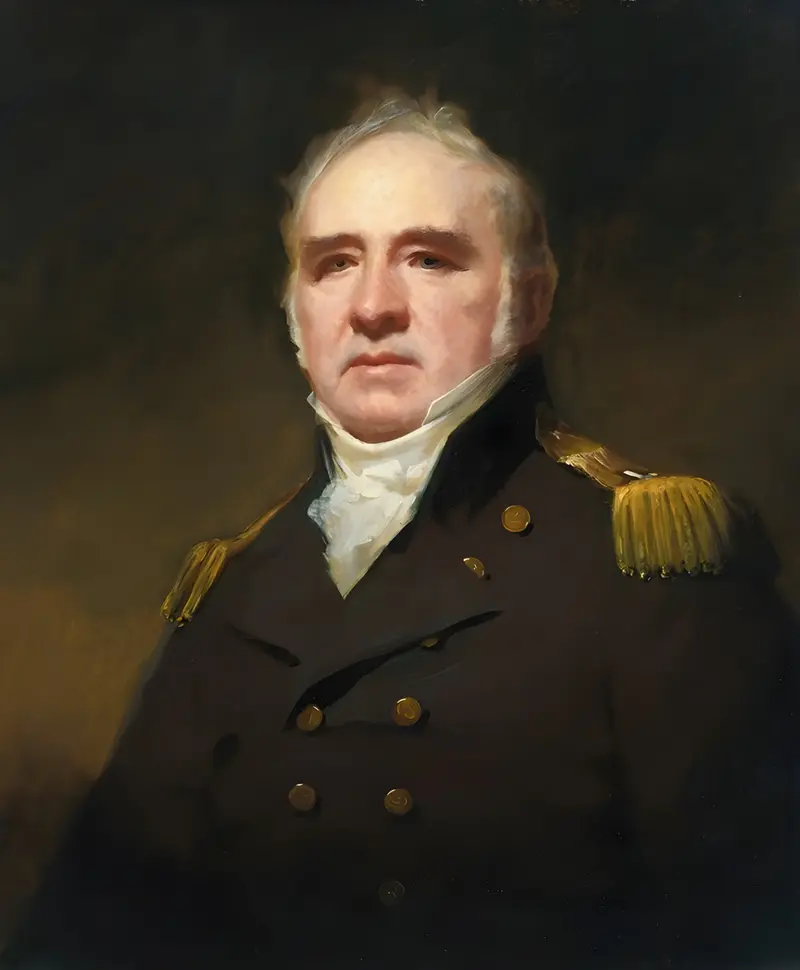
Portrait Of Captain James Forbes-Drummond, R.N., Of Hawthornden
Sir Henry Raeburn
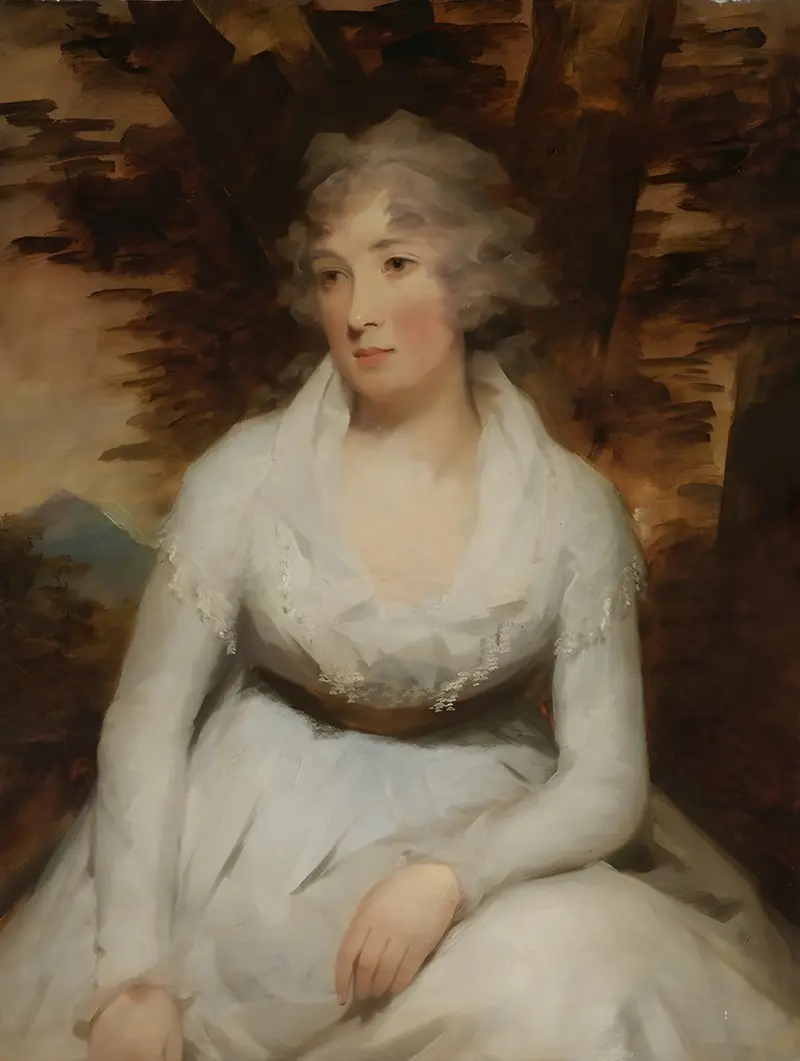
Miss Elizabeth Dalrymple (afterwards Mrs. George Leith)
Sir Henry Raeburn
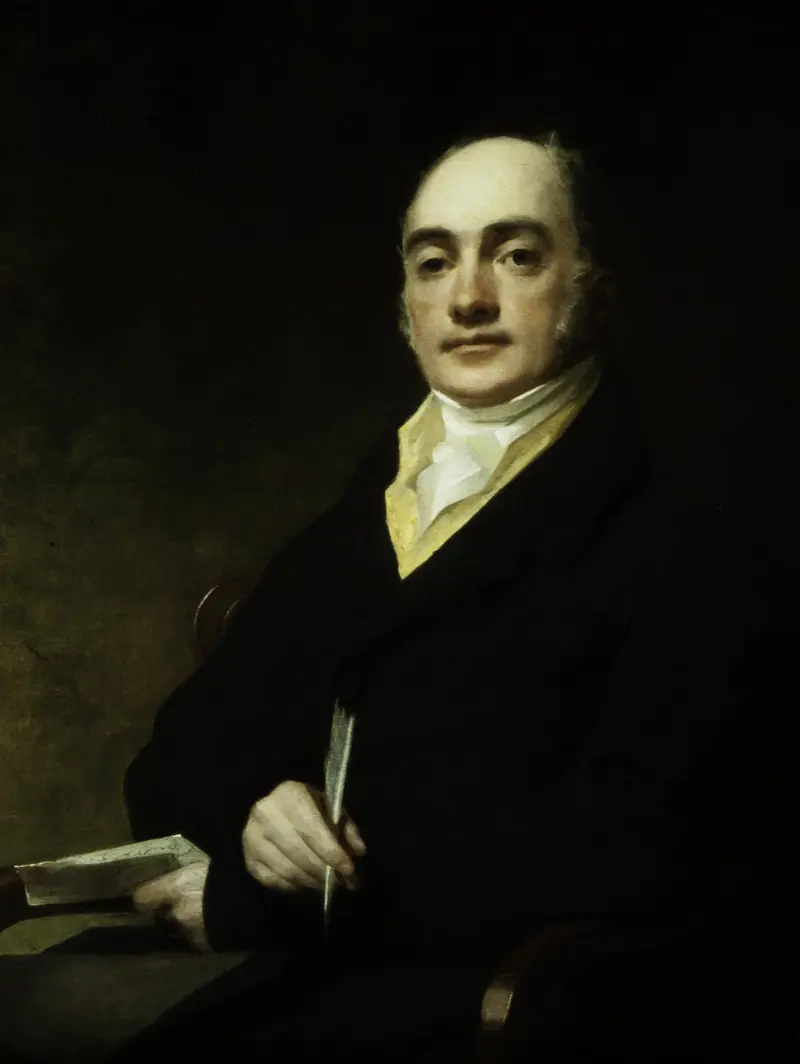
Portrait of John Baillie (1772-1833)
Sir Henry Raeburn
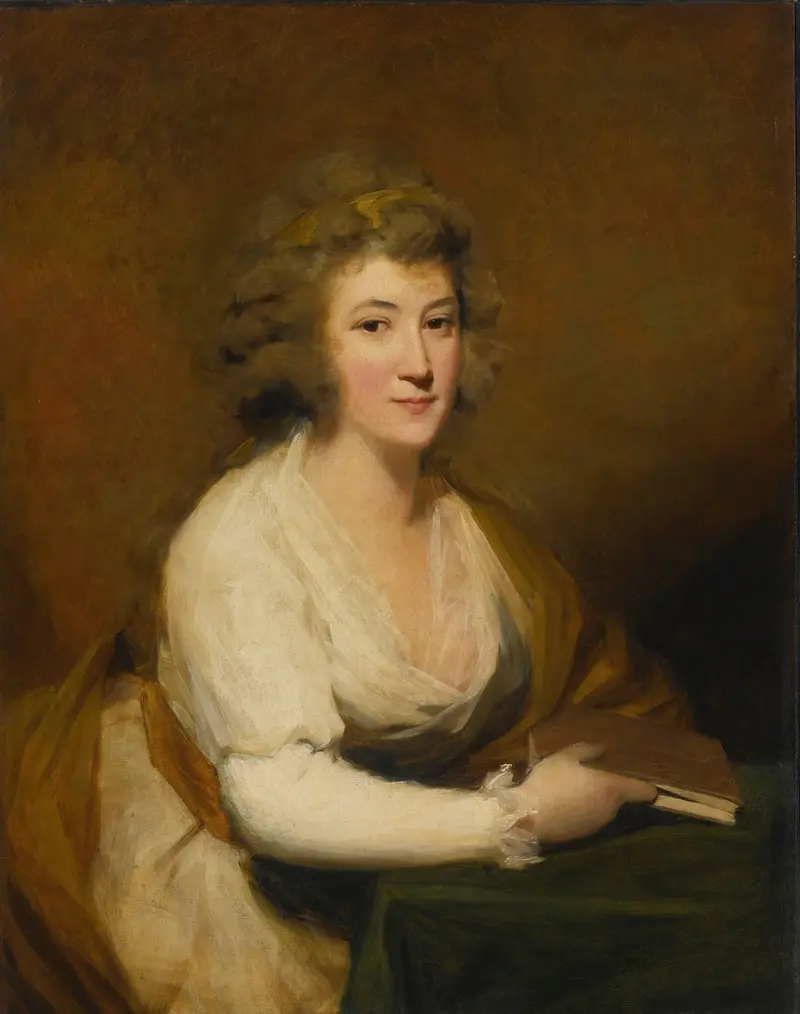
Portrait Of Lady Nasmyth, In A White Dress And Brown Shawl, Seated At A Table, Holding A Book
Sir Henry Raeburn
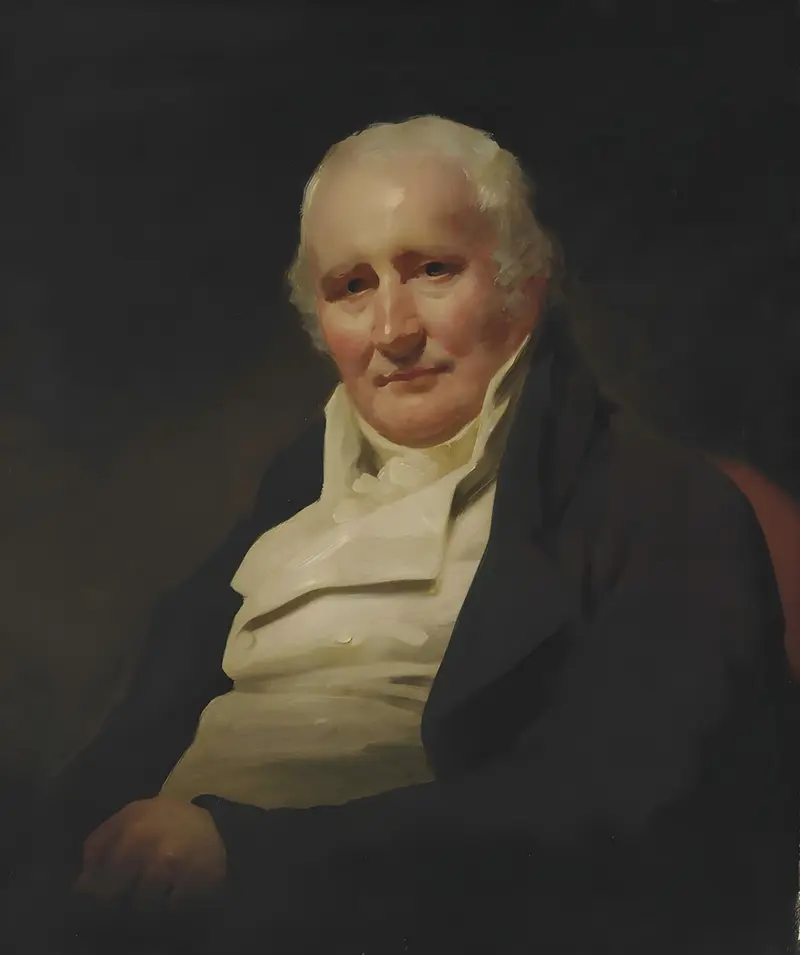
Portrait Of Mr. Spottiswood
Sir Henry Raeburn
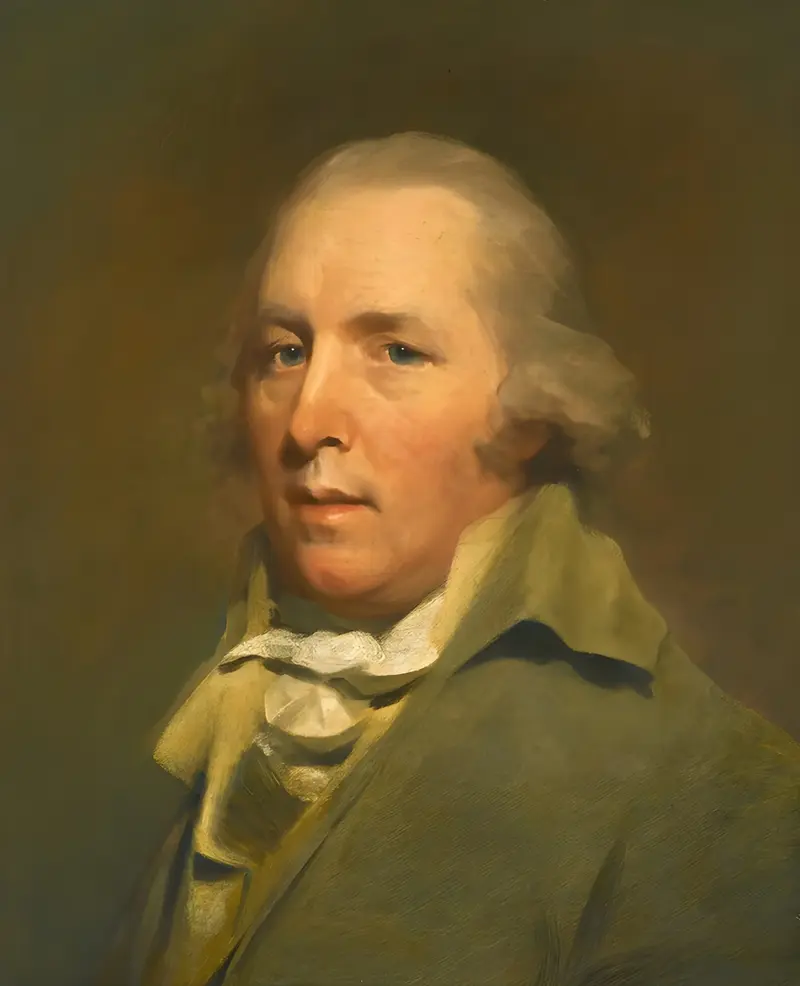
Portrait Of The Reverend John Home (1722-1808)
Sir Henry Raeburn
Portrait of William Hunt (c.1796-1854), Pittencrief House, Dunfermline
Sir Henry Raeburn





