
Limehouse — History & Facts
In Limehouse, James Abbott McNeill Whistler presents a lively riverside scene. The painting is dominated by shades of blue and gray, reflecting the water and sky. Figures are seen engaging in various activities along the riverbank, creating a sense of movement.
The overall atmosphere is one of bustling energy, typical of the Limehouse area in London. The painting is executed in oil on canvas, showcasing Whistler's characteristic brushwork and attention to light. The colors are layered, with quick strokes that create a sense of immediacy. Viewers can observe the interplay of light and shadow, particularly on the water's surface.
This technique enhances the impressionistic quality of the work. Limehouse was painted during a period when Whistler was exploring urban landscapes and the effects of light on water. This work reflects his interest in capturing the essence of modern life in London. An interesting fact about this painting is that it was created around the time when Whistler was developing his signature style, which would later influence many artists.
The painting remains a notable example of his marine scenes.
More Artworks by James Abbott McNeill Whistler
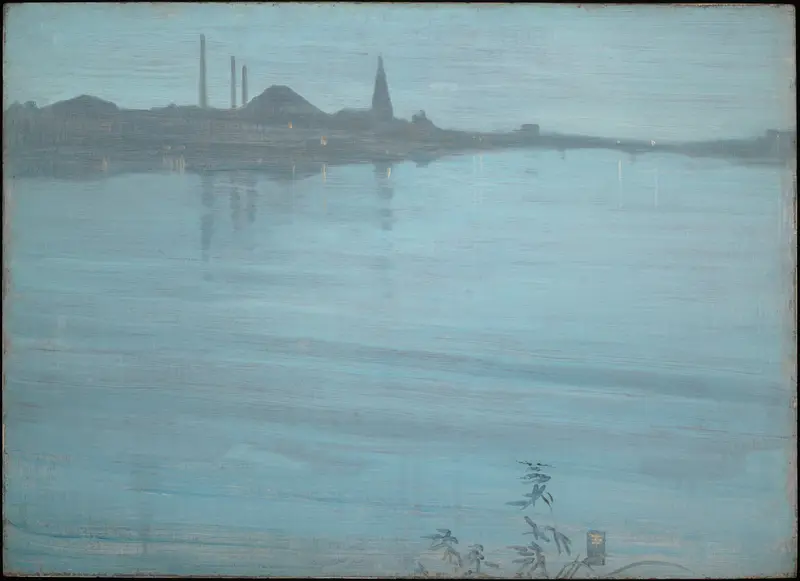
Nocturne in Blue and Silver
James Abbott McNeill Whistler

Nocturne
James Abbott McNeill Whistler
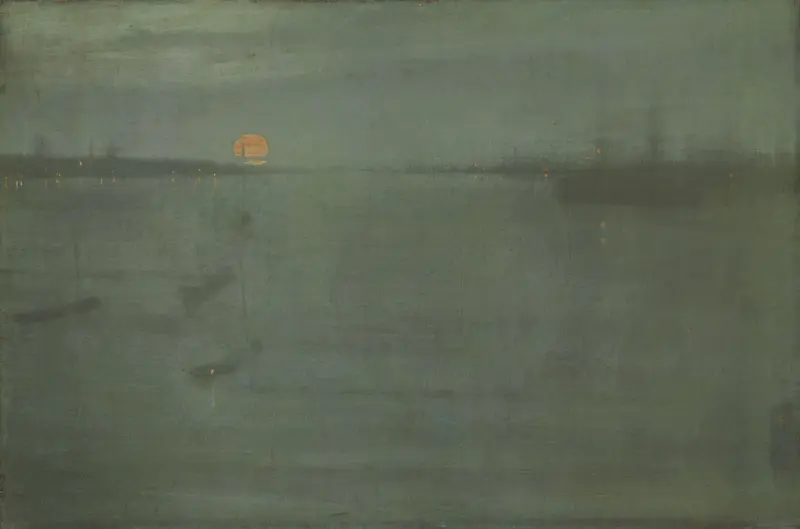
Nocturne: Blue and Gold–Southampton Water
James Abbott McNeill Whistler
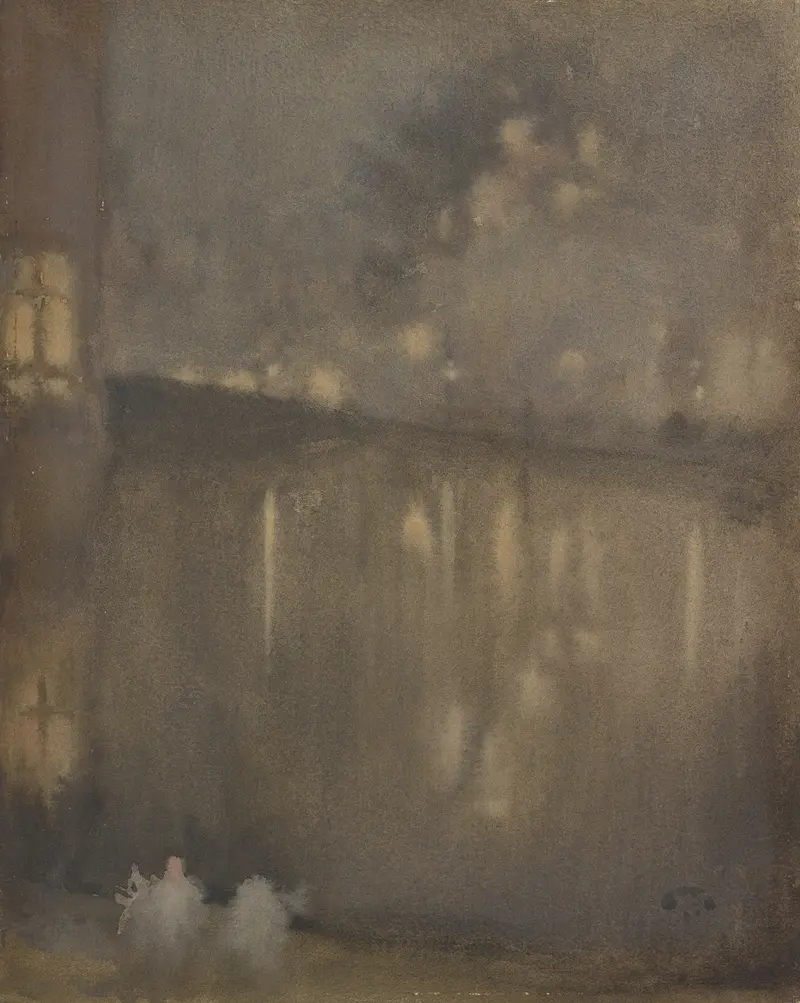
Nocturne: Grey and Gold–Canal, Holland
James Abbott McNeill Whistler
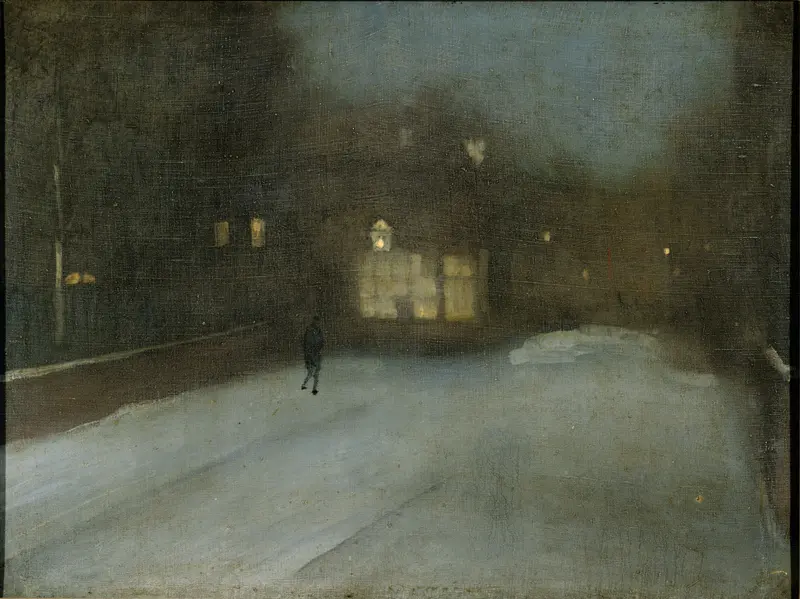
Nocturne in Grey and Gold: Chelsea Snow
James Abbott McNeill Whistler
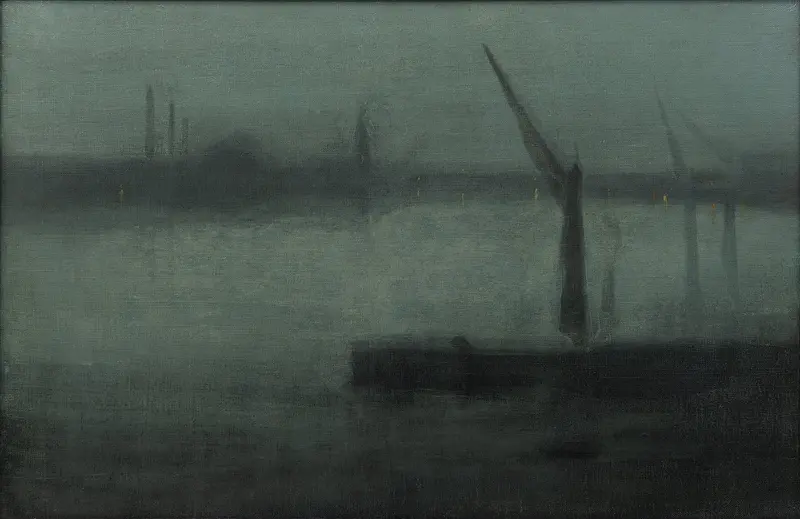
Nocturne: Blue and Silver–Battersea Reach
James Abbott McNeill Whistler
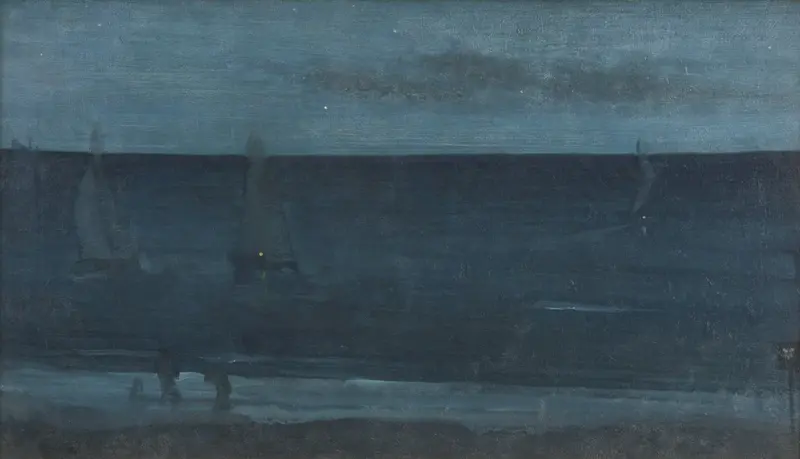
Nocturne: Blue and Silver–Bognor
James Abbott McNeill Whistler

Old Battersea Bridge
James Abbott McNeill Whistler
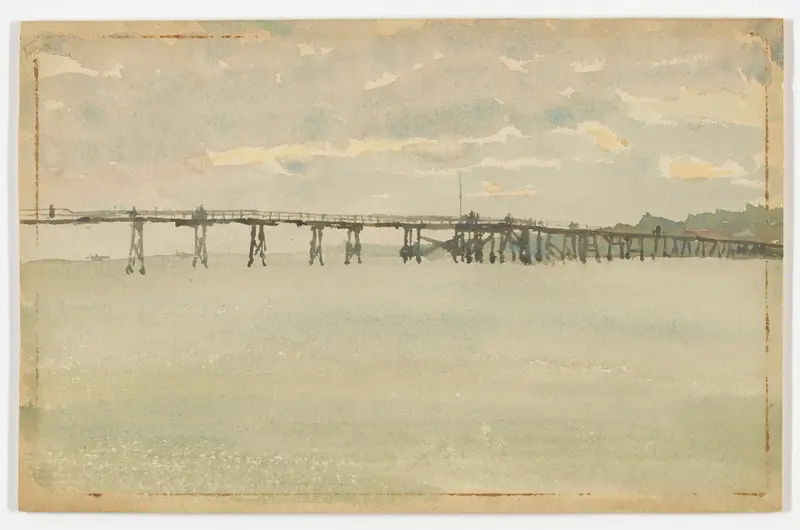
Grey and Silver–Pier, Southend
James Abbott McNeill Whistler
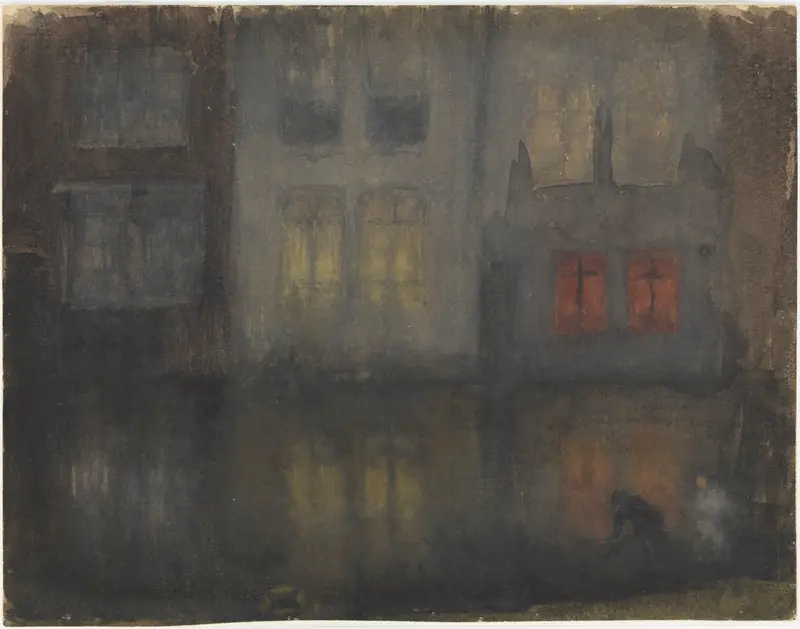
Nocturne: Black and Red—Back Canal, Holland
James Abbott McNeill Whistler





