
Lot and his Daughters — History & Facts
In the early 1630s, Artemisia Gentileschi took on one of the Bible’s most troubling episodes, painting Lot and his Daughters at a time when few artists—let alone women—dared to confront its raw implications. The story’s unsettling themes of survival, seduction, and family betrayal had long fascinated artists, but Artemisia’s version is especially striking for its psychological intensity. While the exact patron is unknown, the painting stands out as one of the rare treatments of this subject by a female painter in the Baroque era, and it is often discussed for how it reimagines the gaze and agency of its female figures. The canvas captures the moment after Lot and his daughters have fled the destruction of Sodom, their faces illuminated by a fire-lit sky in the distance—a reminder of the city’s fate.
Seated close together, the daughters press wine upon their father, their gestures both tender and conspiratorial; Lot, dazed and vulnerable, clutches the cup, his will dissolving. Artemisia’s use of rich fabrics, bare flesh, and dramatic light focuses the viewer on the uneasy intimacy of the scene, while the daughters’ direct gazes hint at their awareness and intent. Unlike earlier versions by artists such as Orazio Gentileschi or Guercino, Artemisia’s painting refuses to cast the women as mere temptresses, instead suggesting their desperation and resolve in the face of catastrophe. The precise journey of this painting remains somewhat mysterious, as is often the case with Artemisia’s works, which were scattered across Europe in her lifetime and sometimes misattributed.
Scholars believe Lot and his Daughters was painted during her years in Naples, a period marked by ambitious narrative canvases and a growing international reputation. Today, the painting is recognized as a key example of Artemisia’s mature style, blending Caravaggesque drama with a distinctly personal approach to biblical women. Its survival and rediscovery have contributed to the reevaluation of Artemisia’s place in art history, highlighting her as a singular voice among seventeenth-century painters.
More Artworks by Artemisia Gentileschi

Judith Beheading Holofernes
Artemisia Gentileschi
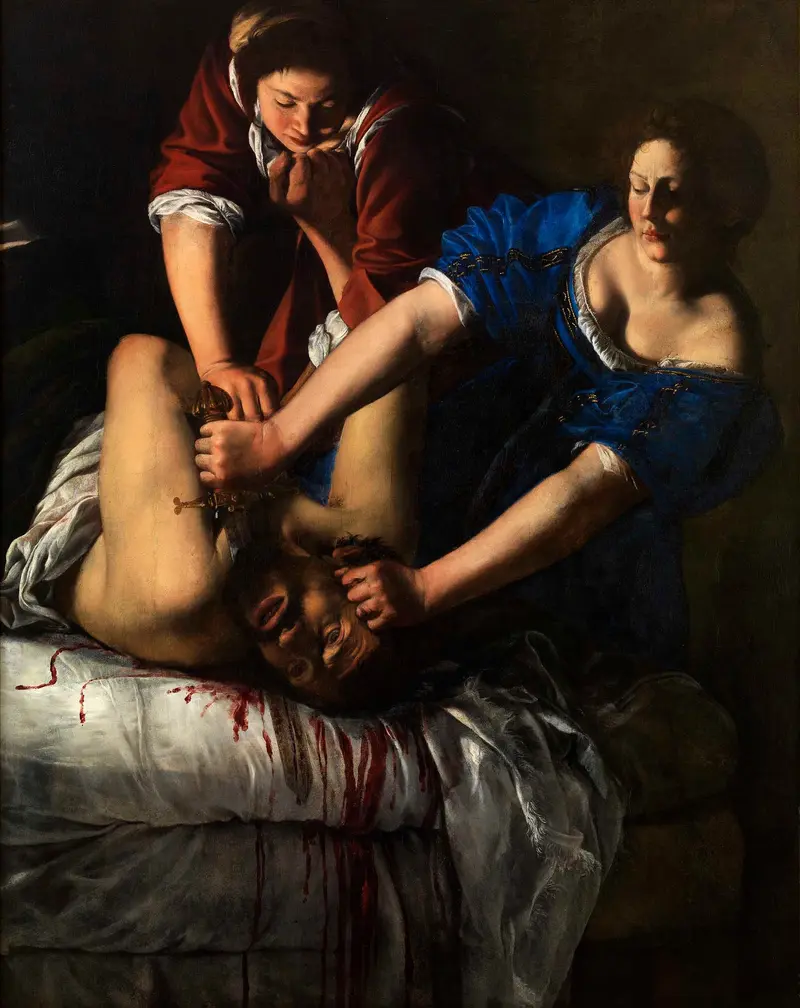
Judith Slaying Holofernes
Artemisia Gentileschi
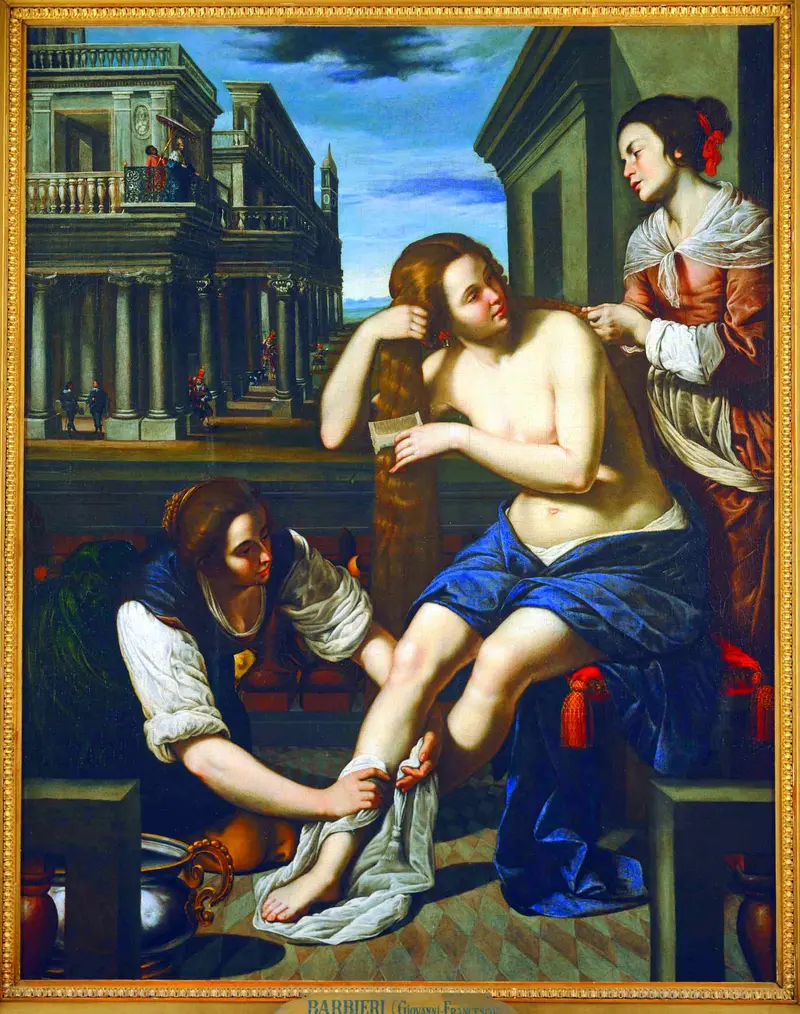
Bathsheba at Her Bath
Artemisia Gentileschi
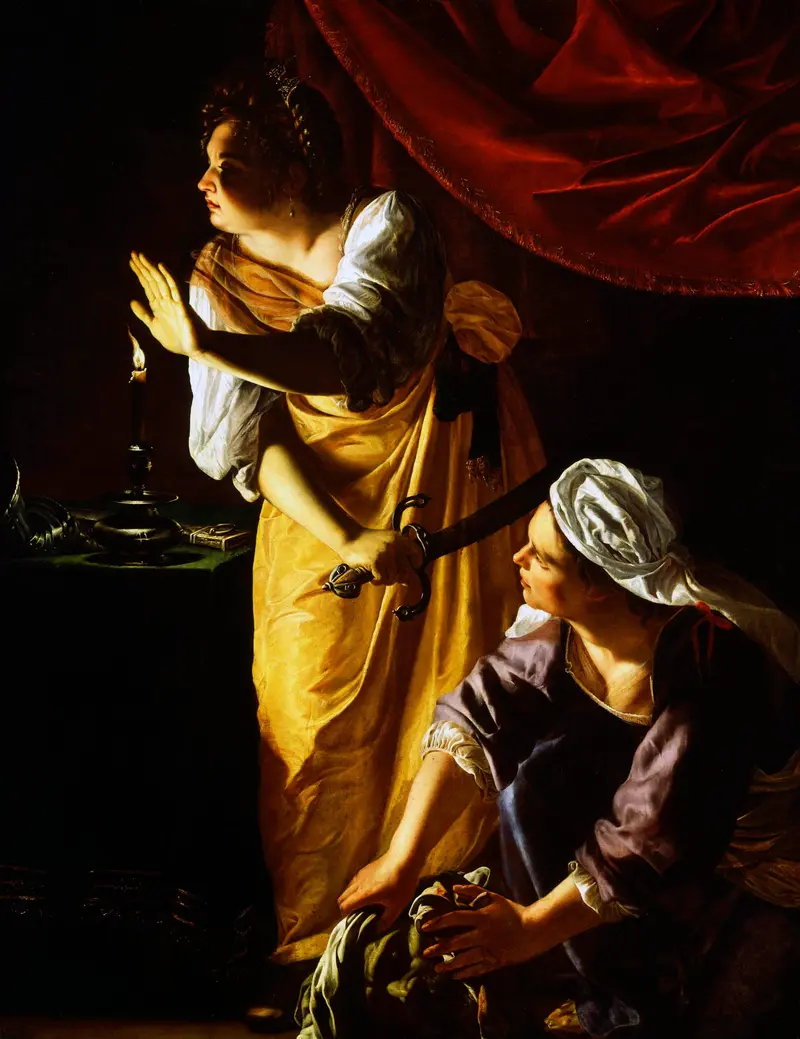
Judith and Maidservant with Head of Holofernes
Artemisia Gentileschi
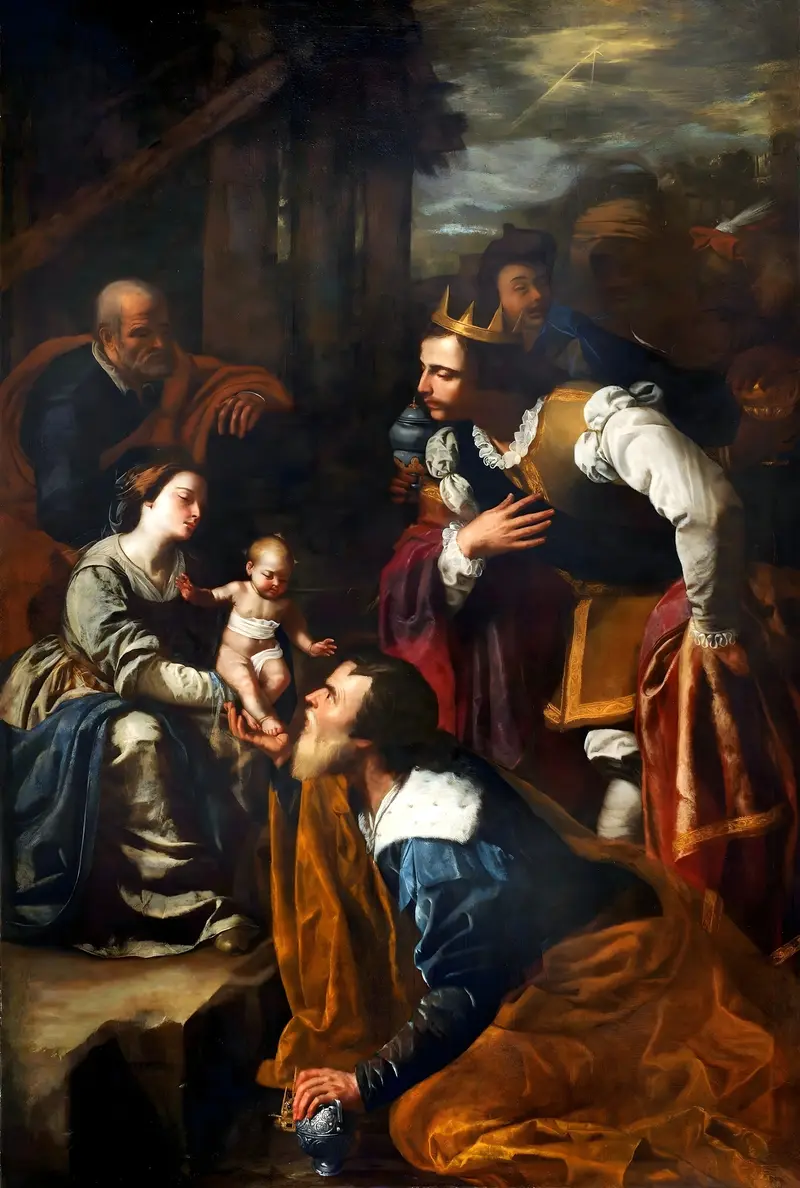
Adoration of the Magi
Artemisia Gentileschi
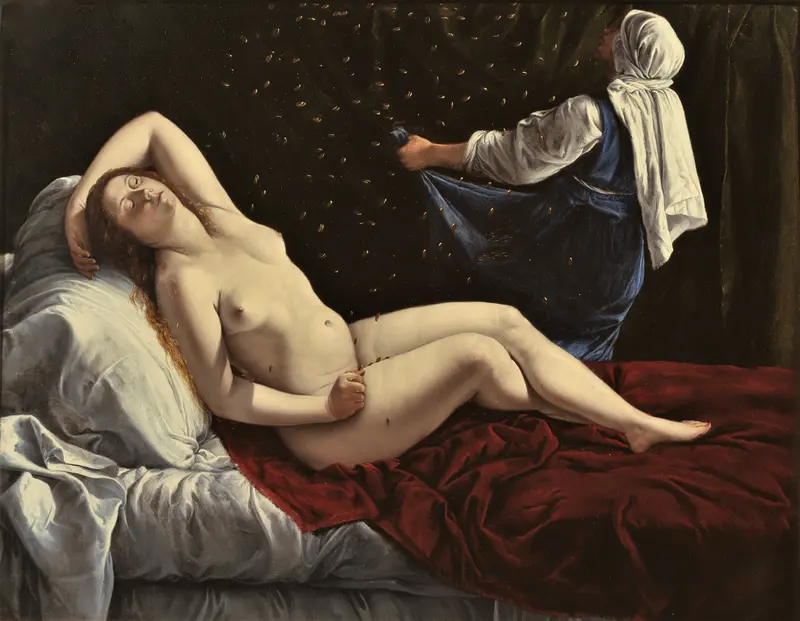
Danaë
Artemisia Gentileschi
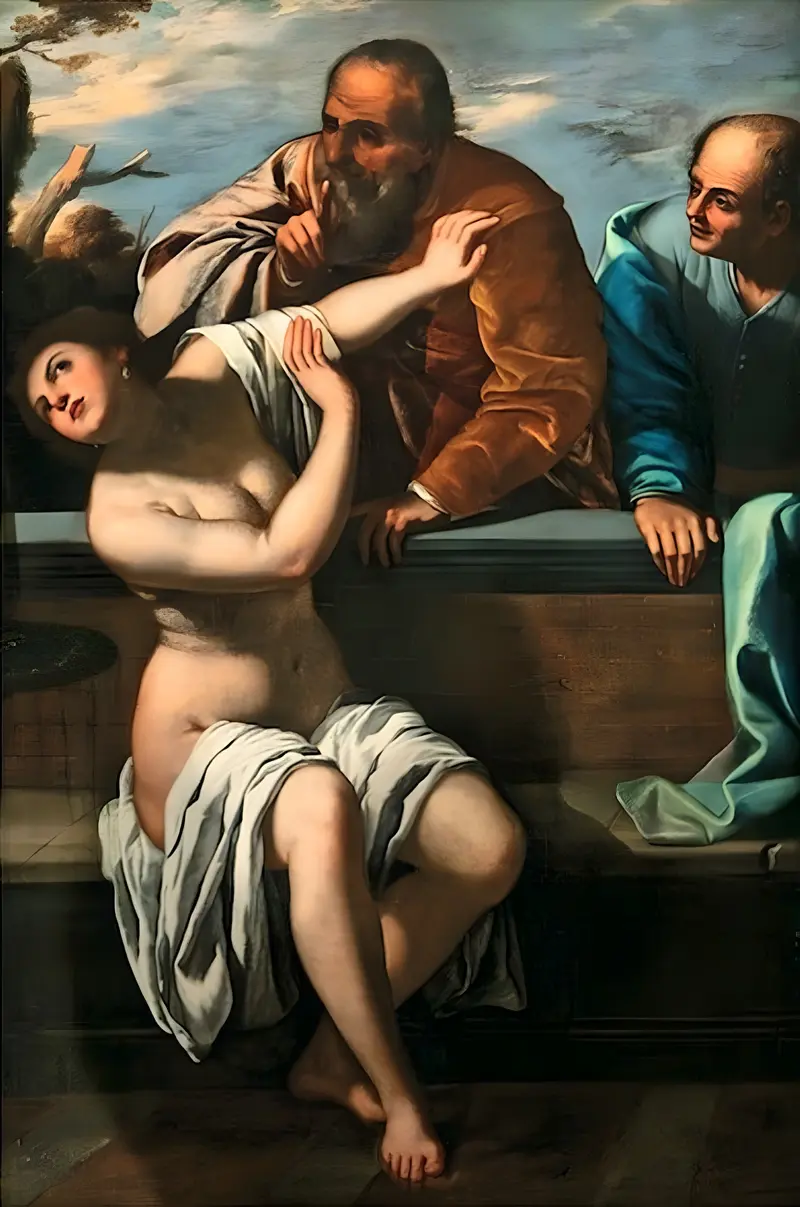
Susannah and the Elders
Artemisia Gentileschi

Judith and her Servant with the Head of Holofernes
Artemisia Gentileschi
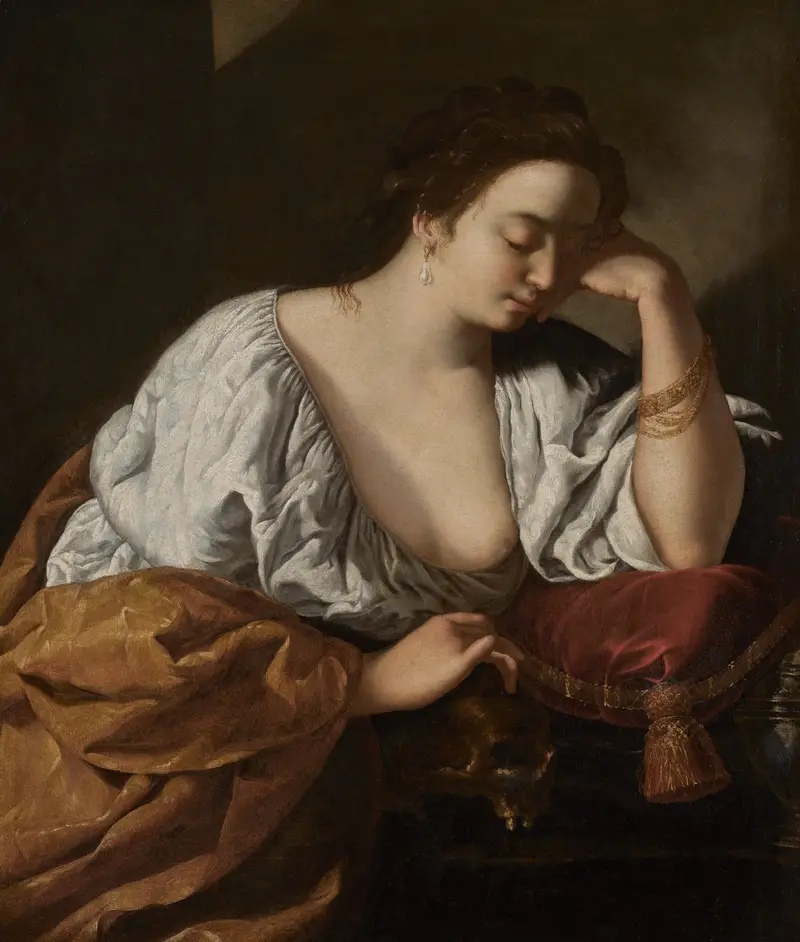
Madeleine pénitente, par
Artemisia Gentileschi
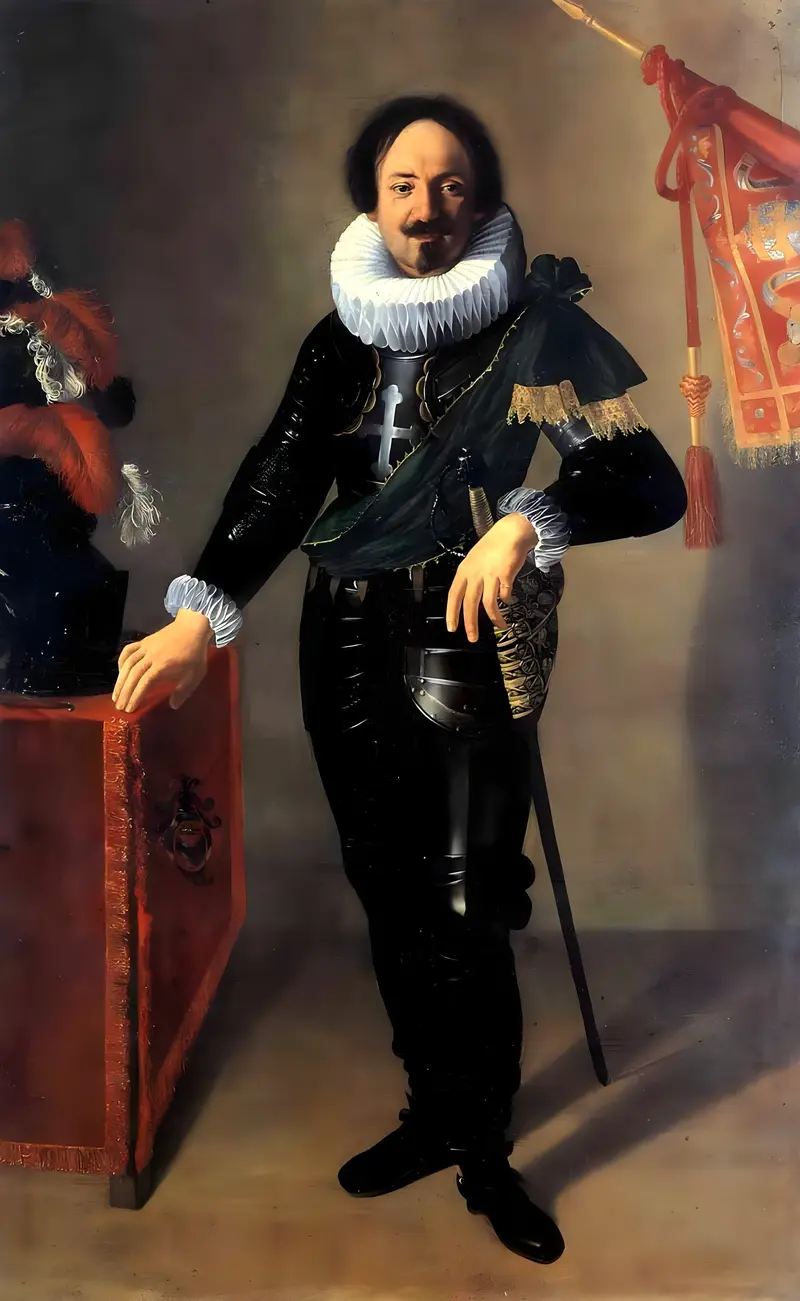
Portrait of a Gonfaloniere
Artemisia Gentileschi





