
Luisa Teresa de Borbón y Borbón 1824 — History & Facts
What first draws the eye in Luisa Teresa de Borbón y Borbón 1824 is the quiet gravity with which the young Infanta meets the viewer’s gaze. Her pale dress, with its voluminous sleeves and simple, high waist, stands out against the muted, shadowy background, focusing all attention on her poised figure. The flowers she holds—delicate, freshly picked—become a gentle symbol of youth and fleeting innocence, their color the only hint of warmth in the restrained palette.
Her left hand gathers a fold of her dress, a gesture that betrays a touch of unease or shyness, while her upright posture and direct look speak of the expectations placed upon her even at a tender age. The light, soft and even, caresses her face and hands, lending her a presence that is both real and remote, as if she stands at the threshold between childhood and the adult world she is destined to enter. Painted in 1834 by Antonio Maria Esquivel, this portrait belongs to a world where royal children were shaped by both tradition and the shifting tides of nineteenth-century Spain. Portraits of young royals like Luisa Teresa were not mere family records; they were statements of lineage, legitimacy, and the virtues expected of future sovereigns.
The era saw artists balancing formality with a growing interest in individual character, and here Esquivel’s approach is telling—he avoids overt grandeur in favor of a reserved, almost introspective mood. The work’s date places it in a period of political uncertainty in Spain, when the monarchy’s image was carefully managed. Few traces remain of the everyday lives behind such portraits, but the Infanta’s steady gaze invites us to imagine the world behind the canvas—one of duty, constraint, and the silent language of painted gesture.
More Artworks by Antonio Maria Esquivel

Baldomero Espartero
Antonio Maria Esquivel
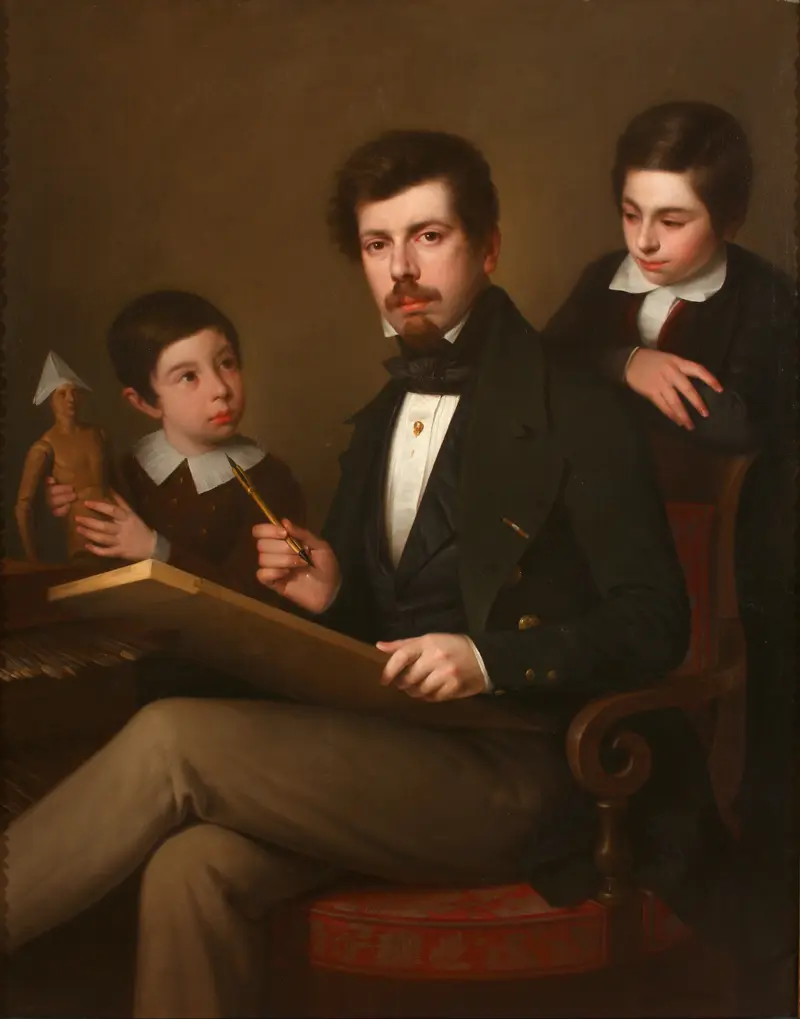
Self-portrait with his sons Carlos and Vicente
Antonio Maria Esquivel
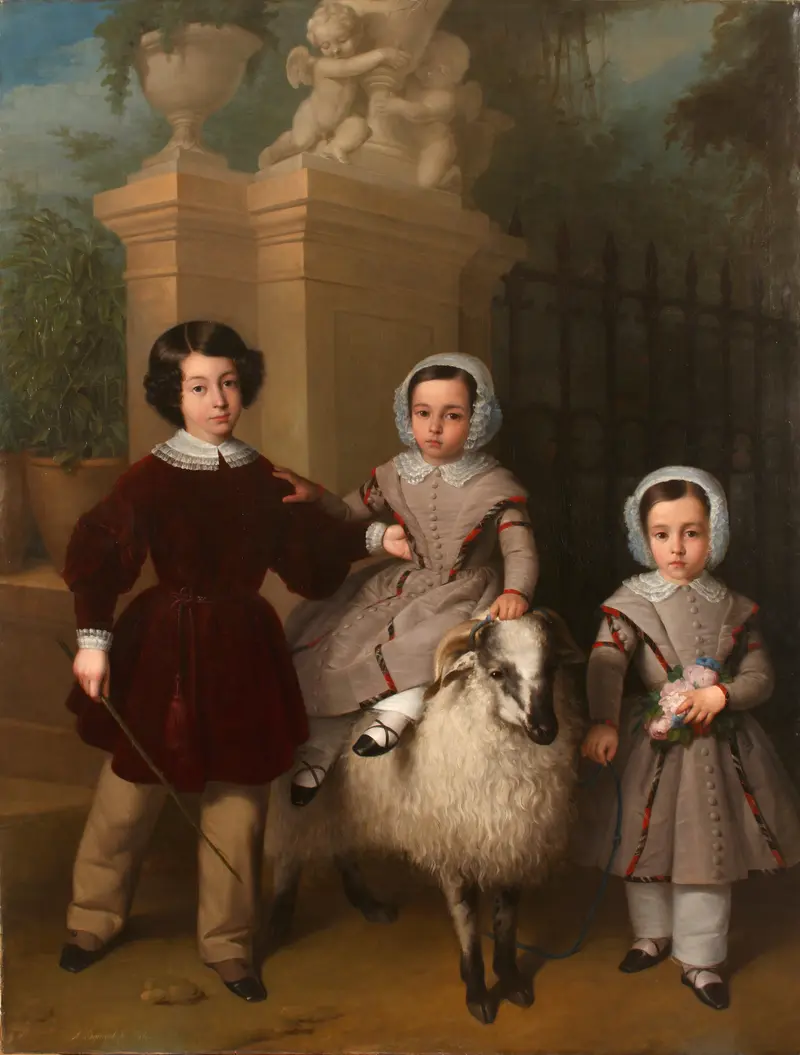
Children playing with a ram
Antonio Maria Esquivel
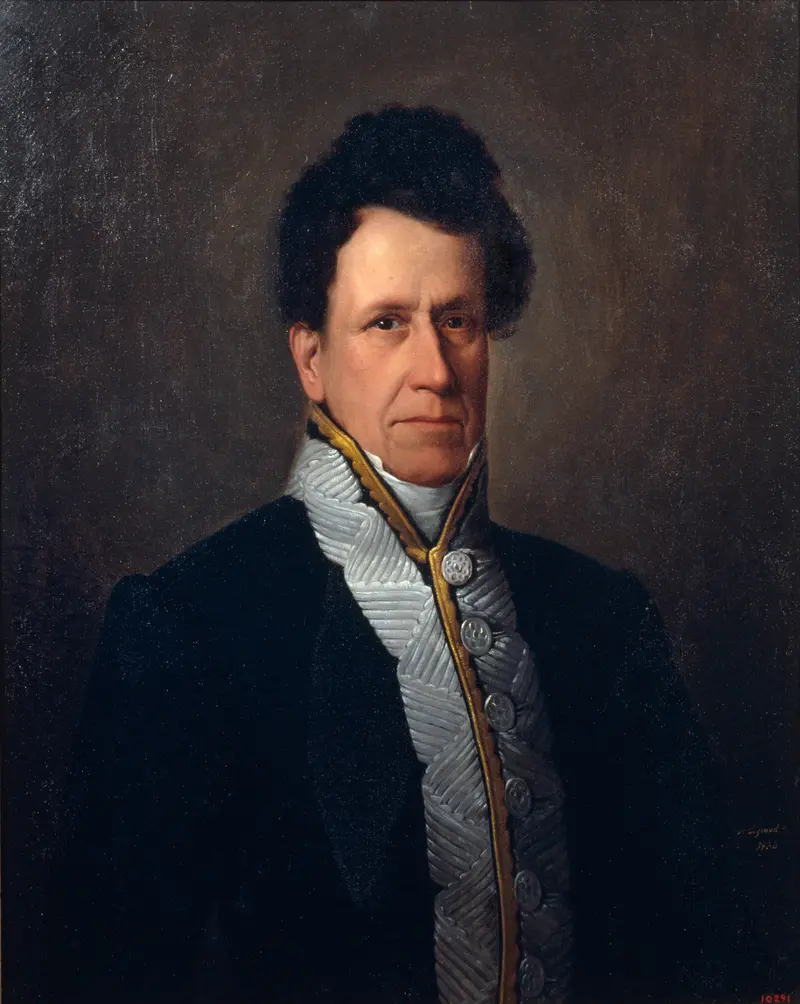
Portrait of Manuel Mª Gutiérrez
Antonio Maria Esquivel
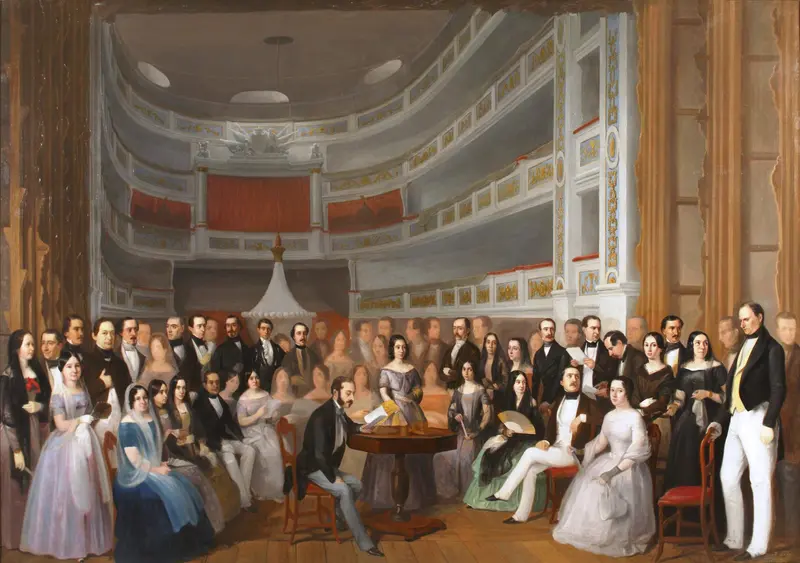
Ventura de la Vega reading a play at the Teatro del Príncipe
Antonio Maria Esquivel
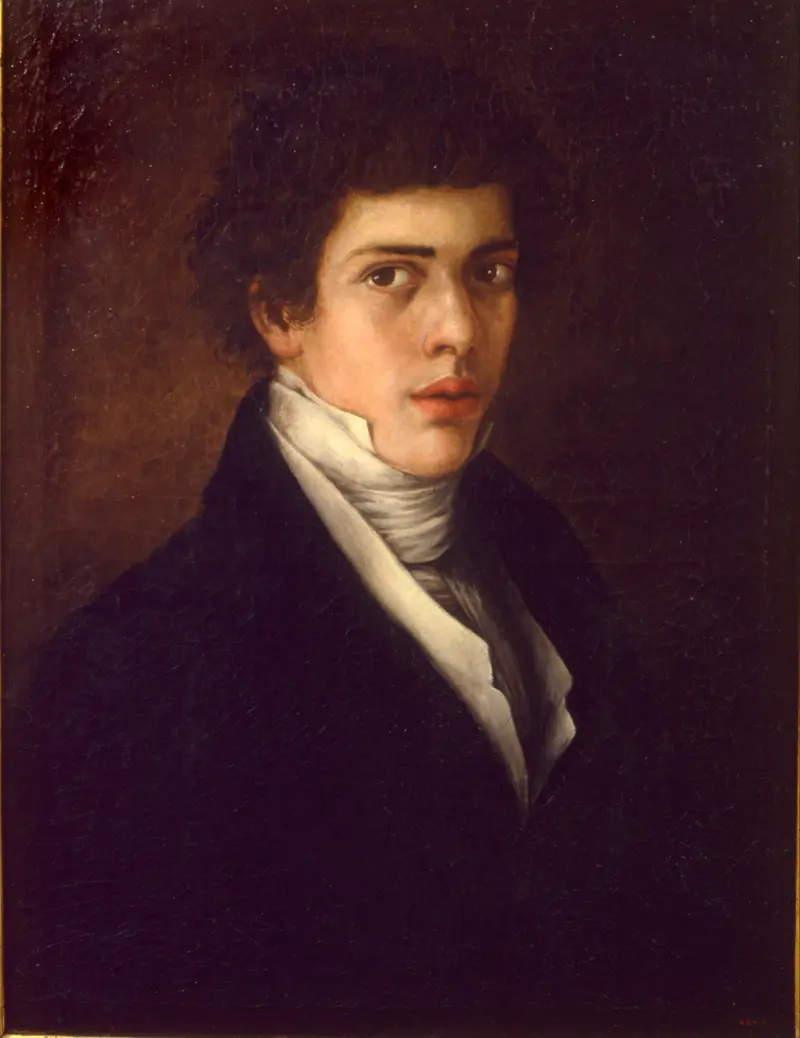
Self-portrait
Antonio Maria Esquivel
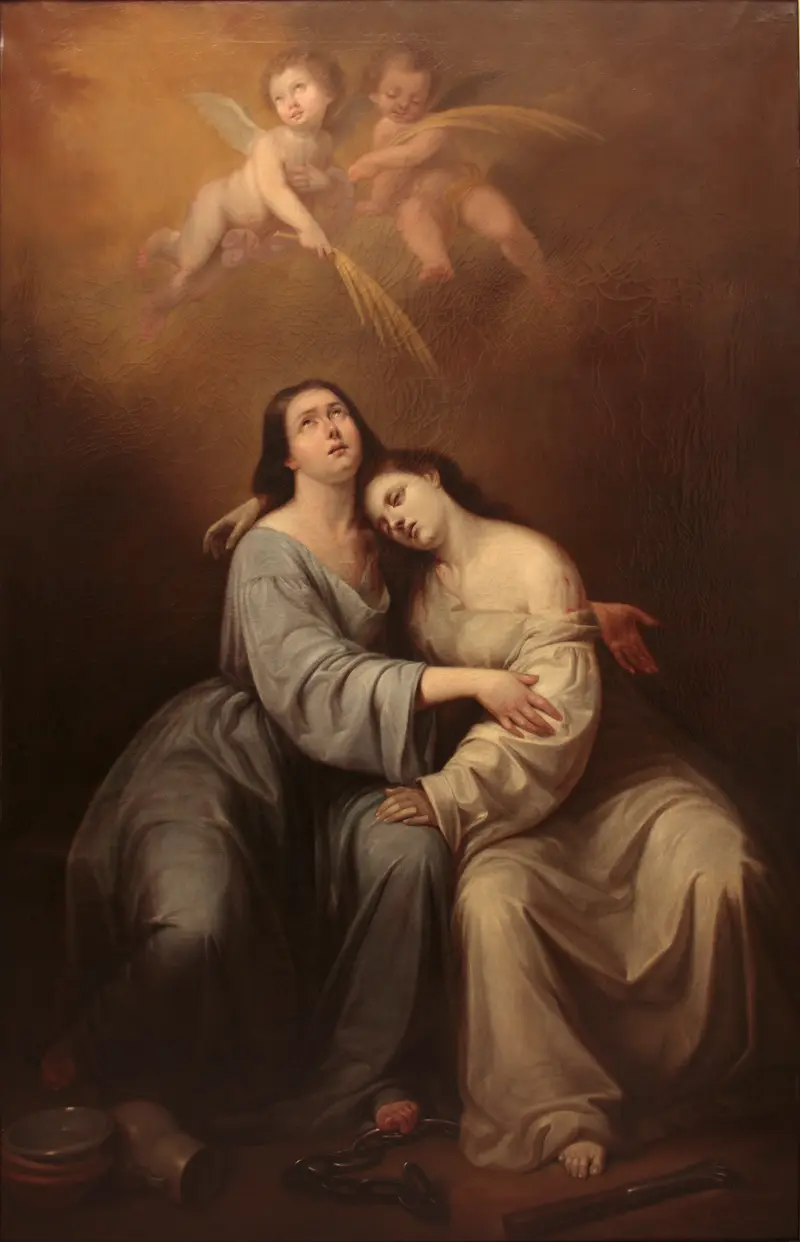
Saint Justa and Saint Rufina
Antonio Maria Esquivel
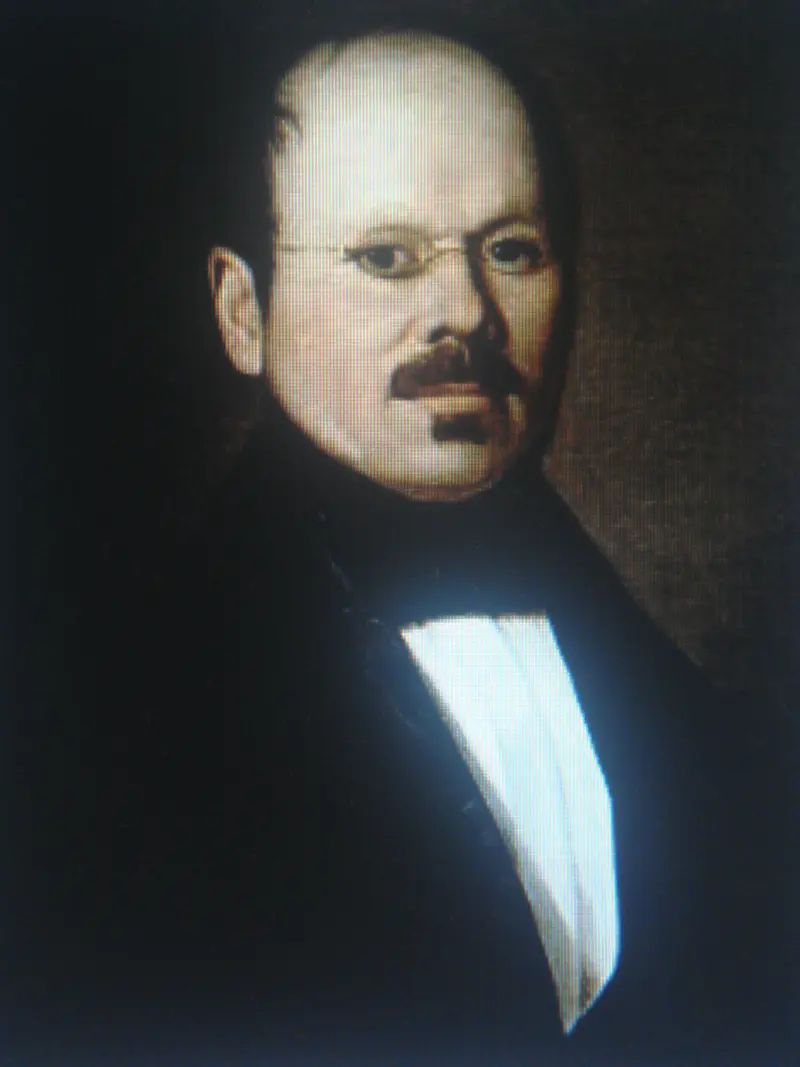
Antonio Benavides Fernández de Navarrete (Real Academia de la Historia)
Antonio Maria Esquivel
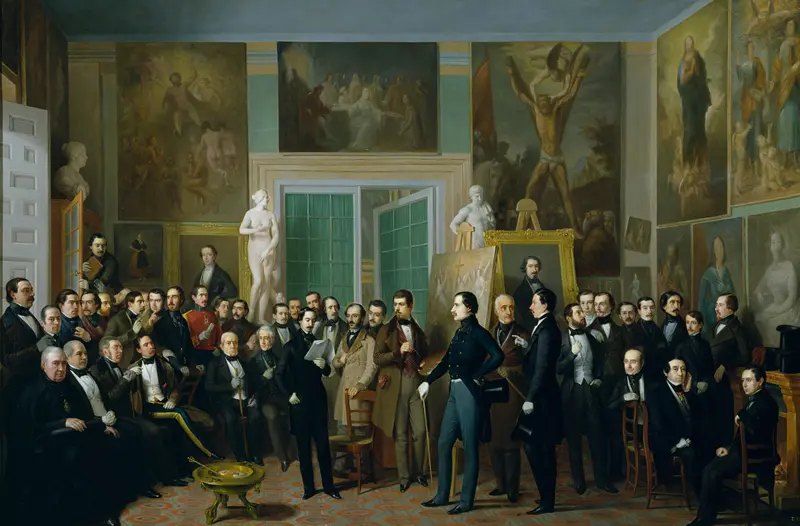
The Contemporary Poets. A Reading of Zorrilla in the Artist's Studio
Antonio Maria Esquivel
Portrait of Don Manuel José de Guerrico
Antonio Maria Esquivel





