
Lydia at a Tapestry Frame — History & Facts
Few works by Mary Cassatt are as intimately linked to her personal life as Lydia at a Tapestry Frame, painted in 1881. The sitter is Cassatt’s beloved older sister Lydia, whose declining health confined her indoors during the years the artist lived in Paris. Cassatt’s devotion is evident: she painted Lydia repeatedly, capturing moments of quiet domesticity.
This painting stands out as one of the last images of Lydia before her death in 1882, lending it a quiet urgency and tenderness that has moved viewers and critics alike. In this scene, Lydia sits absorbed at a large tapestry frame, her hands poised over the intricate embroidery. The room is flooded with gentle daylight, illuminating the textures of fabric, wood, and skin. Cassatt’s brushwork lingers on the details of the craft—the taut threads, the curve of Lydia’s back, the concentration in her posture.
The composition draws the eye along the length of the frame, echoing the patient, repetitive labor of needlework, a theme often explored by Impressionist painters but rarely with such personal resonance. Unlike Edgar Degas, who often depicted women at work with a sense of distance or detachment, Cassatt’s gaze is affectionate, her subject dignified and absorbed. The painting’s early history is closely tied to Cassatt’s family circle and was likely never intended for public exhibition. It remained in private hands for decades, cherished as a record of Lydia’s presence and Cassatt’s affection.
Today, Lydia at a Tapestry Frame is recognized as a key work in Cassatt’s exploration of domestic life and women’s quiet strength, as well as a testament to her technical skill and emotional insight. Its current home is not definitively known, and the medium—possibly oil or pastel—remains a matter of scholarly debate, reflecting the challenges of tracing the full journey of certain works from the Impressionist period.
More Artworks by Mary Cassatt

The Child's Bath
Mary Cassatt
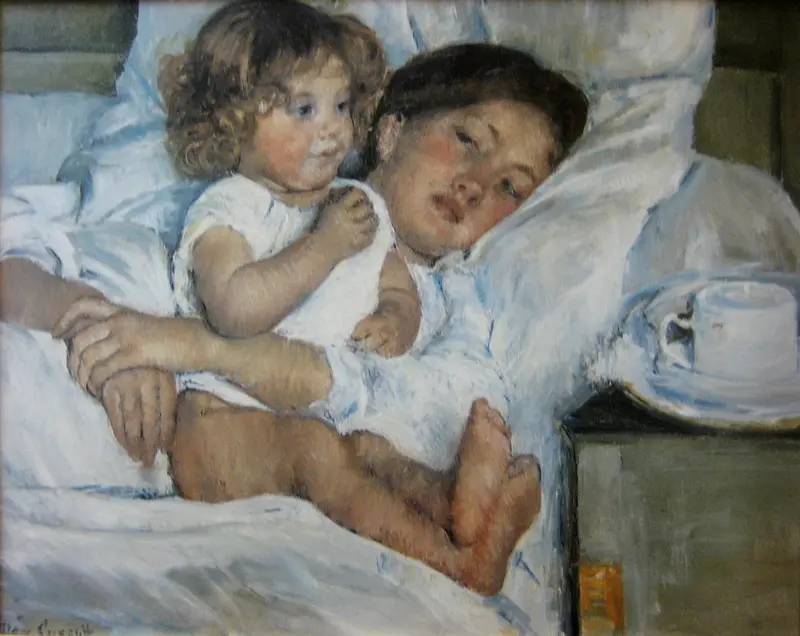
Breakfast in Bed
Mary Cassatt

Mother and Child (Baby Getting Up from His Nap)
Mary Cassatt
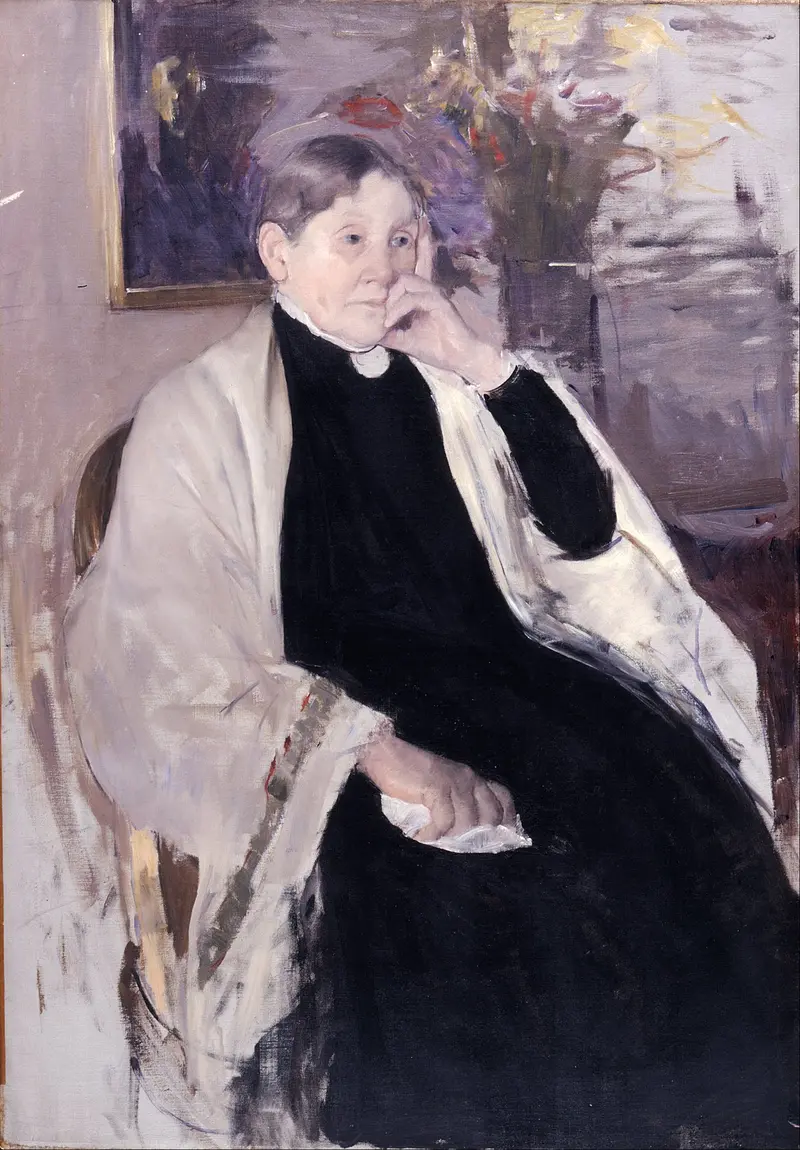
Mrs. Robert S. Cassatt, the Artist's Mother
Mary Cassatt
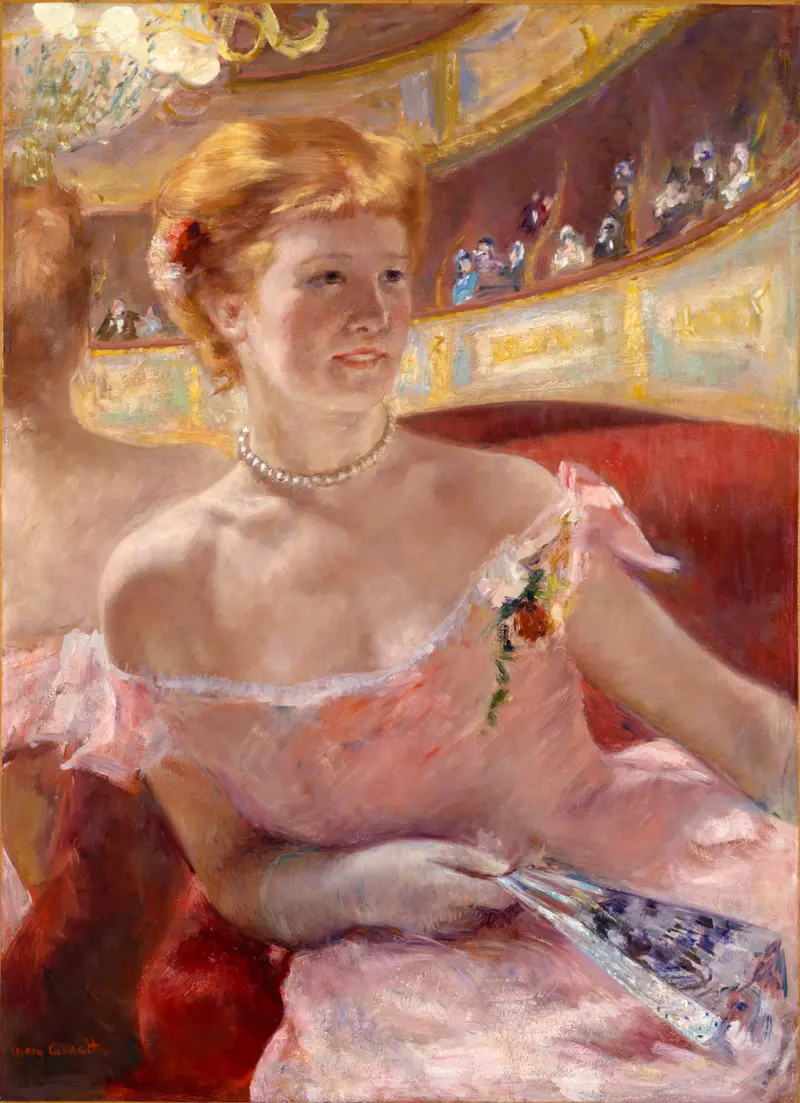
Woman with a Pearl Necklace in a Loge
Mary Cassatt
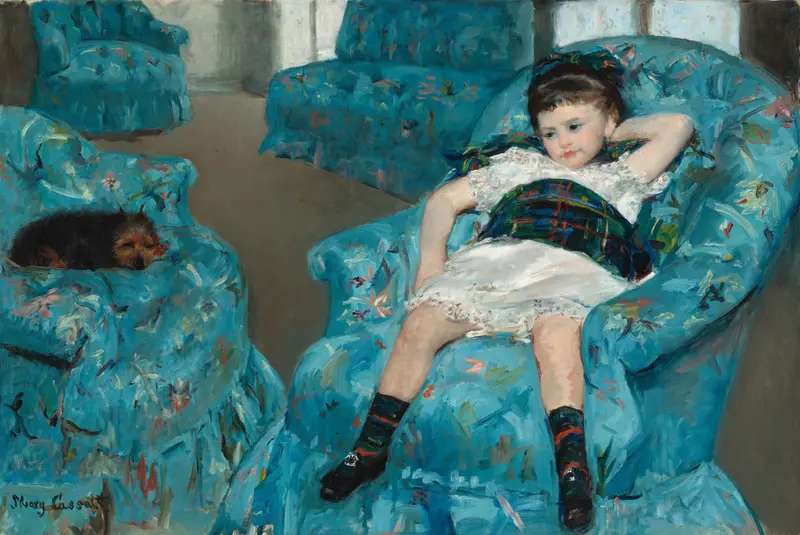
Little Girl in a Blue Armchair
Mary Cassatt
Mother and Child (The Oval Mirror)
Mary Cassatt
Mother and Child
Mary Cassatt
In The Loge
Mary Cassatt
On a Balcony
Mary Cassatt





