
Madame Ingres, née Madeleine Chapelle — History & Facts
When Jean Auguste Dominique Ingres painted his wife Madeleine Chapelle in 1814, he was a newlywed, and the portrait became an intensely personal keepsake rather than a public commission. This intimacy is underscored by the fact that Ingres kept the painting with him for decades, refusing to exhibit it or part with it during his lifetime. The work thus remained largely unseen by the public until after his death, when it was discovered among his personal effects, a testament to the private world the artist shared with his sitter.
Ingres’s devotion to Madeleine is well documented in his letters, where he refers to her as "my best friend, my support, my all." The portrait captures Madeleine Chapelle seated in a simple interior, her gaze direct yet gentle, her hands folded in her lap. Ingres chooses a moment of quiet presence rather than theatrical display: the sitter’s dark dress and modest jewelry speak to her reserved character and the couple’s modest circumstances at the time. The clarity of line, the smoothness of her skin, and the almost sculptural modeling of her features are hallmarks of Ingres’s early style, reminiscent of his teacher Jacques-Louis David but with a softer, more intimate approach.
Unlike grand society portraits of the era, such as Élisabeth Vigée Le Brun’s depictions of aristocratic women, Ingres’s painting is stripped of ornament, focusing instead on psychological closeness and affection. As an object, Madame Ingres, née Madeleine Chapelle stands apart from the artist’s more public commissions, such as La Grande Odalisque or his portraits of Parisian elites. It was likely painted in the couple’s modest Paris apartment, and its medium—whether oil or pencil heightened with color—remains a topic of scholarly discussion, as Ingres was known for both. After Ingres’s death in 1867, the portrait passed through the hands of collectors before entering public collections, where it now offers viewers a rare glimpse into the private life of one of the 19th century’s most celebrated painters.
The painting marks a turning point in Ingres’s career, bridging his early Neoclassical training and the more personal, psychologically nuanced portraits that would define his later work.
More Artworks by Jean Auguste Dominique Ingres
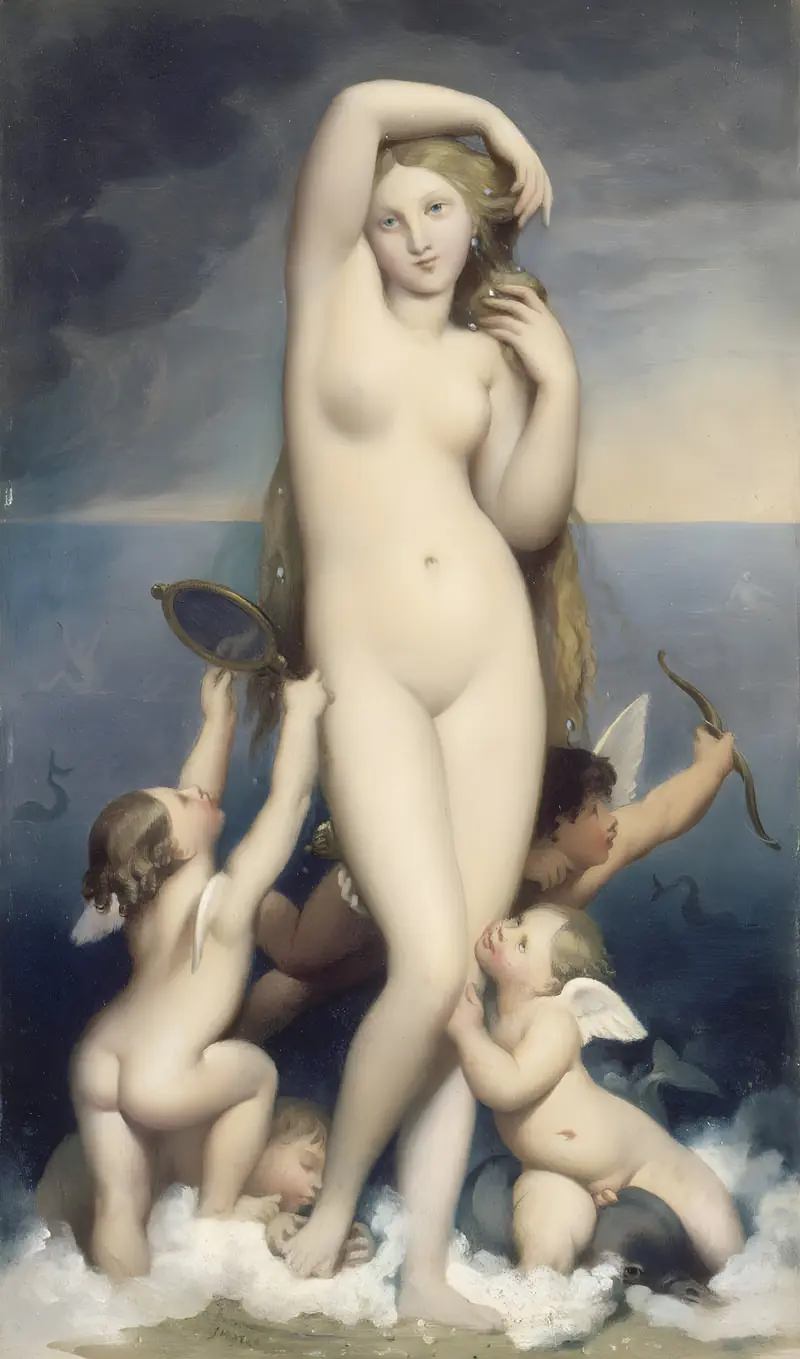
Vénus anadyomène
Jean Auguste Dominique Ingres
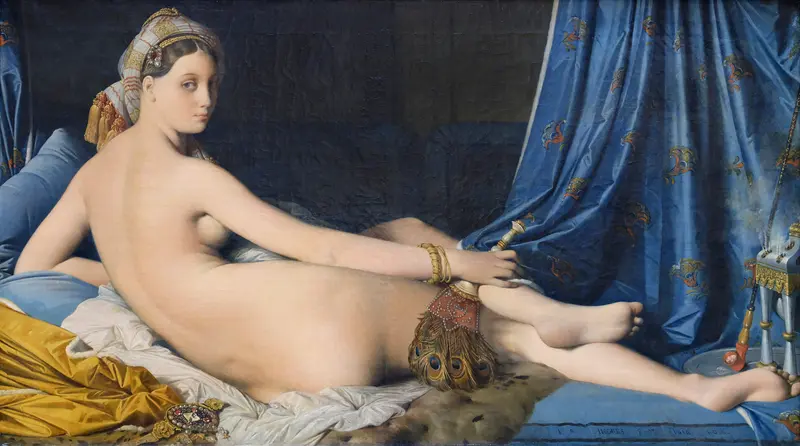
Grande Odalisque
Jean Auguste Dominique Ingres
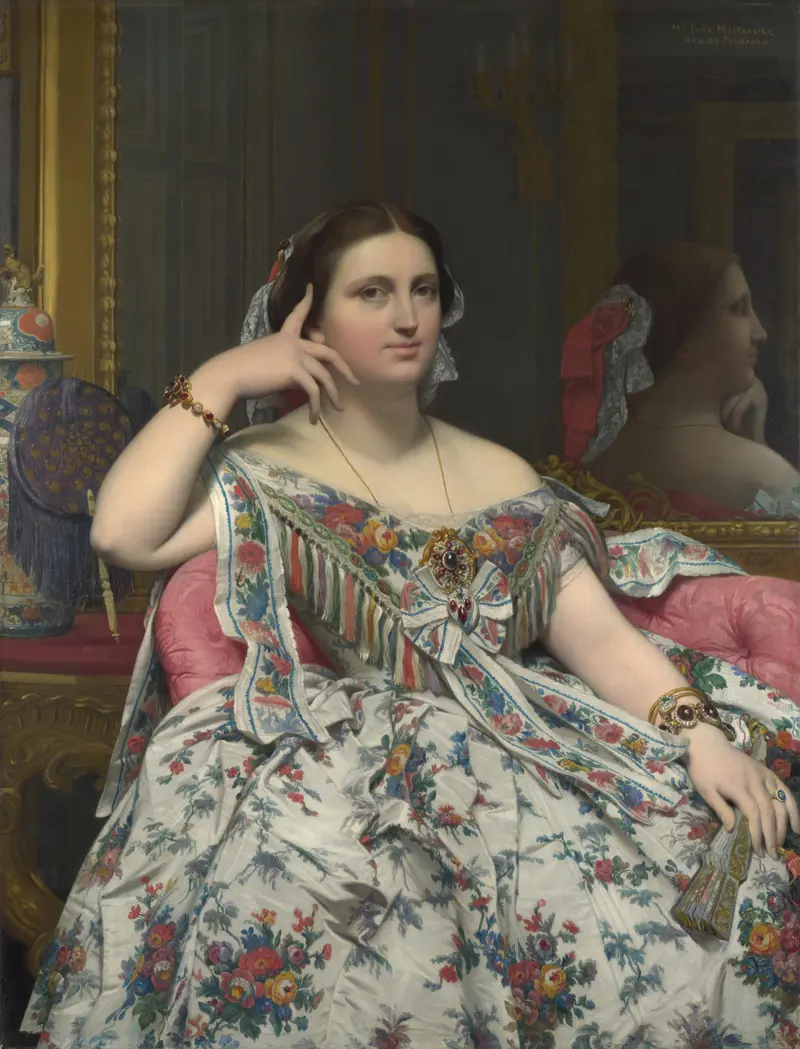
Madame Moitessier (seated)
Jean Auguste Dominique Ingres
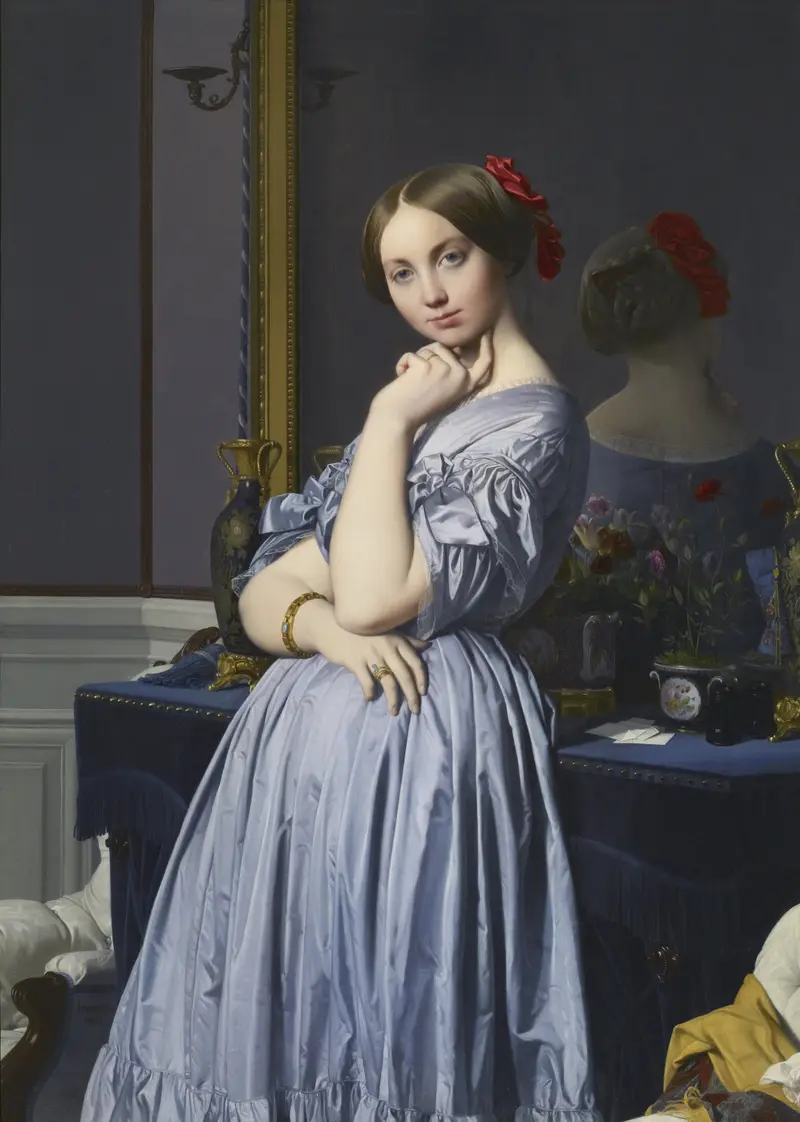
Portrait of Comtesse d’Haussonville
Jean Auguste Dominique Ingres
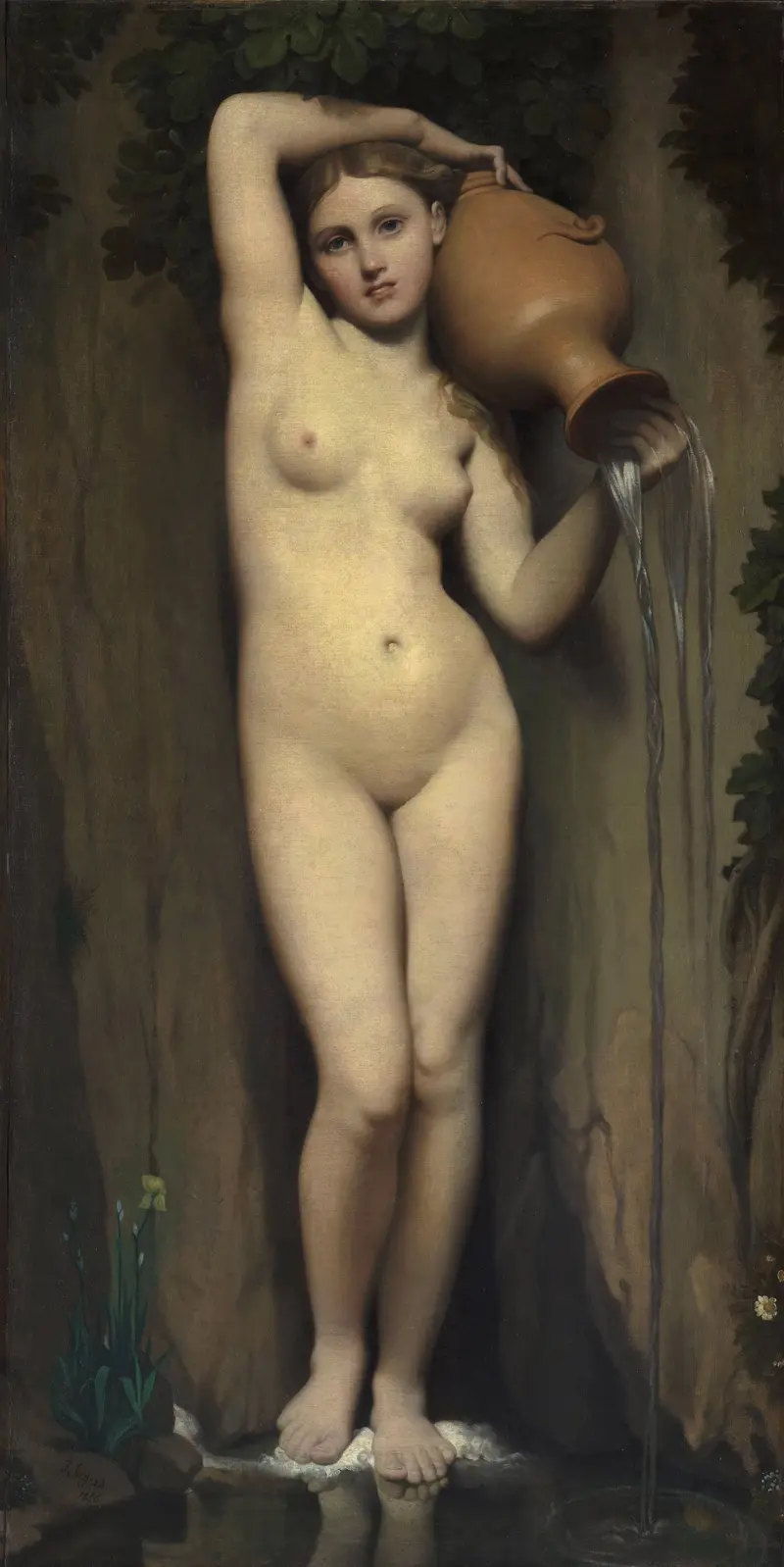
The Source
Jean Auguste Dominique Ingres
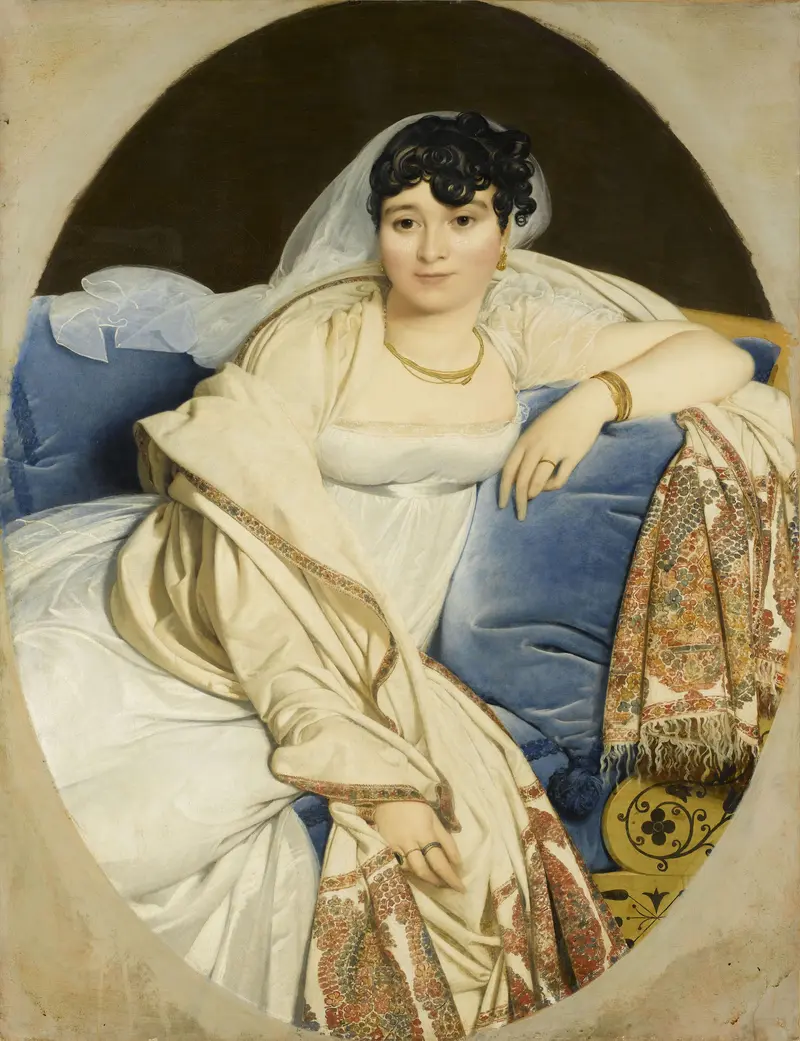
Madame Rivière
Jean Auguste Dominique Ingres

Madame Jean-Auguste-Dominique Ingres, née Madeleine Chapelle
Jean Auguste Dominique Ingres

Portrait of a Lady
Jean Auguste Dominique Ingres
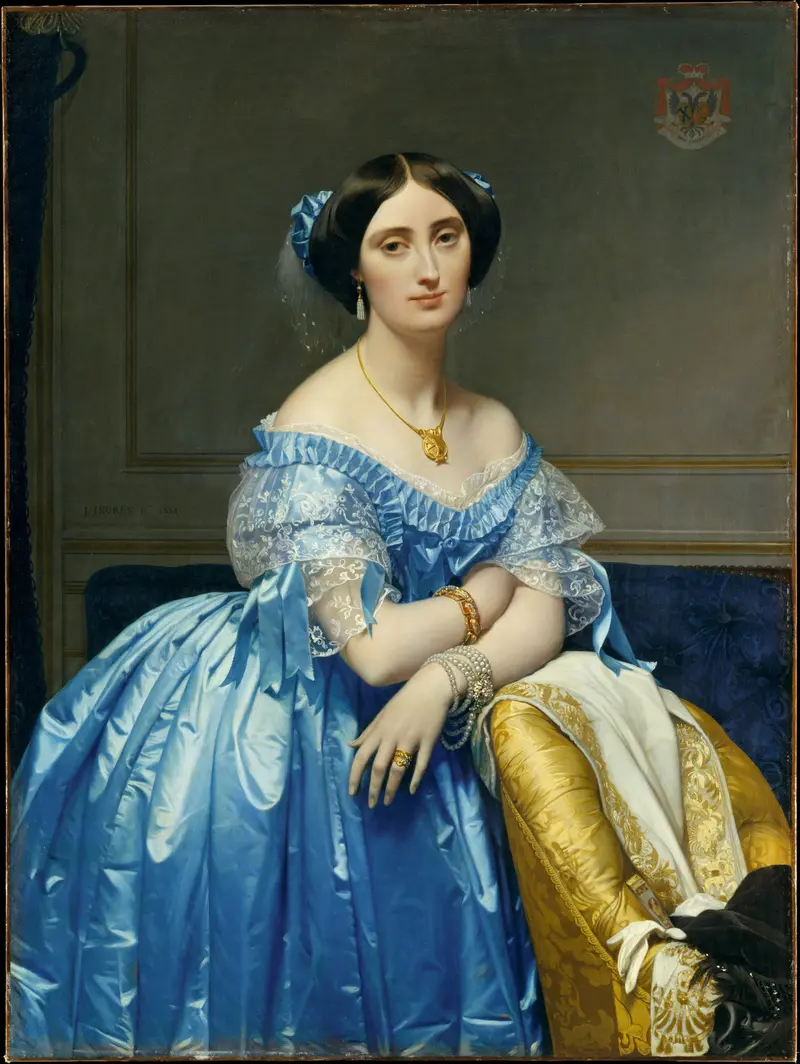
Joséphine-Éléonore-Marie-Pauline de Galard de Brassac de Béarn (1825–1860), Princesse de Broglie
Jean Auguste Dominique Ingres
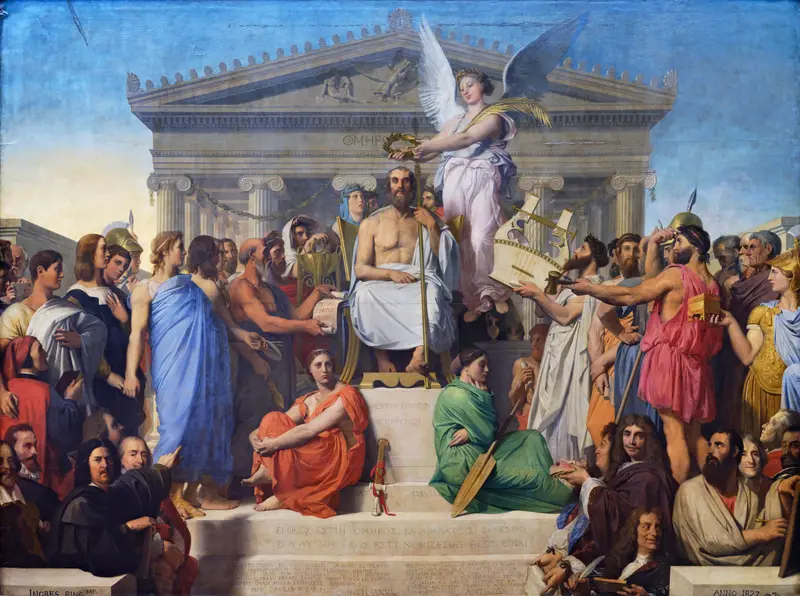
The Apotheosis of Homer
Jean Auguste Dominique Ingres





