
Marina — History & Facts
Is this a mirror — or a memory? The delicate interplay of water and light invites contemplation of the fluid boundaries between what is known and what is felt, echoing themes of rebirth and renewal. Look to the center of the canvas, where the shimmering surface of the water captures the fleeting glow of the setting sun. Notice how the warm tones of orange and gold dance upon the gentle ripples, casting a spell of calm that contrasts with the vibrant blues and greens framing the scene. The ethereal quality of the colors, with their soft blending and gentle brushwork, draws your gaze towards the serene figure, a woman who embodies both tranquility and longing, effortlessly connecting the viewer to the world beyond the canvas. As you explore further, the details reveal a complex emotional landscape.
The woman, wrapped in a flowing garment, seems caught between the earth and the ethereal, suggesting a profound transition. Her gaze, directed towards the horizon, hints at desires unfulfilled, dreams waiting to be awakened. The juxtaposition of her solitary figure against the vastness of the water evokes a sense of introspection, prompting the viewer to ponder the cycles of life and the beauty inherent in rebirth. Eugène Isabey created Marina in 1840 during a time of personal and artistic exploration.
Living in Paris amidst the fervor of Romanticism, he was influenced by the changing tides of art and society. This period marked a growing appreciation for nature and human emotion, allowing Isabey to encapsulate the transformative power of water and light, a testament to his evolving vision as an artist.
More Artworks by Eugène Isabey
Browse all →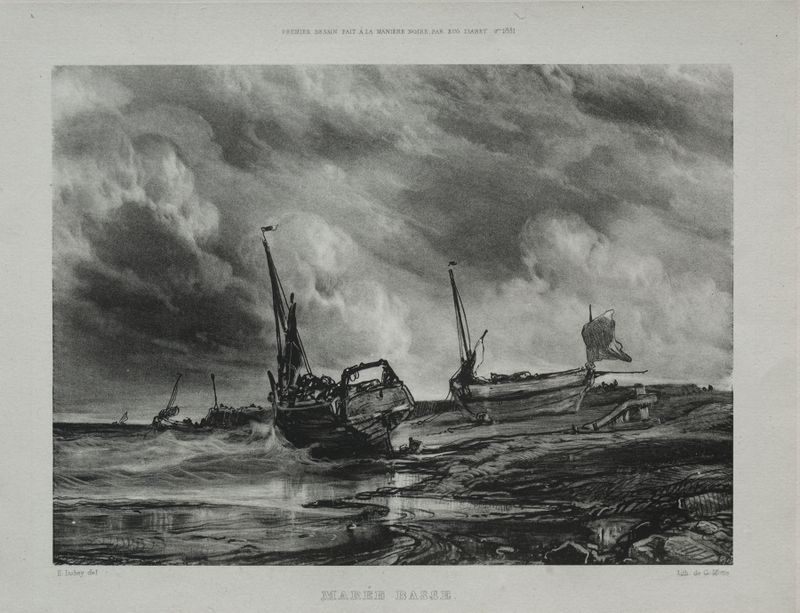
Marée basse
Eugène Isabey

Shipwreck
Eugène Isabey

Shipwreck
Eugène Isabey

The Wreck
Eugène Isabey
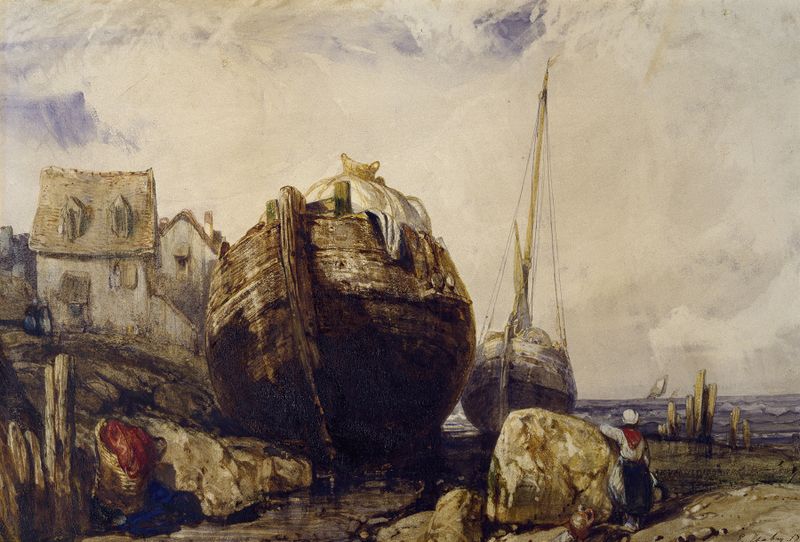
Fishing Boats
Eugène Isabey
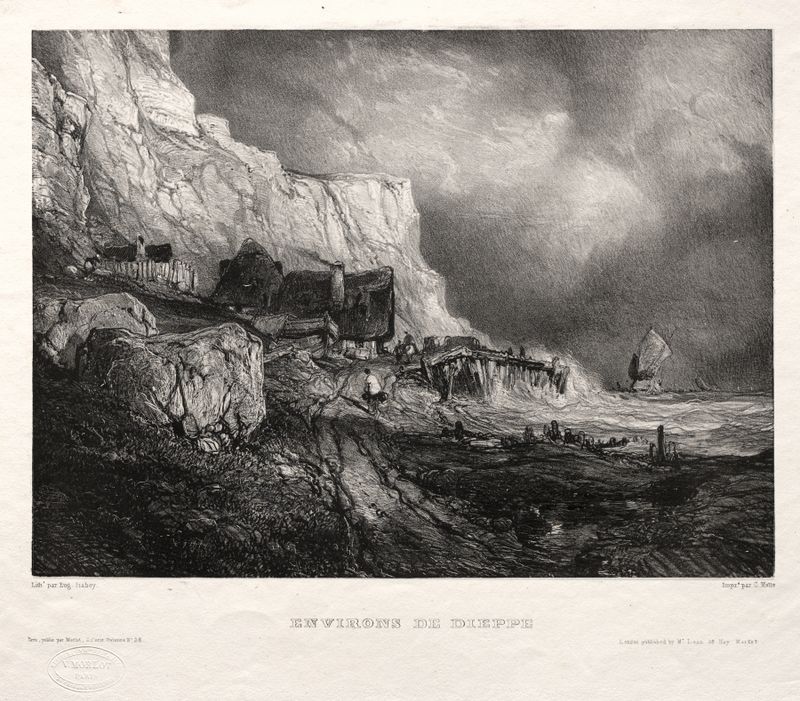
Environs de Dieppe
Eugène Isabey
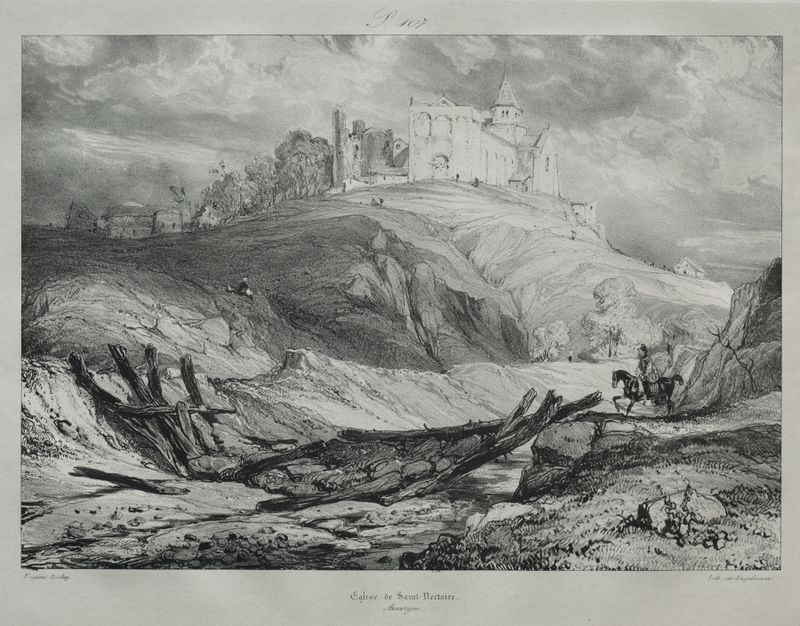
Église de St. Nectaire
Eugène Isabey

Fishing boat at the seaside
Eugène Isabey

Sunset on the Normandy Coast
Eugène Isabey
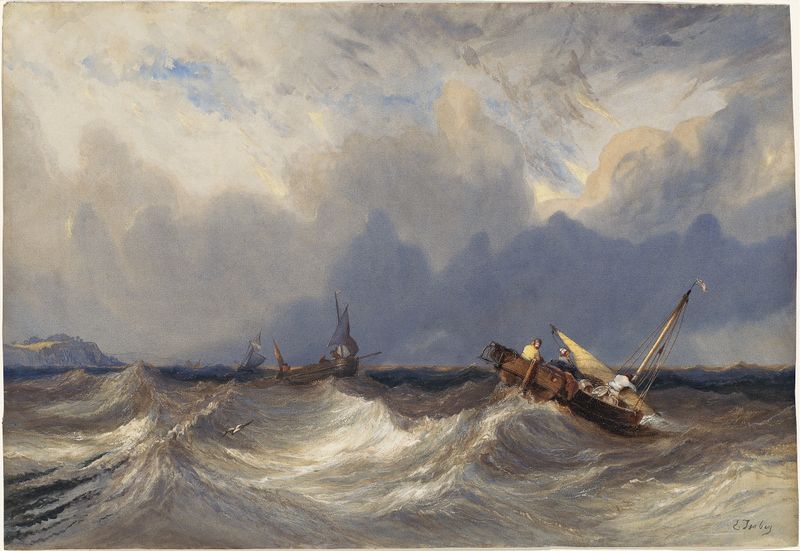
Fishing Boats Tossed before a Storm
Eugène Isabey





