
Mars Resting — History & Facts
When Mars Resting entered the Spanish royal collection in the 17th century, it raised eyebrows for its unorthodox portrayal of the god of war. Rather than glorifying Mars as an invincible hero, Diego Velázquez presented him in a moment of surprising vulnerability—a choice that led some contemporaries to wonder if the painting was a private jest at the expense of martial pride. The work was likely painted around 1640, during Velázquez's tenure as court painter to Philip IV, a period marked by Spain’s military struggles and introspection.
Its candid depiction of a weary Mars has since sparked debate: was it a reflection on the futility of war, or a sly commentary on the realities behind royal propaganda? The painting catches Mars not on the battlefield, but seated, helmet askew, lost in thought. His armor lies discarded at his feet, and his muscular body slumps with exhaustion, his gaze unfocused. The god’s traditional spear and shield are present, but their gleam is dulled, and the red cloak—symbol of war—now serves as a cushion rather than a banner.
In this moment, Velázquez strips away the myth, showing Mars as a man, not a symbol. The realism and psychological depth recall Caravaggio’s approach to sacred subjects, but where Caravaggio dramatized, Velázquez offers a quiet, almost melancholic pause. Though the exact patronage of Mars Resting remains uncertain, it is generally believed to have been painted for the Torre de la Parada, Philip IV’s hunting lodge outside Madrid, where mythological works by Velázquez and others adorned the walls. Over the centuries, the painting survived the dispersal of the royal collections and eventually found its home in the Museo del Prado, where it stands as a testament to Velázquez's unique vision.
The work marks a turning point in his career, as he moved from court portraiture toward more intimate, reflective explorations of myth and humanity.
More Artworks by Diego Velázquez

Las Meninas
Diego Velázquez
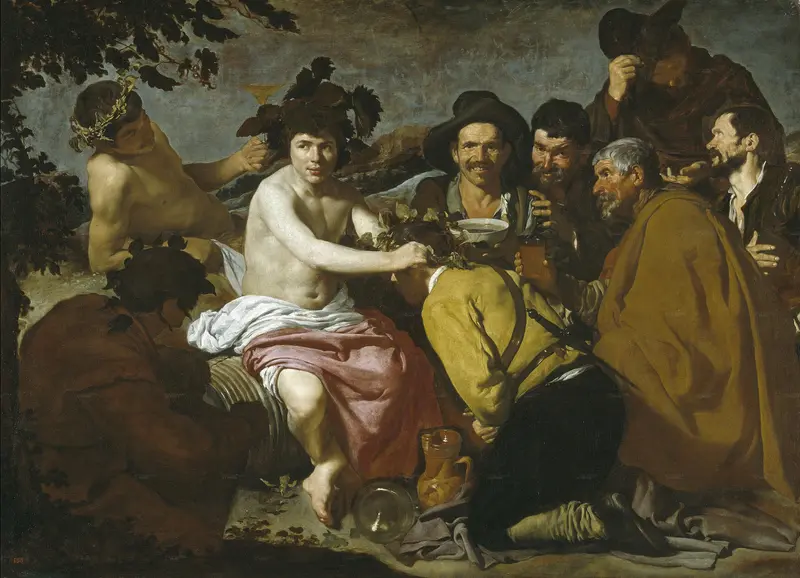
The Triumph of Bacchus
Diego Velázquez
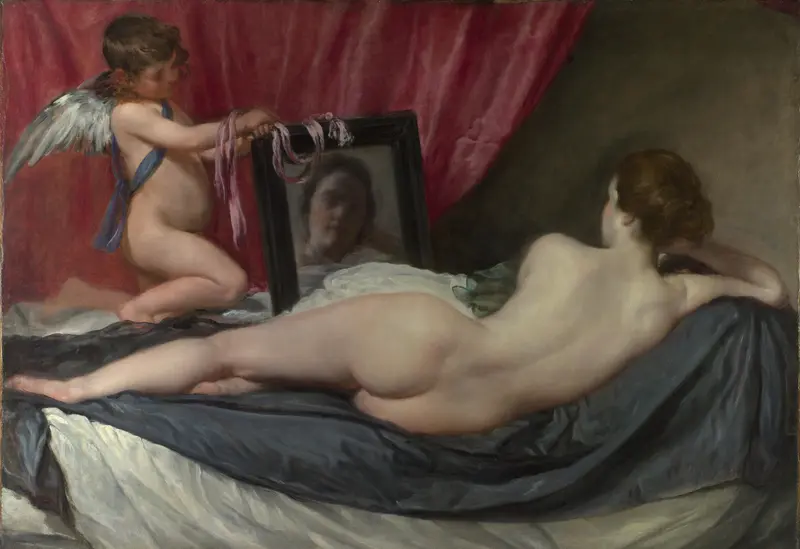
Rokeby Venus
Diego Velázquez
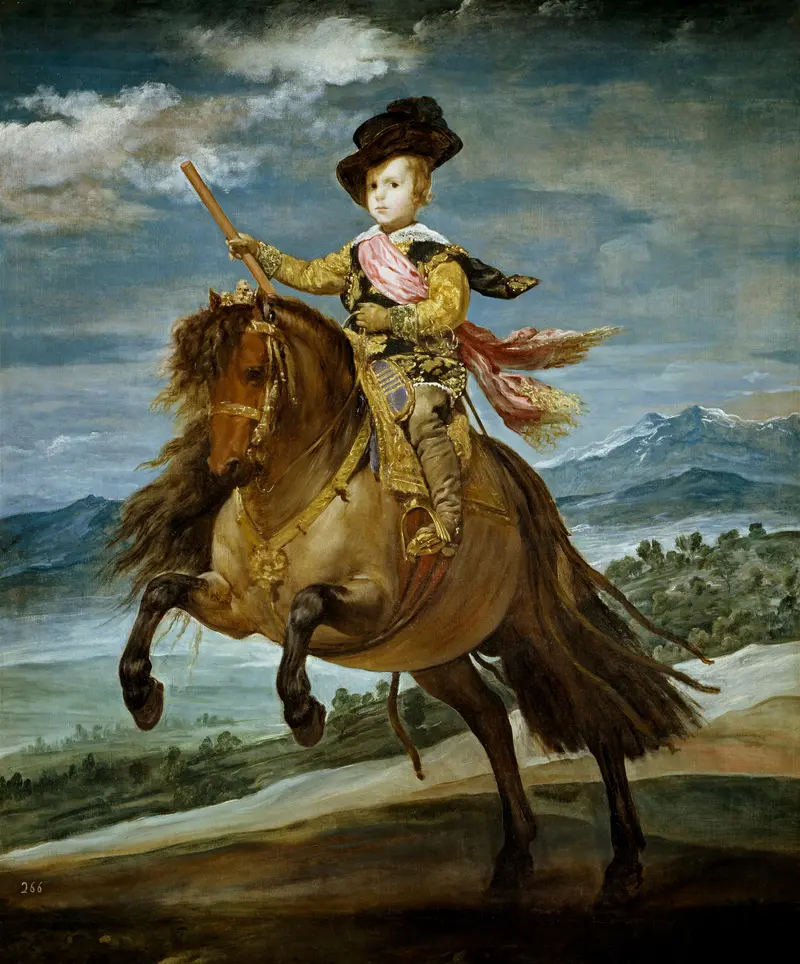
Equestrian Portrait of Prince Balthasar Charles
Diego Velázquez
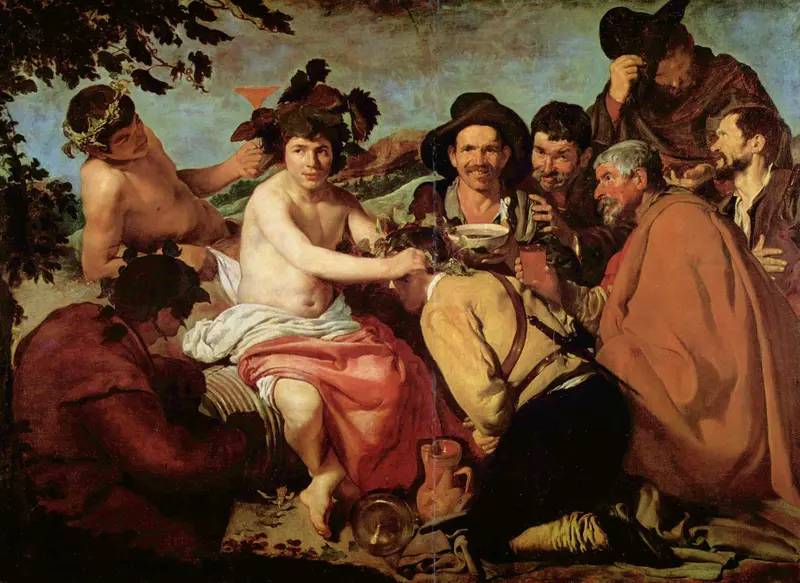
Bacchus
Diego Velázquez
Don Gaspar de Guzmán (1587–1645), Count-Duke of Olivares
Diego Velázquez
El príncipe Baltasar Carlos de Austria
Diego Velázquez
Equestrian Portrait of Philip III
Diego Velázquez
Equestrian Portrait of Margarita of Austria
Diego Velázquez
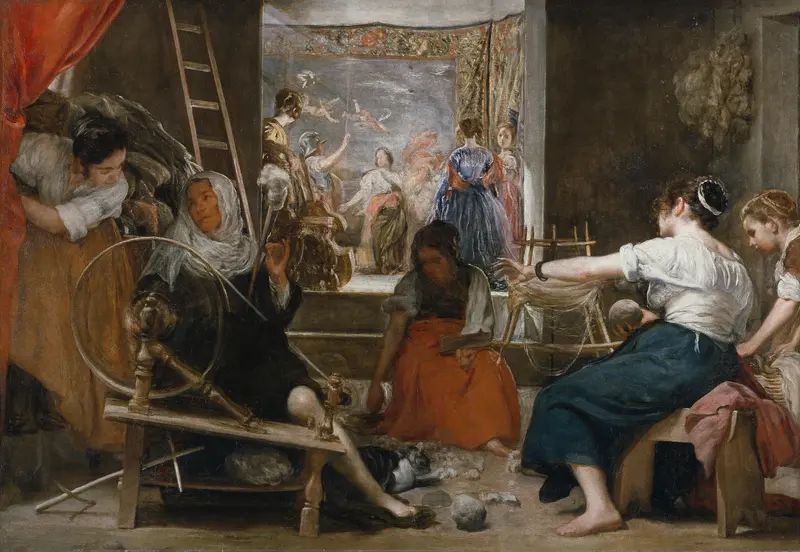
Las Hilanderas
Diego Velázquez





