
Master Cathcart y perro — History & Facts
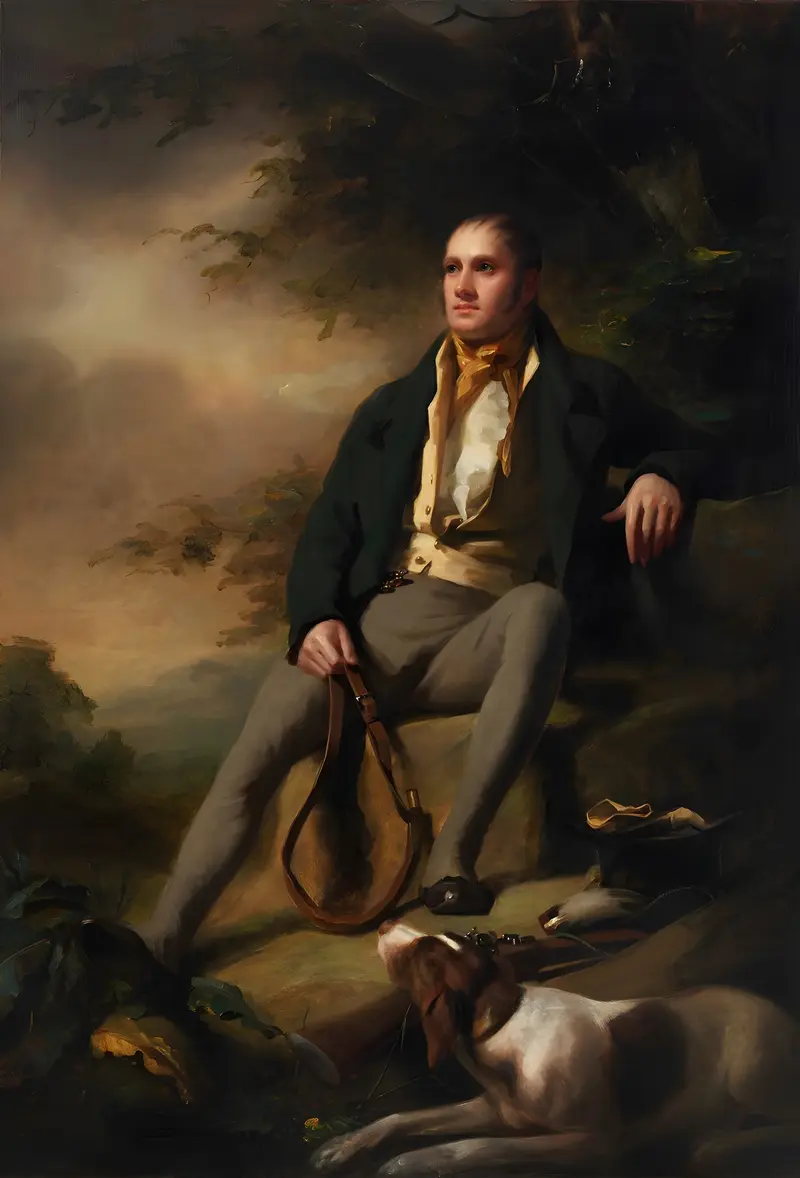
When Master Cathcart y perro entered the public eye, it was immediately noted for its intimate portrayal of childhood, a rarity among British portraiture of the late eighteenth and early nineteenth centuries. Unlike the grand, formal commissions that dominated the era, this work by Sir Henry Raeburn stands out for its informality and warmth, capturing not only the likeness but the spirit of its young subject. The painting’s provenance is unclear, and its date remains unknown, adding a layer of mystery that continues to intrigue scholars and collectors alike.
Some have speculated that it was painted for the Cathcart family, prominent figures in Scottish society, but direct documentation has yet to surface. The presence of the dog, an unusual addition in Raeburn’s oeuvre, further distinguishes the work. At the heart of the scene is a boy—Master Cathcart—caught in a moment of gentle camaraderie with his loyal dog. The child’s gaze is direct, his posture relaxed, as the animal leans affectionately against him, suggesting a bond of trust and companionship.
Raeburn’s use of light draws the viewer’s eye to the interplay between the boy’s hand and the dog’s head, emphasizing their connection. The background is rendered in soft, muted tones, allowing the figures to emerge with clarity and presence. This approach recalls the informality found in Thomas Gainsborough’s child portraits, yet Raeburn’s brushwork is more robust, his attention to texture and flesh lending the scene a sense of immediacy and life. The painting’s journey through history remains largely undocumented, typical of many lesser-known works by Sir Henry Raeburn.
Its attribution has never been seriously questioned, as the confident handling and psychological insight are hallmarks of Raeburn’s mature style. Today, Master Cathcart y perro is valued both as a tender family portrait and as a window into the social fabric of Georgian Scotland. Whether it once hung in a private drawing room or was displayed more publicly is not known, but its survival allows us to glimpse the private world of its sitter and artist.
In the broader context of Raeburn’s career, it stands as a testament to his ability to capture individuality and warmth, even in the most unassuming of subjects.
More Artworks by Sir Henry Raeburn

Portrait of Hugh Hope
Sir Henry Raeburn
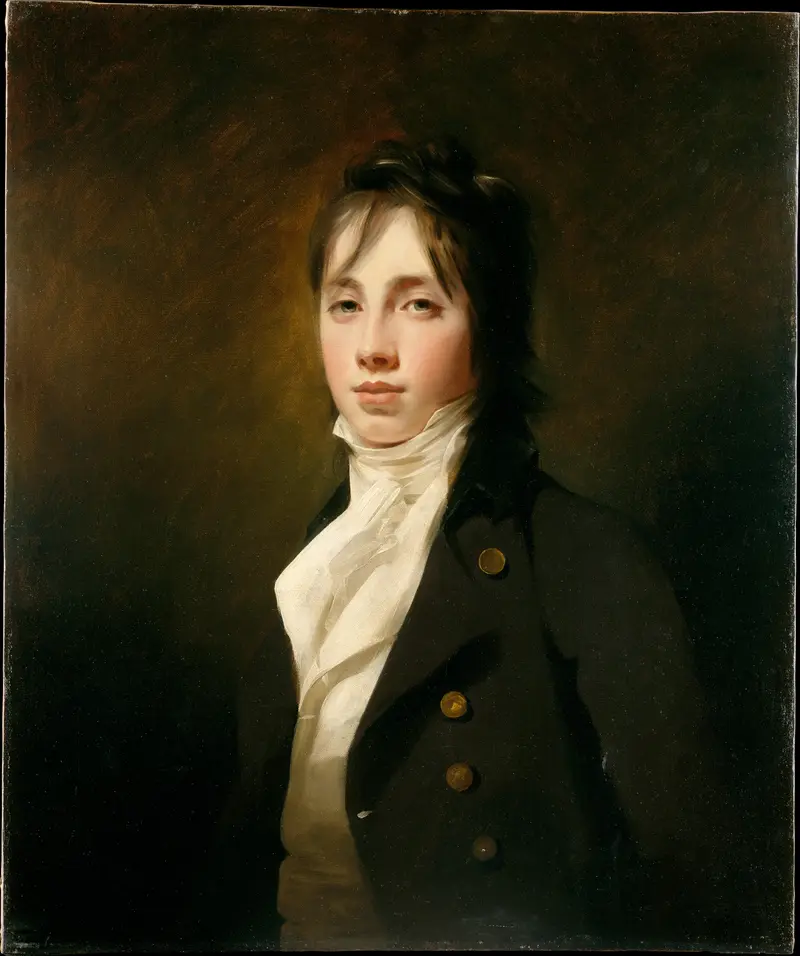
William Fraser of Reelig (1784–1835)
Sir Henry Raeburn
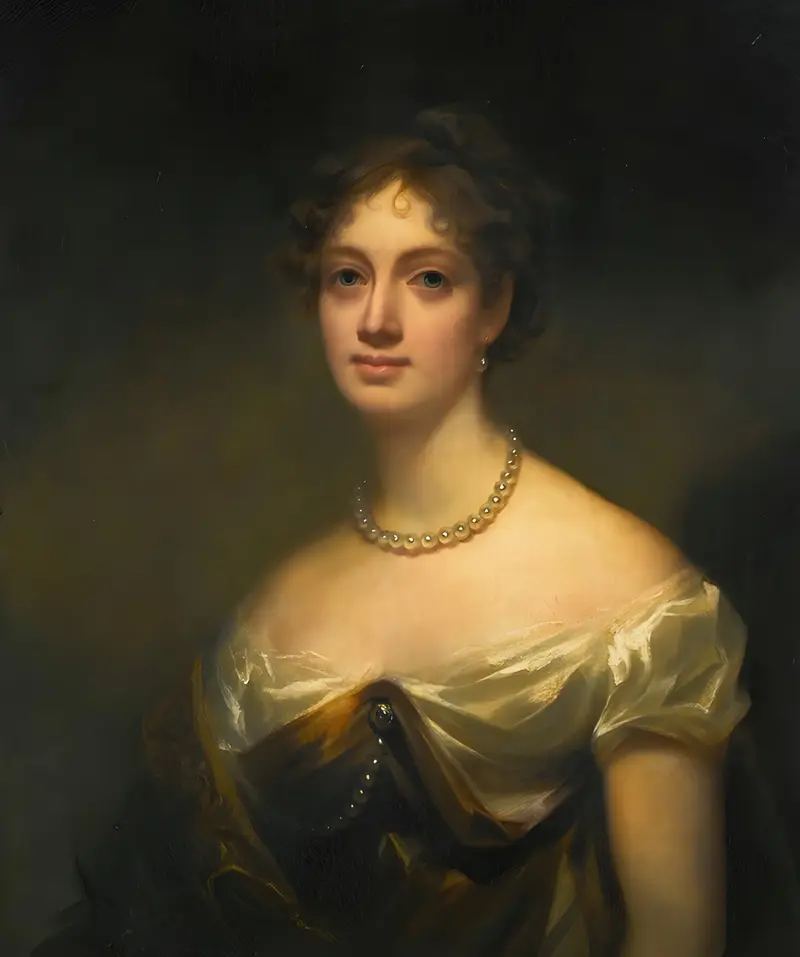
Portrait Of Anne Blair Maconochie Welwood Of Garvock, Lady Meadowbank (1784–1866)
Sir Henry Raeburn
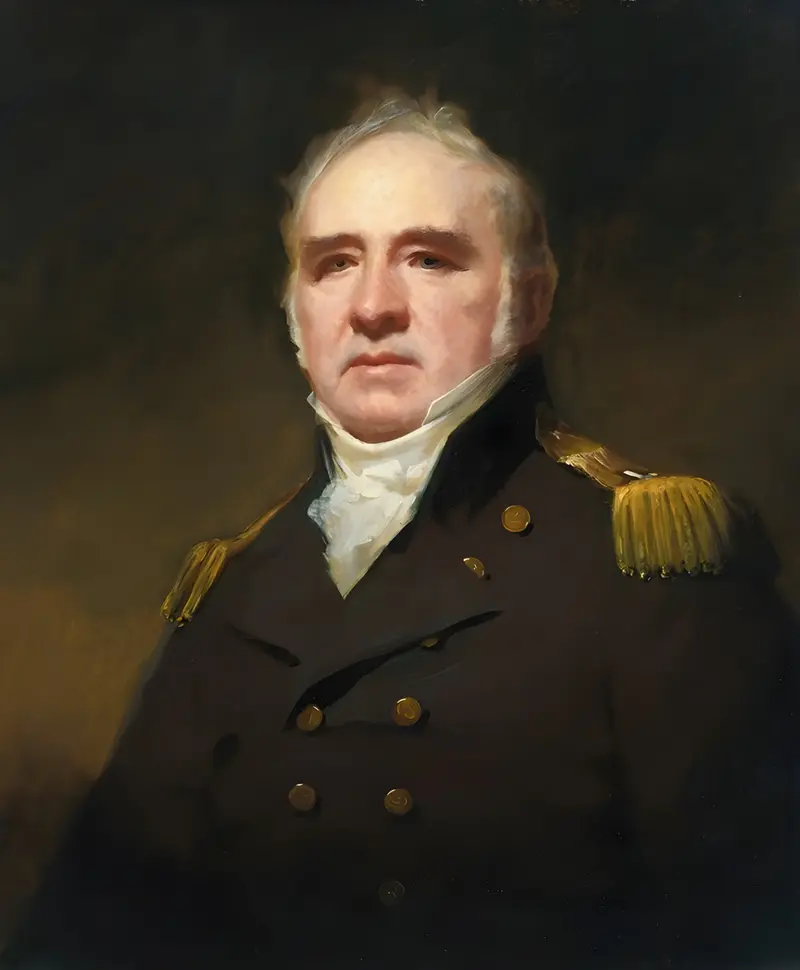
Portrait Of Captain James Forbes-Drummond, R.N., Of Hawthornden
Sir Henry Raeburn
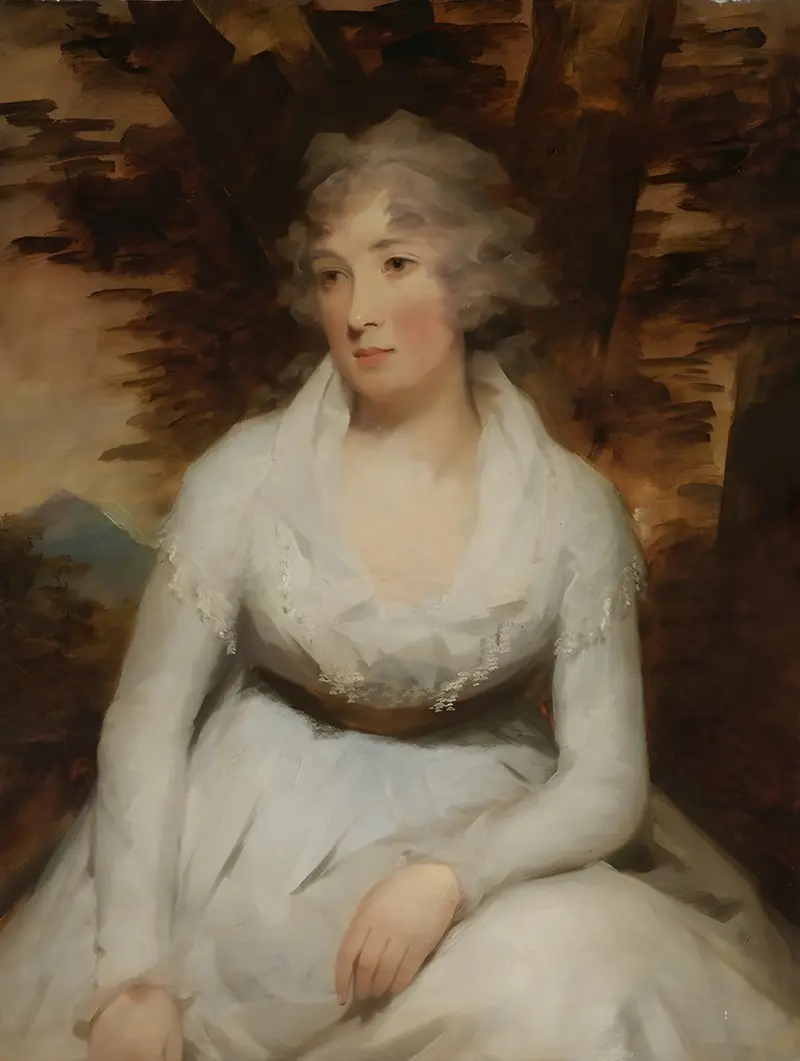
Miss Elizabeth Dalrymple (afterwards Mrs. George Leith)
Sir Henry Raeburn
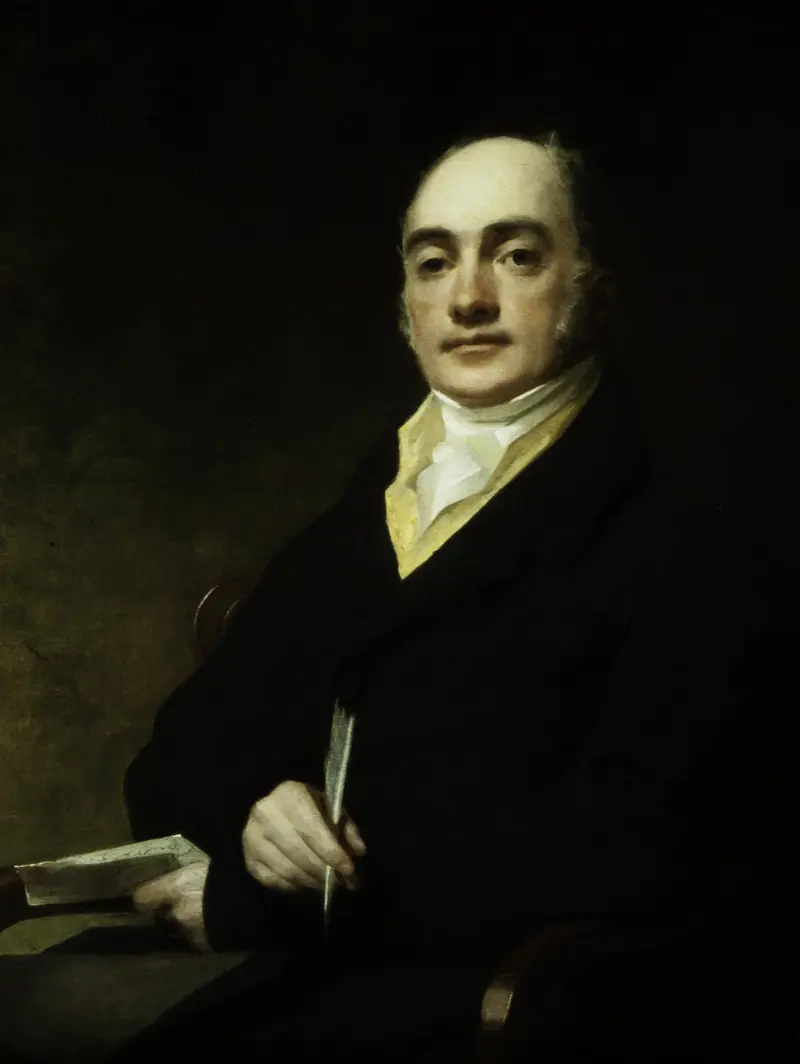
Portrait of John Baillie (1772-1833)
Sir Henry Raeburn
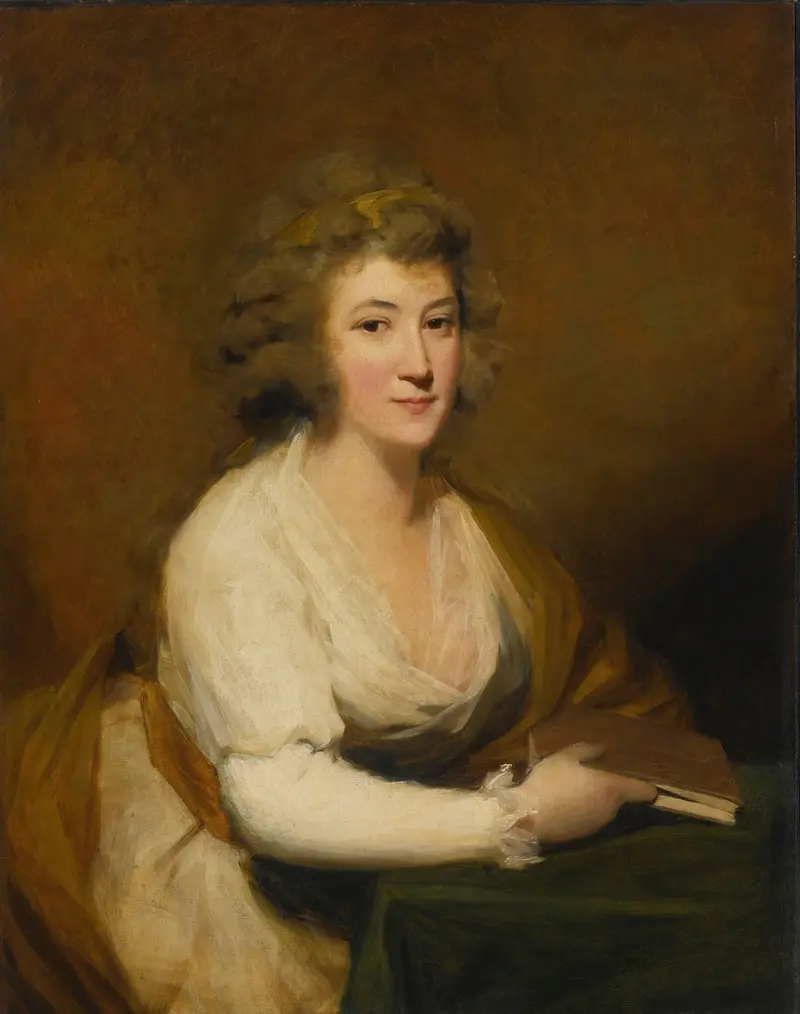
Portrait Of Lady Nasmyth, In A White Dress And Brown Shawl, Seated At A Table, Holding A Book
Sir Henry Raeburn
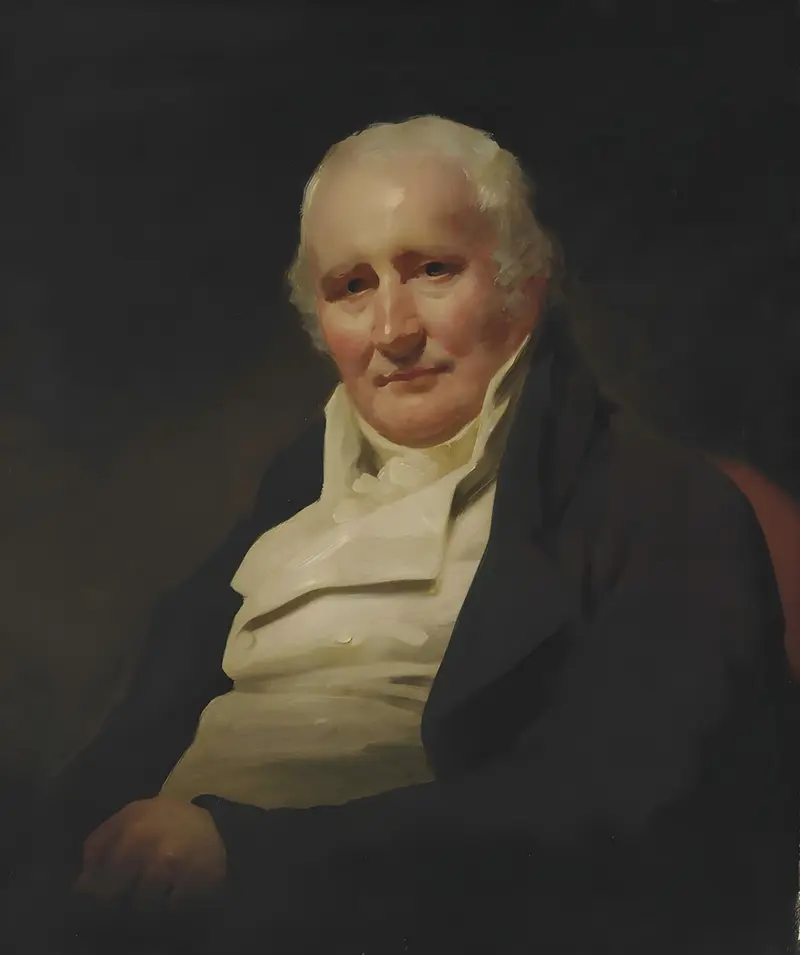
Portrait Of Mr. Spottiswood
Sir Henry Raeburn
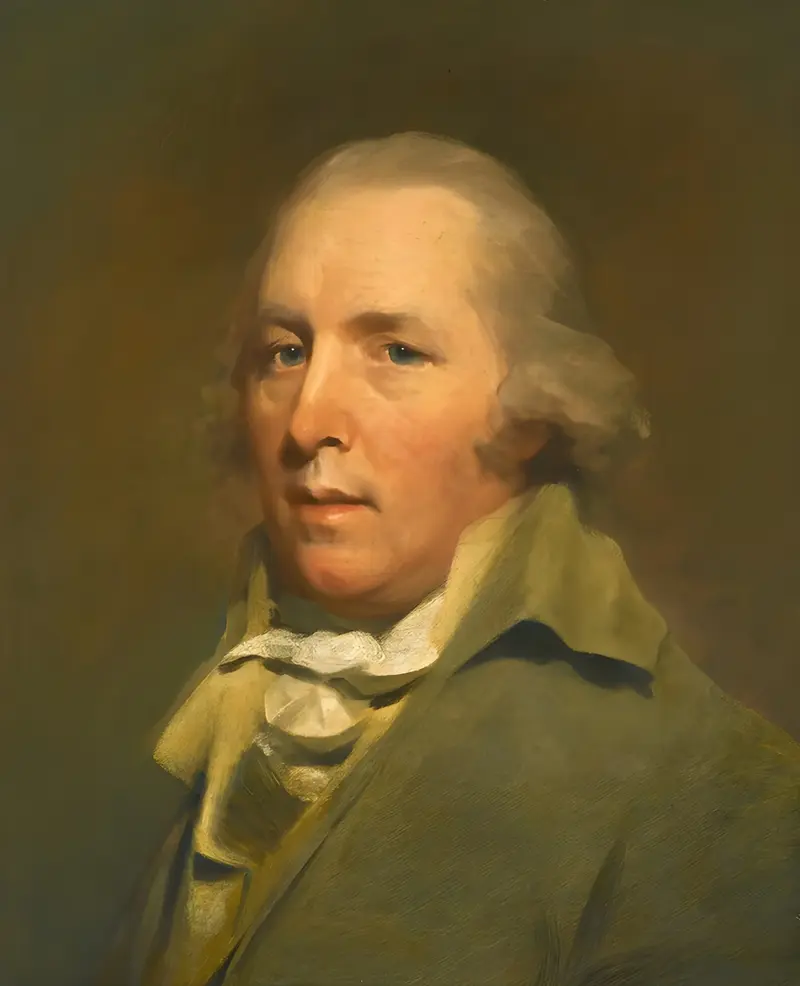
Portrait Of The Reverend John Home (1722-1808)
Sir Henry Raeburn
Portrait of William Hunt (c.1796-1854), Pittencrief House, Dunfermline
Sir Henry Raeburn





