
Matsushima — History & Facts
This sentiment resonates deeply within the vibrant expanse of Matsushima, where nature's wild beauty is tamed by the deft hand of artistry. It invites us to consider the moments of awakening that transform disorder into harmony, urging us to witness the sublime interplay between land and sea. Focus on the left side, where delicate strokes conjure the serene outline of islands emerging from a translucent mist, each one an echo of tranquility. The artist’s masterful use of colors—soft blues juxtaposed with warm golds—creates a captivating dialogue between the sky and water.
Notice how the waves replicate the undulating movement of the clouds above, connecting heaven and earth. Every brushstroke seems alive, pulsing with life, while the ethereal light casts an enchanting glow, immersing us in this tranquil Japanese landscape. Yet, within this picturesque serenity lies a juxtaposition—mountains loom in the distance, imposing yet inviting, echoing the tension between human fragility and nature’s grandeur. The contrast of light and shadow evokes a sense of awakening, as if nature itself breathes and shifts under the weight of contemplation.
It speaks to a moment where chaos is not merely subdued but celebrated, allowing room for introspection and connection with the sublime. In 1896, Kobayashi Kiyochika painted this work during a time when traditional Japanese art faced the waves of modernization. Living in Tokyo amidst a rapidly changing society, he sought to blend Western influences with his cultural heritage. Matsushima embodies this desire, capturing not just a landscape but the very essence of awakening—both for the artist and for the world around him.
More Artworks by Kobayashi Kiyochika
Browse all →
Thunder and Lightning at Oumaya Bridge
Kobayashi Kiyochika

Shinkyō, Sacred Bridge at Nikkō
Kobayashi Kiyochika

Daybreak at Shrine, Kanda
Kobayashi Kiyochika

The Great Fire at Ryōgoku Bridge, Viewed from Asakusa Bridge on the 26th of January, 1881
Kobayashi Kiyochika

The Moon At Shinagawa
Kobayashi Kiyochika
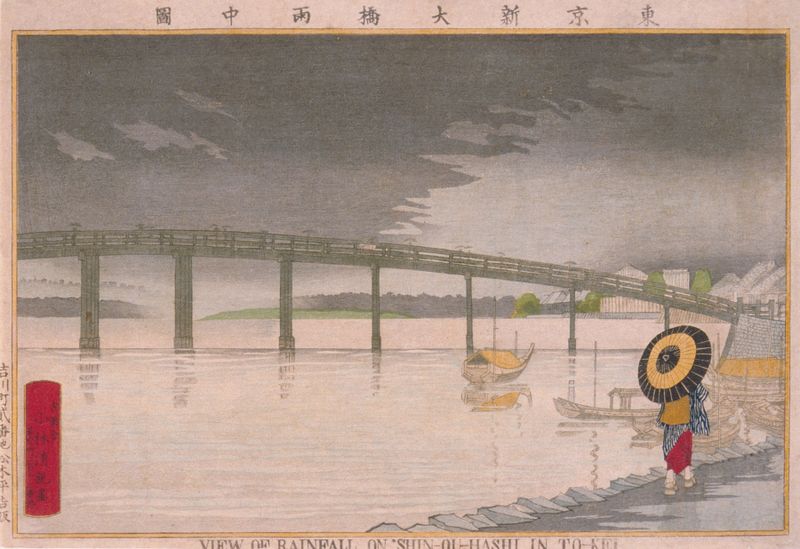
View of Rainfall on Shin-Ou-hashi in To-kei
Kobayashi Kiyochika

Evening at Tōshōgū Shrine, Ueno, Tokyo
Kobayashi Kiyochika

Snow at Ochanomizu
Kobayashi Kiyochika
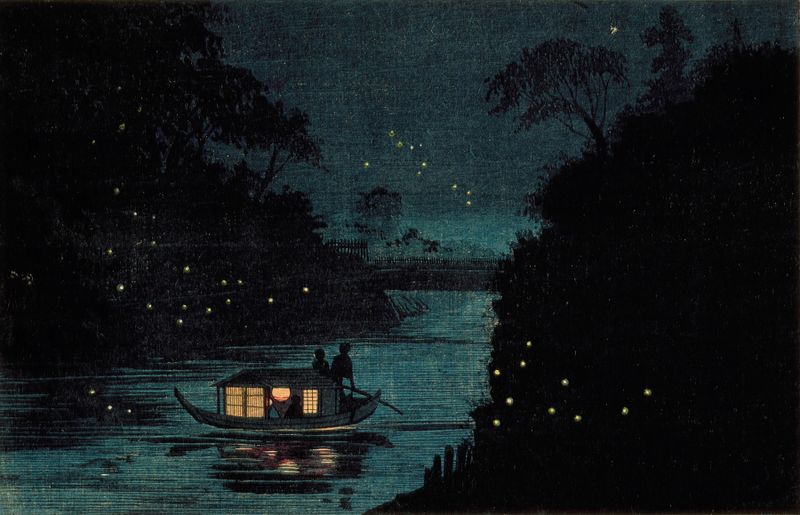
Fireflies at Ochanomizu
Kobayashi Kiyochika
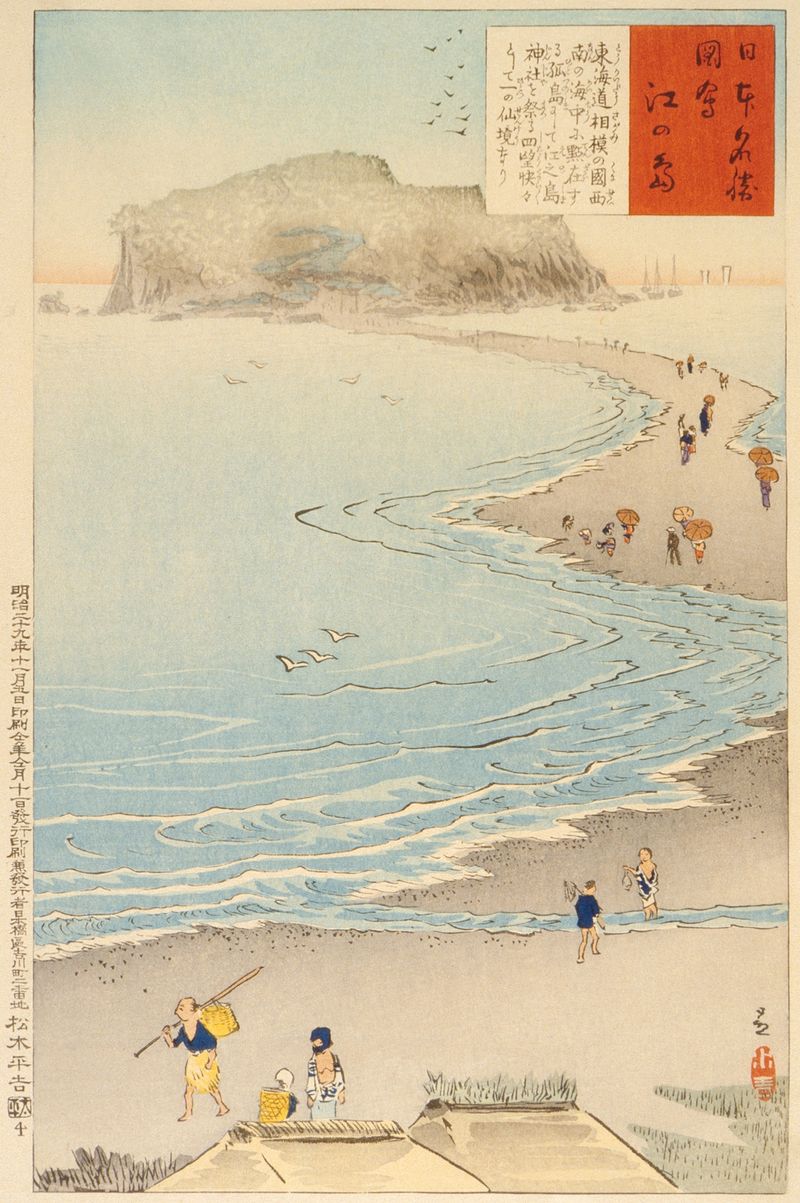
The Island Enoshima
Kobayashi Kiyochika





