Mediaeval Ornament No. 1 — History & Facts
What first draws the eye in Mediaeval Ornament No. 1 by Owen Jones is the interplay of delicate symmetry and sudden bursts of color. The pattern seems almost to breathe: muted golds and soft greys form a quiet, leafy lattice, while sharp, lively reds dart across the surface like birds startled from a hedge.
Each tendril and blossom is meticulously placed, yet the overall effect is one of organic growth, as if the design has unfurled naturally across the page. The repetition is soothing, but the flashes of red keep the viewer alert, inviting closer inspection of each motif and flourish. This chromolithograph, published in London in 1910 and now preserved in the Polona Digital Library, is a testament to the 19th-century fascination with historical ornament and the search for universal design principles. In the Victorian era, artists and architects like Owen Jones turned to the Middle Ages for inspiration, believing that the decorative arts of that period held lessons for modern design.
Works such as this were not just for admiration—they served as reference and teaching tools, codifying the vocabulary of ornament for a new generation. The careful cataloguing of forms, colors, and rhythms in Mediaeval Ornament No. 1 reflects a moment when the past was mined for its beauty and its rules, and when the printed page became a bridge between centuries.
The next time you look, let your eye wander through the pattern’s labyrinth and imagine the hands that revived these medieval dreams for a modern world.
More Artworks by Owen Jones

Greek Ornament No. 1
Owen Jones
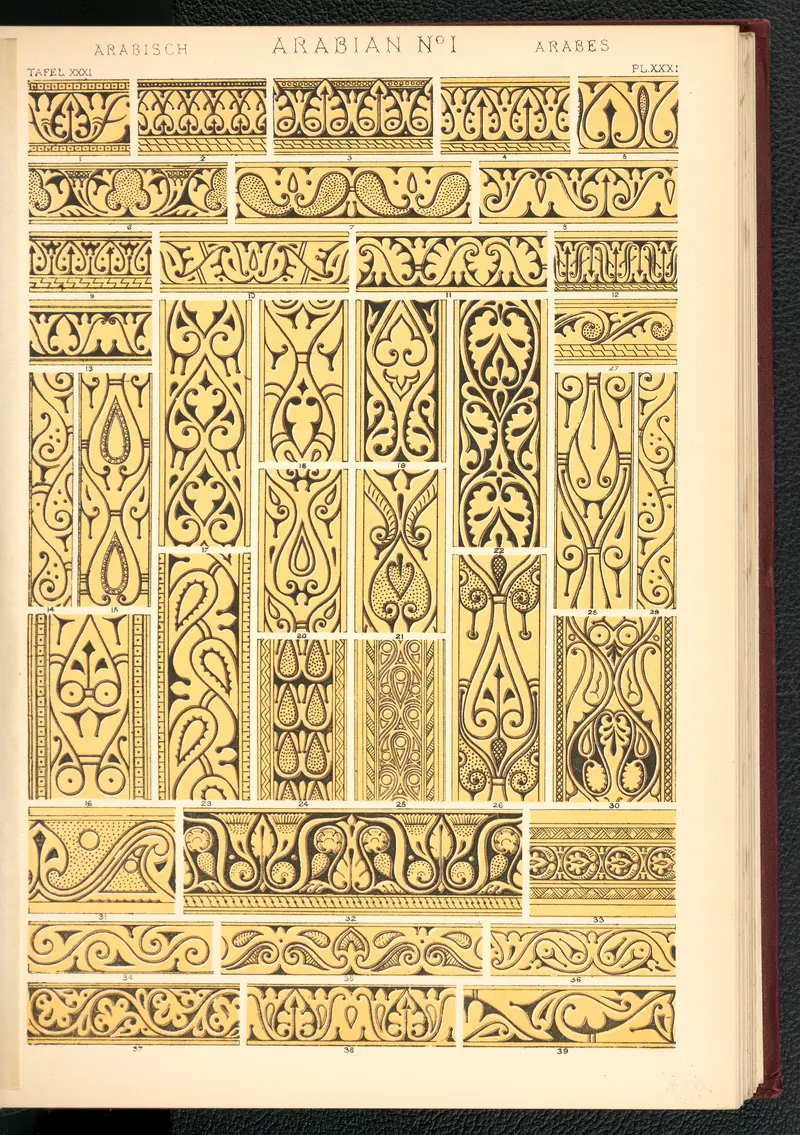
Arabian Ornament No. 1
Owen Jones
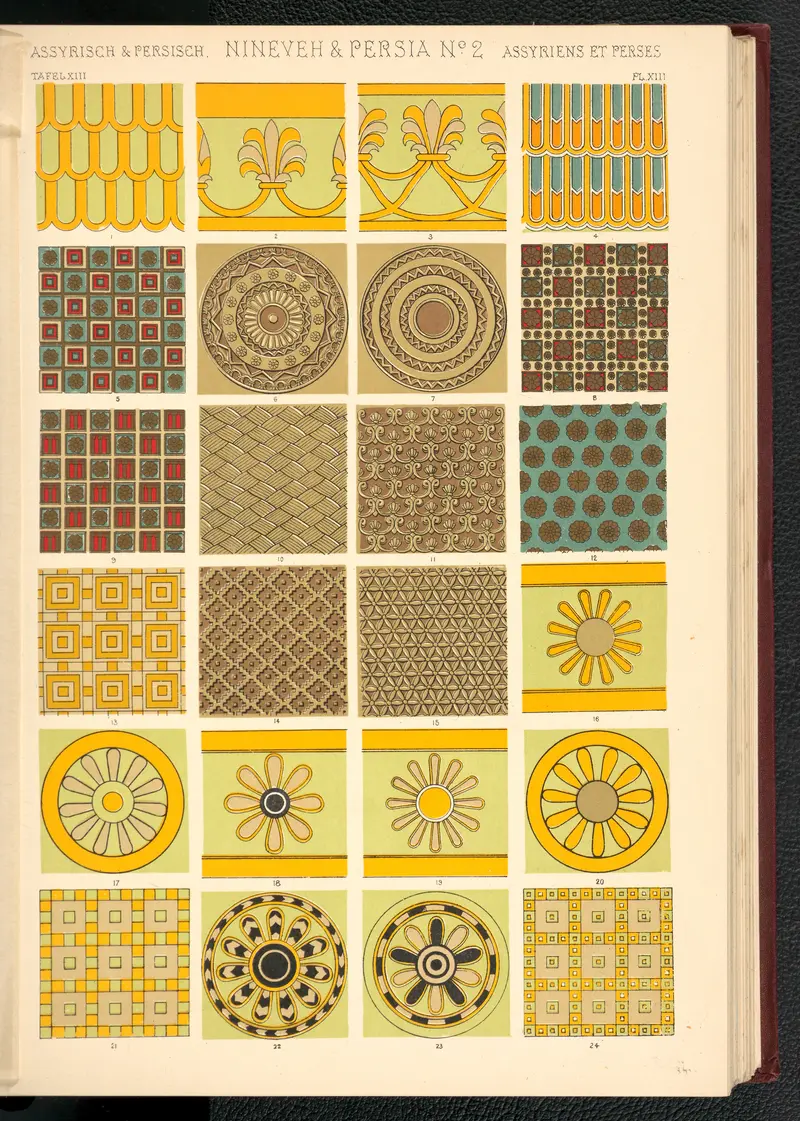
Assyrian Ornament No. 2
Owen Jones

Egyptian Ornament No. 3
Owen Jones
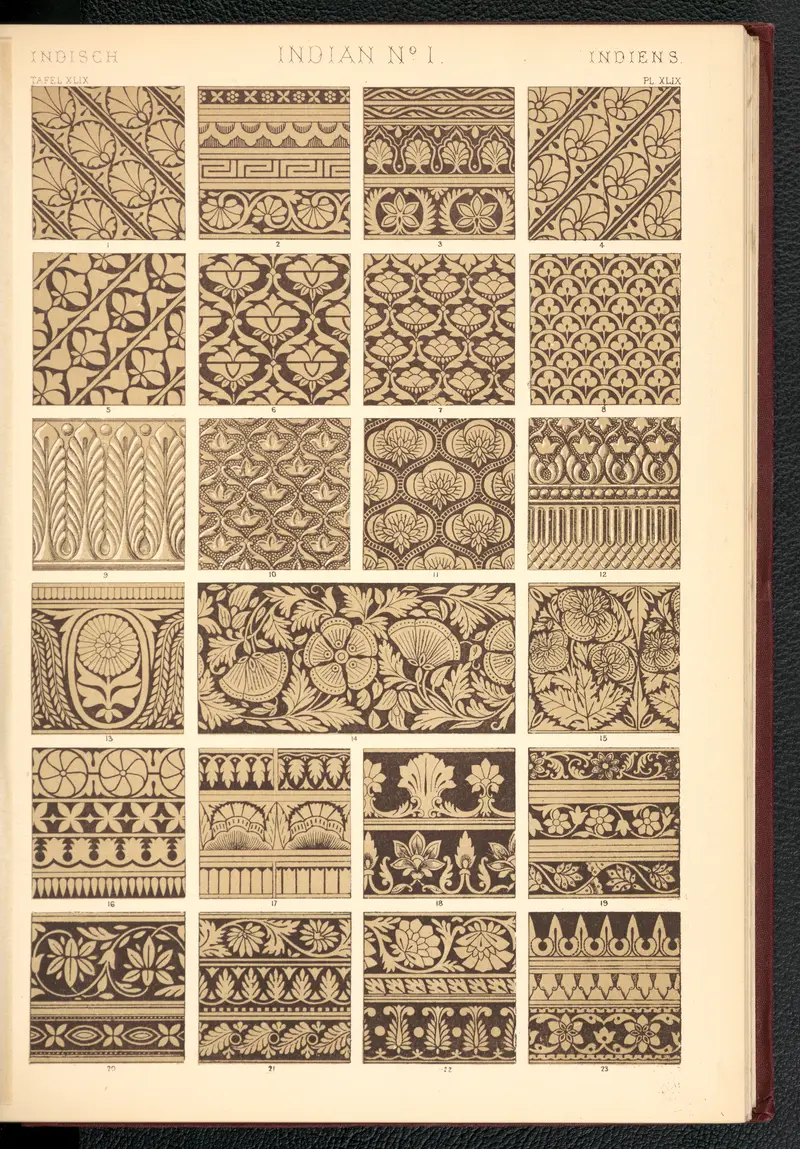
Indian Ornament No. 1
Owen Jones
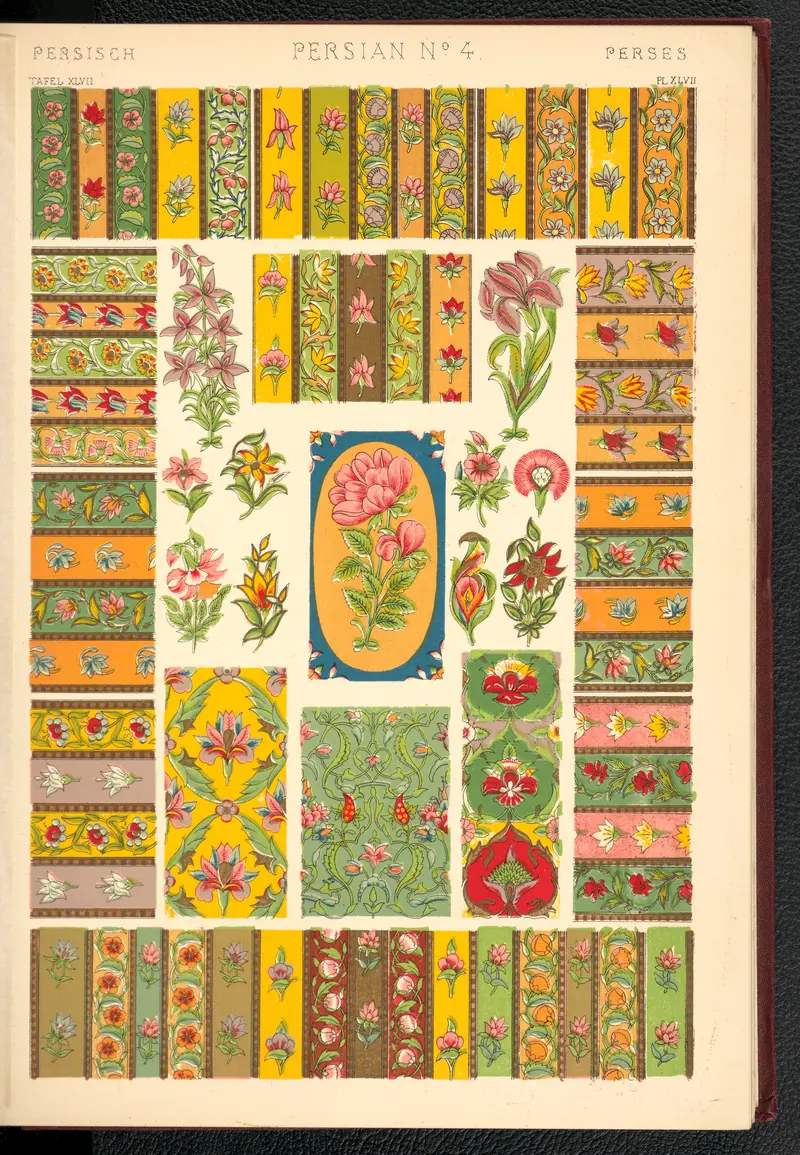
Persian Ornament No. 4
Owen Jones
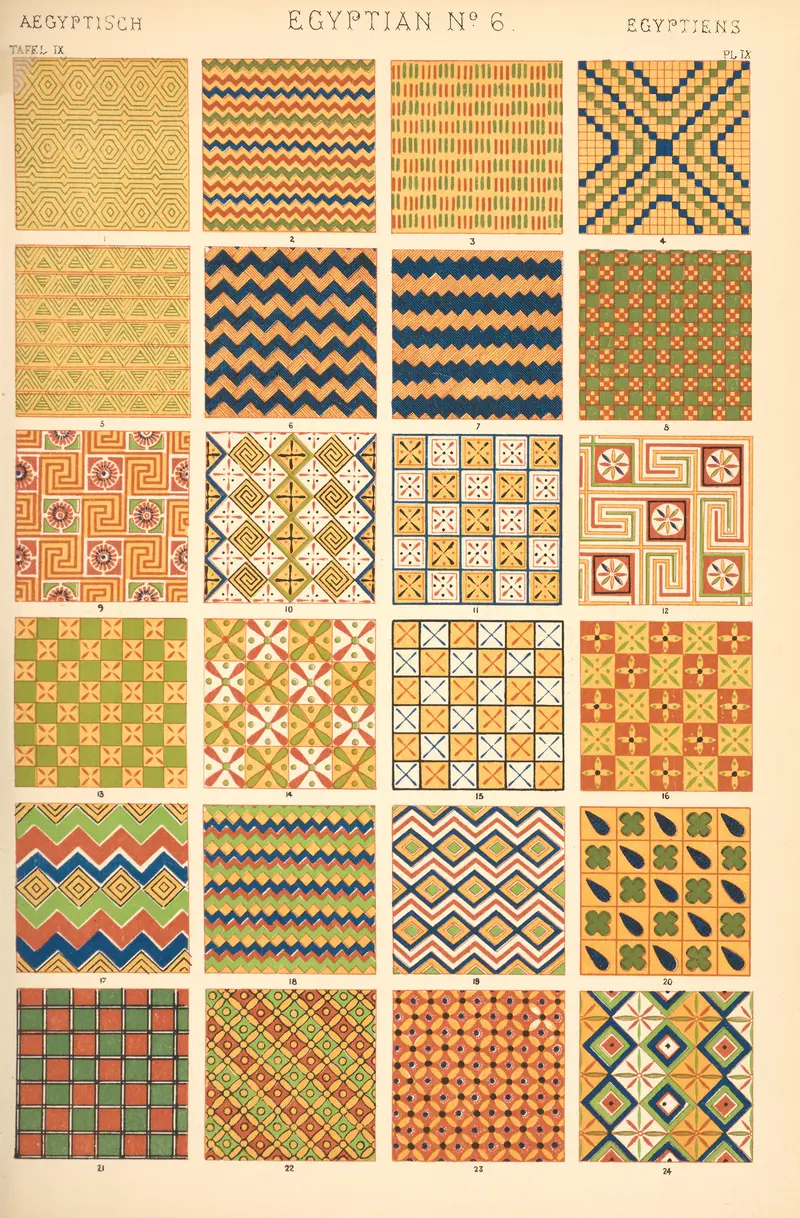
Egyptian Ornament No. 6
Owen Jones
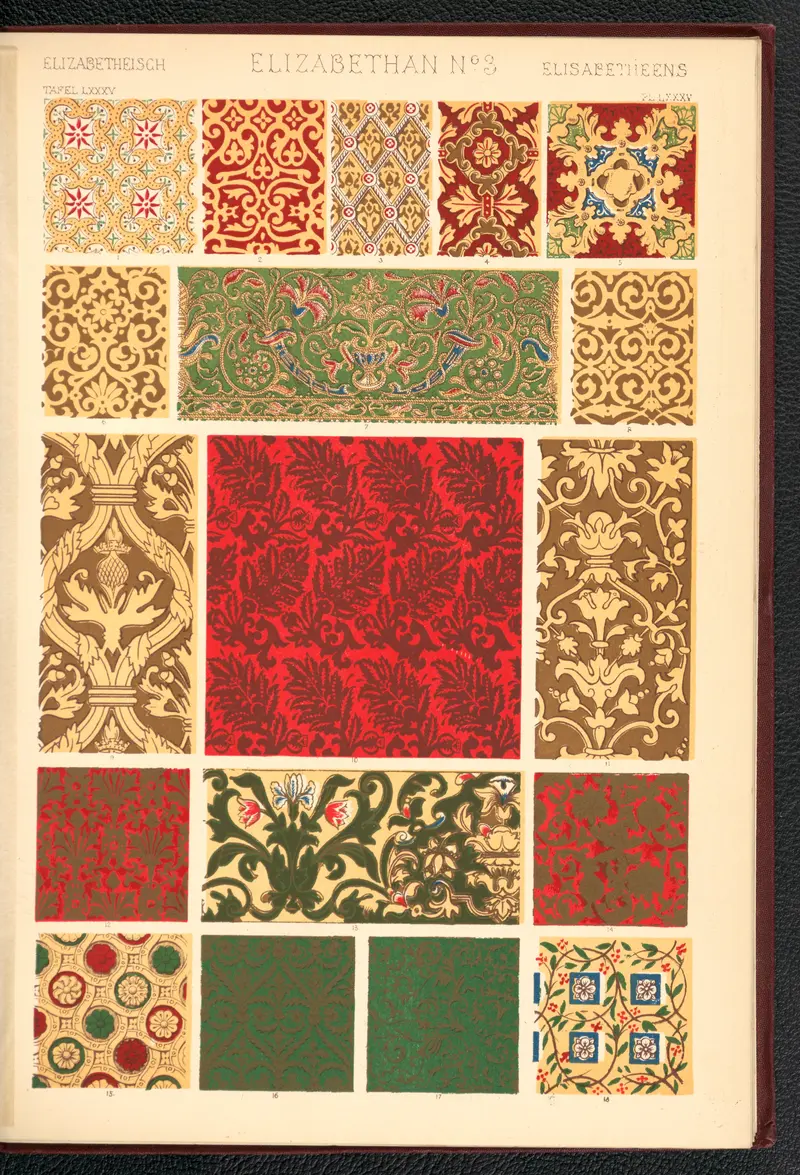
Elizabethan Ornament No. 3
Owen Jones
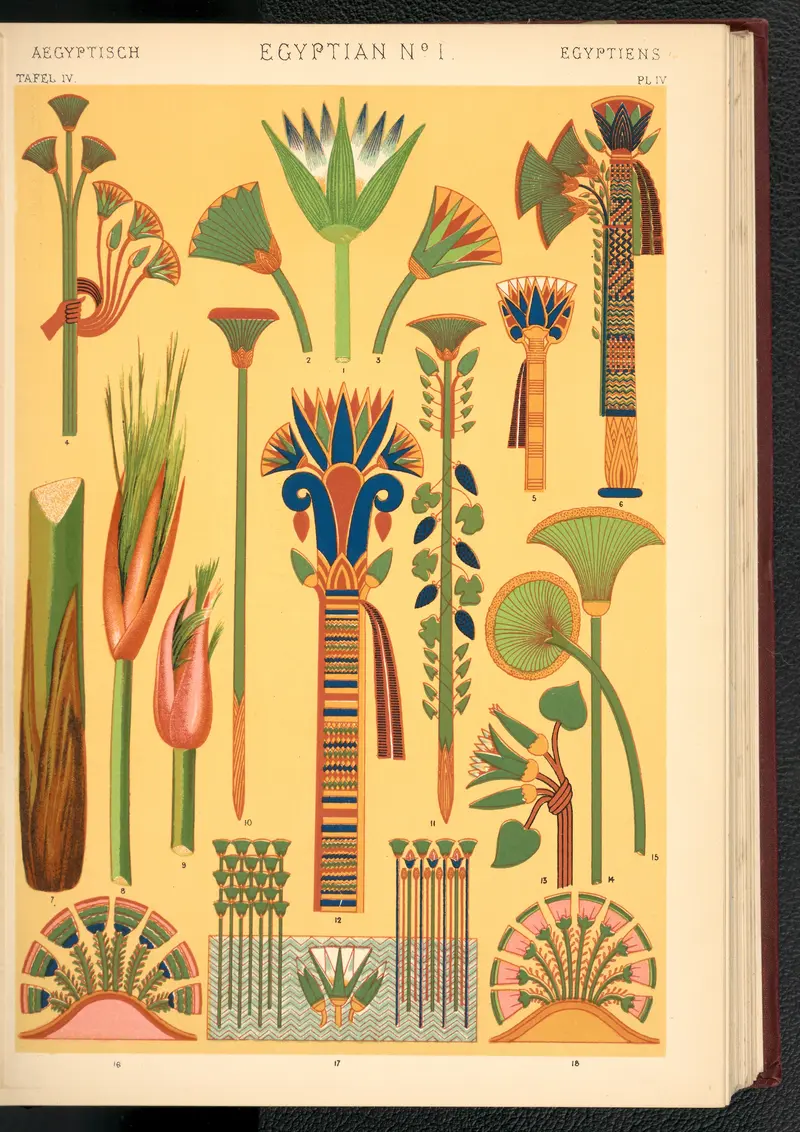
Egyptian Ornament No. 1
Owen Jones
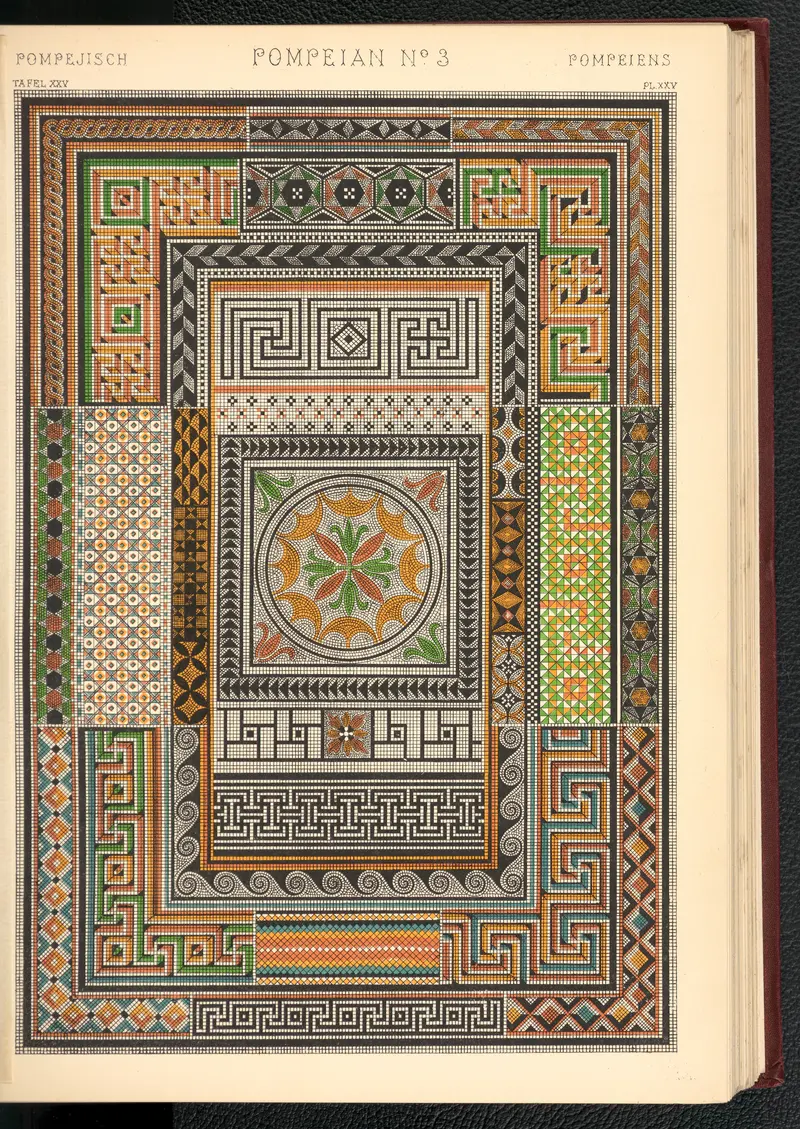
Pompeian Ornament No. 3
Owen Jones