
Meeresküste von Sylt — History & Facts
Who listens when art speaks of silence? In Meeresküste von Sylt, the quietude of the coastline unfolds, inviting the viewer into a world defined by shadow and light. Look to the center of the canvas, where the gentle waves lap against the shore, their rhythmic dance blending harmoniously with the serene sky. Notice how the artist employs a palette of muted blues and soft grays, creating a tranquil atmosphere that envelops the viewer. The play of light is masterful; sunlight filters through clouds, casting delicate shadows that accentuate the contours of the dunes and the fluidity of the water, drawing your eye across the expanse of this idyllic seascape. Beneath the surface, the painting whispers of deeper contrasts—between solitude and the vastness of nature, between the gentle pull of the tide and the unyielding shoreline.
The distant horizon looms, a reminder of the infinite, while the shadows deepen in the foreground, suggesting a hidden narrative. Perhaps this coastline holds the secrets of countless forgotten stories, echoing the silence that permeates the scene, leaving the viewer with a bittersweet sense of contemplation. In 1892, Emil Jakob Schindler found himself in the picturesque landscape of Sylt, a retreat from the bustling art centers of Europe. During this period, he was exploring the themes of natural beauty and tranquility, influenced by the burgeoning Impressionist movement.
His work sought to capture the ephemeral qualities of light and atmosphere, reflecting both his personal journey and the collective search for solace in a rapidly changing world.
More Artworks by Emil Jakob Schindler
Browse all →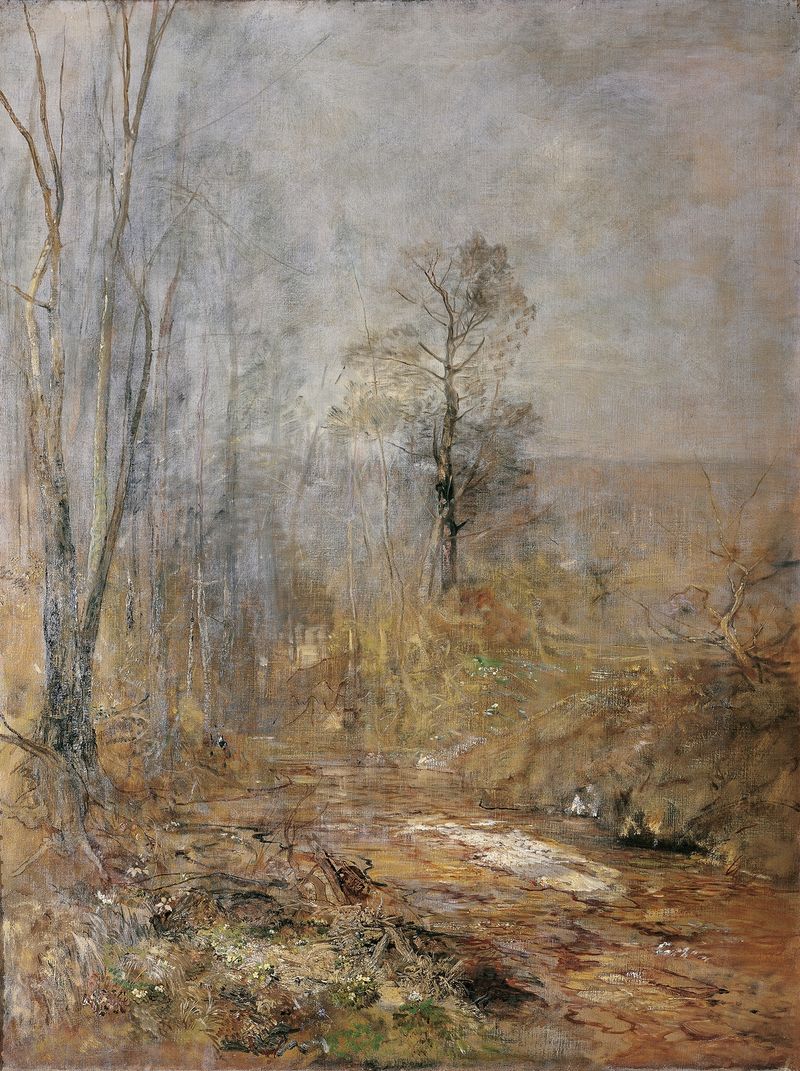
Märzstimmung – Vorfrühling im Wienerwald
Emil Jakob Schindler
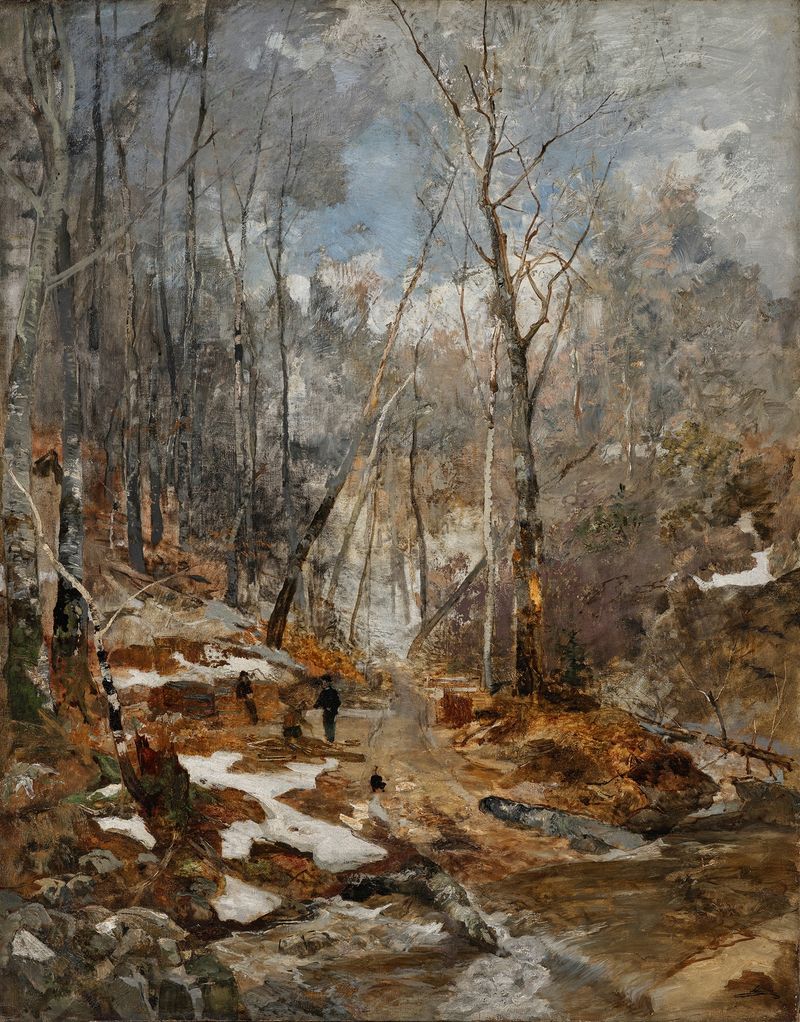
Februarstimmung – Vorfrühling im Wienerwald
Emil Jakob Schindler
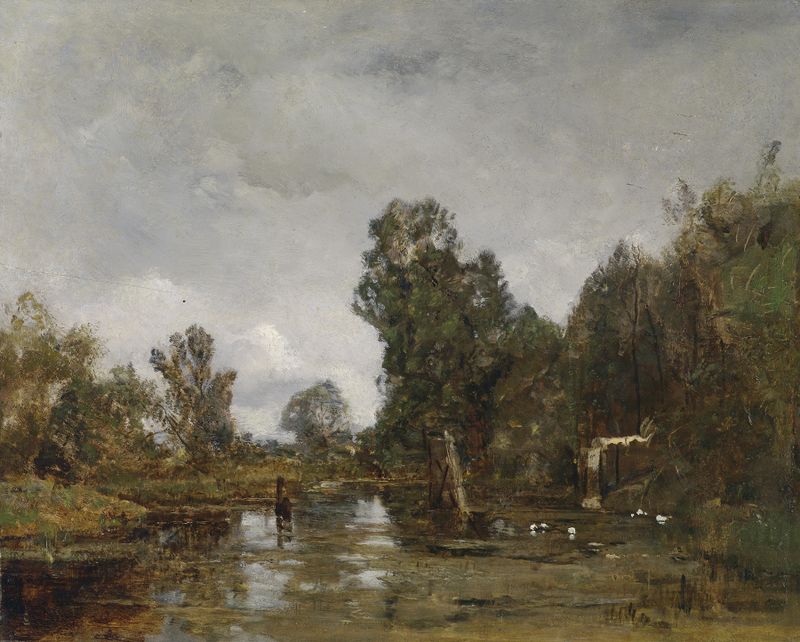
Motiv aus dem Wiener Prater (Krieau)
Emil Jakob Schindler
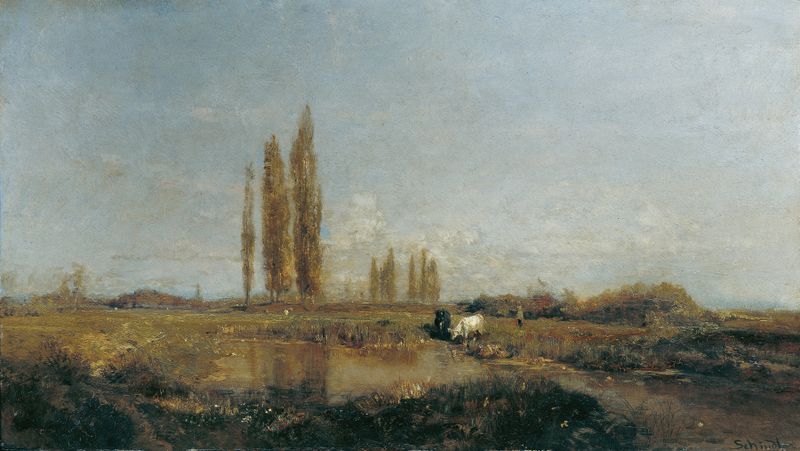
An der Thaya bei Lundenburg
Emil Jakob Schindler
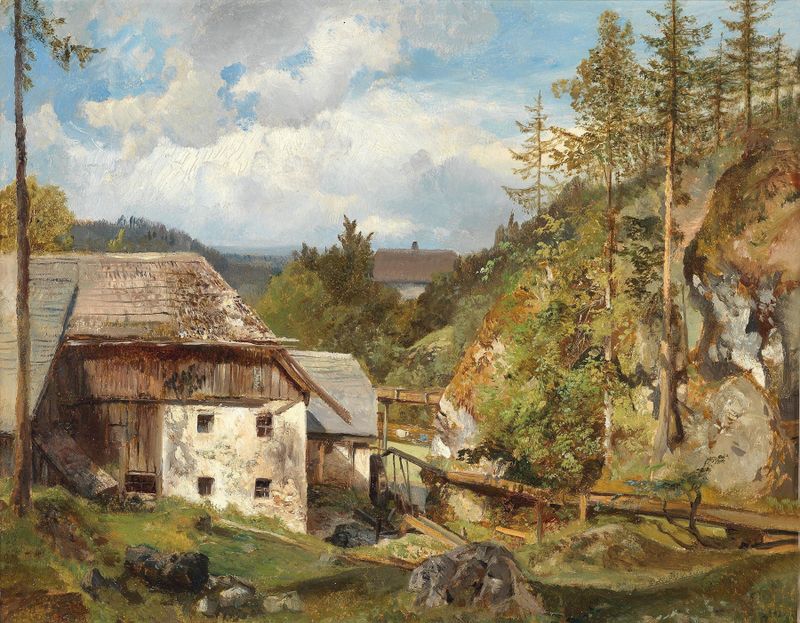
Die Mühle im Wald
Emil Jakob Schindler
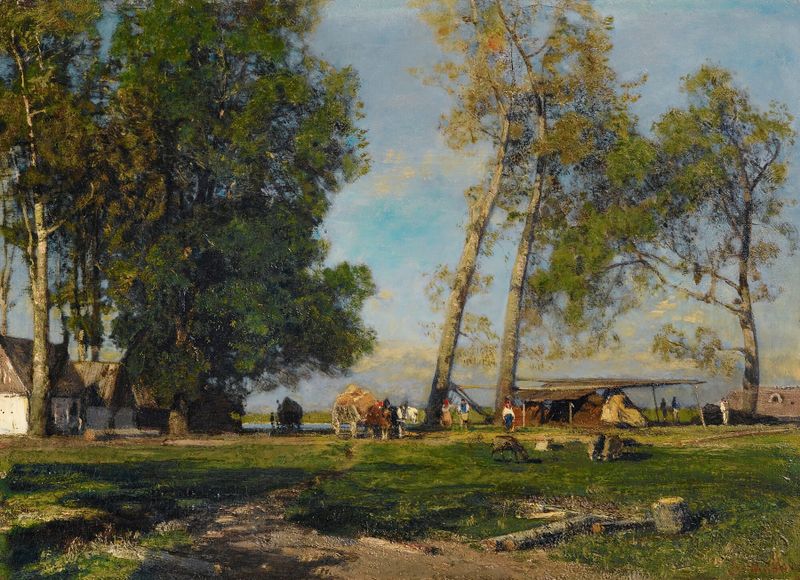
The Prater Gardens, Vienna
Emil Jakob Schindler
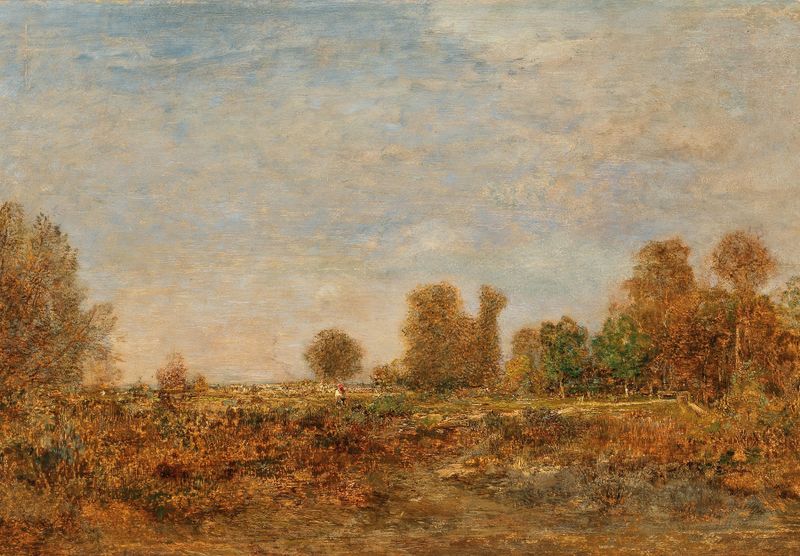
Landschaft, Lundenburg
Emil Jakob Schindler
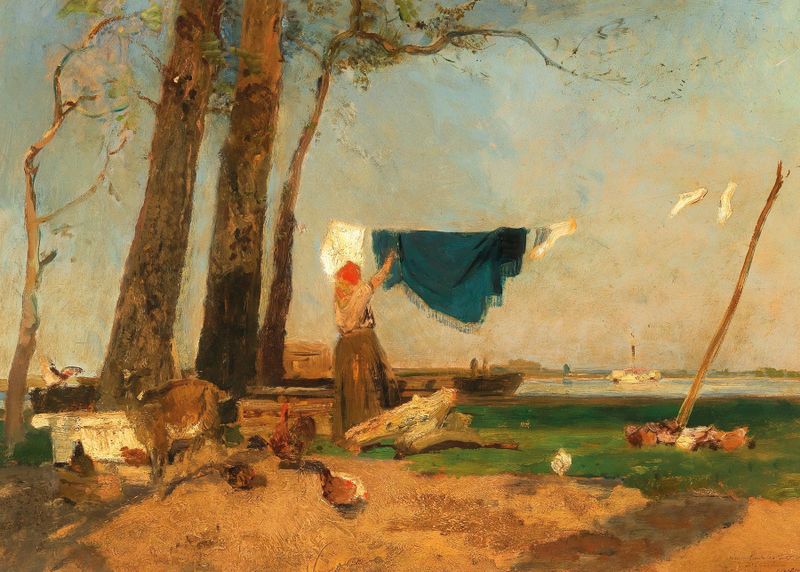
A washerwoman on the Danube bank, near the Praterspitz
Emil Jakob Schindler
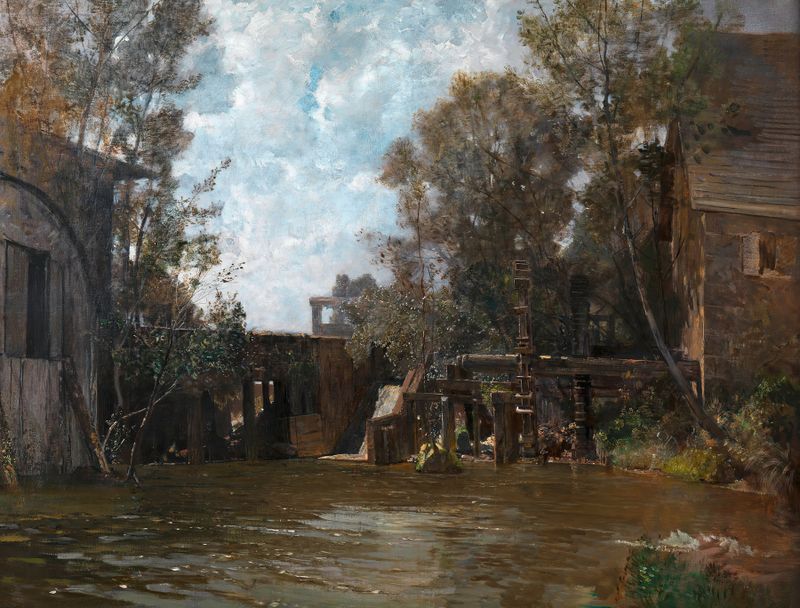
Mühle in Plankenberg
Emil Jakob Schindler
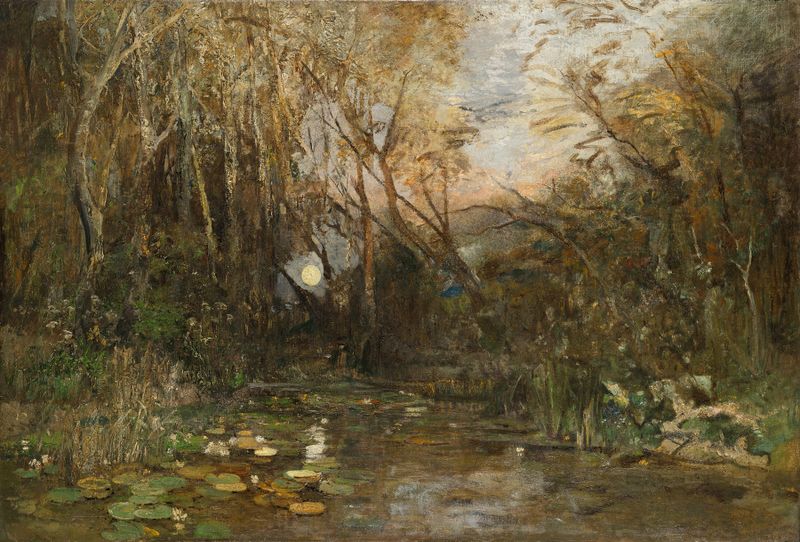
Mondaufgang in der Praterau
Emil Jakob Schindler





