
Mendiant comptant sa recette Musée du Louvre Peintures RF — History & Facts
What draws the eye first is not the beggar’s face, but his hands—rough, work-worn, and intent on counting a few meager coins. The figure sits slumped on a stone step, his patched coat a tapestry of hardship, every color and tear telling its own story. Light falls unevenly across the scene, catching on the battered boots and the dark hat pulled low, while two children hover nearby, their gazes flickering between curiosity and caution.
The beggar’s world is small, circled by his stick, his sack, and the uncertain hope in his palm; yet the painter finds dignity in his absorption, and a quiet drama in the act of reckoning with so little. The wall behind him is rough, almost abstract, pushing the figures forward and making the moment feel both intimate and exposed. Painted in 1833, this work belongs to a world fascinated by the realities of street life, when artists like Alexandre-Gabriel Decamps turned their attention to the overlooked and the ordinary. In the early nineteenth century, scenes of poverty were both a social commentary and a challenge to the conventions of academic art; such pictures were rarely grand commissions, but rather personal studies or works for a new, middle-class audience hungry for stories from the margins.
The collection that holds this painting today preserves not just an image, but a fragment of a changing society—one where the poor became subjects worthy of close, compassionate observation. Look again at the beggar’s hands: in their gesture is a whole world of calculation, survival, and hope.
More Artworks by Alexandre-Gabriel Decamps

Still Life with Herring, Bread, and Cheese
Alexandre-Gabriel Decamps
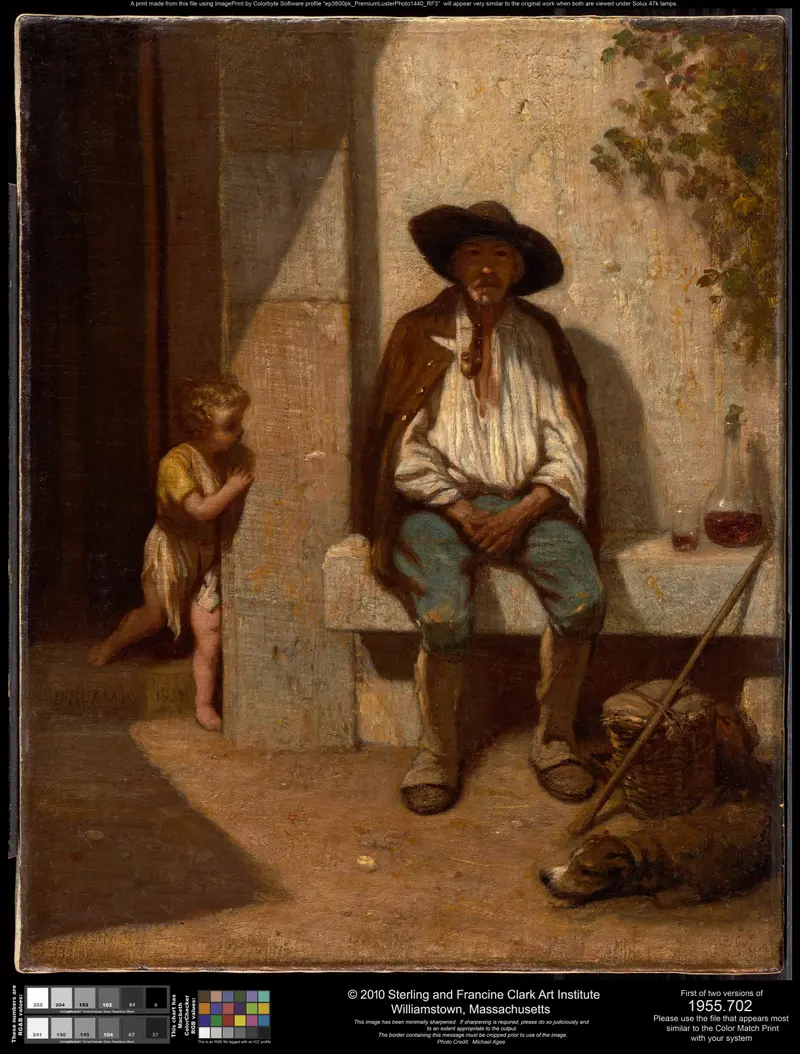
Italian Peasant
Alexandre-Gabriel Decamps
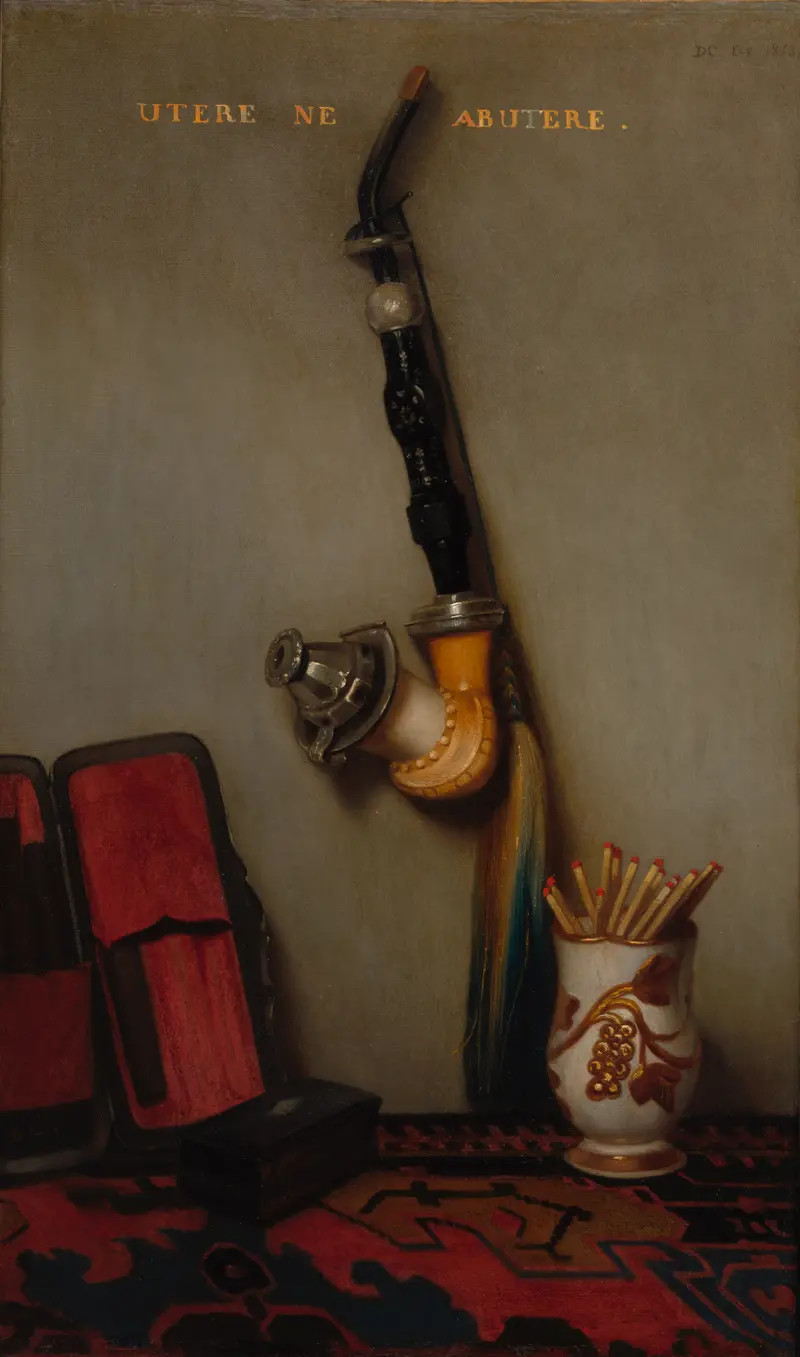
Still Life with Pipe and Matches
Alexandre-Gabriel Decamps
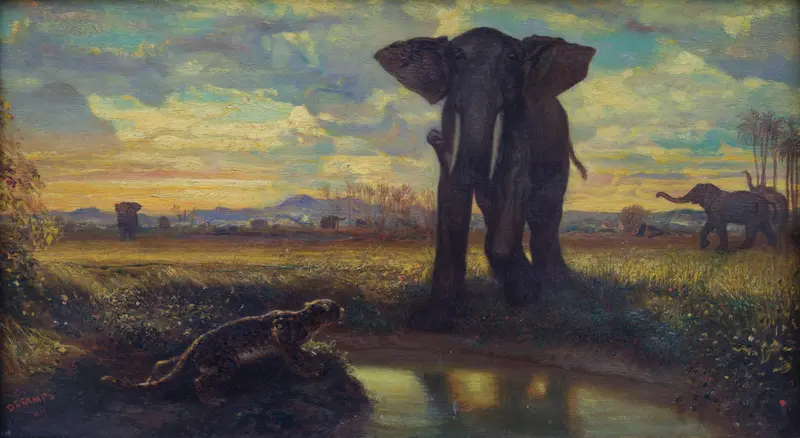
Tigre et éléphant à la source Musée du Louvre Peintures RF
Alexandre-Gabriel Decamps
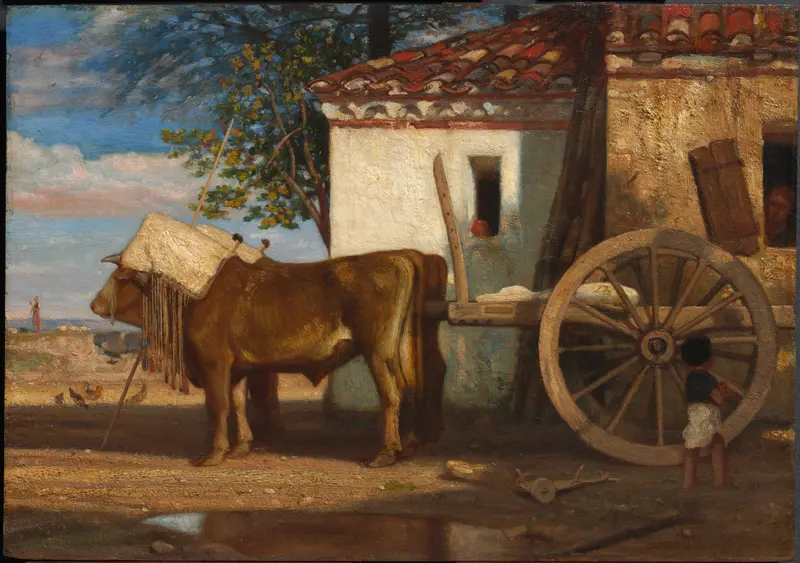
Oxen before a Farmhouse at Le Verrier
Alexandre-Gabriel Decamps
Cat, Weasel, and Rabbit
Alexandre-Gabriel Decamps
Goatherd of the Abruzzi
Alexandre-Gabriel Decamps
Jésus sur le lac de Génésareth Musée du Louvre Peintures RF
Alexandre-Gabriel Decamps

Espagnols jouant aux cartes Musée du Louvre Peintures RF
Alexandre-Gabriel Decamps
La battue en plaine Musée du Louvre Peintures RF
Alexandre-Gabriel Decamps
More Genre Scene Art

Banquet of the Officers of the St George Civic Guard
Frans Hals

Rembrandt and Saskia in the Scene of the Prodigal Son
Rembrandt van Rijn

Bal du moulin de la Galette
Pierre-Auguste Renoir

Quadrille at the Moulin Rouge
Henri de Toulouse-Lautrec

A Burial at Ornans
Gustave Courbet

When Will You Marry?
Paul Gauguin