
Mercury, Argus and Io — History & Facts
Few myths have inspired as many artists across Europe as the tale of Io, but Abraham Bloemaert’s Mercury, Argus and Io stands out for its intricate weaving of suspense and deception. The painting captures a pivotal episode from Ovid’s Metamorphoses, a text that fascinated Dutch and Flemish painters of the late sixteenth and early seventeenth centuries. Bloemaert, a leading figure of the Utrecht school, was renowned for his lively storytelling and theatrical compositions, and this work is no exception.
Unlike many of his contemporaries, who favored the drama of transformation or flight, Bloemaert chose the tense moment just before the god Mercury strikes. The scene unfolds in a tranquil landscape, where Argus, the hundred-eyed giant, sits drowsily as Mercury, disguised as a shepherd, prepares to lull him to sleep. Io, transformed into a white heifer by Jupiter to hide her from Juno’s wrath, grazes nearby, her gaze a silent plea. Mercury’s flute lies at his side, a symbol of the music he uses to enchant Argus, while the careful placement of his hand on his sword hints at the violence to come.
The soft, golden light bathes the figures, heightening the sense of impending action. Unlike Rubens’s later, more tumultuous version, Bloemaert’s approach is quieter, focusing on psychological tension rather than explosive movement. The exact origins of Mercury, Argus and Io remain uncertain, as neither its commission nor its early provenance is documented. However, the painting’s style and subject place it firmly within the Dutch Mannerist tradition, likely dating from the first decades of the seventeenth century, when mythological subjects were in high demand among learned collectors.
Over time, the work has passed through private hands and now resides in a public collection, a testament to Bloemaert’s enduring appeal. Today, it offers a glimpse into both the artist’s narrative skill and the broader fascination with classical mythology that shaped the art of his era.
More Artworks by Abraham Bloemaert

Adam and Eve
Abraham Bloemaert
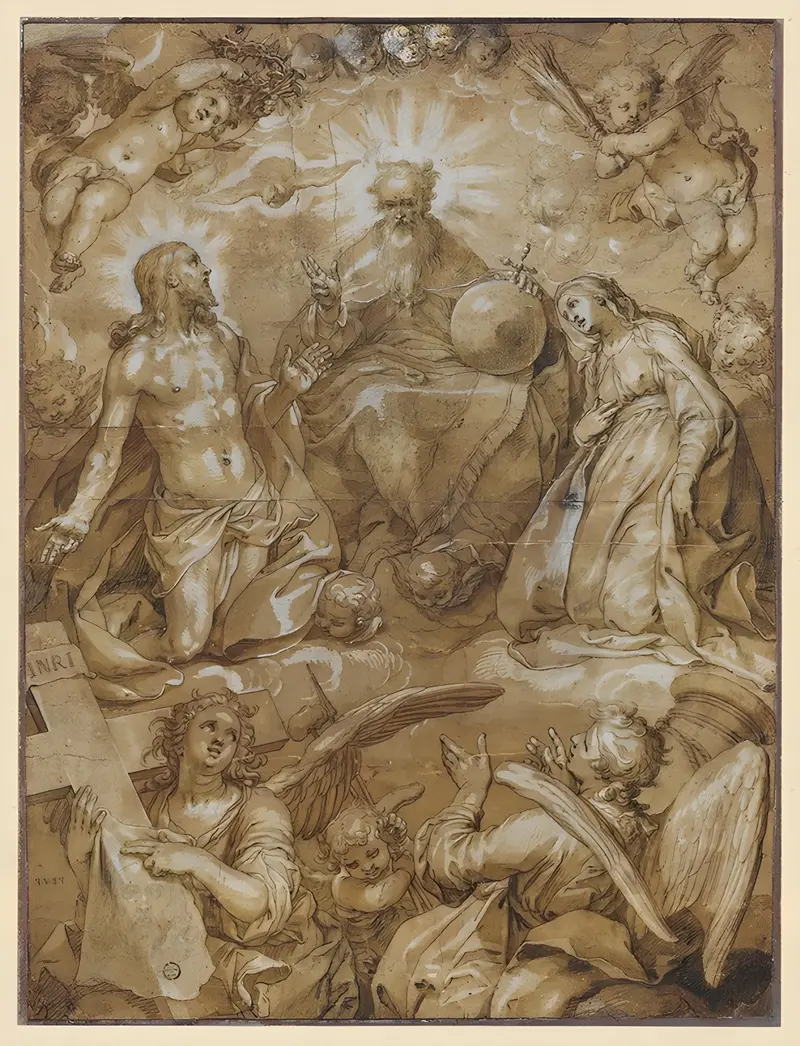
Intercession of Christ and Mary before God the Father
Abraham Bloemaert
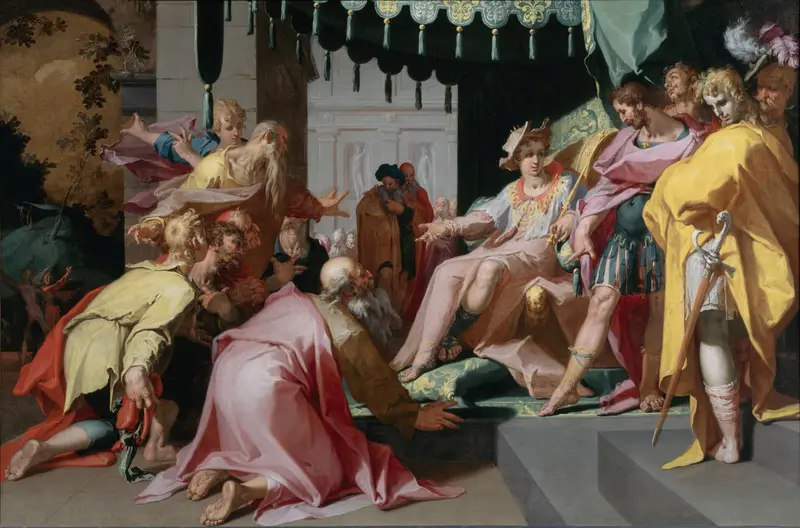
Joseph and his Brothers
Abraham Bloemaert
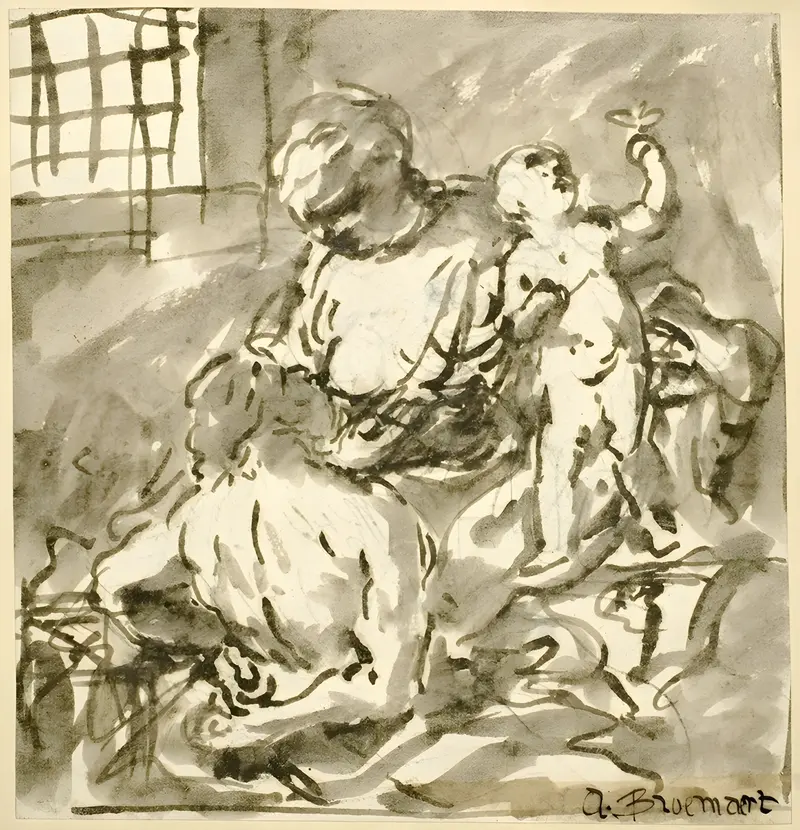
Caritas Romana
Abraham Bloemaert
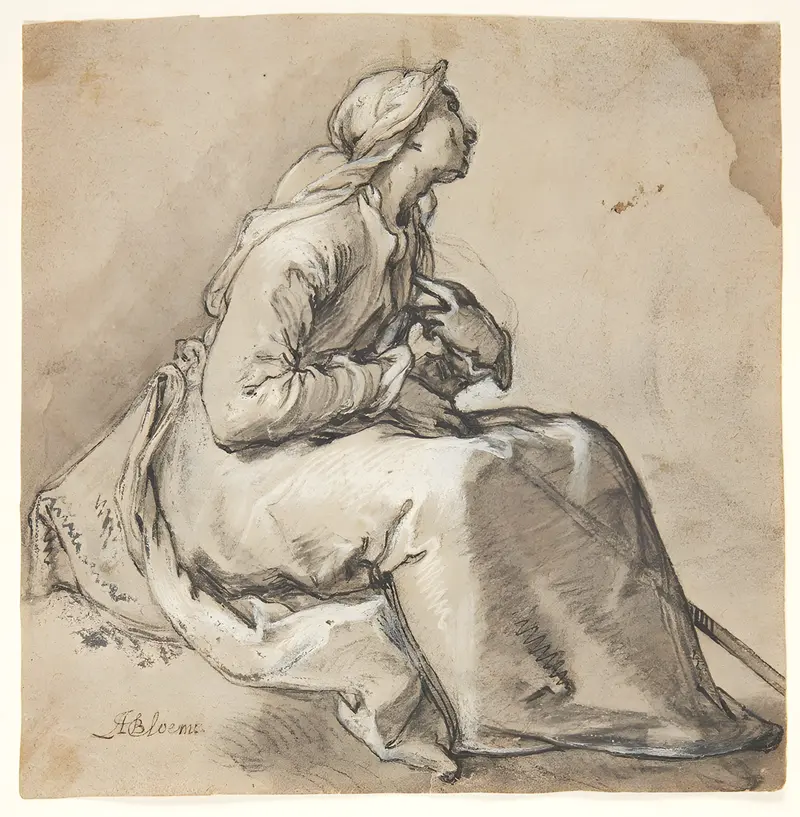
A seated woman facing right
Abraham Bloemaert
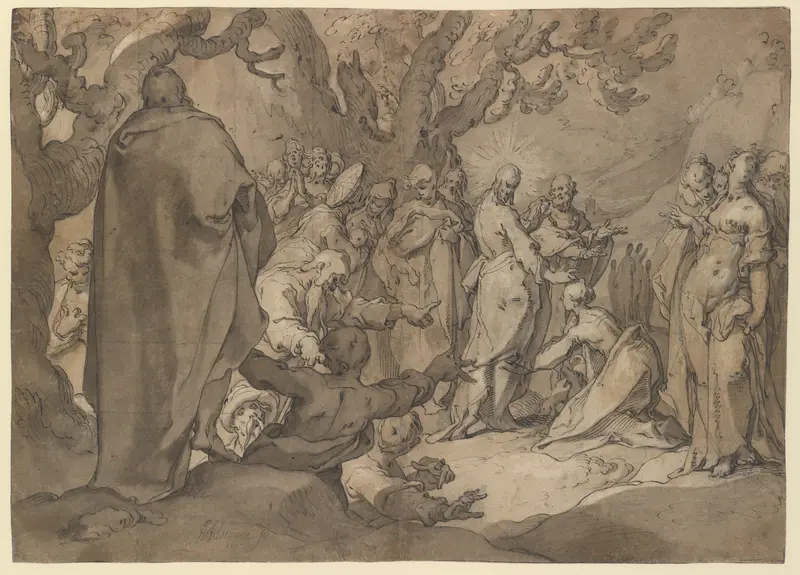
Christ and the Canaanite Women
Abraham Bloemaert
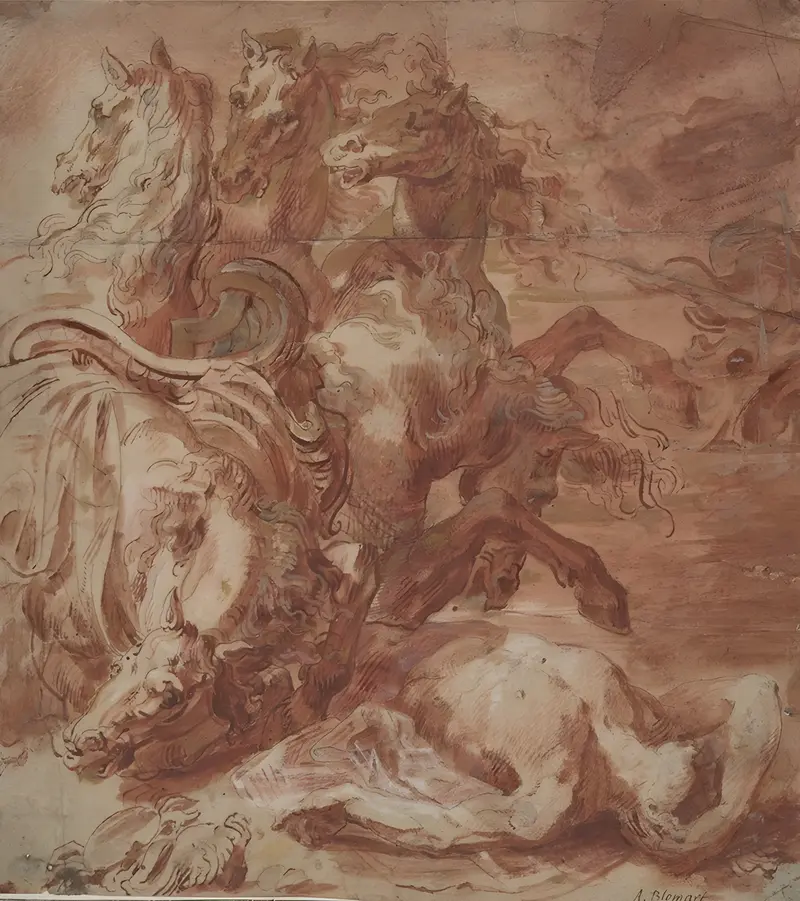
Hippolytus
Abraham Bloemaert
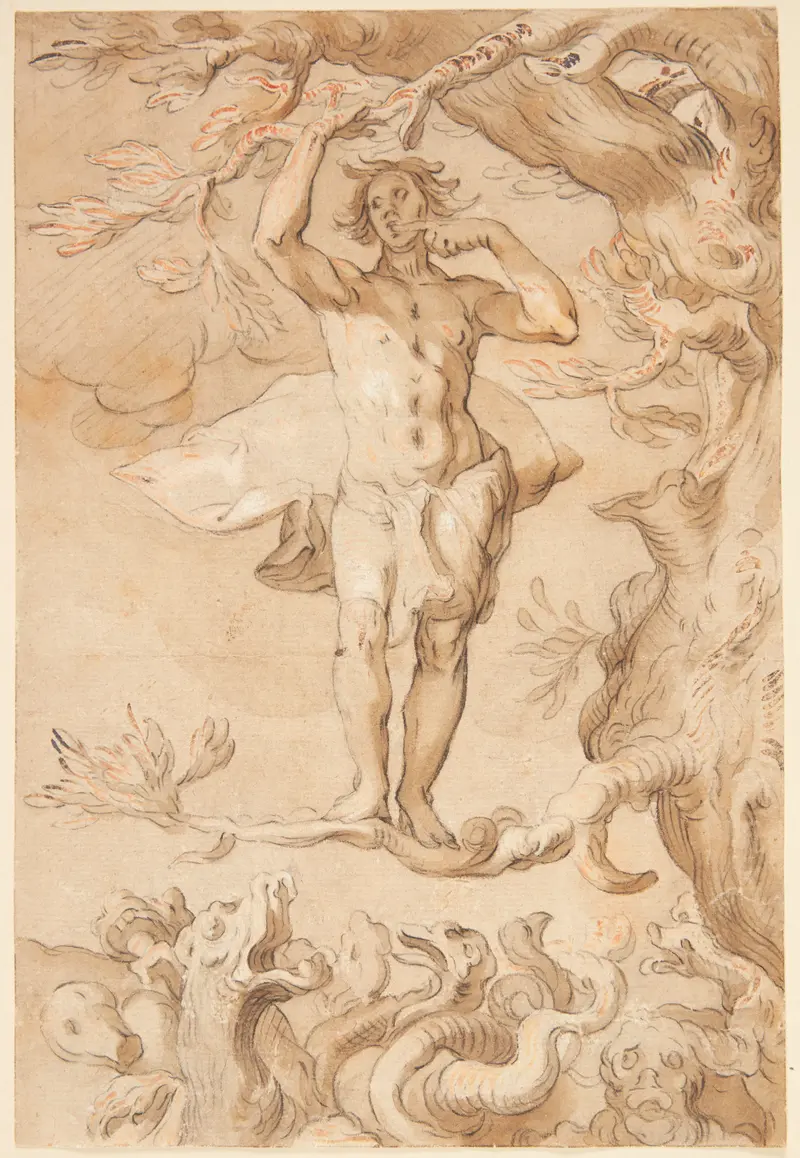
Den menneskelige glædes skrøbelighed En mand, der jages af en drage, klynger sig til en gren, mens han slikker honning af sin finger
Abraham Bloemaert

Moses Striking the Rock
Abraham Bloemaert
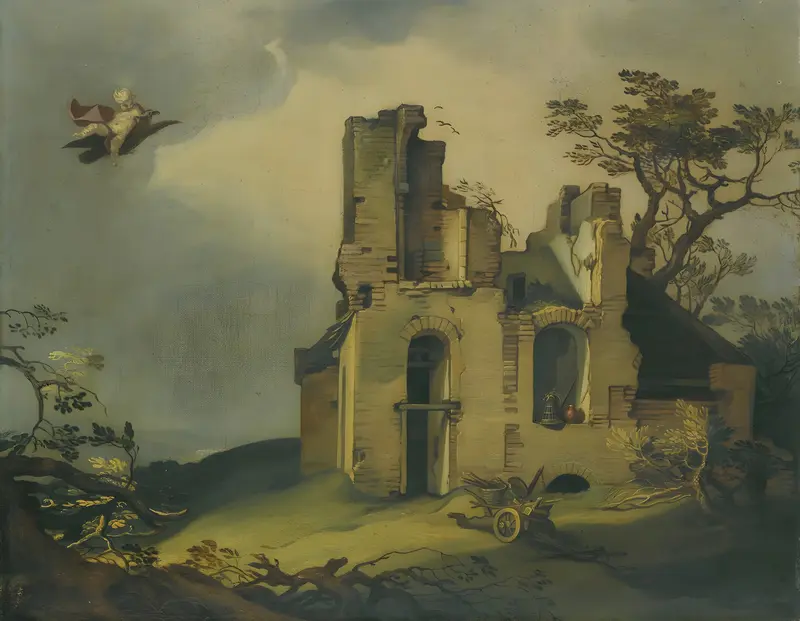
A Landscape With Ruins, With The Rape Of Ganymede
Abraham Bloemaert





