
Metzengerstein (Poe) — History & Facts
A blood-red horse, bristling with tension, stands frozen at the heart of Metzengerstein (Poe) by Harry Clarke, its rider’s gaze fixed and unyielding beneath a fantastic helmet. The eye is drawn first to the unnatural color of the beast, its sinews and harness rendered in the same feverish hue, then up to the rider’s sharp, almost spectral face—half-shadowed, half-illuminated, as if caught between worlds. The spear held at an angle, the elaborate costume, and the swirling, fungal landscape beneath them all conspire to create a sense of unease and otherness.
Every detail—down to the tassels on the bridle and the surreal mushrooms at the horse’s feet—serves to unsettle, to suggest a tale where the boundary between man and beast, reality and nightmare, is perilously thin. Created in 1923 as an illustration for Poe’s Tales of Mystery and Imagination, this work belongs to a moment when artists like Clarke were redefining the visual language of horror and fantasy. The early twentieth century saw a flourishing of book illustration, especially for the gothic and the macabre, as publishers sought to match Poe’s psychological intensity with images that could haunt the reader long after the story ended. Clarke’s style—intricate, hallucinatory, and steeped in the spirit of Art Deco—was perfectly suited to the era’s fascination with the uncanny.
Though little is recorded about the journey of this specific illustration, it survives as part of the “dark classics” tradition, inviting us to linger in its strange world and to wonder what might happen next, just beyond the frame.
More Artworks by Harry Clarke
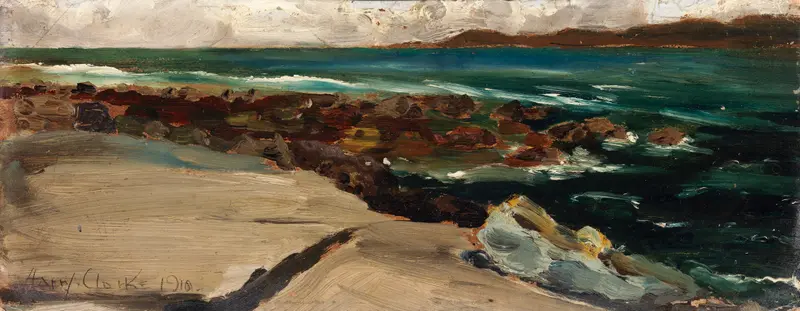
Landscape by the Coast
Harry Clarke
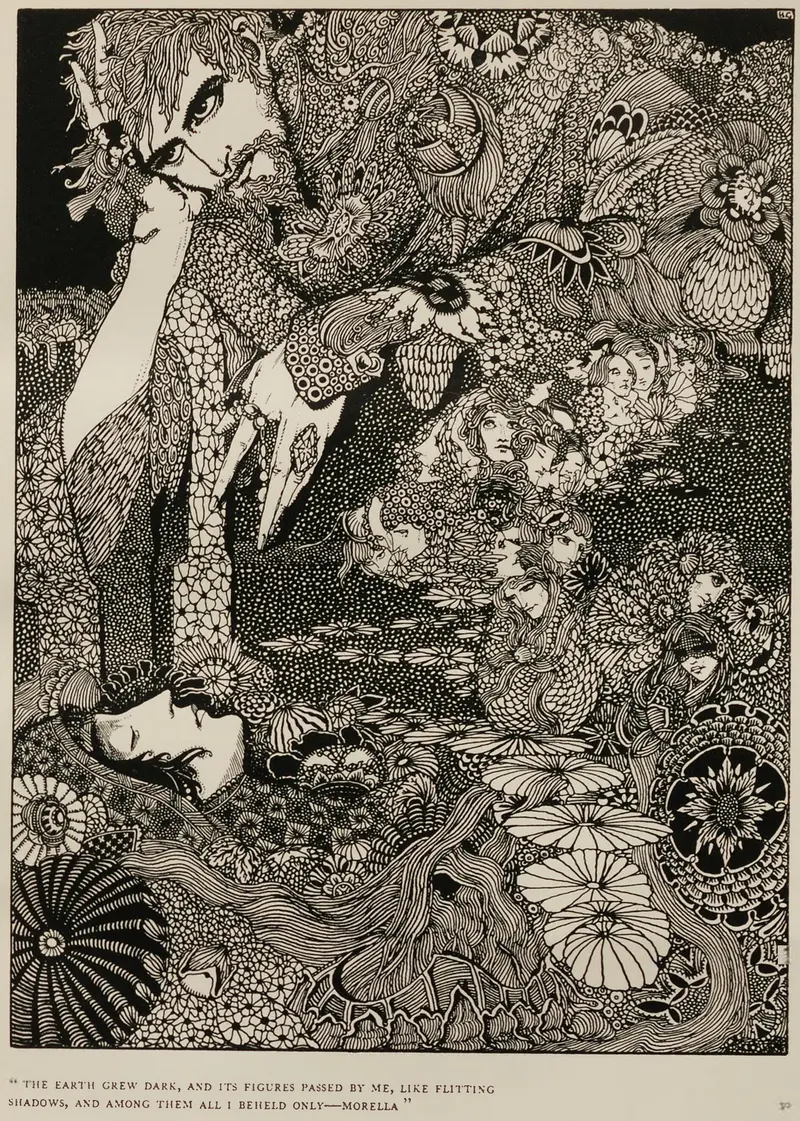
Morella (Poe)
Harry Clarke
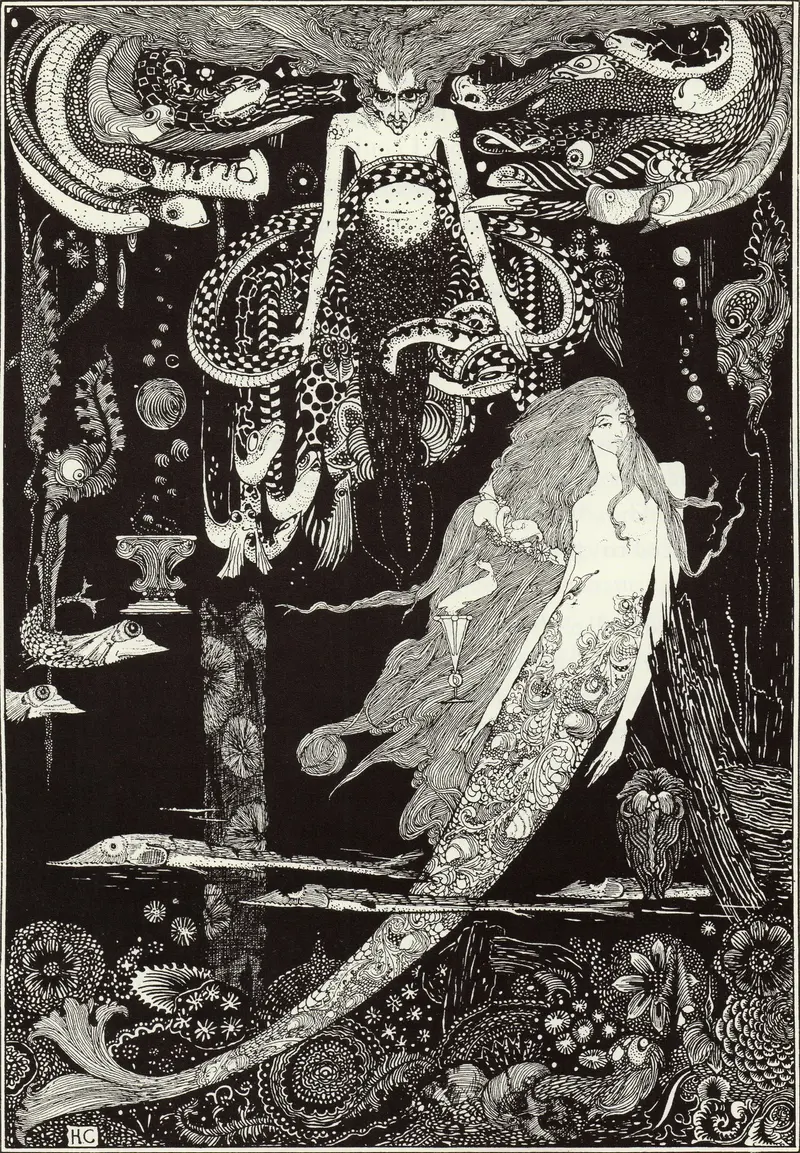
The Little Mermaid (Andersen)
Harry Clarke
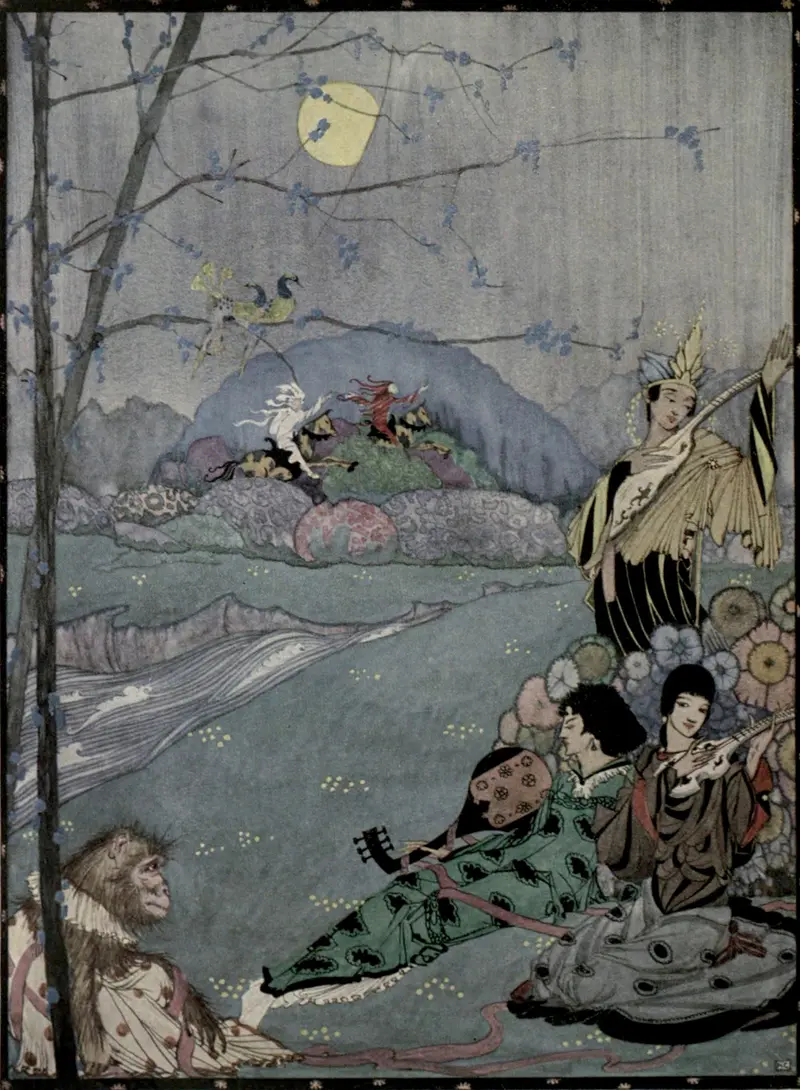
Arabia (The Year's at the Spring)
Harry Clarke
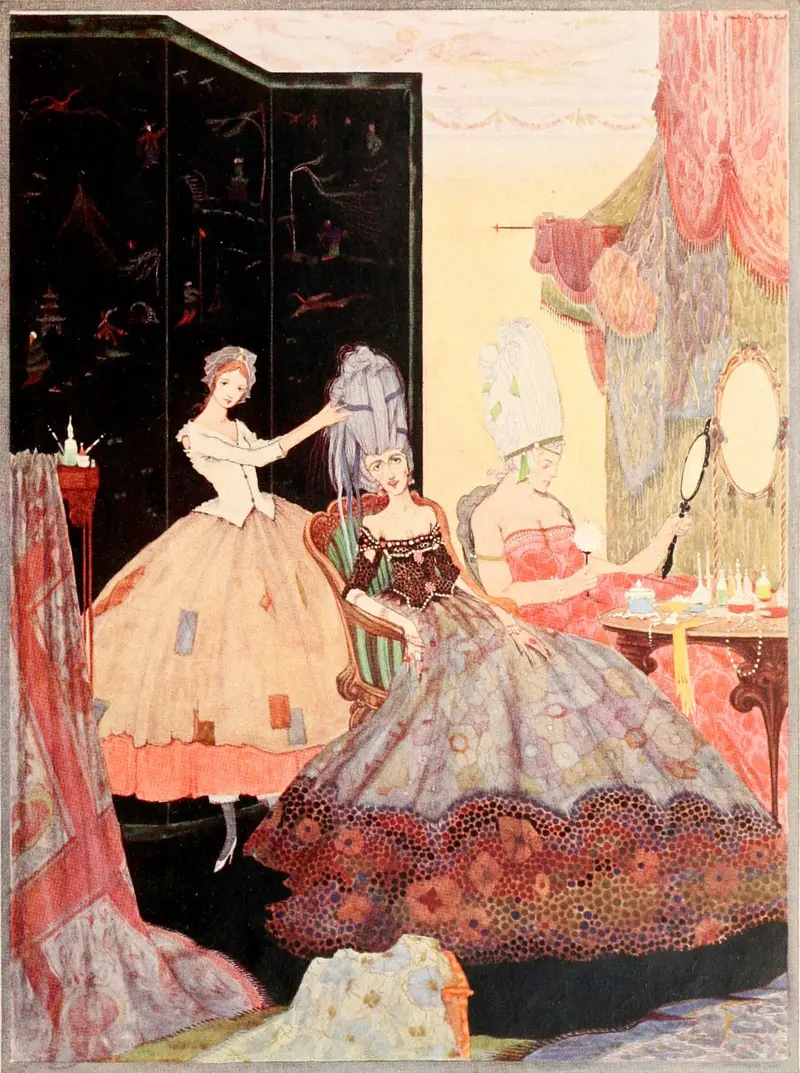
Cinderella (Perrault)
Harry Clarke
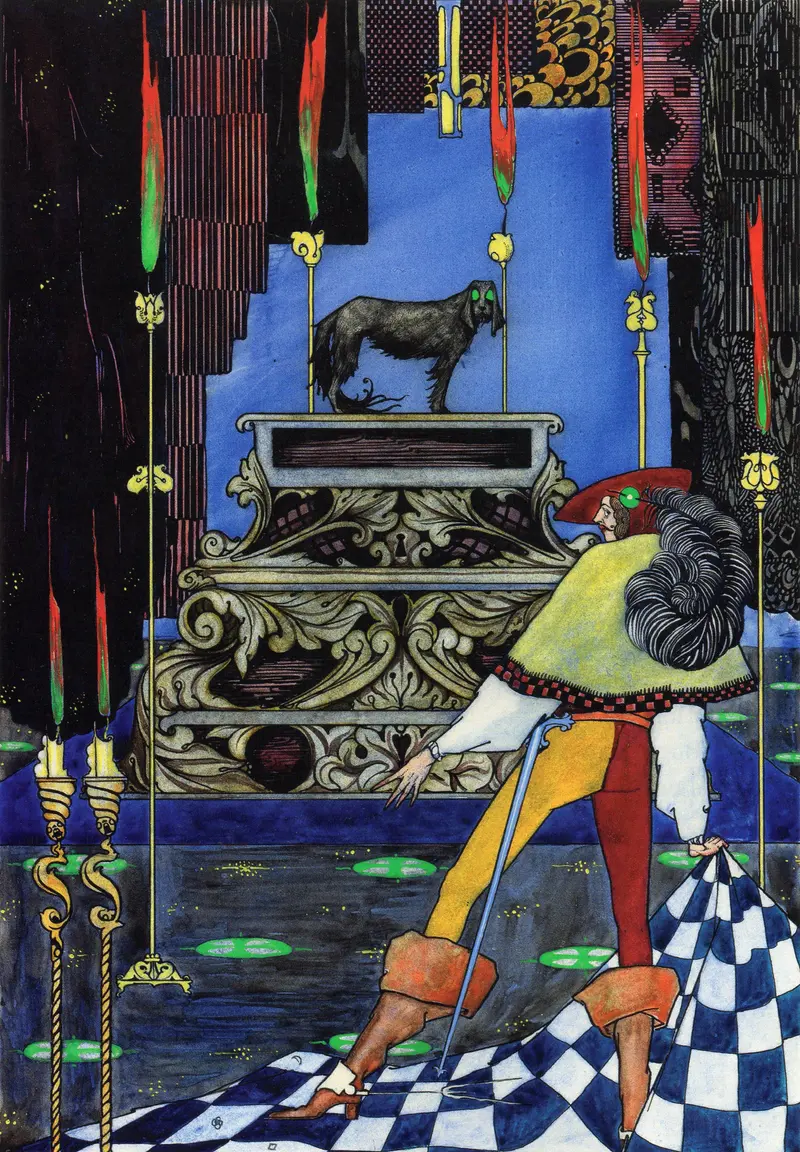
The Tinder Box (Andersen)
Harry Clarke
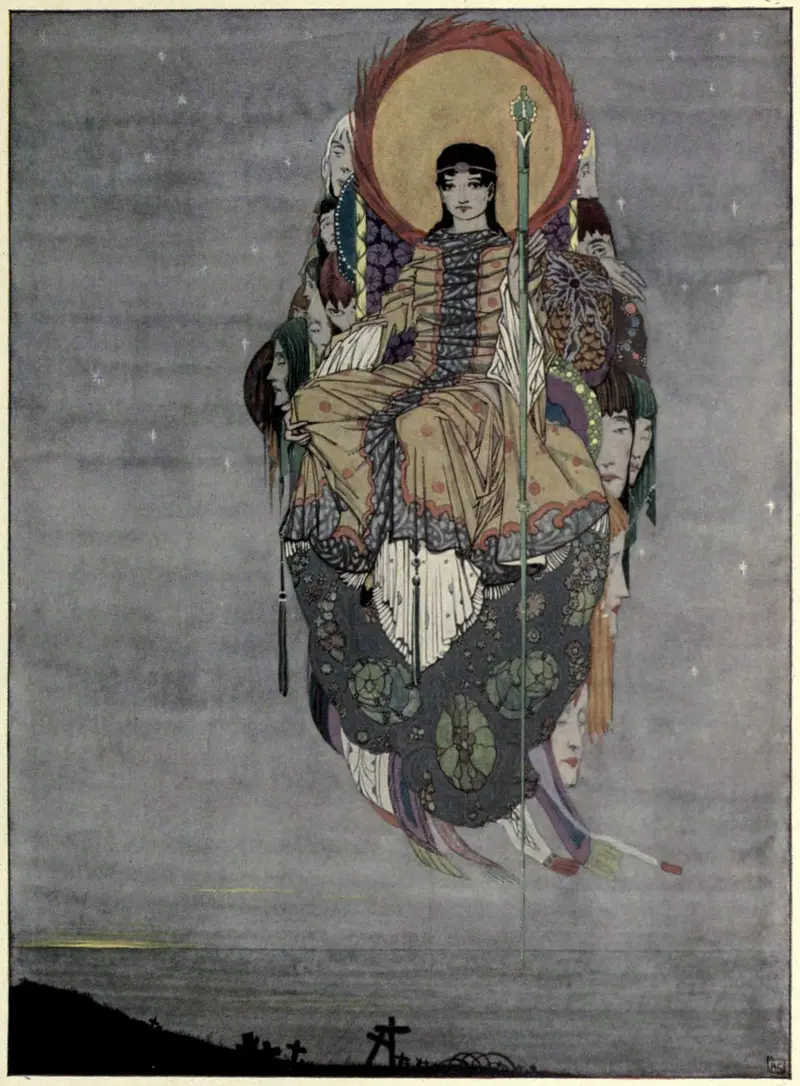
The Dead (The Year's at the Spring)
Harry Clarke
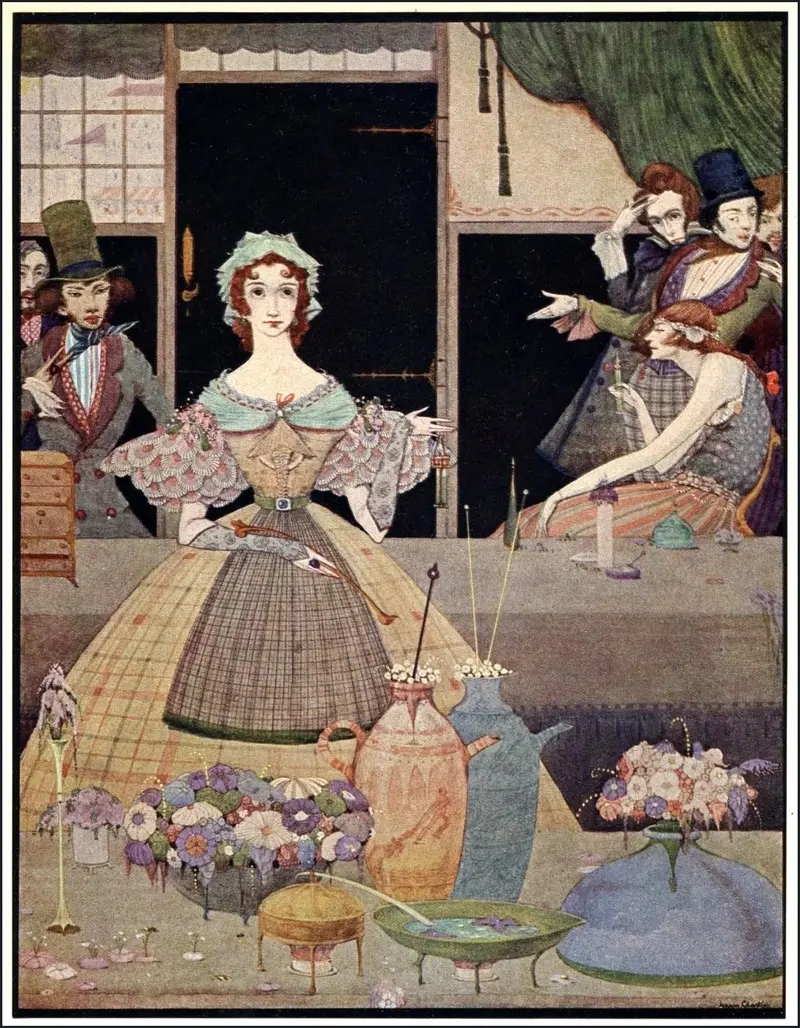
The Mystery of Marie Roget (Poe)
Harry Clarke

The Travelling Companion (Andersen)
Harry Clarke
Riquet with the Tuft (Perrault)
Harry Clarke





