
Minerva — History & Facts
When Artemisia Gentileschi painted Minerva in 1635, she was one of the very few women in Europe to earn her living as a professional artist. At a time when most female painters were confined to still lifes or portraits, Artemisia boldly tackled grand mythological subjects, often choosing heroines who embodied strength and intellect. This painting is one of a handful of known representations of Minerva by Artemisia, and its authorship was debated until the early 21st century, when careful study of style and technique confirmed her hand. Minerva, the Roman goddess of wisdom and war, stands at the heart of the canvas, captured in a moment of poised vigilance.
Artemisia selects the instant when Minerva, armored and serene, turns her gaze outward, one hand resting on a shield adorned with the head of Medusa, the other gripping a spear. The owl at her feet, a traditional symbol of wisdom, reinforces her dual nature as both strategist and protector. Unlike Rubens’s more voluptuous Minervas, Artemisia’s goddess is resolute and self-contained, her gaze direct, her armor practical rather than ornamental.
The strong, directional light sculpts her form, emphasizing both her physical presence and the clarity of her mind. The precise origins of Minerva remain somewhat uncertain; no original commission document survives, though it is likely the work was painted for a private collector in Florence, where Artemisia was active in the 1630s. Over the centuries, the painting passed through several Italian collections, sometimes attributed to male contemporaries before its reattribution to Artemisia in the late 20th century. Today, Minerva stands as a testament to Artemisia’s ambition and skill, reflecting her determination to claim a place among the leading artists of the Baroque era.
The painting is now held in a private collection, rarely seen in public, but it continues to inspire new research and admiration for Artemisia’s unique vision.
More Artworks by Artemisia Gentileschi

Judith Beheading Holofernes
Artemisia Gentileschi
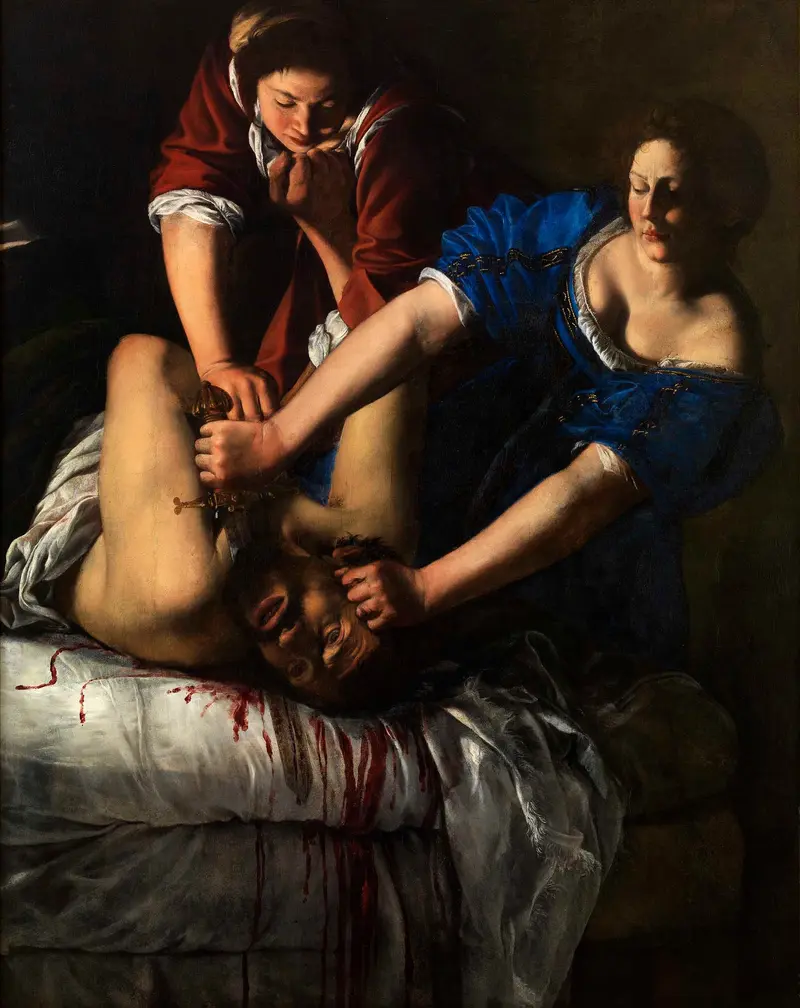
Judith Slaying Holofernes
Artemisia Gentileschi
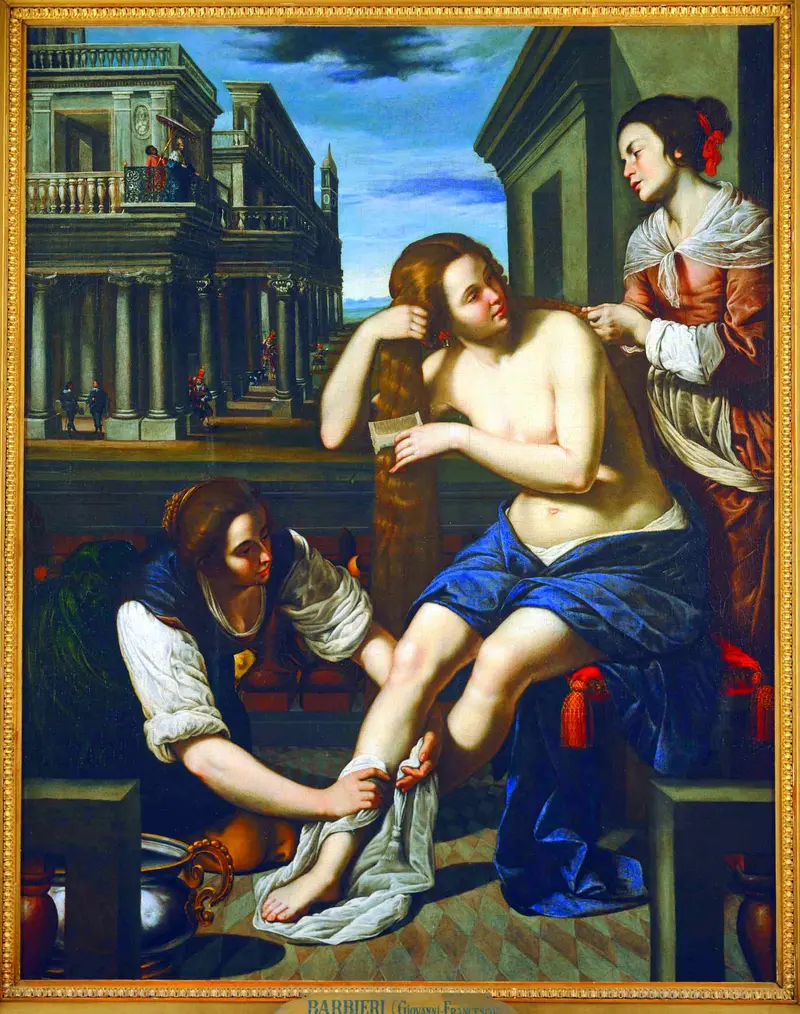
Bathsheba at Her Bath
Artemisia Gentileschi
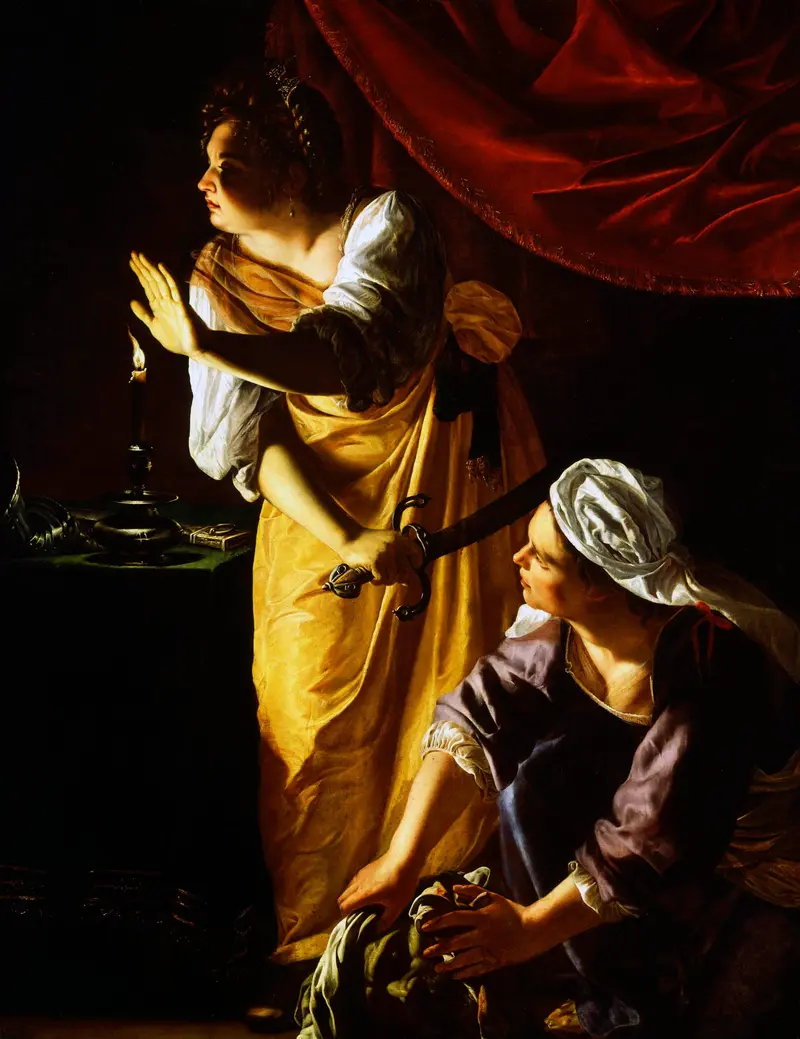
Judith and Maidservant with Head of Holofernes
Artemisia Gentileschi
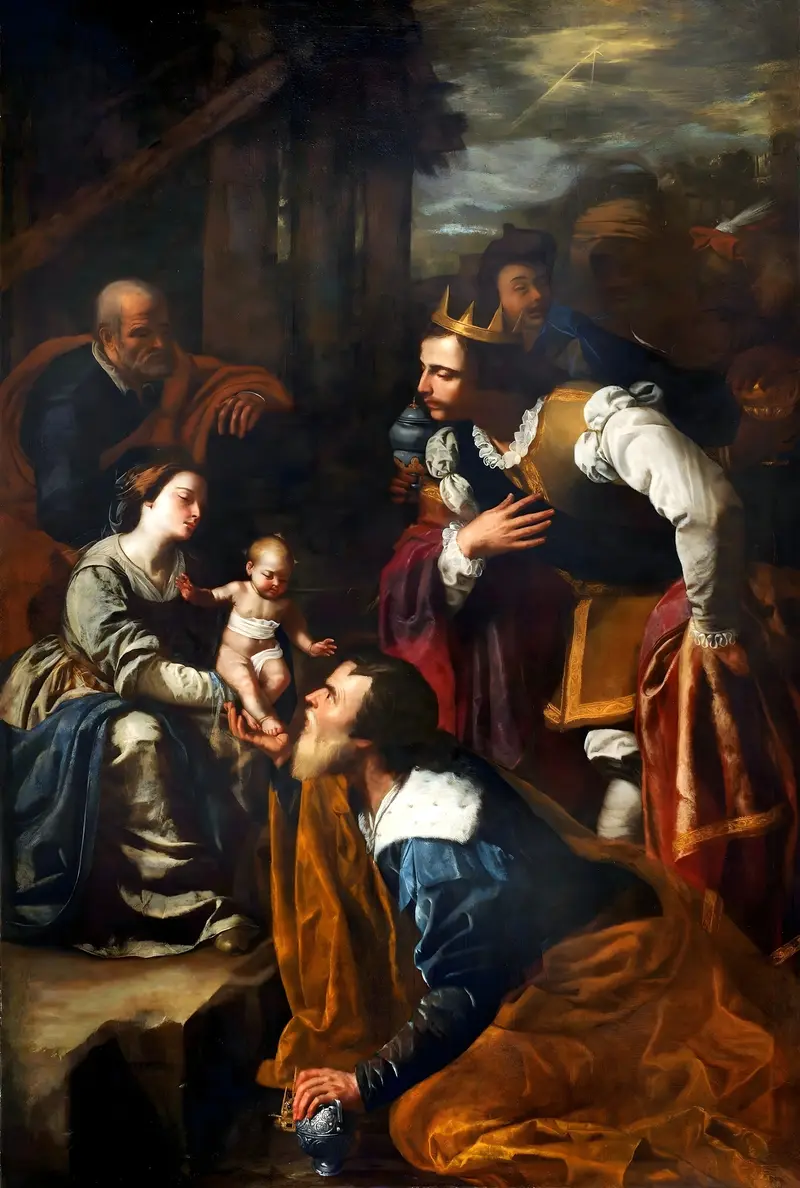
Adoration of the Magi
Artemisia Gentileschi
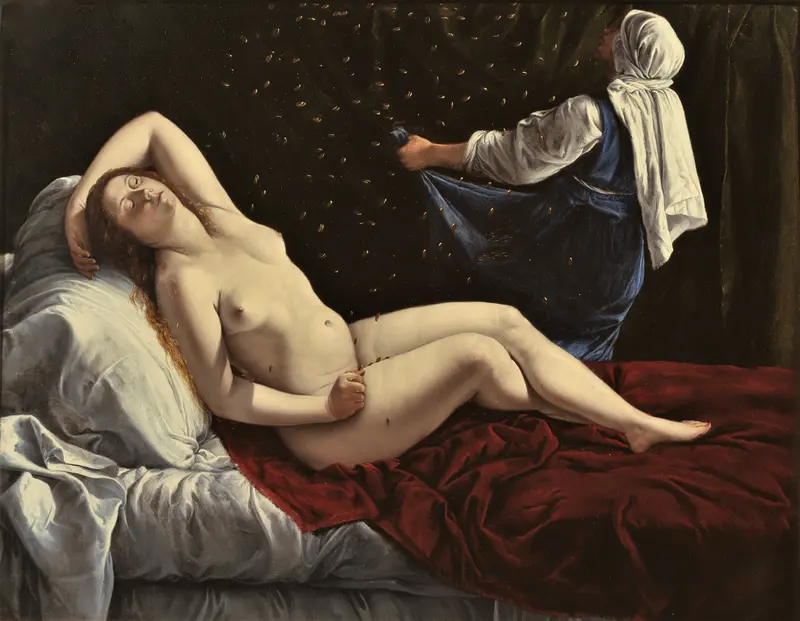
Danaë
Artemisia Gentileschi
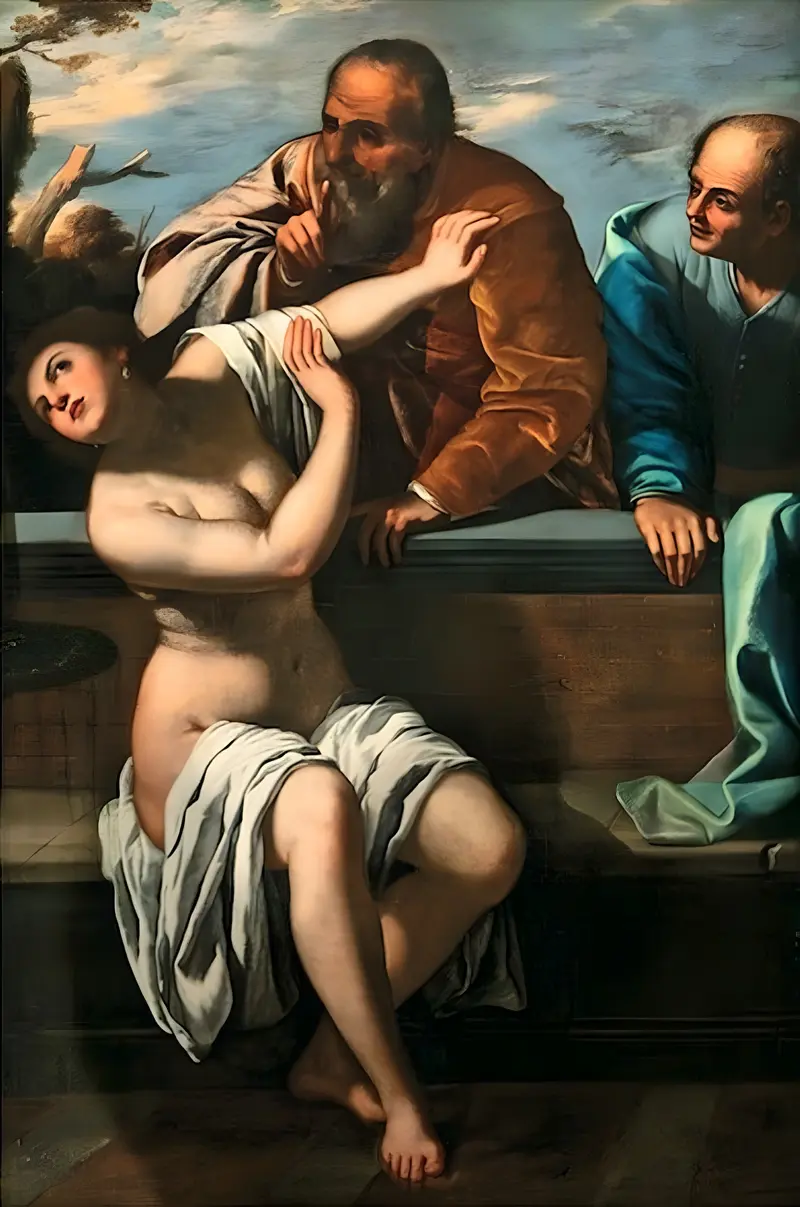
Susannah and the Elders
Artemisia Gentileschi

Judith and her Servant with the Head of Holofernes
Artemisia Gentileschi
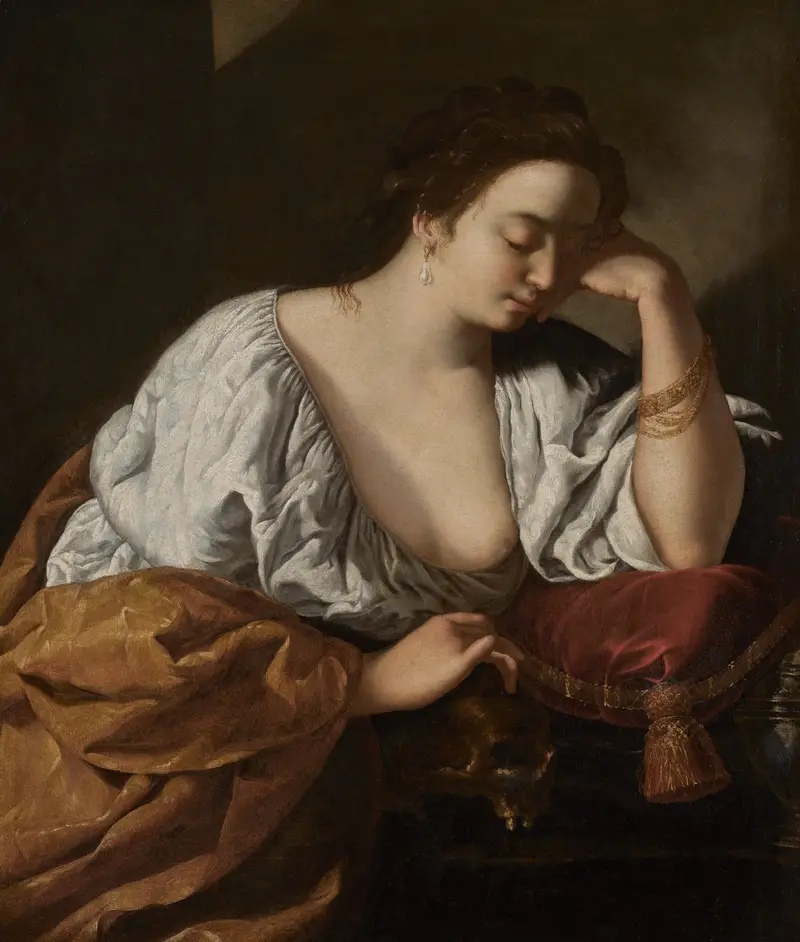
Madeleine pénitente, par
Artemisia Gentileschi
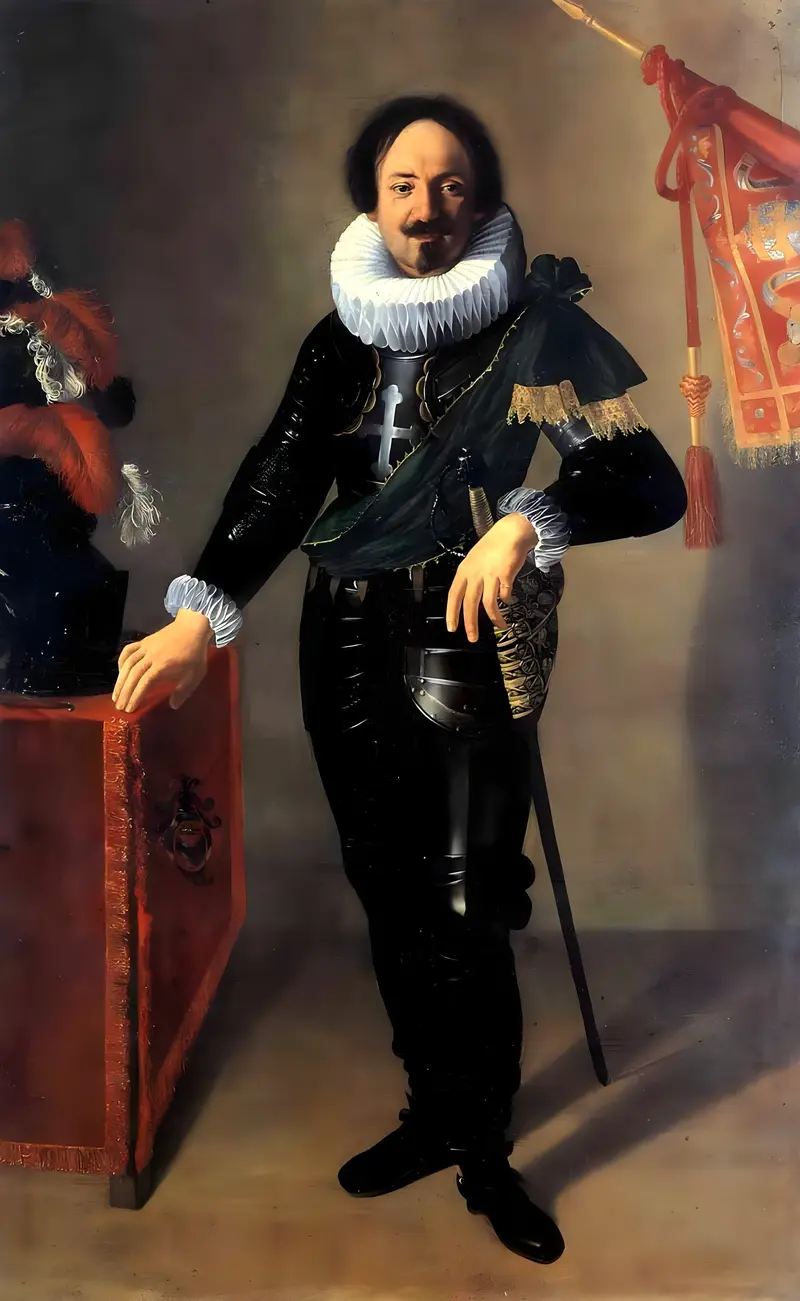
Portrait of a Gonfaloniere
Artemisia Gentileschi





