
Monticelli Turcs à la mosquée — History & Facts
What first seizes the eye in Monticelli Turcs à la mosquée is the sheer density of color and texture, a surface alive with thick, almost sculpted paint. The figures—clustered in animated conversation or quietly observing—seem to flicker in and out of focus, as if caught between memory and dream. A flash of yellow and a sweep of red draw us to the heart of the gathering, while the dark entryway behind them hints at mysteries within.
The palette is rich but earthy, the brushwork urgent, giving the scene a sense of immediacy and movement. Light pools on the ground and glances off robes, guiding the viewer’s gaze in a slow spiral through the group, then outward to the architectural forms that anchor the setting. Painted in 1878, this work emerges from a moment when Orientalist themes fascinated many European artists, who often drew on imagined or secondhand visions of the East. Adolphe Joseph Thomas Monticelli was known for his lush, impasto technique and for scenes that hover between the real and the fantastical.
Such paintings were rarely made for documentary purposes; rather, they catered to a Western appetite for the exotic and the atmospheric, often commissioned by private collectors or dealers eager for scenes of distant lands. History has kept few traces of this particular canvas’s early journey, but its survival in a private collection today invites us to linger over its surface and wonder at the world Monticelli conjured—half-seen, half-invented, always compelling.
More Artworks by Adolphe Monticelli

Portrait of a Lady
Adolphe Monticelli
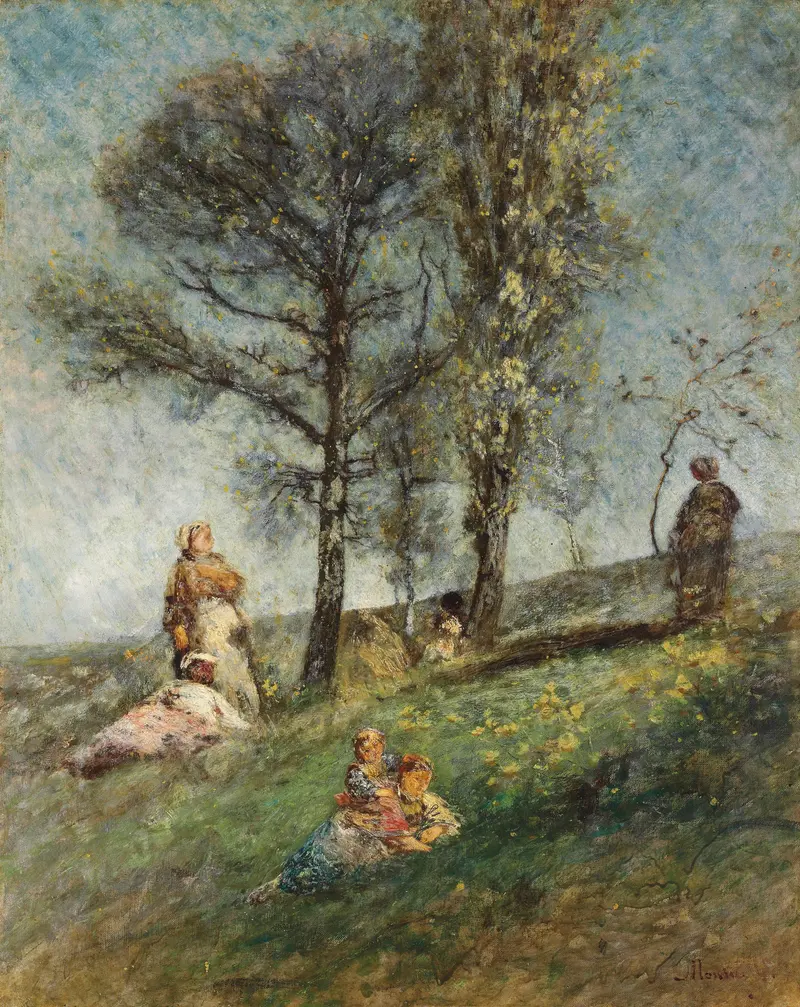
A Young Family Under Trees On A Hill
Adolphe Monticelli

Fête d'Après-Midi
Adolphe Monticelli
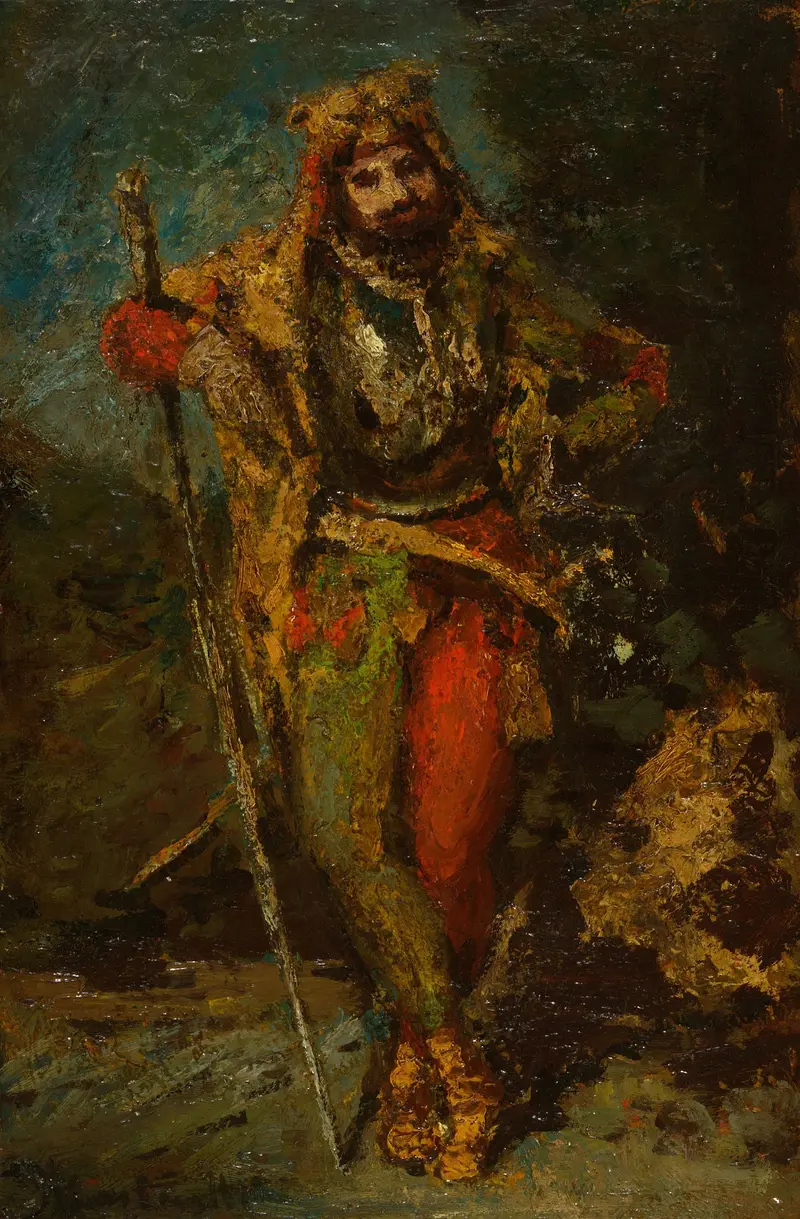
Mephisto from the Opera Faust
Adolphe Monticelli
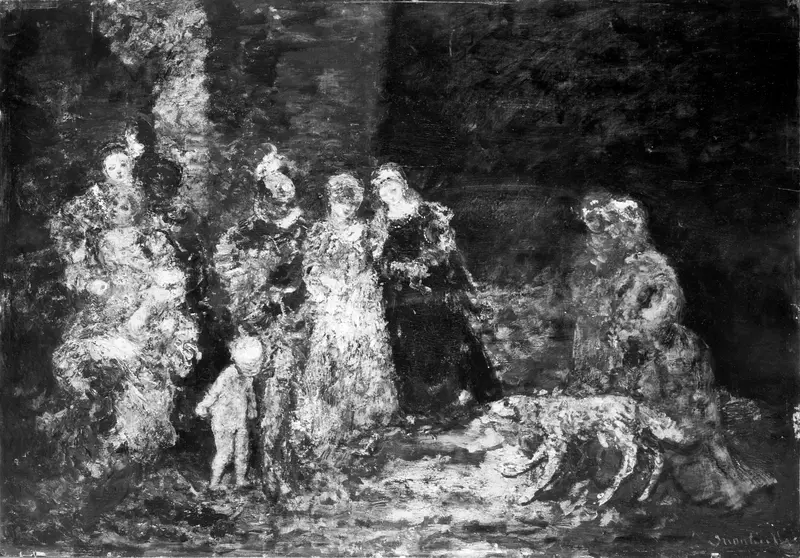
The Fairies
Adolphe Monticelli
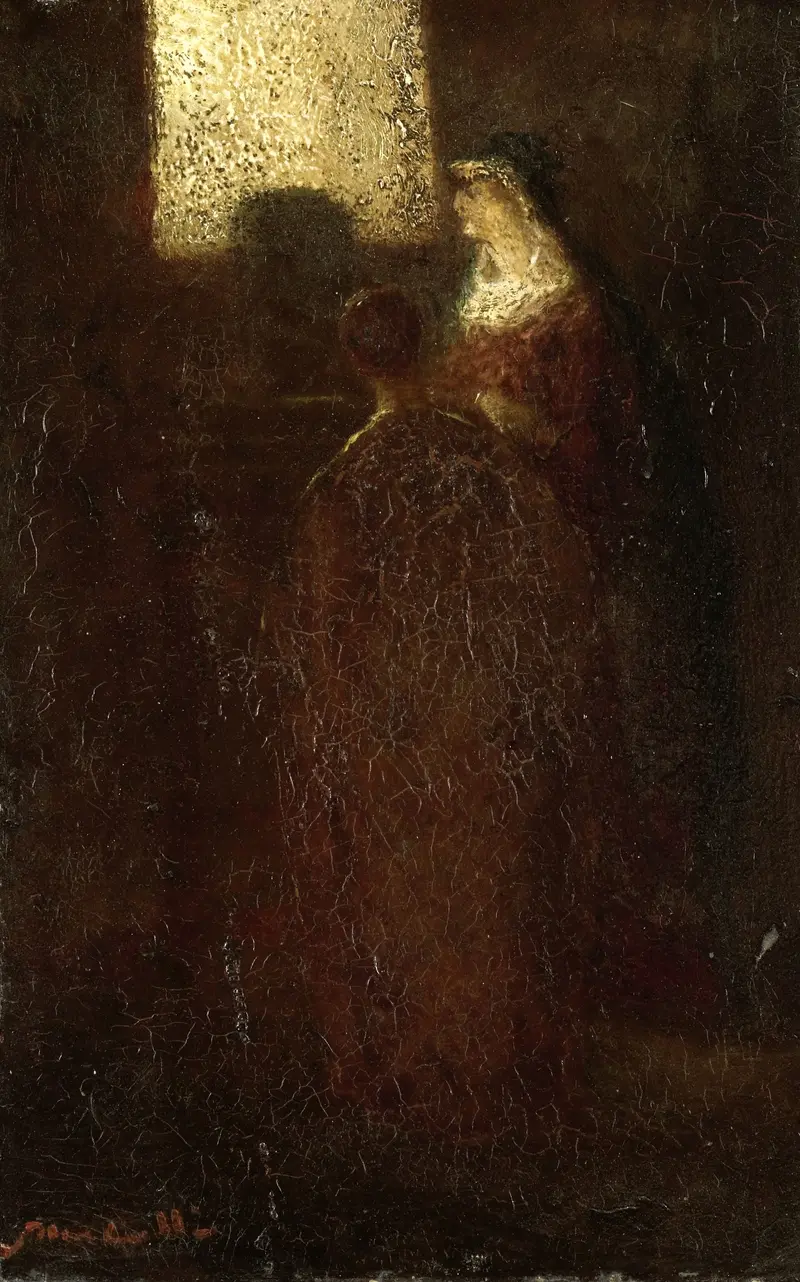
Aan het altaar
Adolphe Monticelli
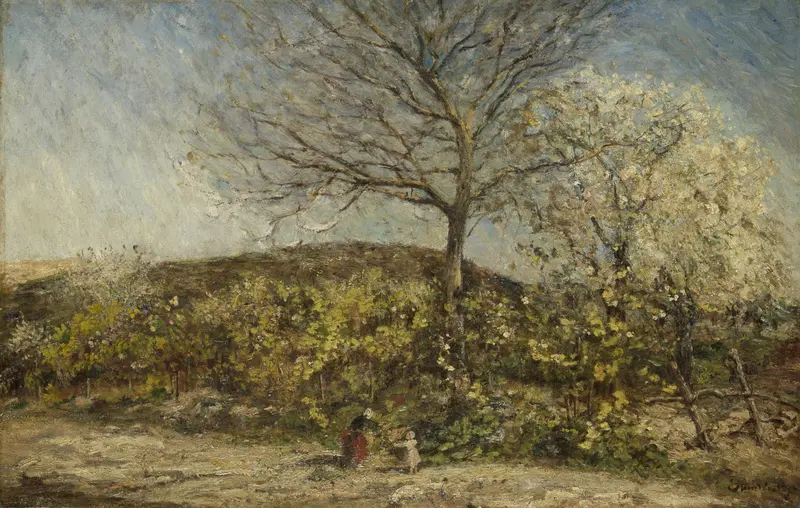
Landschap met bloeiende boomgaard
Adolphe Monticelli
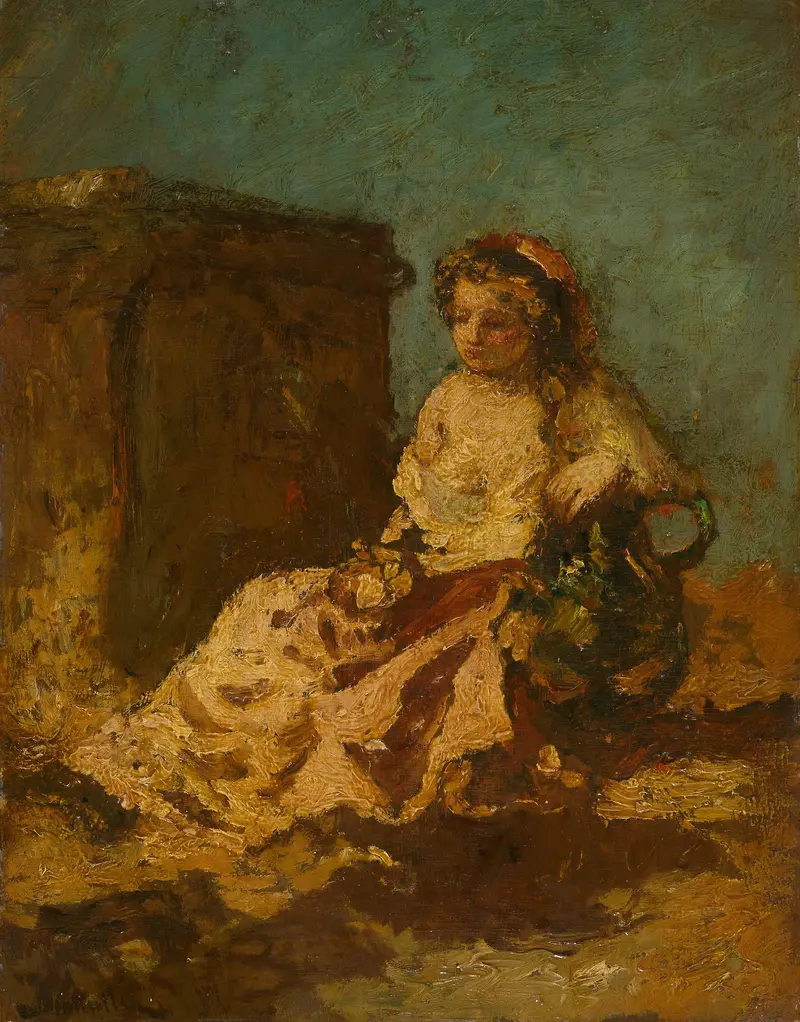
Meditation (Seated Woman)
Adolphe Monticelli
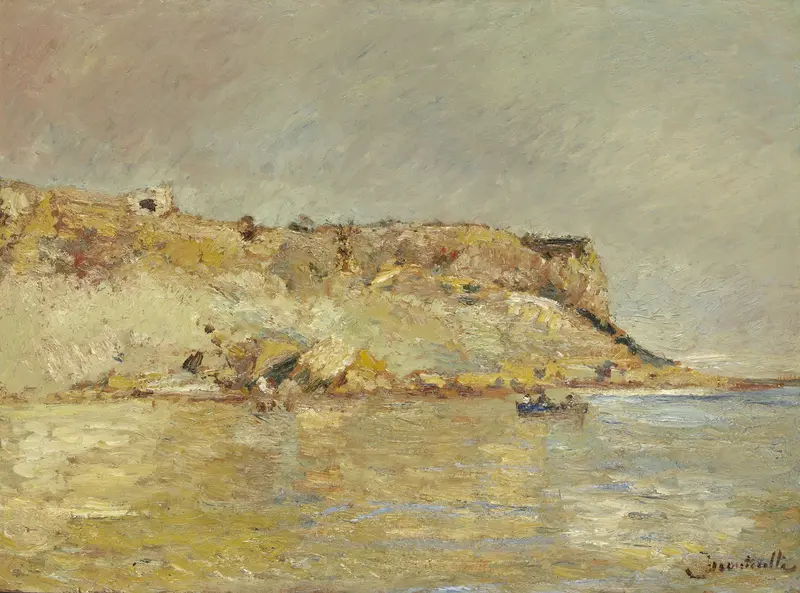
Coastal Mountains
Adolphe Monticelli
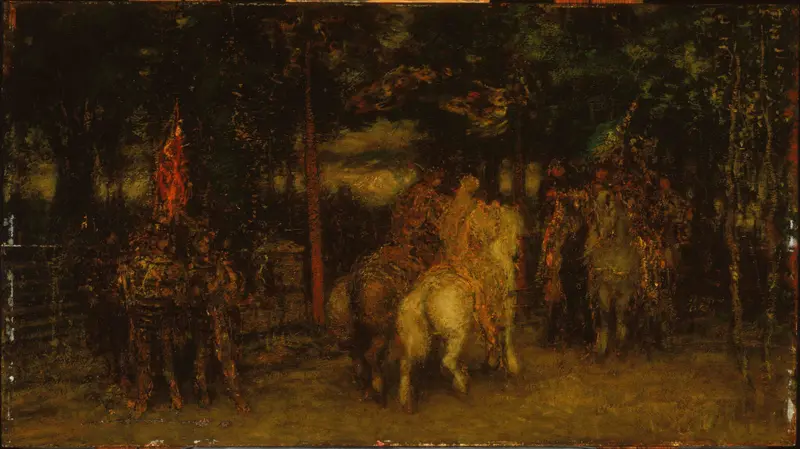
Landscape with Figures
Adolphe Monticelli
More Genre Scene Art

Banquet of the Officers of the St George Civic Guard
Frans Hals

Rembrandt and Saskia in the Scene of the Prodigal Son
Rembrandt van Rijn

Bal du moulin de la Galette
Pierre-Auguste Renoir

Quadrille at the Moulin Rouge
Henri de Toulouse-Lautrec

A Burial at Ornans
Gustave Courbet

When Will You Marry?
Paul Gauguin