
Mounted Jockey — History & Facts
When Théodore Géricault exhibited Mounted Jockey in 1821, Paris was still buzzing from the sensation of his The Raft of the Medusa just two years earlier. This work, however, turned away from shipwrecks and scandal to a subject that obsessed Géricault throughout his short life: the horse and its rider. The painting is one of several equestrian studies Géricault produced after his return from England, where he had immersed himself in the world of racing and thoroughbreds.
Scholars note that the energy and immediacy of Mounted Jockey reflect not only the artist’s fascination with equestrian sport, but also the dynamic, living presence he sought to capture in all his subjects. The jockey, poised atop a powerful horse, is caught at the very instant before the race begins. His body leans forward, muscles taut, eyes fixed on the track ahead, while the animal beneath him seems to quiver with anticipation. Géricault’s brushwork is rapid and fluid, emphasizing motion: the horse’s flared nostrils, the blur of its mane, and the taut reins all suggest imminent action.
The light falls sharply across the rider’s white breeches and the glossy chestnut coat of the horse, isolating them from the indistinct background. Unlike George Stubbs, whose equestrian portraits are calm and composed, Géricault’s scene is restless, capturing the nervous energy of both man and beast at the threshold of speed. The precise early history of Mounted Jockey is not fully documented, but it is known that Géricault’s equestrian paintings were highly sought after by collectors in both France and England, reflecting the popularity of horse racing in the early nineteenth century. The work likely passed through private hands before entering a public collection, where it now stands as a testament to Géricault’s technical brilliance and his deep empathy for animals.
Created in the last years of his life, Mounted Jockey marks a period when the artist was refining his vision, blending the drama of Romanticism with a keen observation of anatomy and movement. Today, it remains a vivid record of the artist’s enduring fascination with the world of the racetrack.
More Artworks by Théodore Géricault
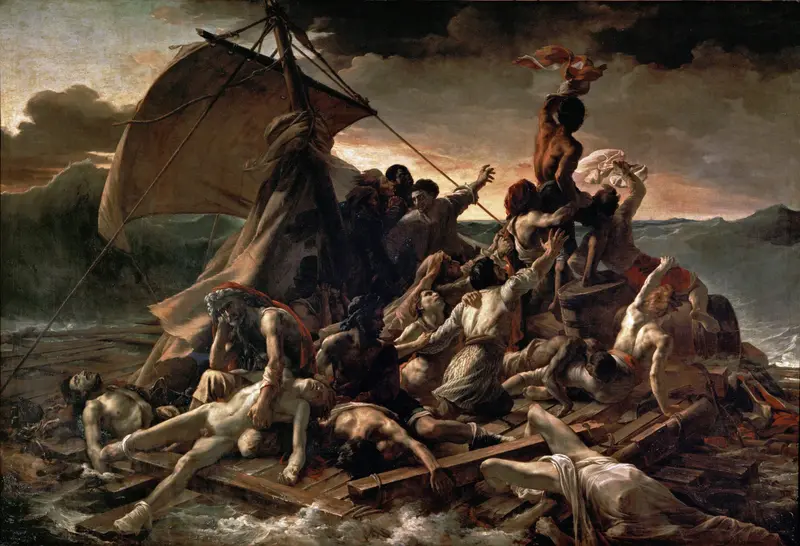
The Raft of the Medusa
Théodore Géricault

Géricault - Le naufrage du radeau de la Méduse, MBA 790
Théodore Géricault
Cattle Market
Théodore Géricault
Evening; Landscape with an Aqueduct
Théodore Géricault
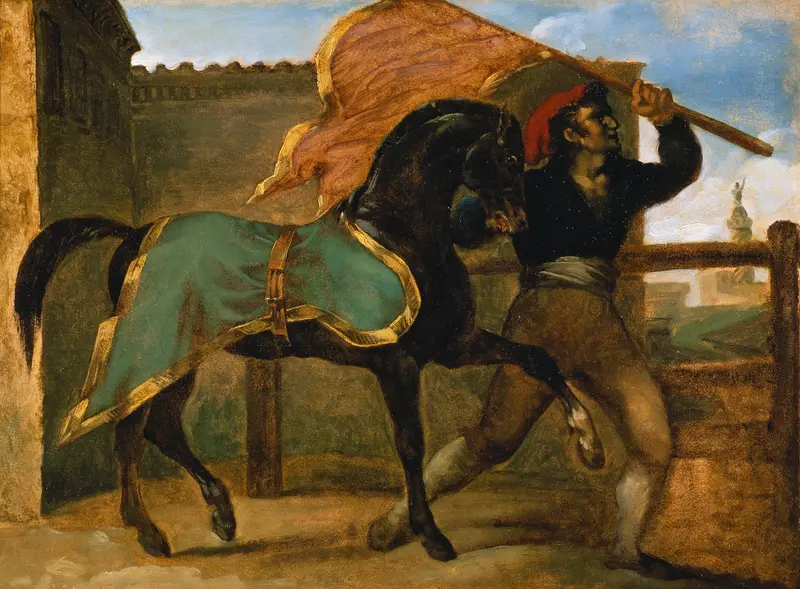
Horse Race
Théodore Géricault

Horses Standing in a Mews
Théodore Géricault
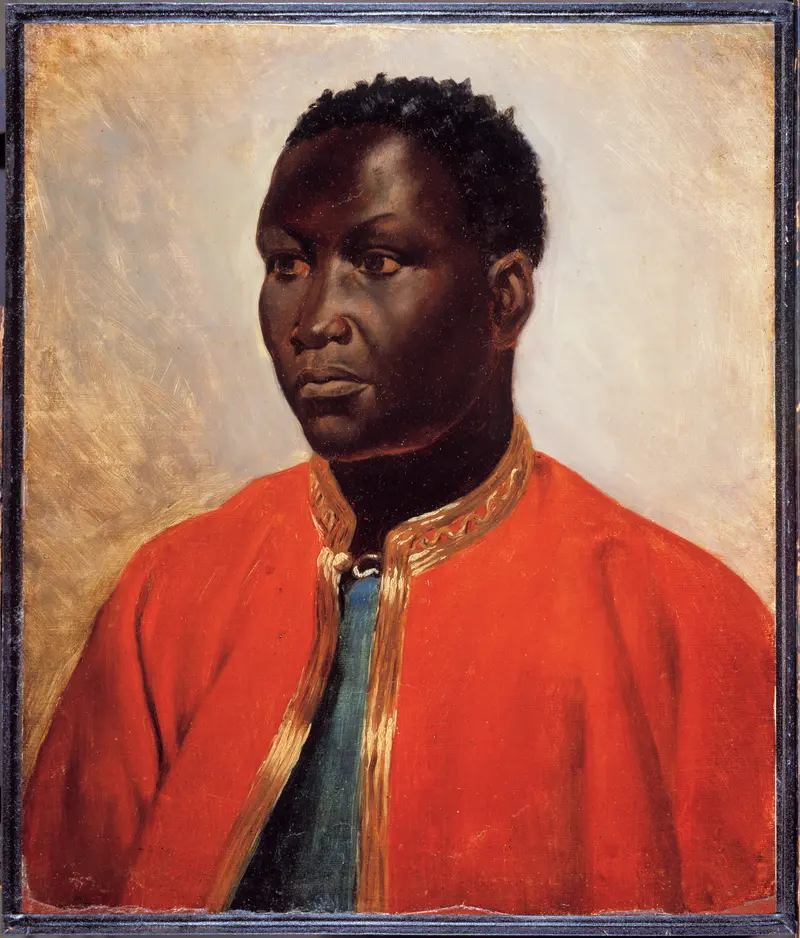
Portrait of a Negro
Théodore Géricault
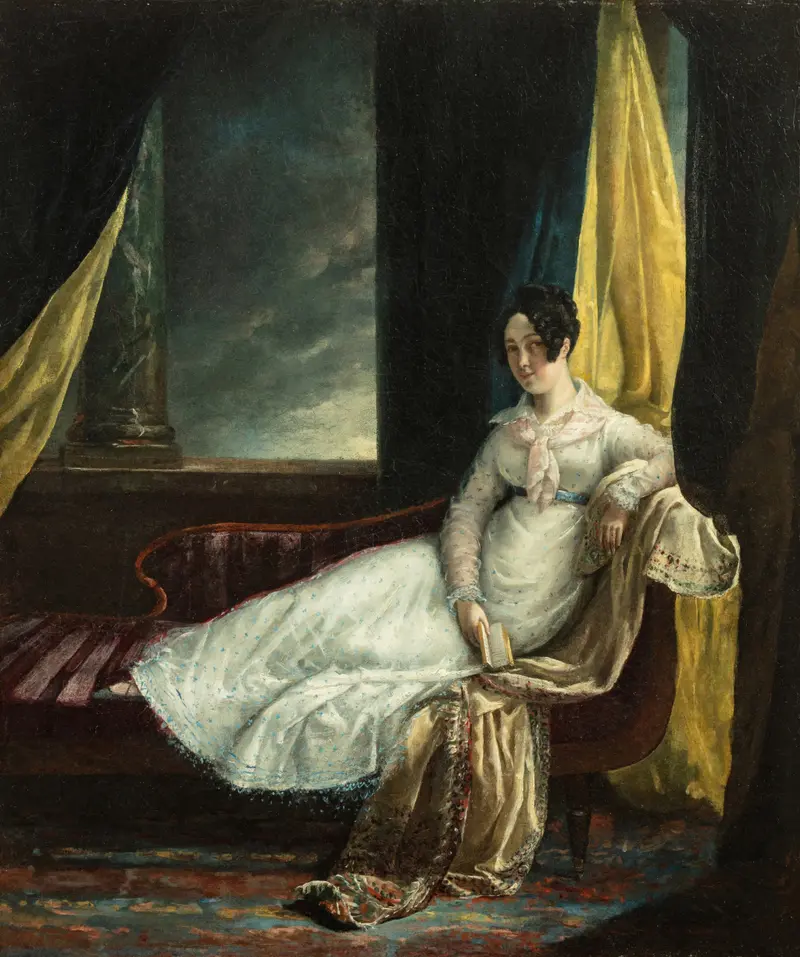
Portrait of Zoë Elmore
Théodore Géricault
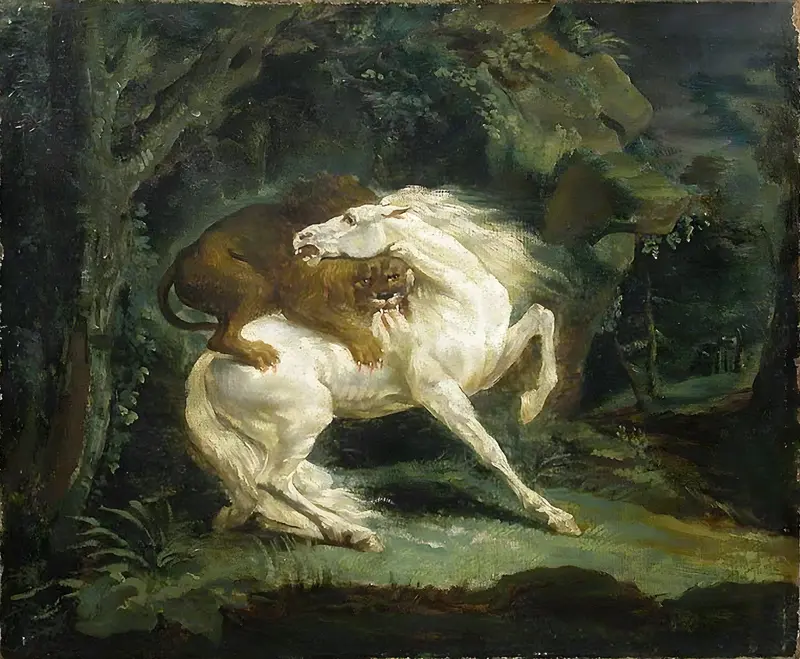
Cheval attaqué par un lion
Théodore Géricault
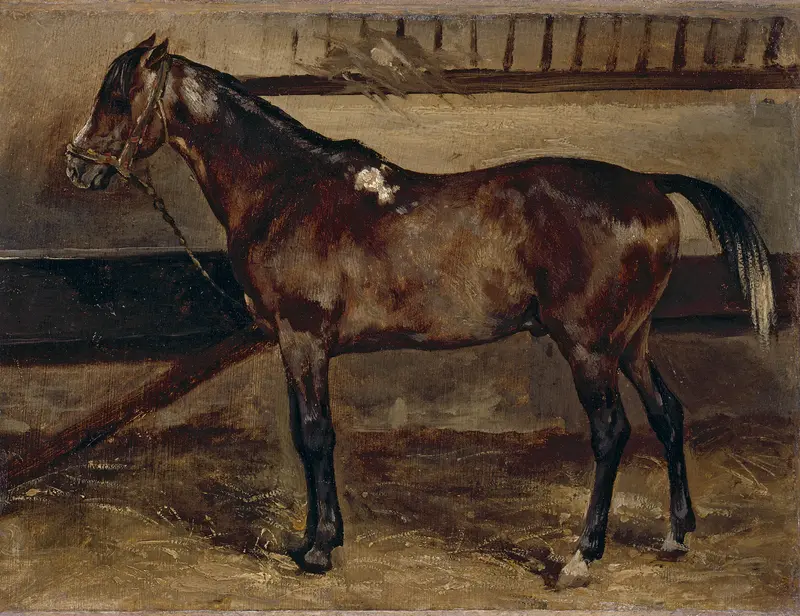
Cheval brun à l'écurie
Théodore Géricault





