
Mrs. Alexander Campbell of Possil — History & Facts
No one knows for certain when Sir Henry Raeburn painted Mrs. Alexander Campbell of Possil, but the sitter’s identity has never been in doubt: she was the wife of a wealthy Glasgow landowner, her portrait commissioned to mark her entry into one of Scotland’s most influential families. The painting is often cited as a prime example of Raeburn’s ability to capture both social status and personal character, a skill that made him the portraitist of choice among the Scottish elite.
Unlike many of his contemporaries, Raeburn painted his sitters in their own homes, lending his works a distinct intimacy. The air of gentle authority in Mrs. Campbell’s gaze has led some to speculate about her role in the family, and whether the portrait was meant to assert her presence in the Campbell lineage. Seated in a high-backed chair, Mrs.
Campbell meets the viewer’s eye with a calm, composed expression, her hands folded neatly in her lap. The light falls softly across her face, highlighting the delicate textures of her dress and the subtle gleam of a wedding band—symbols of her status and respectability. The muted tones and uncluttered background focus attention on the sitter herself, a hallmark of Raeburn’s mature style.
Unlike Thomas Gainsborough’s more theatrical society portraits, Raeburn emphasizes psychological presence over opulence, inviting us to consider the inner life of his subject. The absence of overt symbols or allegory makes the portrait all the more direct and personal. The painting’s early history is not fully documented, but it almost certainly remained in the Campbell family for generations, as was customary for such commissions. Over time, works like this helped cement Raeburn’s reputation as Scotland’s leading portraitist in the late eighteenth and early nineteenth centuries.
Today, Mrs. Alexander Campbell of Possil is recognized as a fine example of his approach: dignified, restrained, and attentive to character. Its current location is not widely publicized, but it is occasionally exhibited in retrospectives of Raeburn’s work, where it continues to draw admiration for its quiet strength.
The portrait stands as a testament to the enduring appeal of individual likeness captured with honesty and grace.
More Artworks by Sir Henry Raeburn

Portrait of Hugh Hope
Sir Henry Raeburn
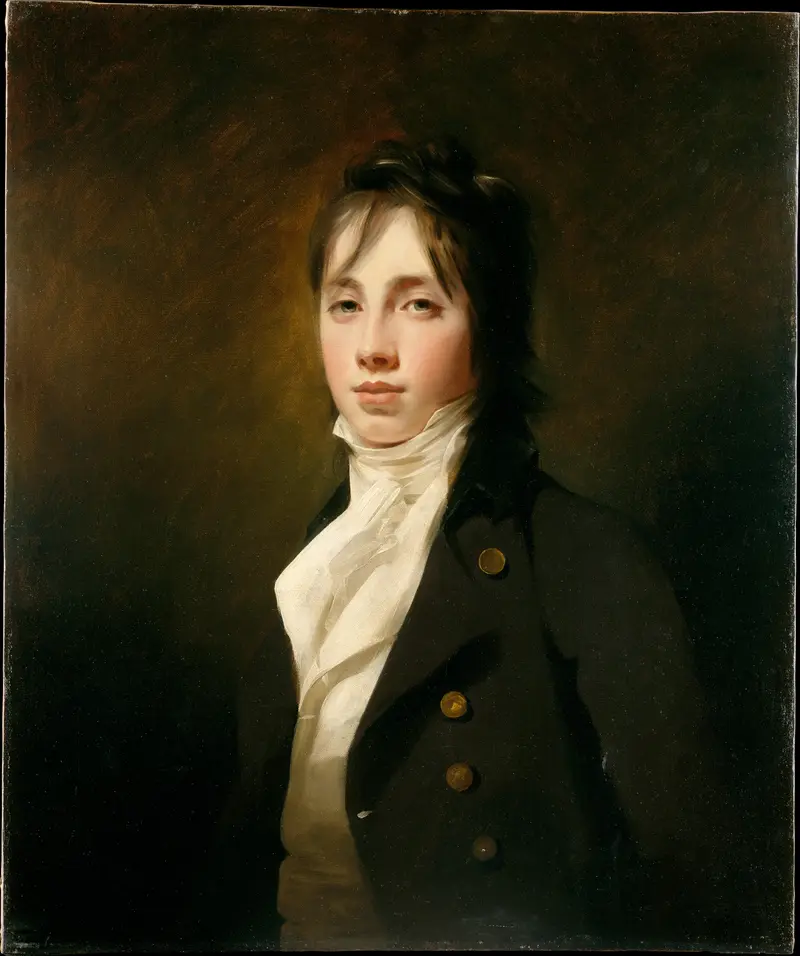
William Fraser of Reelig (1784–1835)
Sir Henry Raeburn
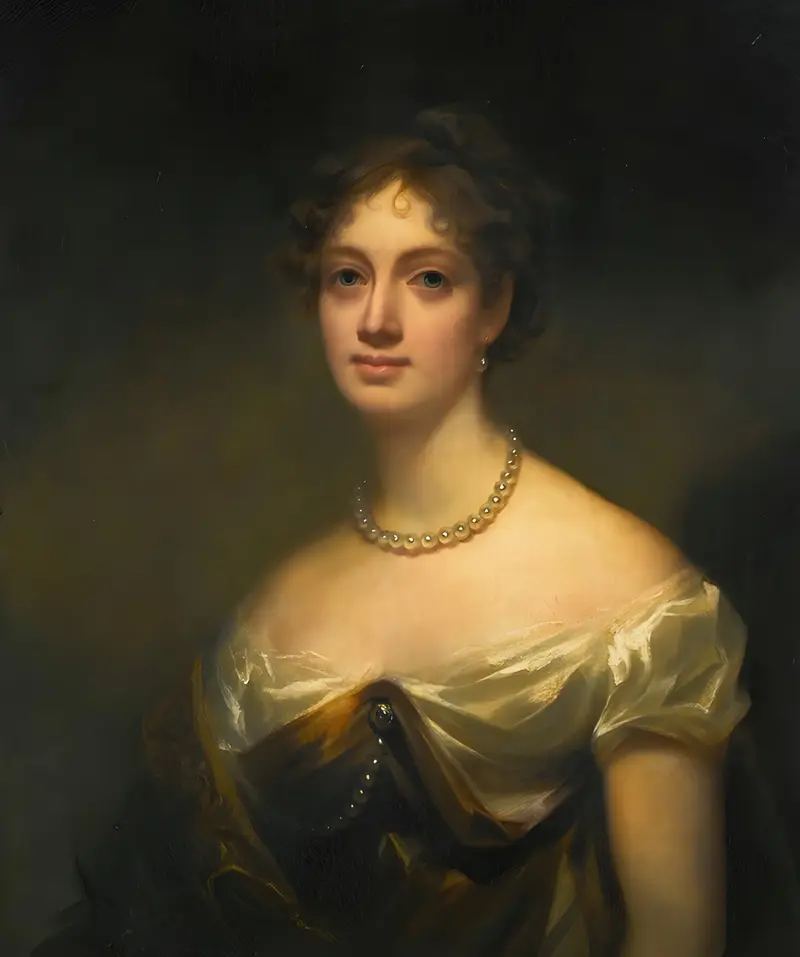
Portrait Of Anne Blair Maconochie Welwood Of Garvock, Lady Meadowbank (1784–1866)
Sir Henry Raeburn
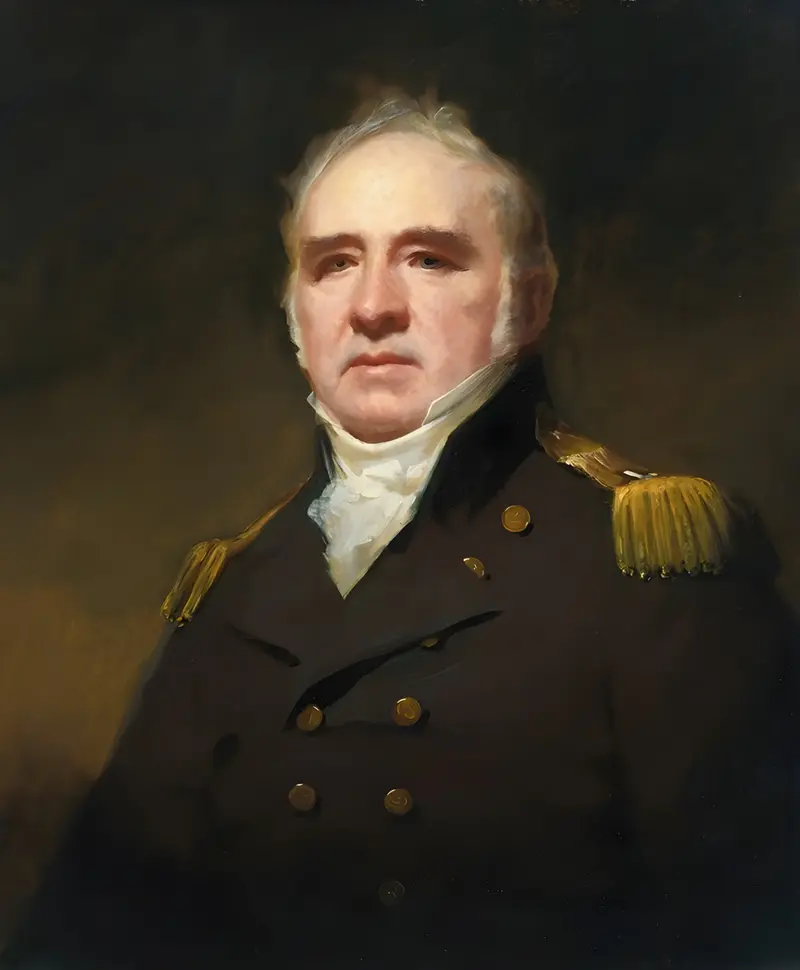
Portrait Of Captain James Forbes-Drummond, R.N., Of Hawthornden
Sir Henry Raeburn
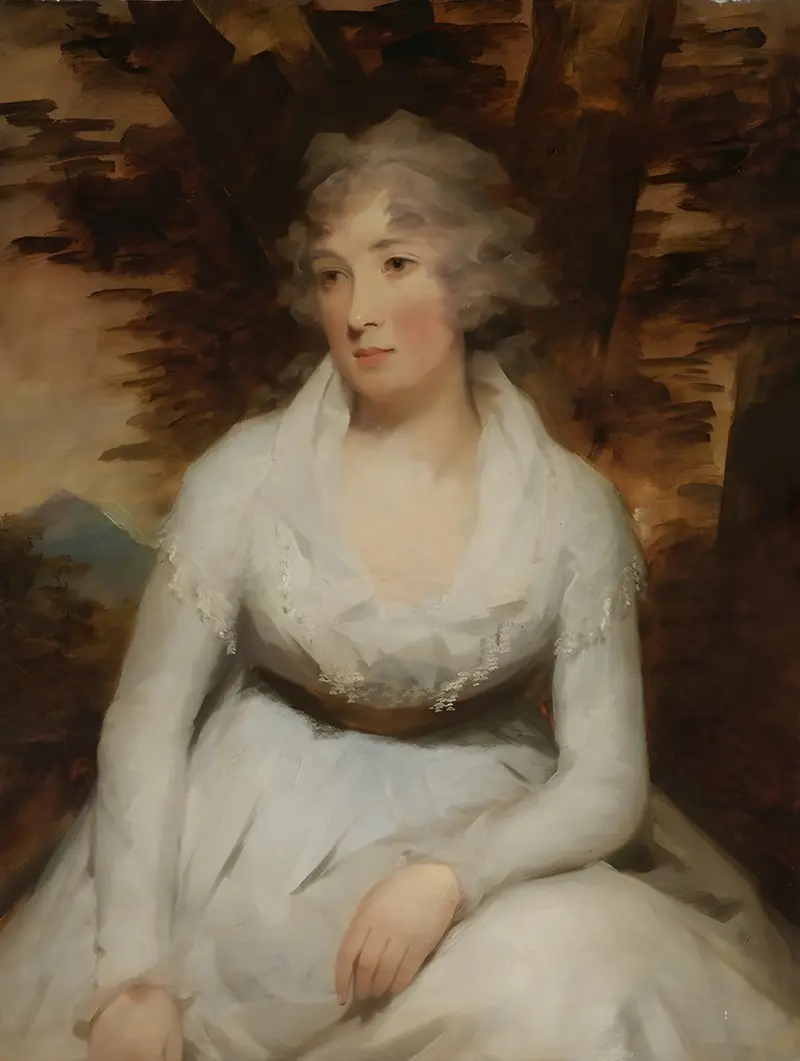
Miss Elizabeth Dalrymple (afterwards Mrs. George Leith)
Sir Henry Raeburn
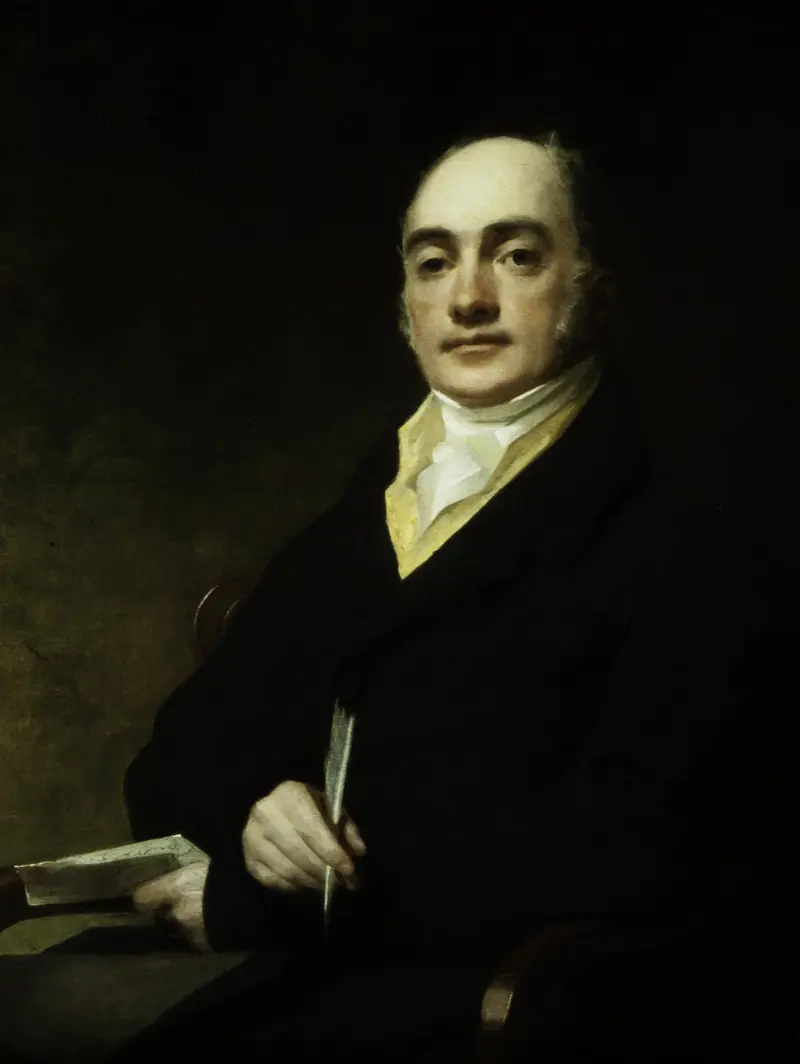
Portrait of John Baillie (1772-1833)
Sir Henry Raeburn
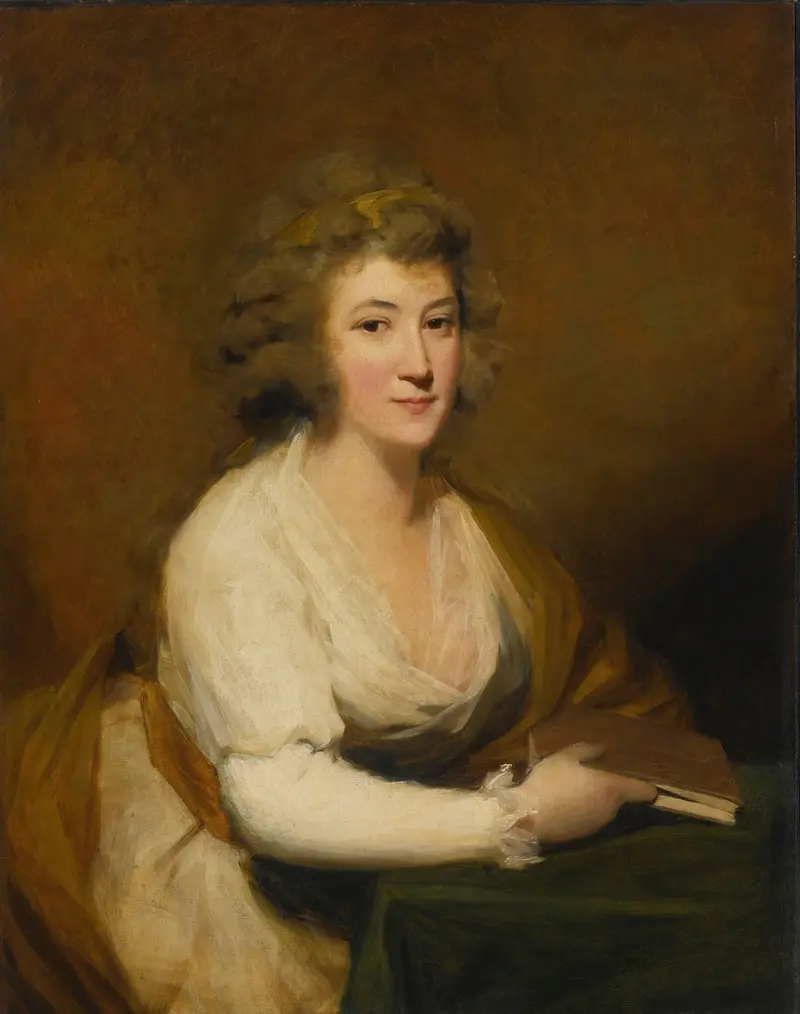
Portrait Of Lady Nasmyth, In A White Dress And Brown Shawl, Seated At A Table, Holding A Book
Sir Henry Raeburn
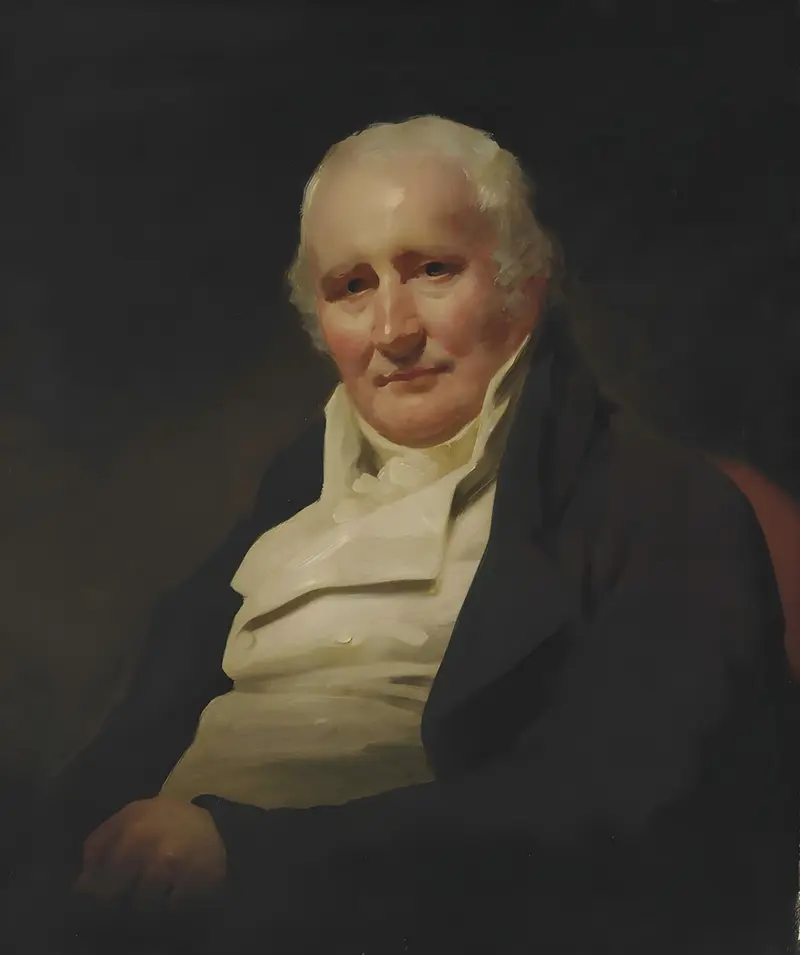
Portrait Of Mr. Spottiswood
Sir Henry Raeburn
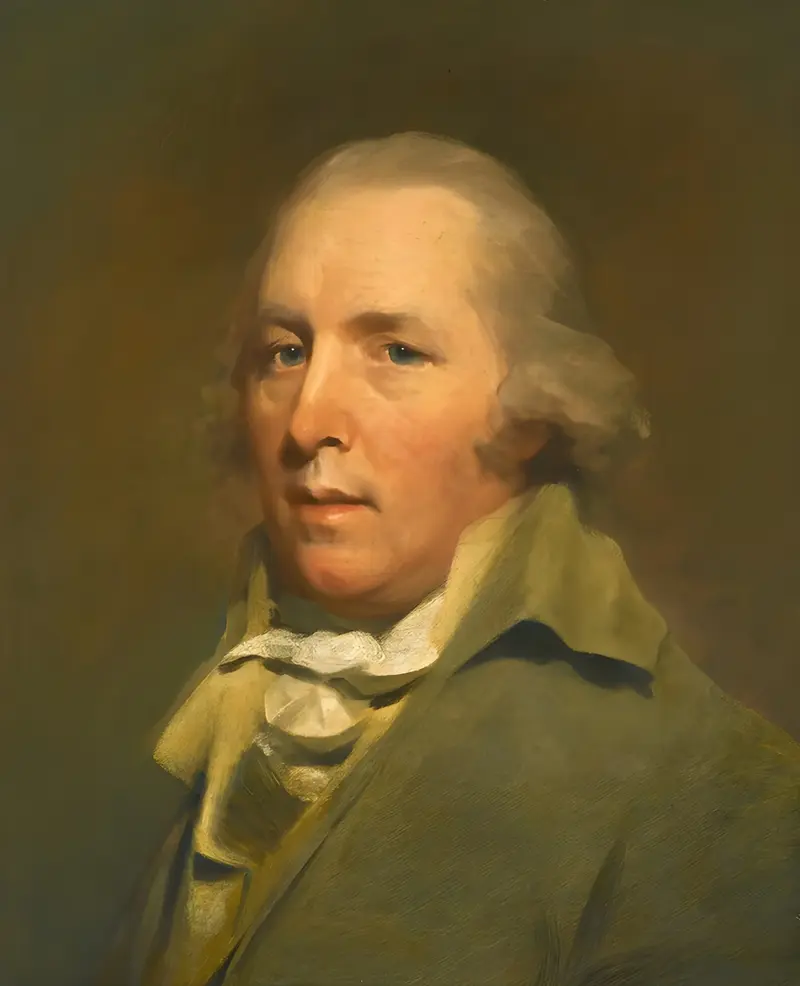
Portrait Of The Reverend John Home (1722-1808)
Sir Henry Raeburn
Portrait of William Hunt (c.1796-1854), Pittencrief House, Dunfermline
Sir Henry Raeburn





