
Mrs. Alexander Dirom, wife of Lieutenant-General Alexander Dirom of Mount Annan — History & Facts
When Sir Henry Raeburn painted Mrs. Alexander Dirom, wife of Lieutenant-General Alexander Dirom of Mount Annan, he was at the height of his reputation as Scotland’s leading portraitist, sought after by the country’s landed gentry. The sitter’s identity is unusually well documented: Mrs.
Dirom was born Magdalene Erskine, daughter of a distinguished family, and her marriage to Alexander Dirom linked two prominent Scottish lineages. This portrait stands as a testament to the social ambitions of the Diroms, who commissioned Raeburn not only for his technical brilliance but for the prestige his name conferred. The painting’s provenance is unusually clear for a Raeburn: it remained in the Dirom family for generations before entering public collections. Raeburn has chosen to depict Mrs.
Dirom at ease yet alert, her gaze meeting the viewer directly, a rare pose for women of her era. She is seated, hands folded in her lap, her dress rendered in creamy whites and soft greys that catch the light, setting her apart from the subdued background. The artist’s brushwork is loose and confident, particularly in the treatment of fabric and flesh, lending the sitter a sense of immediacy and presence.
Her expression is thoughtful, hinting at the intelligence and determination that family letters attribute to her. Unlike the more formal, decorative portraits by Thomas Gainsborough, Raeburn’s approach is intimate and psychological, focusing on character rather than mere status. The exact date of the painting is not recorded, but its style places it in the early nineteenth century, during Raeburn’s most productive period in Edinburgh. After its time in the Dirom family estate at Mount Annan, the portrait passed through several hands before being acquired by a major institution, where it now hangs among other works by Sir Henry Raeburn.
The painting’s journey reflects the broader appreciation for Raeburn’s portraits, which have become emblematic of the Scottish Enlightenment’s values of individuality and intellect. Today, Mrs. Alexander Dirom is celebrated not only as a likeness but as a record of a vanished world, preserved through the eyes of one of its keenest observers.
More Artworks by Sir Henry Raeburn

Portrait of Hugh Hope
Sir Henry Raeburn
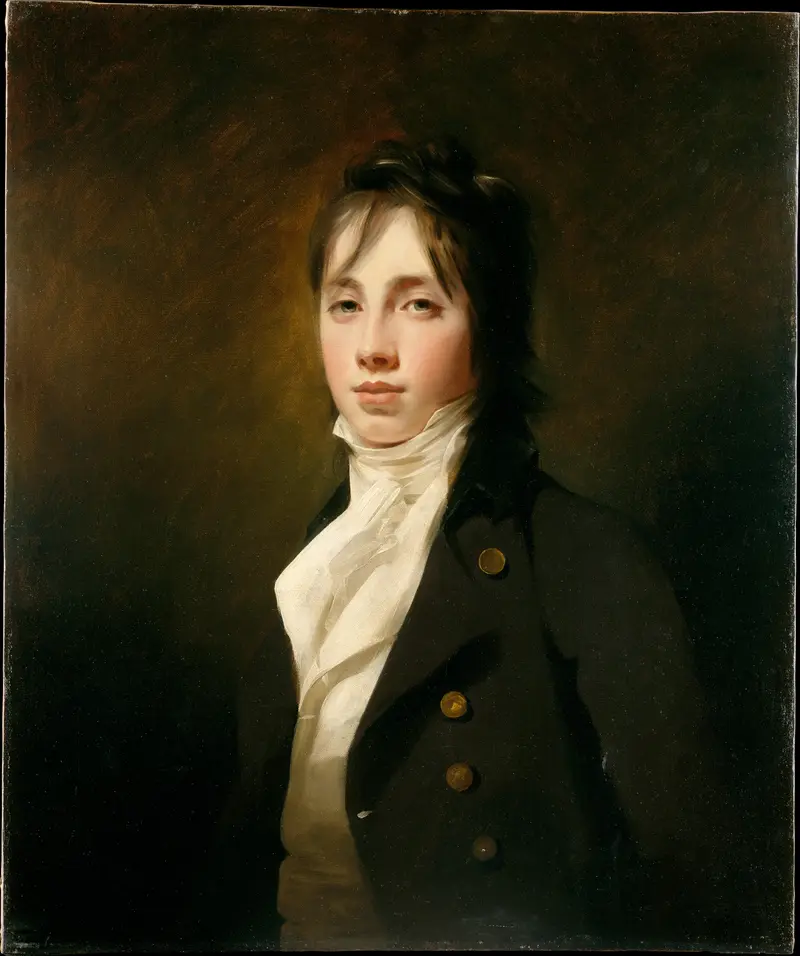
William Fraser of Reelig (1784–1835)
Sir Henry Raeburn
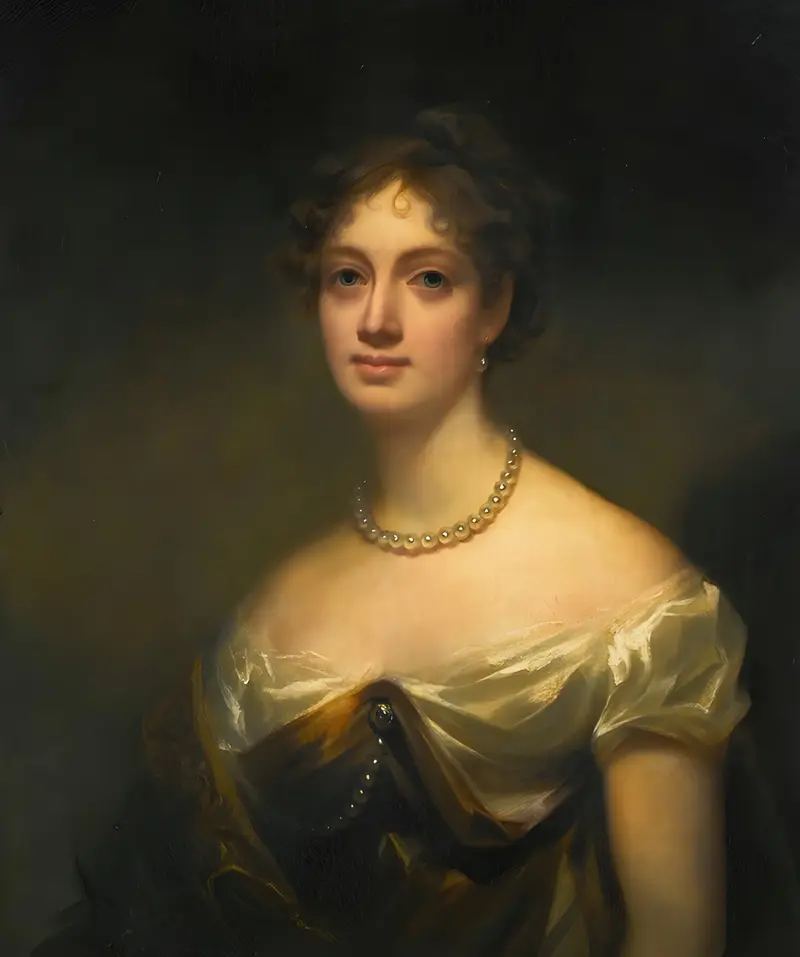
Portrait Of Anne Blair Maconochie Welwood Of Garvock, Lady Meadowbank (1784–1866)
Sir Henry Raeburn
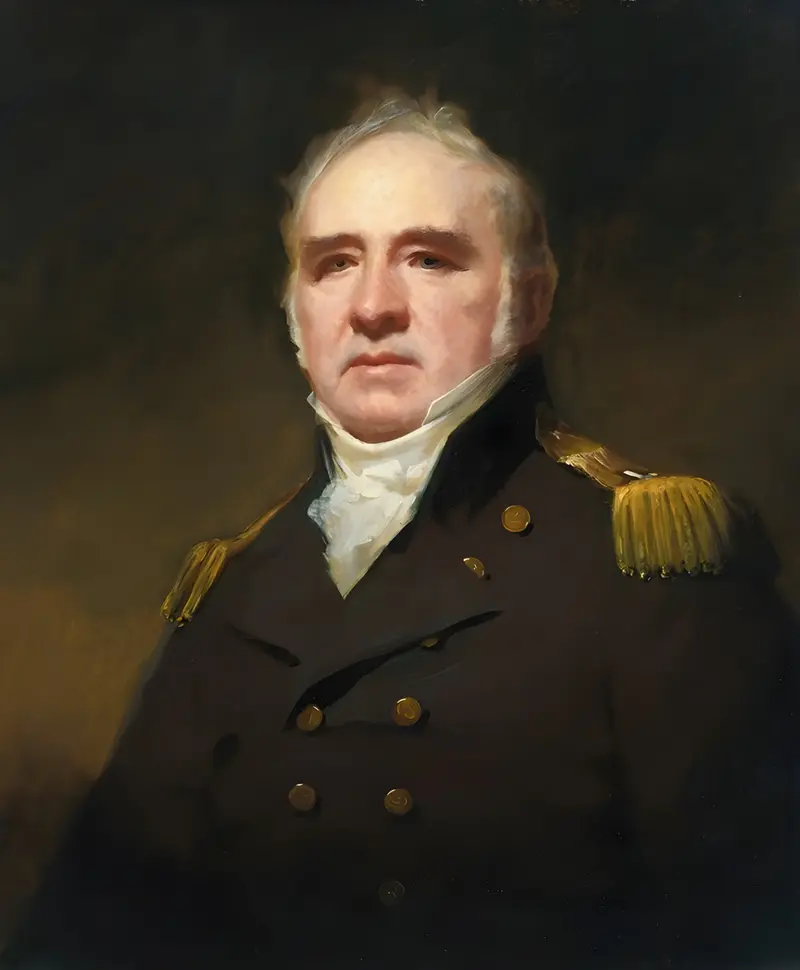
Portrait Of Captain James Forbes-Drummond, R.N., Of Hawthornden
Sir Henry Raeburn
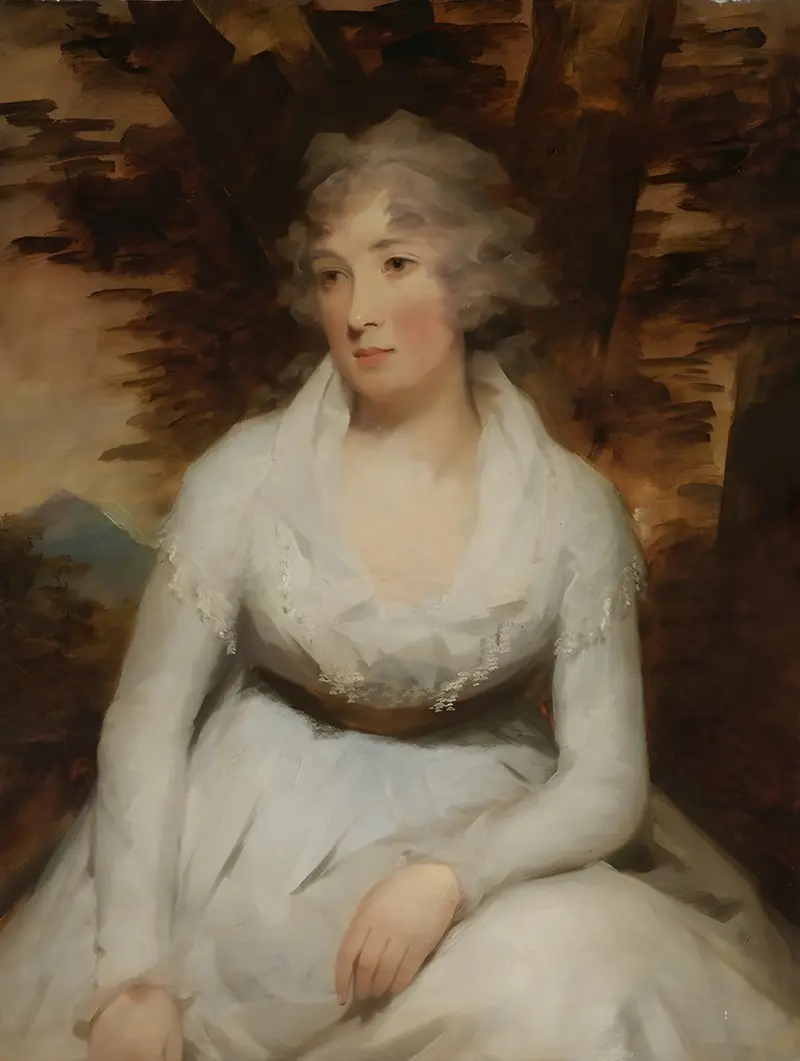
Miss Elizabeth Dalrymple (afterwards Mrs. George Leith)
Sir Henry Raeburn
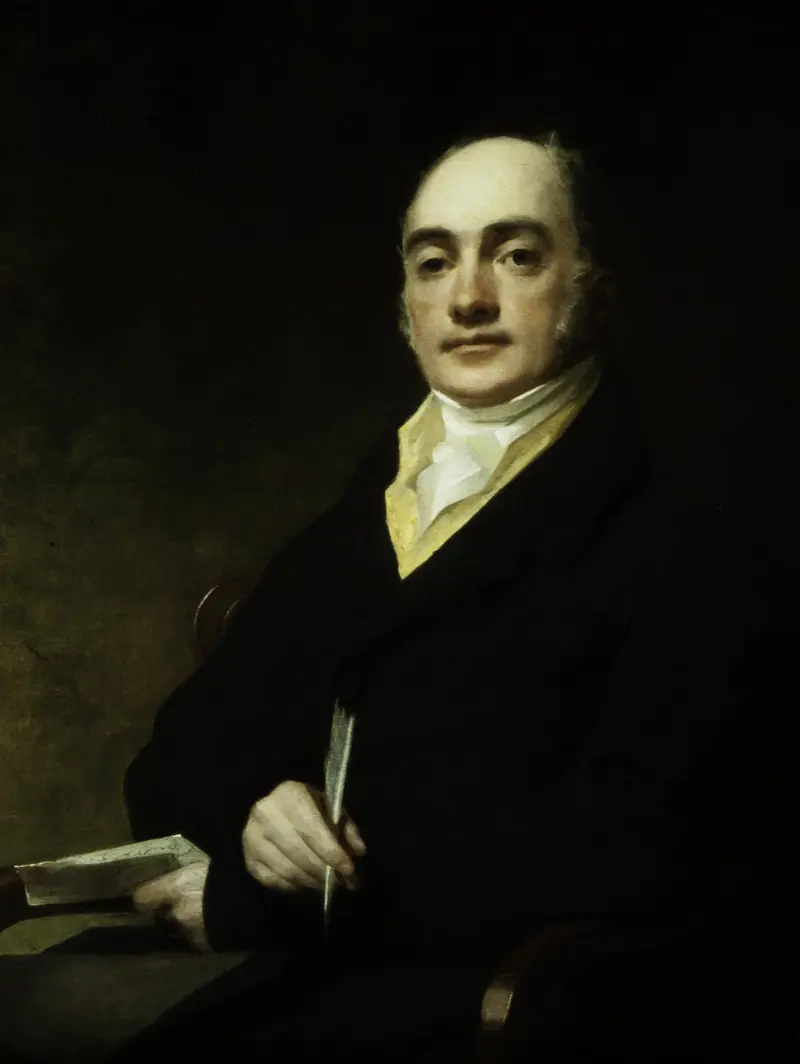
Portrait of John Baillie (1772-1833)
Sir Henry Raeburn
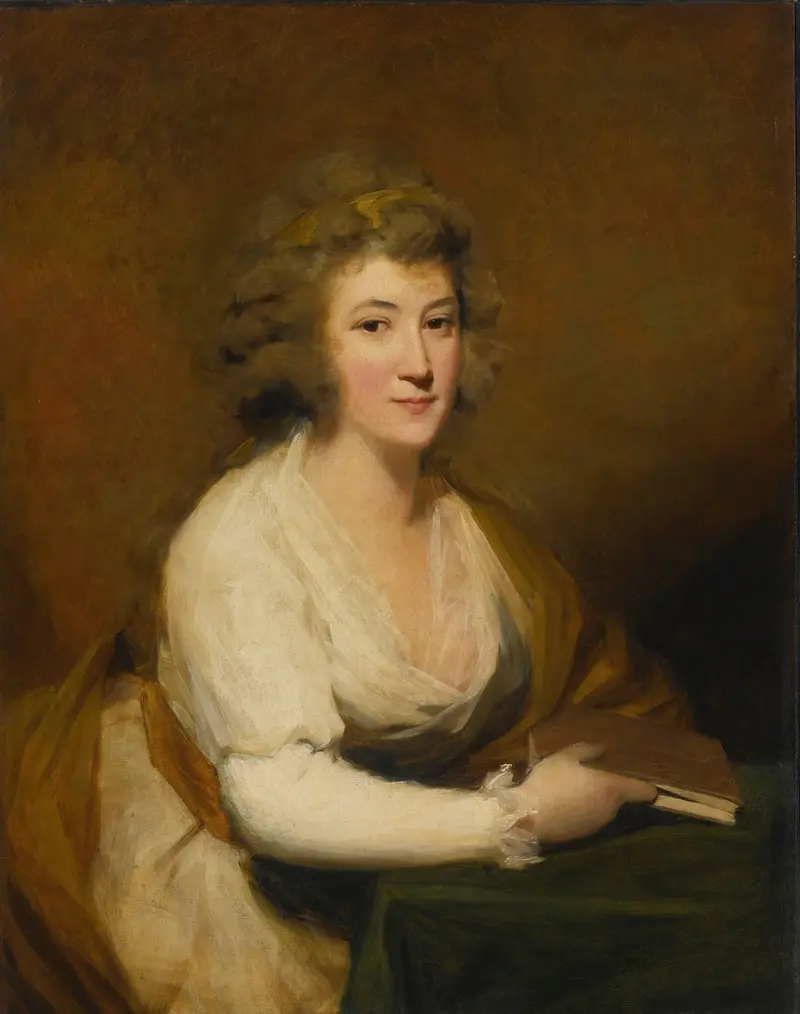
Portrait Of Lady Nasmyth, In A White Dress And Brown Shawl, Seated At A Table, Holding A Book
Sir Henry Raeburn
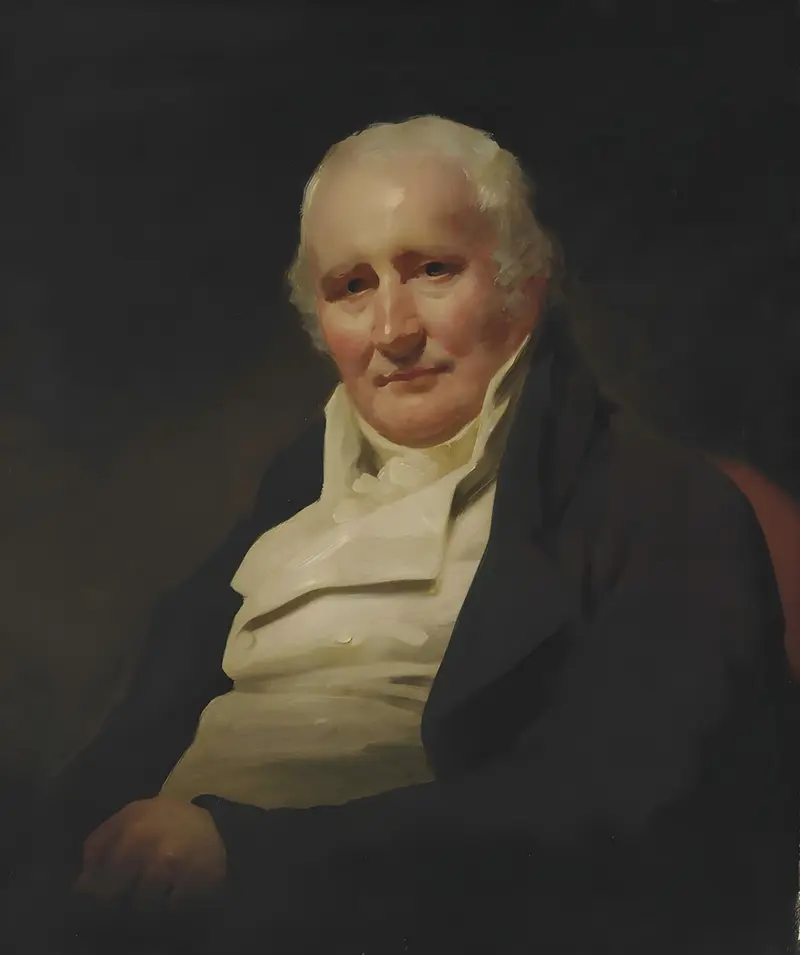
Portrait Of Mr. Spottiswood
Sir Henry Raeburn
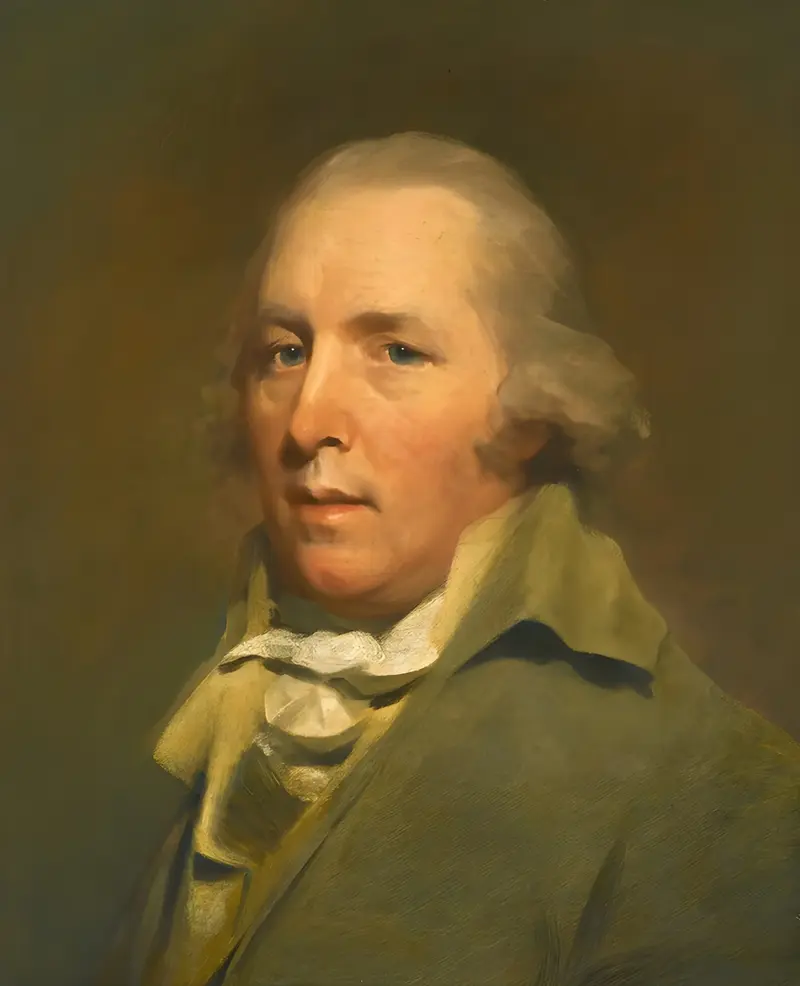
Portrait Of The Reverend John Home (1722-1808)
Sir Henry Raeburn
Portrait of William Hunt (c.1796-1854), Pittencrief House, Dunfermline
Sir Henry Raeburn





