
Mrs. Graham Young and child — History & Facts
When Mrs. Graham Young and child was first exhibited, viewers were struck by its intimate portrayal of maternal affection—a theme less common in formal portraiture of the late eighteenth and early nineteenth centuries. Unlike many of his contemporaries, Sir Henry Raeburn was renowned for capturing not just the likeness but the inner life of his sitters, and this painting is often cited as one of his most personal works.
The identity of the child remains uncertain, prompting ongoing speculation among art historians about the family story behind the canvas. This air of mystery, combined with the warmth of the composition, has kept the painting a subject of fascination for generations. The scene unfolds in a quiet domestic interior: Mrs. Graham Young, dressed in the fashion of her day, cradles her child with a gentle, protective embrace.
Her gaze, directed not at the viewer but at her child, draws us into a private world of tenderness. The soft play of light across her face and the child’s features highlights the emotional bond between them, while the subdued background ensures that nothing distracts from their connection. The composition recalls the gentle realism of Thomas Gainsborough’s family portraits, yet Raeburn’s brushwork is more direct, his colors earthier, lending the scene a sense of immediacy and truth.
The child’s small hand grasping the mother’s finger is a detail that speaks volumes about trust and dependence. Although the exact circumstances of the commission are unclear, Mrs. Graham Young and child likely originated in Edinburgh, where Raeburn established his reputation as Scotland’s leading portraitist. The painting’s provenance is not fully documented, and it is possible that it remained in private hands for much of its existence before entering a public collection.
Today, it stands as a testament to Raeburn’s ability to infuse traditional portraiture with psychological depth and humanity. Its enduring appeal lies not only in its technical skill but in its honest depiction of familial love—a theme that continues to resonate with viewers.
More Artworks by Sir Henry Raeburn

Portrait of Hugh Hope
Sir Henry Raeburn
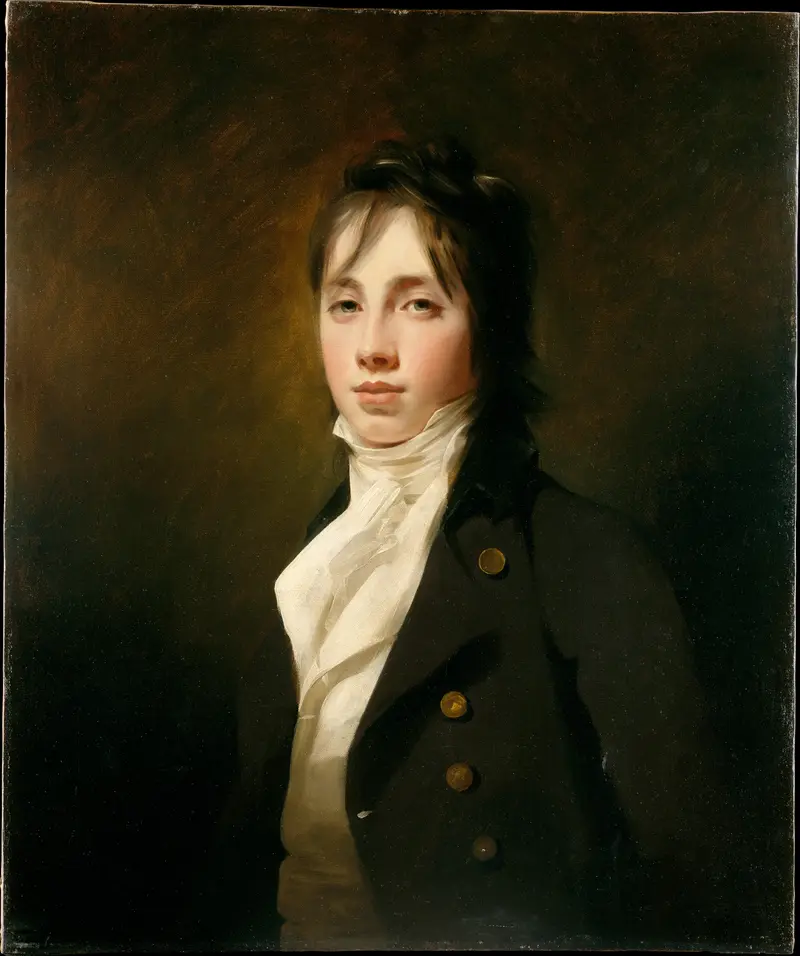
William Fraser of Reelig (1784–1835)
Sir Henry Raeburn
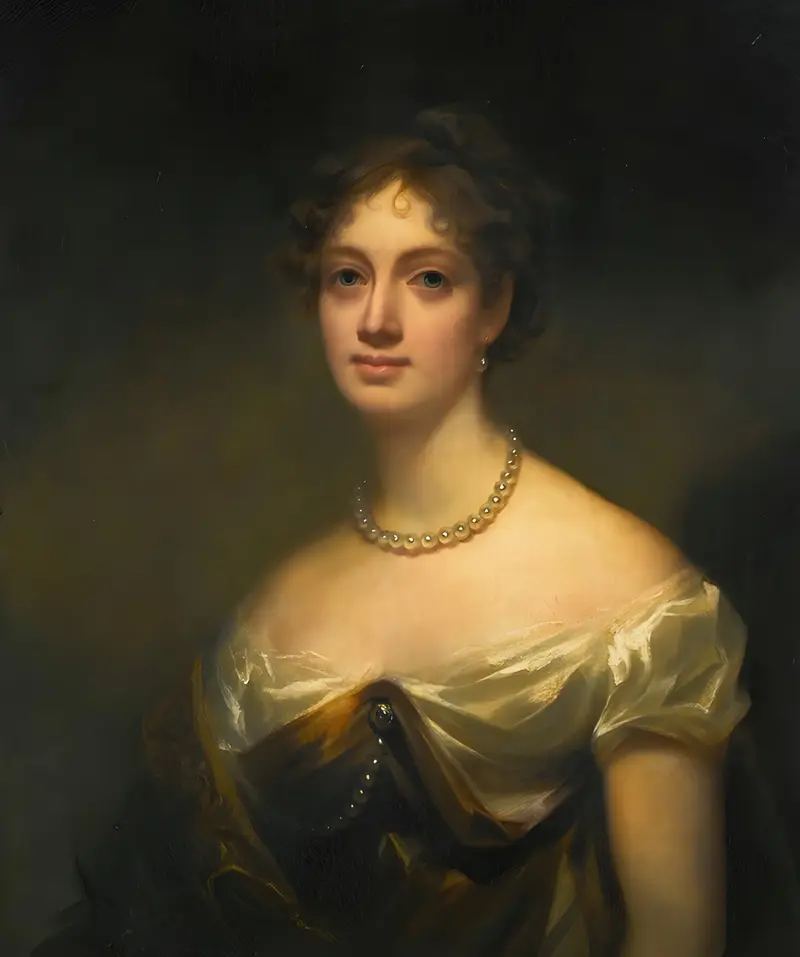
Portrait Of Anne Blair Maconochie Welwood Of Garvock, Lady Meadowbank (1784–1866)
Sir Henry Raeburn
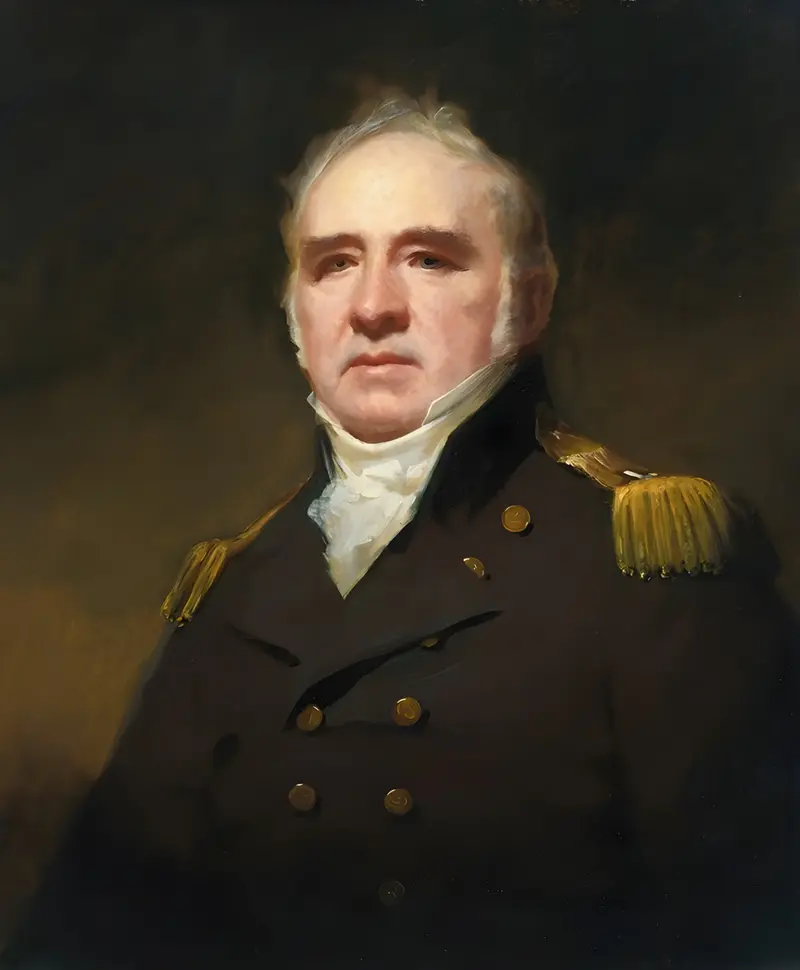
Portrait Of Captain James Forbes-Drummond, R.N., Of Hawthornden
Sir Henry Raeburn
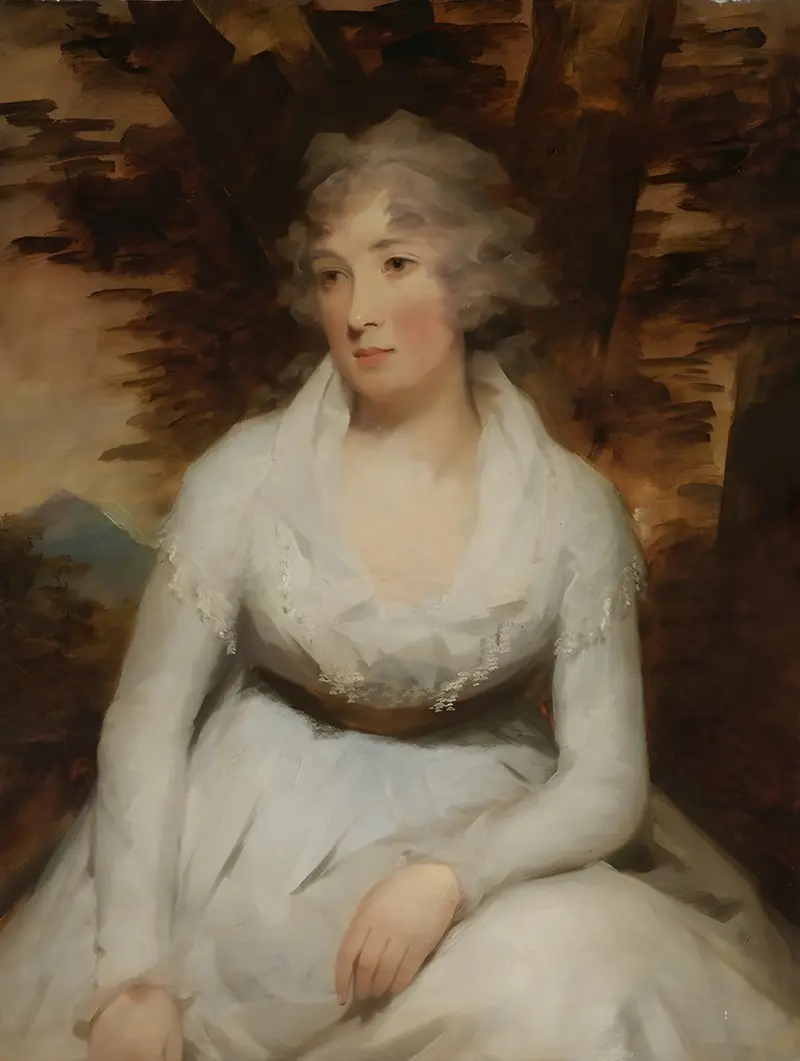
Miss Elizabeth Dalrymple (afterwards Mrs. George Leith)
Sir Henry Raeburn
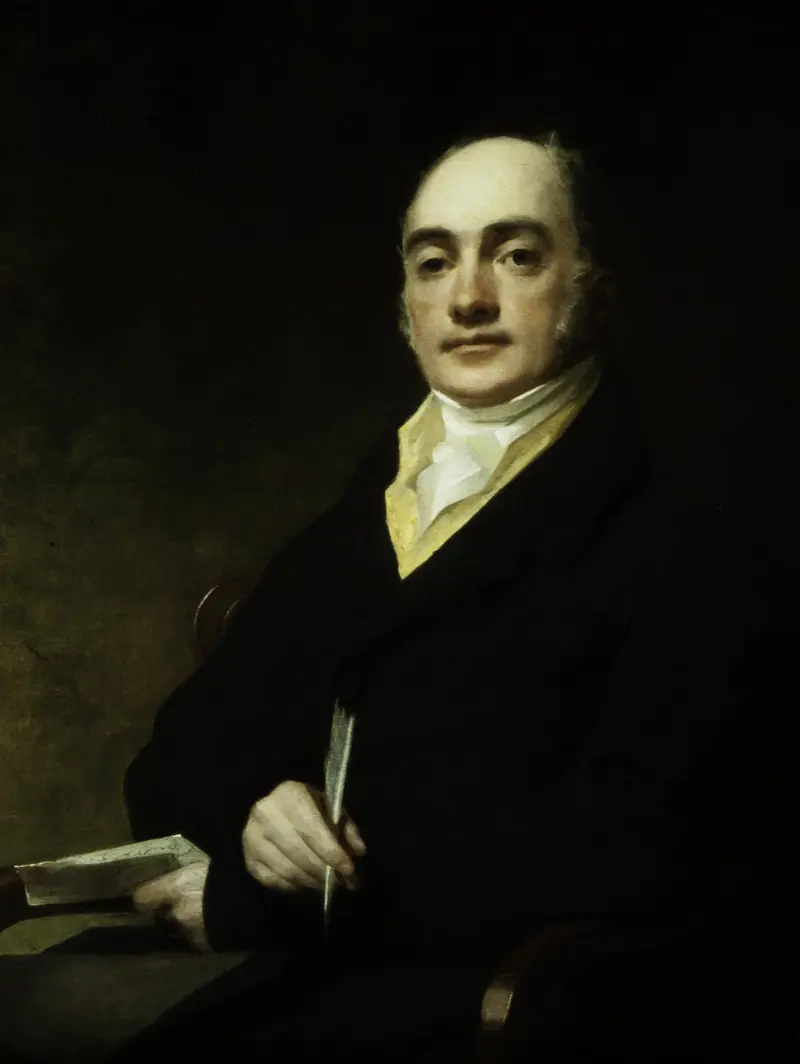
Portrait of John Baillie (1772-1833)
Sir Henry Raeburn
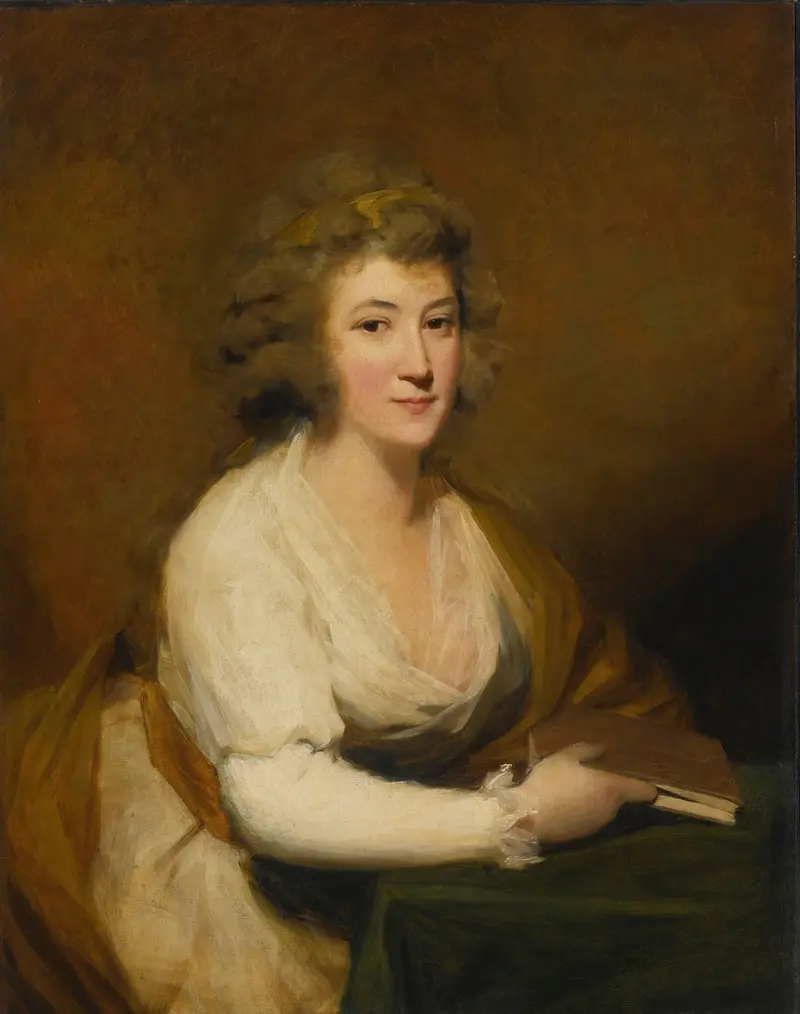
Portrait Of Lady Nasmyth, In A White Dress And Brown Shawl, Seated At A Table, Holding A Book
Sir Henry Raeburn
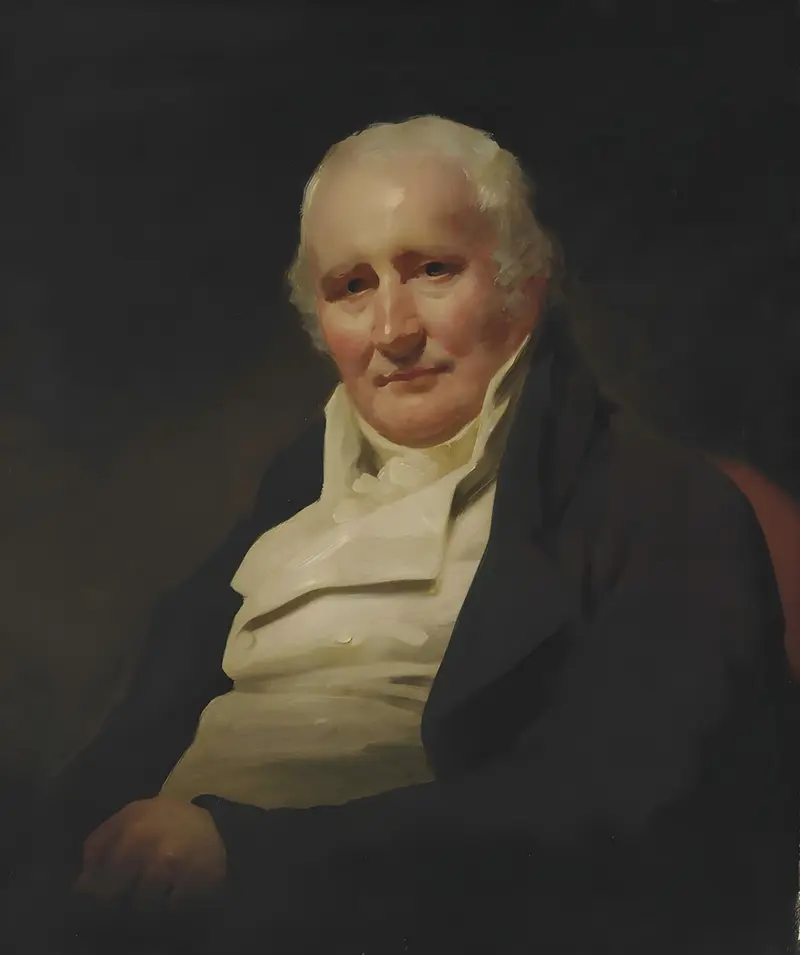
Portrait Of Mr. Spottiswood
Sir Henry Raeburn
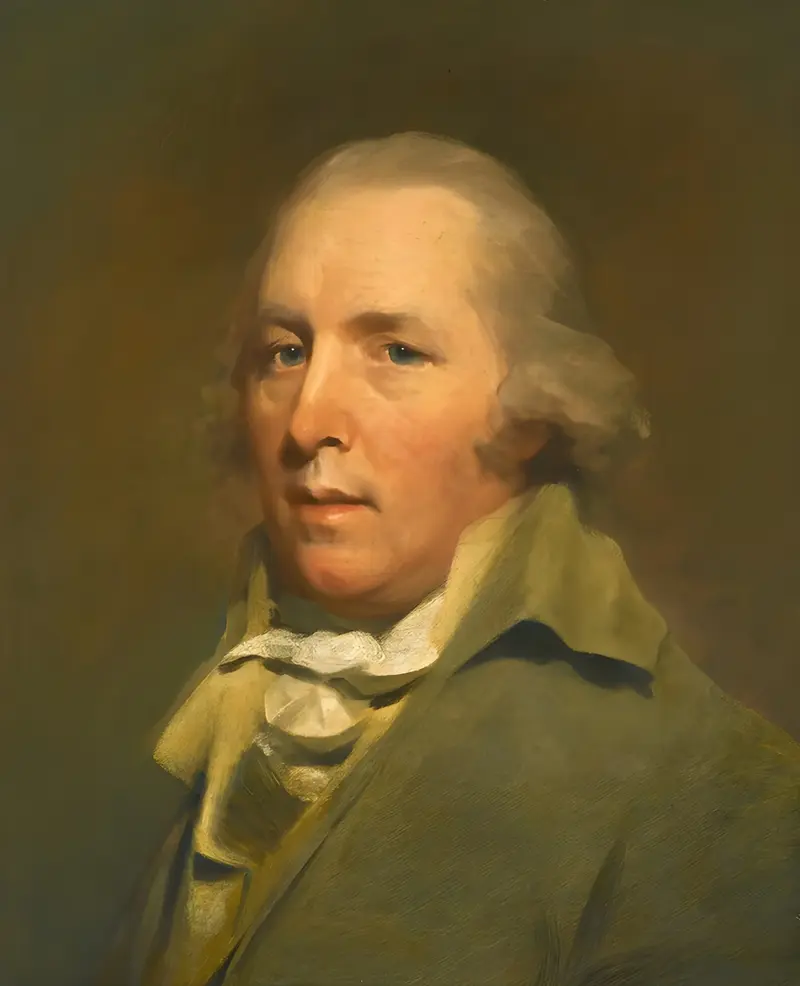
Portrait Of The Reverend John Home (1722-1808)
Sir Henry Raeburn
Portrait of William Hunt (c.1796-1854), Pittencrief House, Dunfermline
Sir Henry Raeburn





