
Mrs. Macdowall — History & Facts
No one knows for certain the identity of Mrs. Macdowall, yet her portrait by Sir Henry Raeburn has long fascinated viewers and scholars alike, not least because of the sitter’s direct, almost challenging gaze—a rarity in late eighteenth-century British portraiture. The painting’s lack of a recorded date or commission only deepens the intrigue, leaving open the question of whether Mrs.
Macdowall was a family member, a patron’s wife, or perhaps a figure of local renown in Edinburgh society. This uncertainty has led to lively debate among art historians, who note that Raeburn’s portraits often captured the rising Scottish bourgeoisie, rather than the titled aristocracy favored by his English contemporaries. The woman in the painting sits upright, her head turned slightly as if caught mid-conversation. Her attire is simple but elegant, with a dark dress and a white fichu at her neck, signaling both modesty and a certain social standing.
The light falls across her face, illuminating her frank expression and the delicate modeling of her features, while the background recedes into shadow, focusing all attention on the sitter. The absence of elaborate props or symbolic objects sets this work apart from the more theatrical portraits of Thomas Gainsborough, emphasizing instead the individuality and psychological presence of Mrs. Macdowall herself.
Raeburn’s brushwork, loose yet precise, animates the fabric and flesh, inviting the viewer to imagine the personality behind the pose. As with many of Raeburn’s portraits, the early history of Mrs. Macdowall is obscure. The painting’s provenance is not fully documented, a common fate for works outside the circles of royal or aristocratic patronage.
Over time, it has been attributed to different sitters and occasionally misidentified, reflecting the shifting fortunes of private portraiture in the art market. Today, Mrs. Macdowall stands as a testament to Raeburn’s reputation as Scotland’s leading portraitist, admired for his ability to capture character and presence without recourse to flattery or artifice.
The painting’s quiet dignity continues to draw visitors, inviting speculation about the life and story of the woman behind the name.
More Artworks by Sir Henry Raeburn

Portrait of Hugh Hope
Sir Henry Raeburn
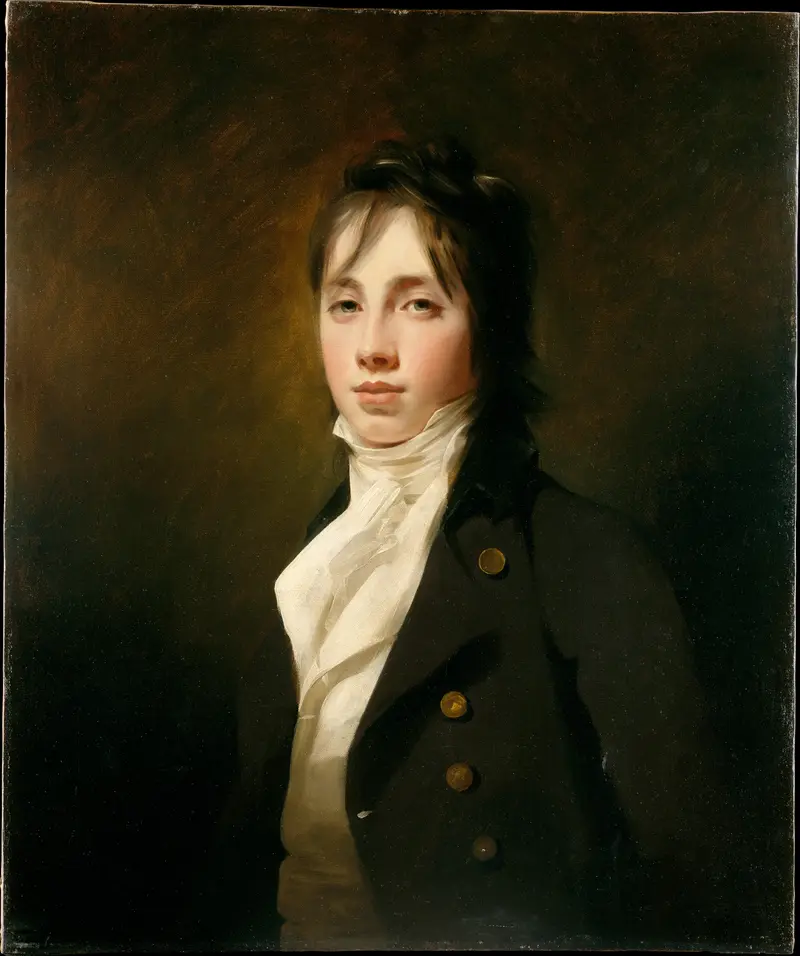
William Fraser of Reelig (1784–1835)
Sir Henry Raeburn
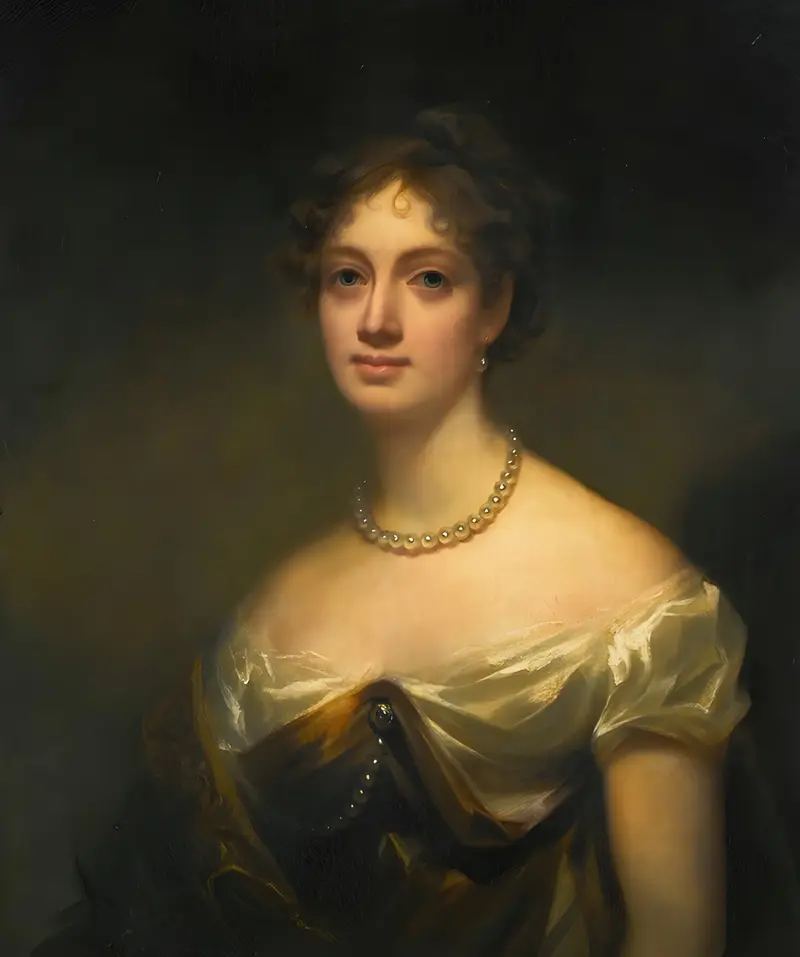
Portrait Of Anne Blair Maconochie Welwood Of Garvock, Lady Meadowbank (1784–1866)
Sir Henry Raeburn
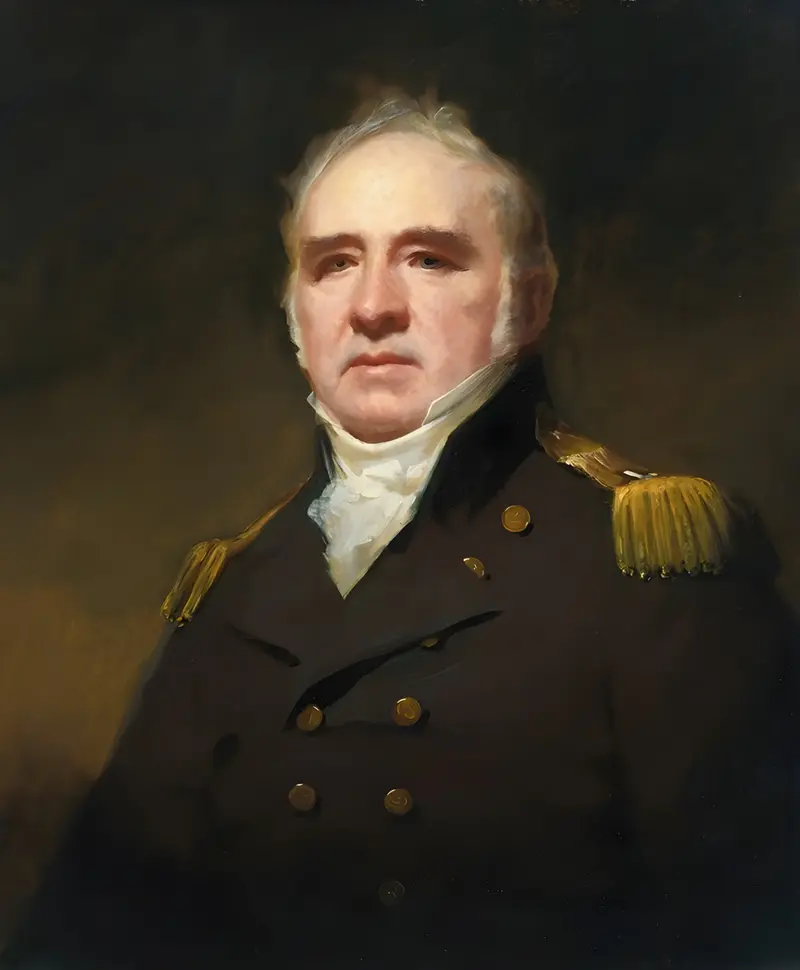
Portrait Of Captain James Forbes-Drummond, R.N., Of Hawthornden
Sir Henry Raeburn
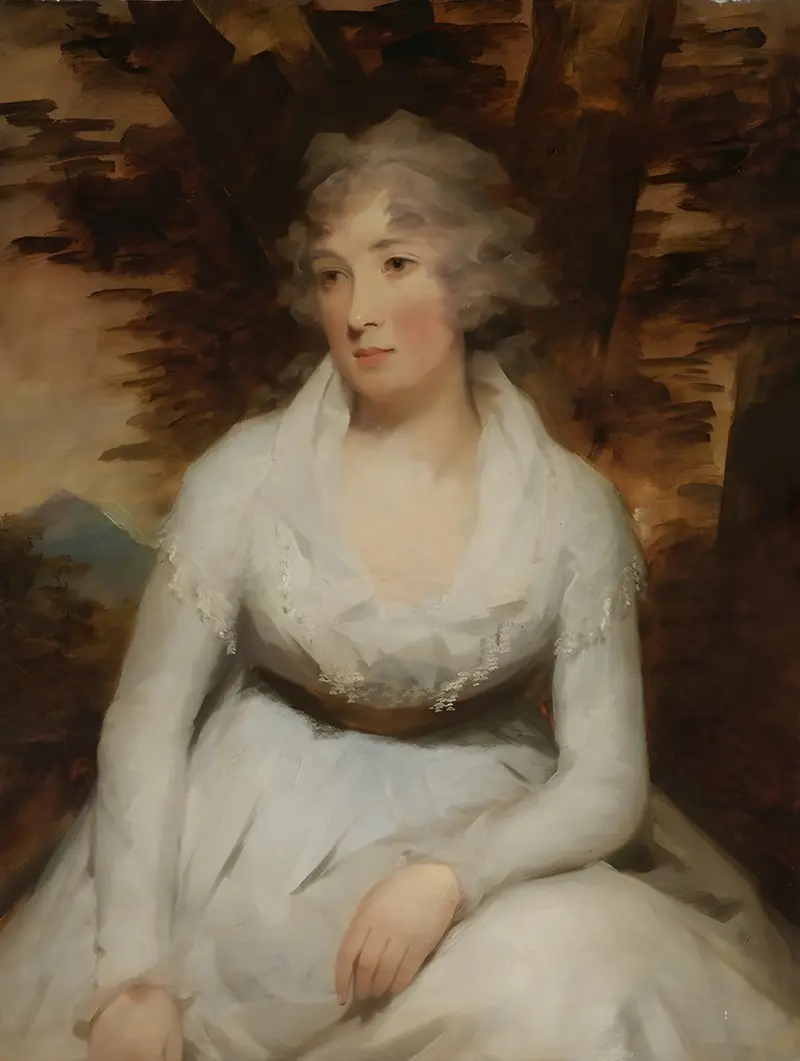
Miss Elizabeth Dalrymple (afterwards Mrs. George Leith)
Sir Henry Raeburn
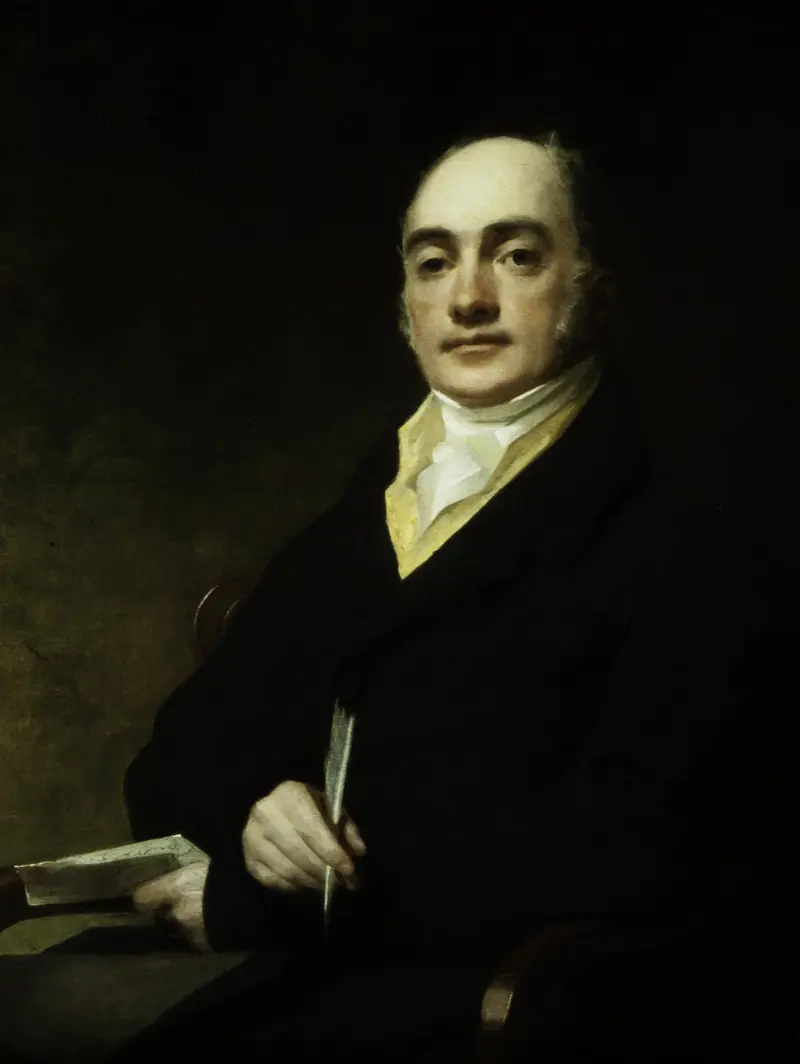
Portrait of John Baillie (1772-1833)
Sir Henry Raeburn
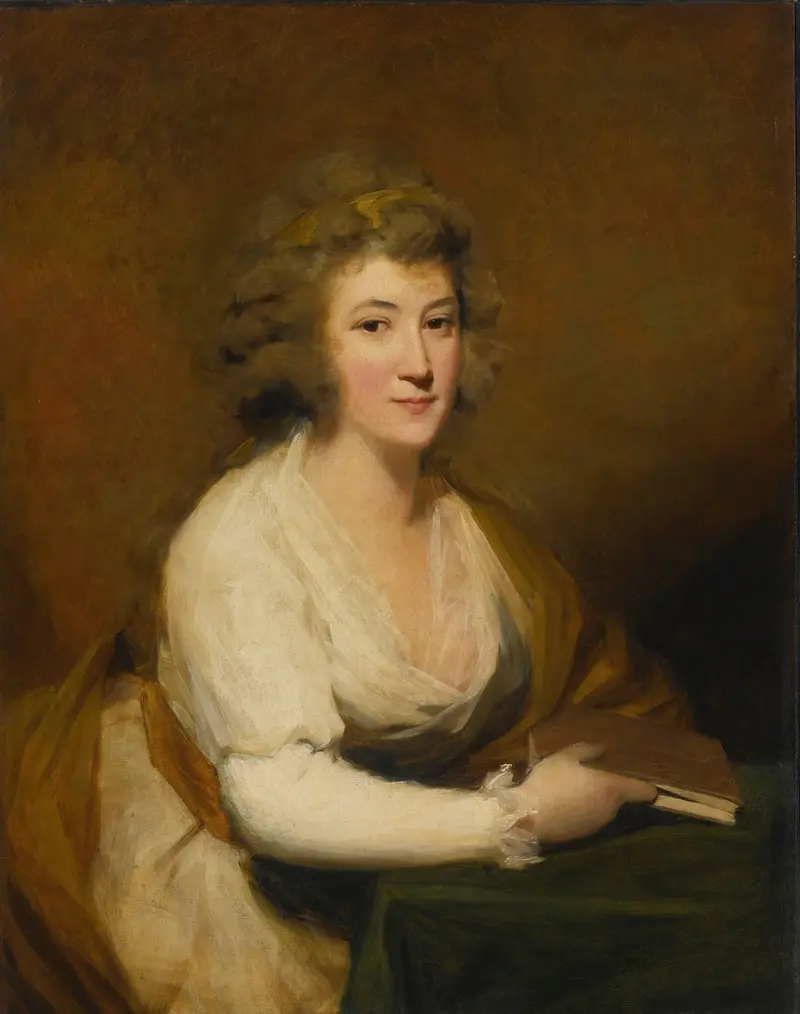
Portrait Of Lady Nasmyth, In A White Dress And Brown Shawl, Seated At A Table, Holding A Book
Sir Henry Raeburn
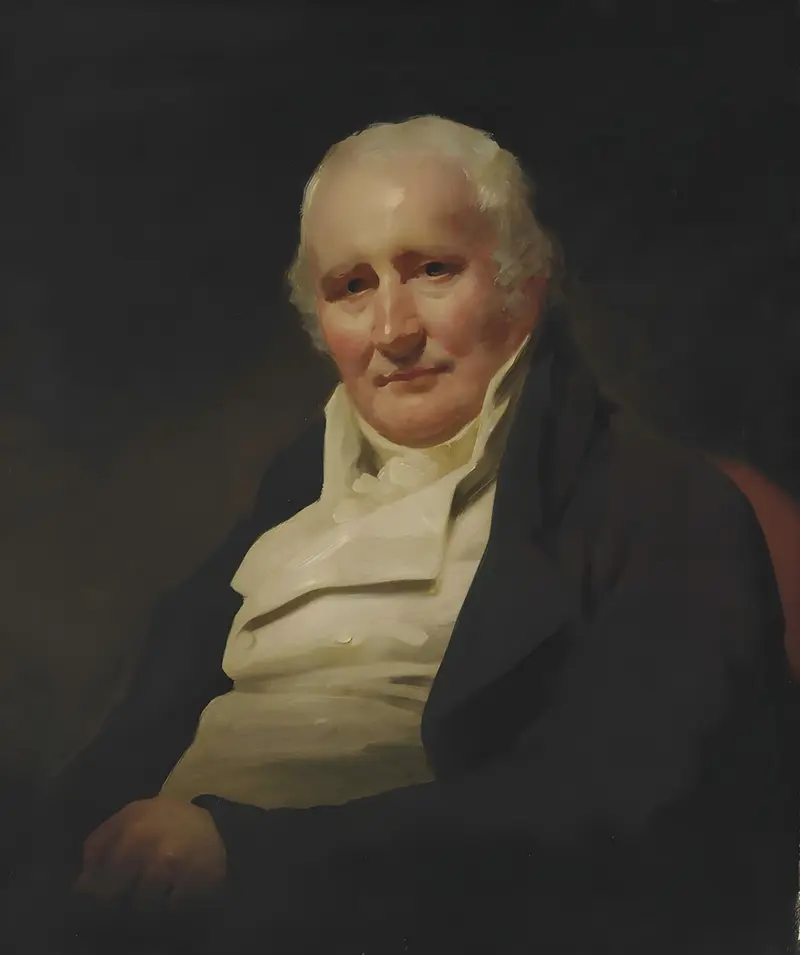
Portrait Of Mr. Spottiswood
Sir Henry Raeburn
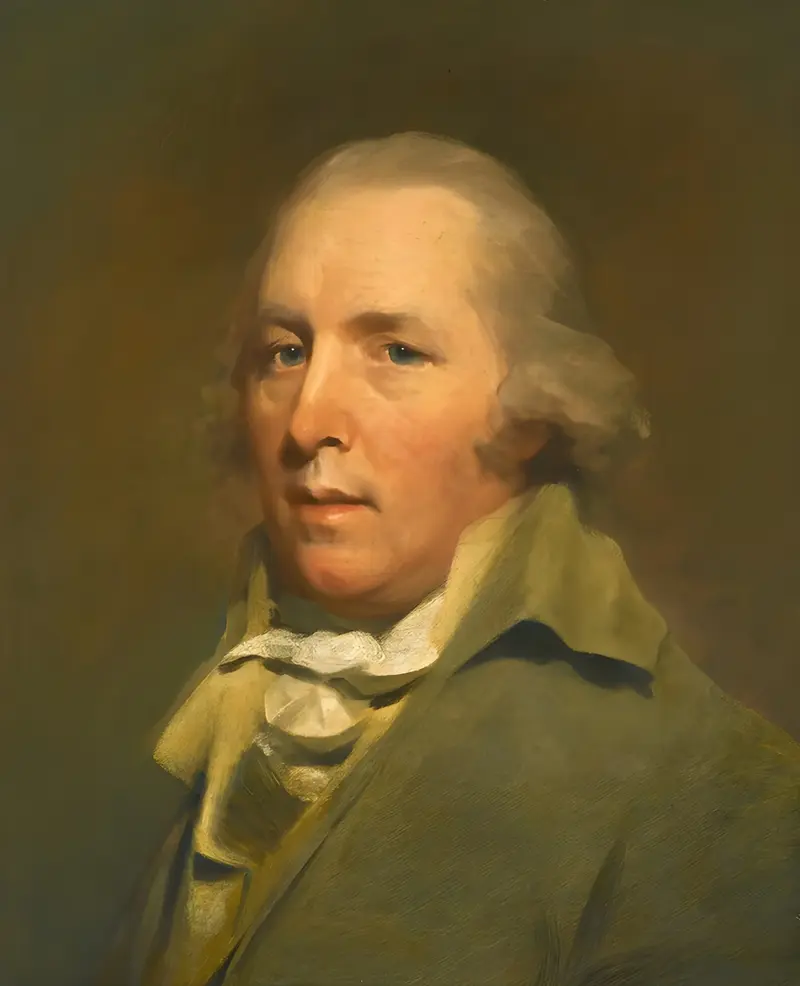
Portrait Of The Reverend John Home (1722-1808)
Sir Henry Raeburn
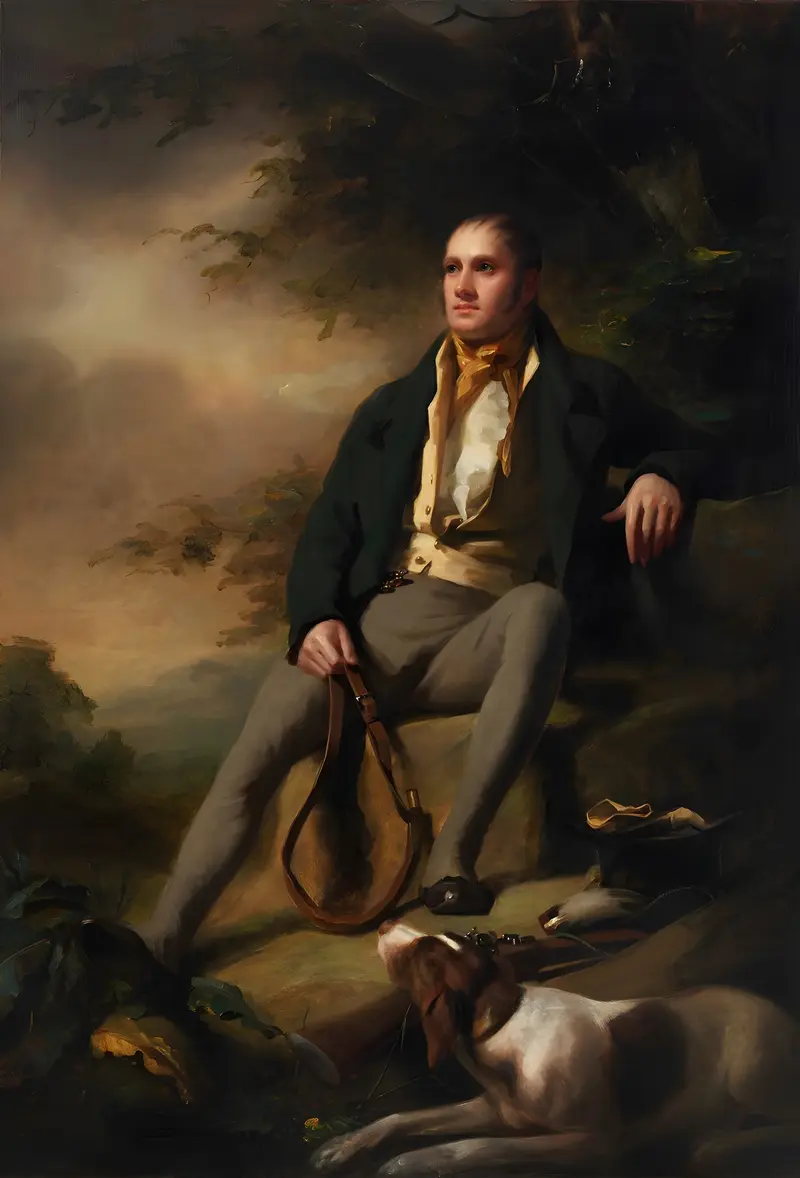
Portrait of William Hunt (c.1796-1854), Pittencrief House, Dunfermline
Sir Henry Raeburn





