
Mural painting of the funeral chapel of Andrea Mantegna — History & Facts
What first seizes the viewer here is the illusion of an open sky, glimpsed through a golden lattice that seems to hover above the chapel’s dome. The eye is drawn immediately to the central medallion, where a coat of arms is set like a jewel, anchoring the composition in heraldic authority. Around it, the painted trelliswork radiates outward, each diamond-shaped opening filled with dark foliage and fruit, as if the ceiling itself were a living arbor.
The effect is both architectural and organic: a celebration of order, growth, and the promise of paradise, all unfolding above the heads of those who once gathered beneath. This mural belongs to the world of early 16th-century Italy, a period when illusionistic ceiling painting was coming into its own. Such works were often commissioned to transform sacred spaces, enveloping viewers in visions that blurred the line between the earthly and the divine. Painted around 1507, this dome from the funeral chapel of Andrea Mantegna in Correggio stands at the crossroads of tradition and innovation—its unknown medium and the scarcity of surviving records only deepen its mystery.
Yet, even in its obscurity, the painting invites us to marvel at how a Renaissance artist could turn a ceiling into a garden, and a chapel into a gateway between worlds.
More Artworks by Antonio da Correggio

Virgin and Child with the Young Saint John the Baptist
Antonio da Correggio
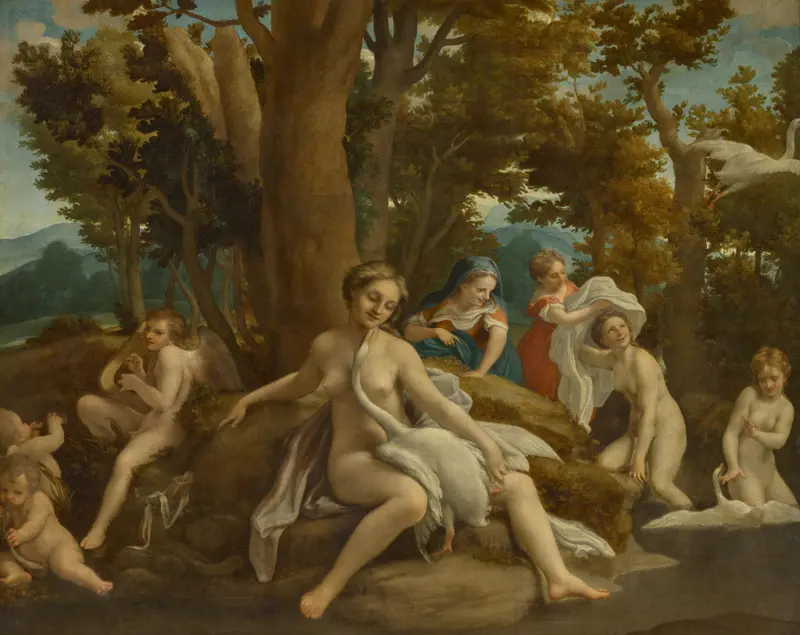
Leda and the Swan
Antonio da Correggio
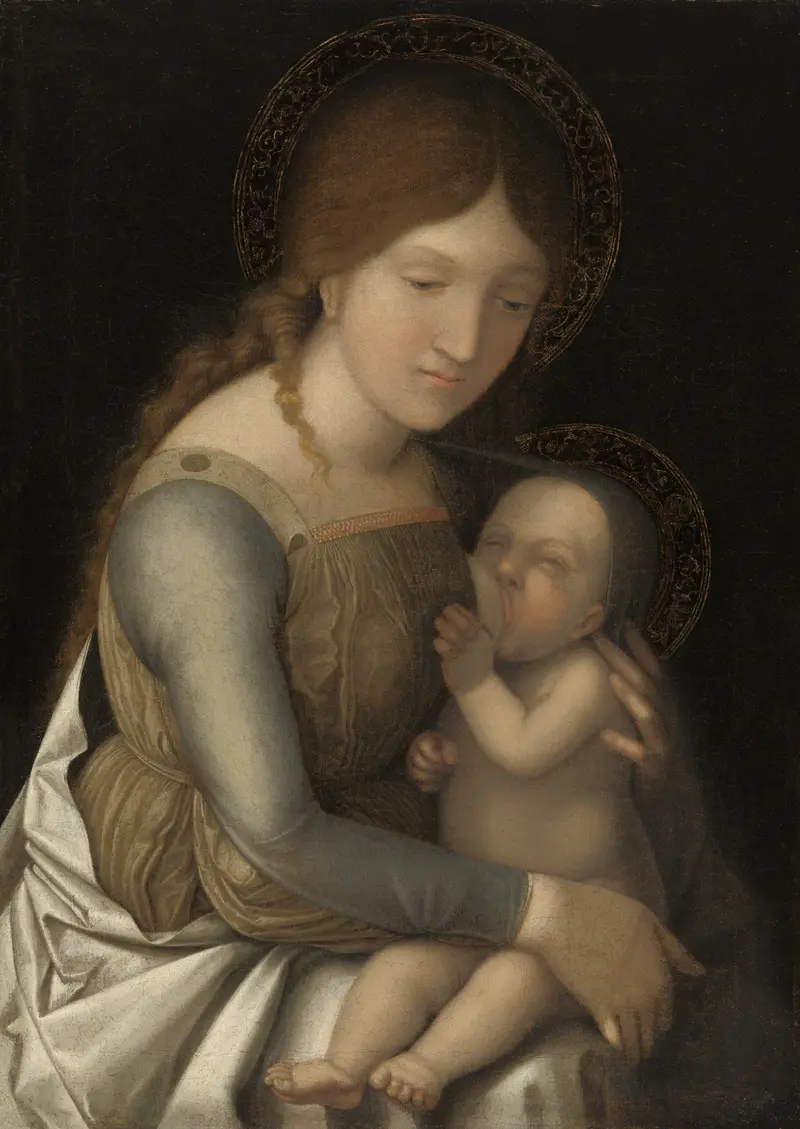
Madonna and Child
Antonio da Correggio

Penitent Magdalene
Antonio da Correggio
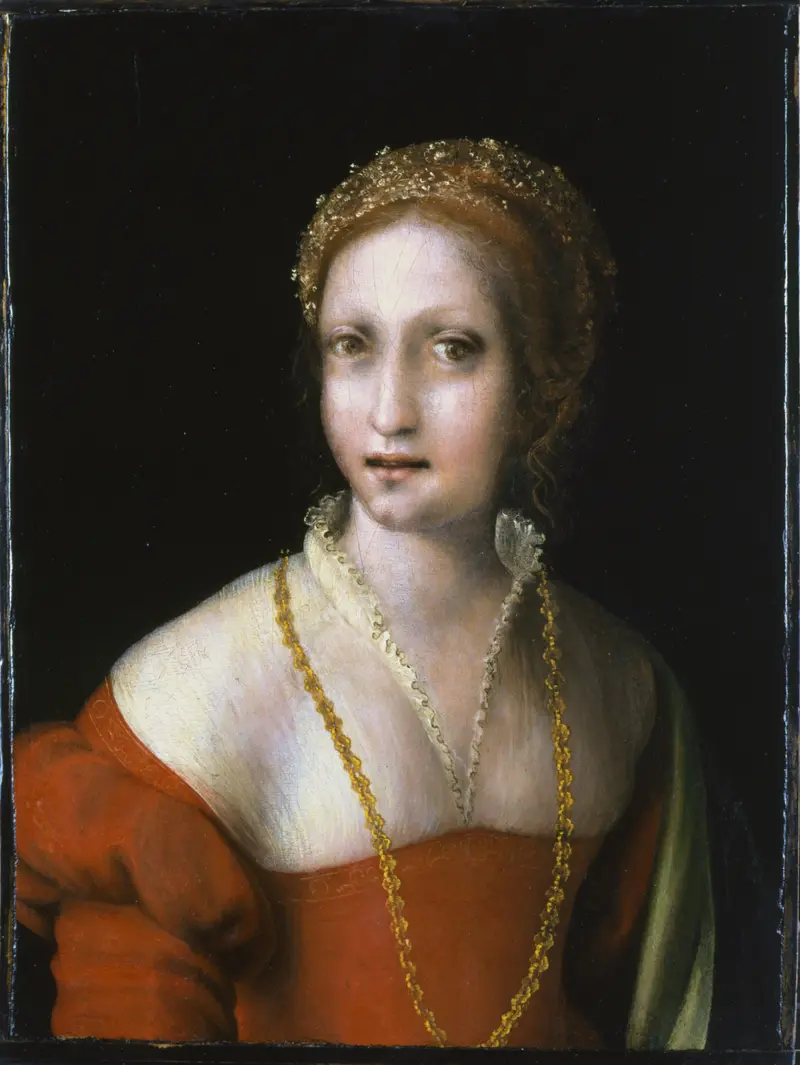
Portrait of a Young Girl
Antonio da Correggio
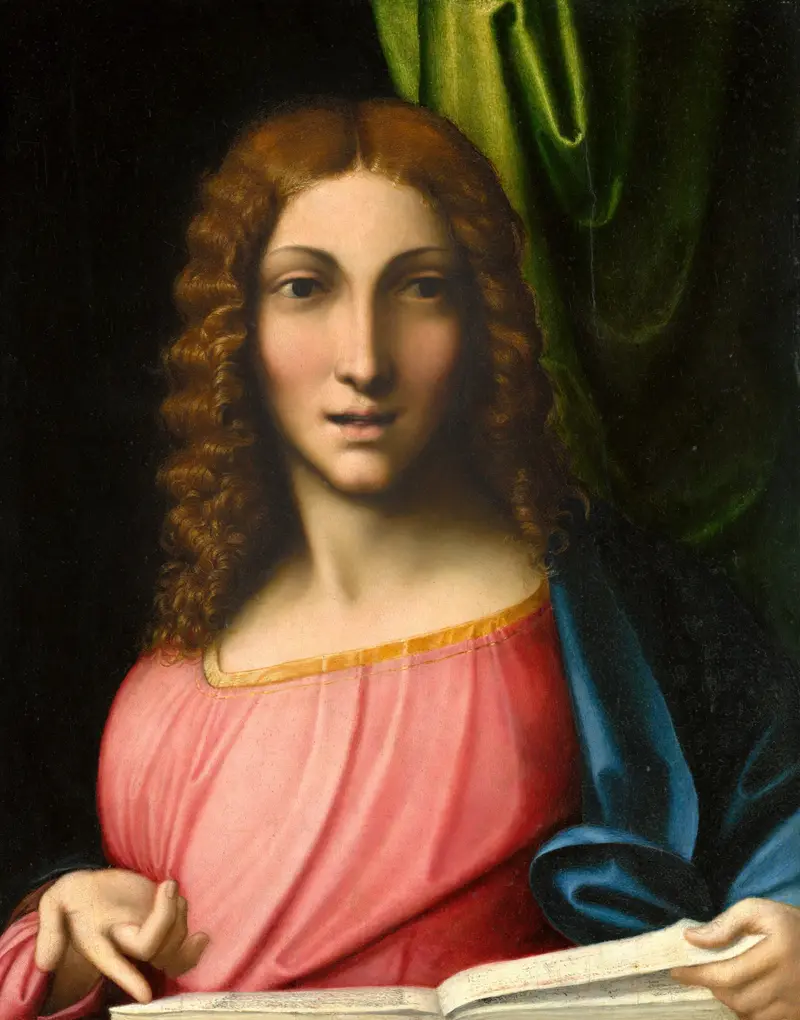
Christ in the Temple
Antonio da Correggio

Nativity
Antonio da Correggio
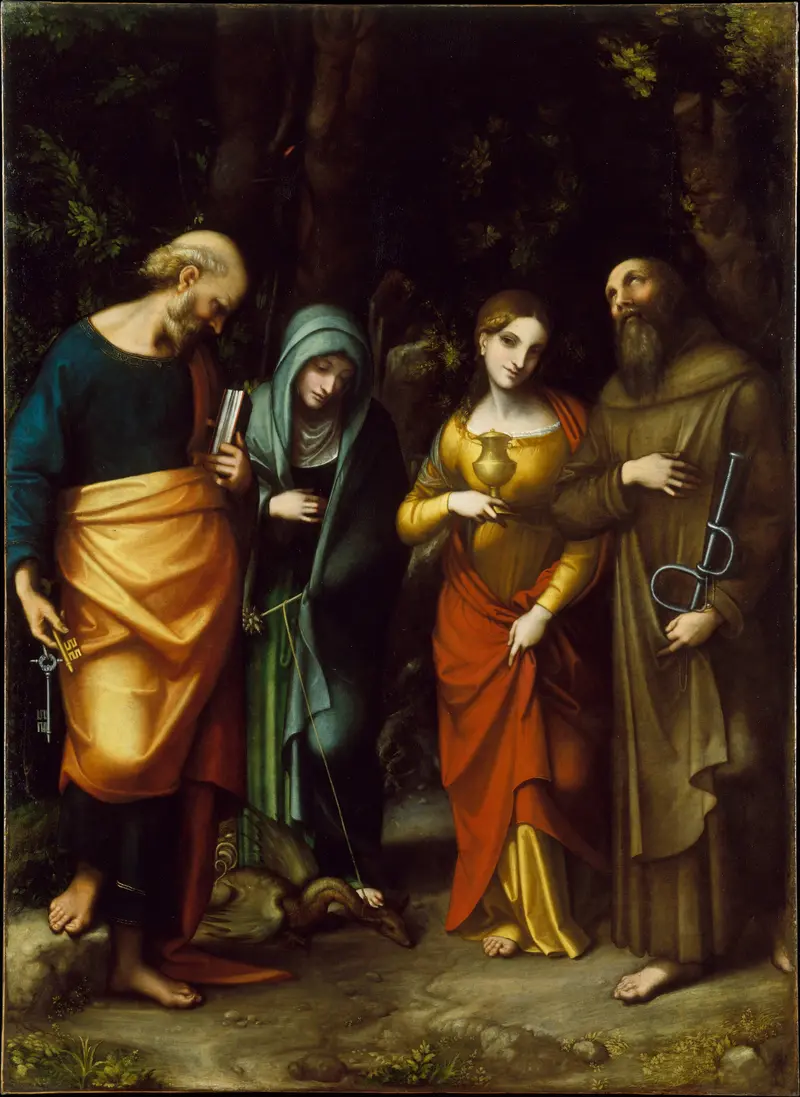
Saints Peter, Martha, Mary Magdalen, and Leonard
Antonio da Correggio
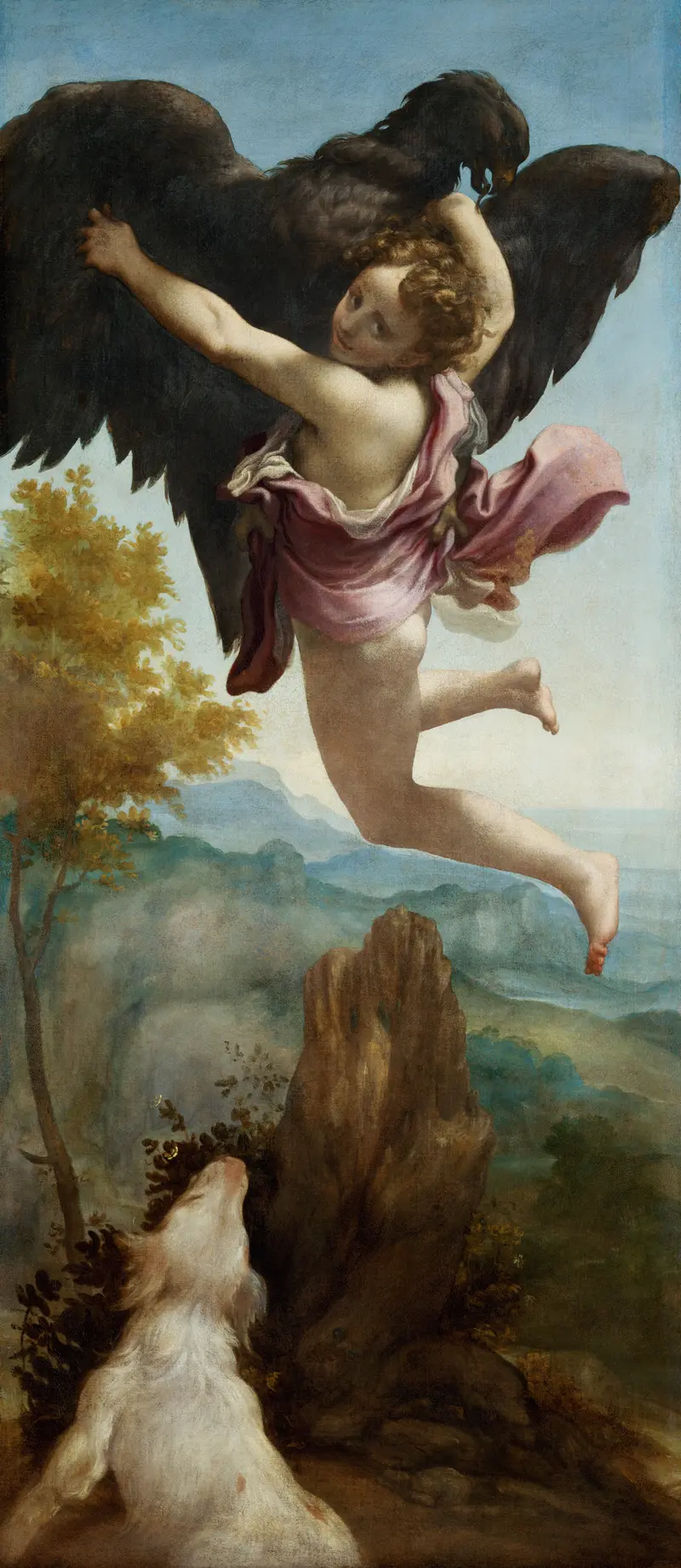
The Loves of Jupiter
Antonio da Correggio

Study for the "Madonna della Scodella" [recto]
Antonio da Correggio





