
Naked Young Woman in Front of the Mirror — History & Facts
No other painting by Giovanni Bellini has sparked as much debate as Naked Young Woman in Front of the Mirror. For centuries, scholars have puzzled over its subject and intention: is this a portrait, an allegory, or a rare Venetian exploration of the female nude? The painting’s date, 1515, places it among the very last works of Bellini’s long career, and some even question whether it left his hand at all, given the boldness of its theme. The uncertainty has only added to its allure, making it a touchstone for discussions about the origins of the Venetian nude and the shifting boundaries of decorum in Renaissance art. The scene Bellini chose is intimate and ambiguous: a young woman, unclothed, turns toward her own reflection.
Her gaze is not directed at the viewer, but at herself, suggesting a private moment of contemplation or self-discovery. The mirror, a frequent Renaissance symbol, here may allude to vanity, but also to the nature of painting itself as a reflection of reality. The soft modeling of her flesh and the gentle fall of light recall Bellini’s earlier Madonnas, yet the subject matter is closer to the sensual allegories of Giorgione or the later works of Titian.
Unlike those artists, however, Bellini’s nude is less mythological and more human, her vulnerability heightened by the absence of narrative context. Little is known about the painting’s early history, and no contemporary records mention its commission or original owner. Its attribution to Giovanni Bellini has been questioned, with some suggesting the hand of a follower or workshop assistant, especially given Bellini’s advanced age in 1515. Over the centuries, the painting has passed through private collections and was at times misattributed to Titian.
Today, it is recognized as a significant—if enigmatic—example of the Venetian nude, offering a rare glimpse into the late innovations of Bellini’s studio and the evolving tastes of the early sixteenth century.
More Artworks by Giovanni Bellini
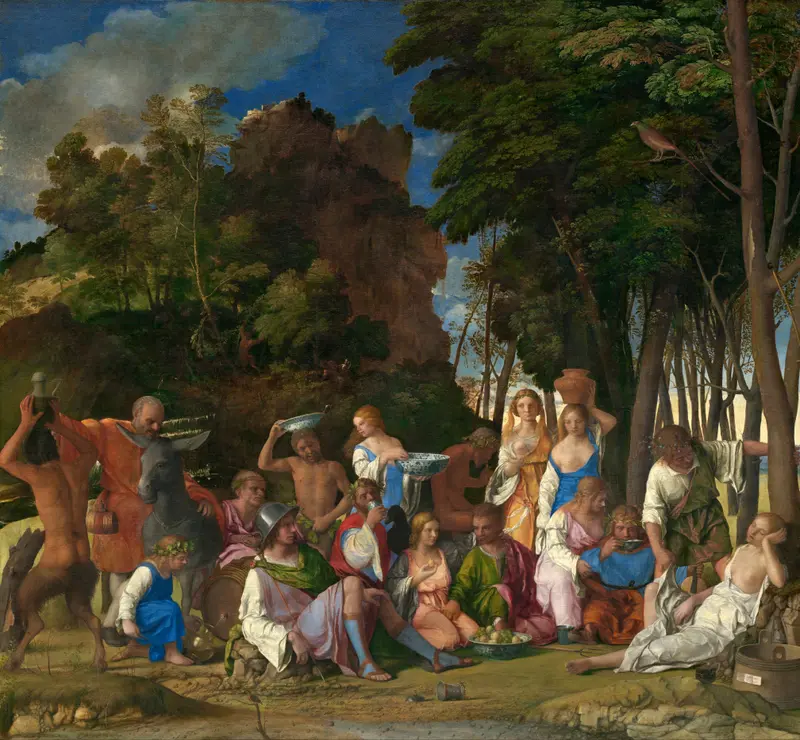
The Feast of the Gods
Giovanni Bellini

Madonna and Child enthroned with Saints and Angels
Giovanni Bellini
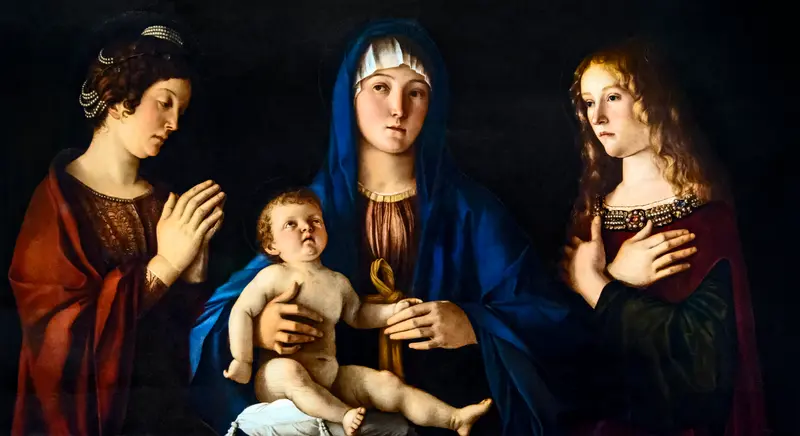
Madonna and Child between Saints Catherine and Mary Magdalene
Giovanni Bellini
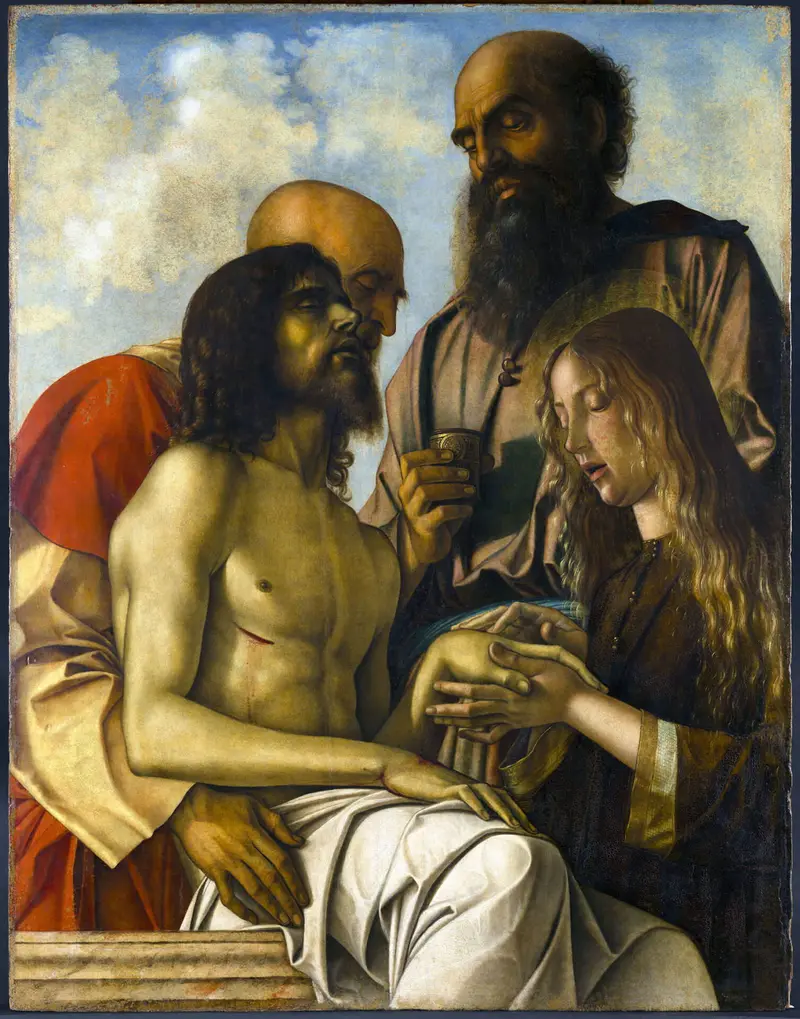
Lamentation over the Dead Christ
Giovanni Bellini
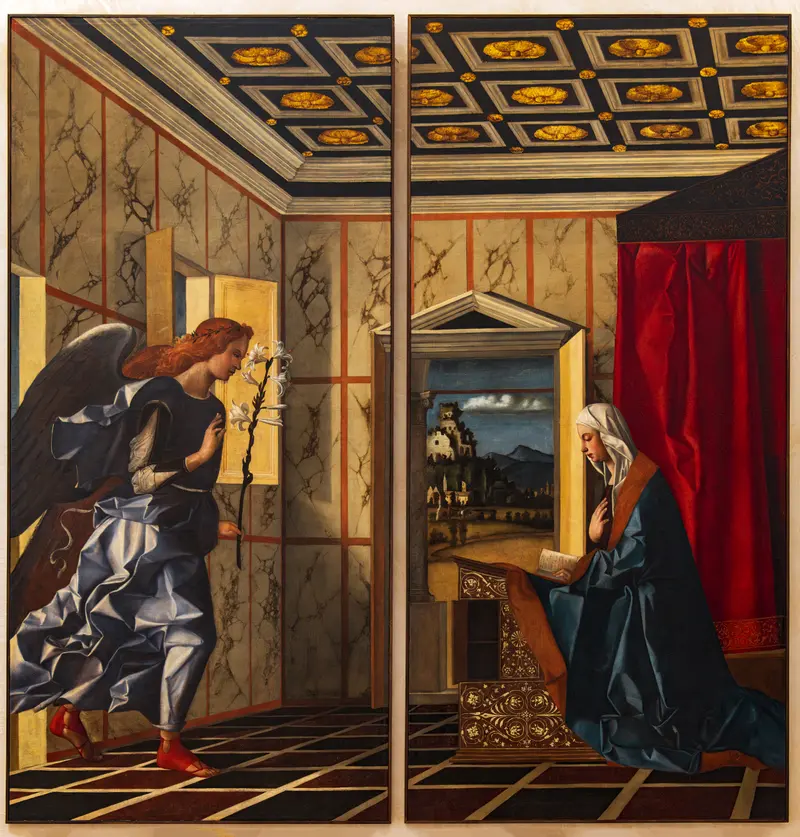
Annunciation
Giovanni Bellini
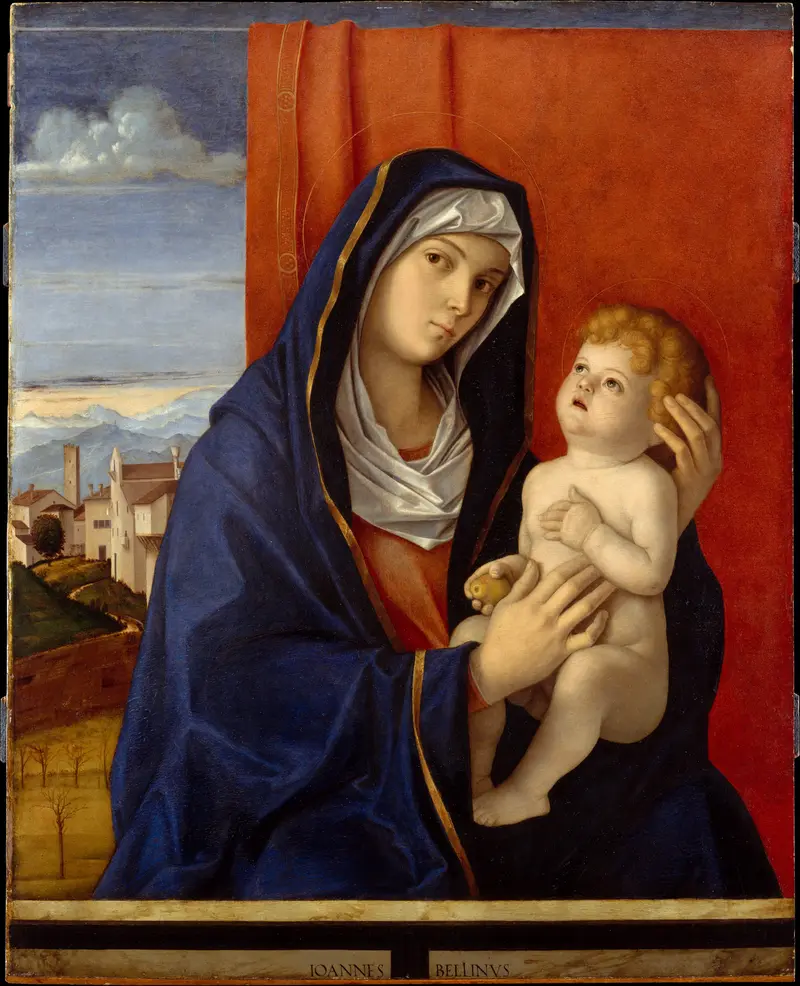
Madonna and Child
Giovanni Bellini
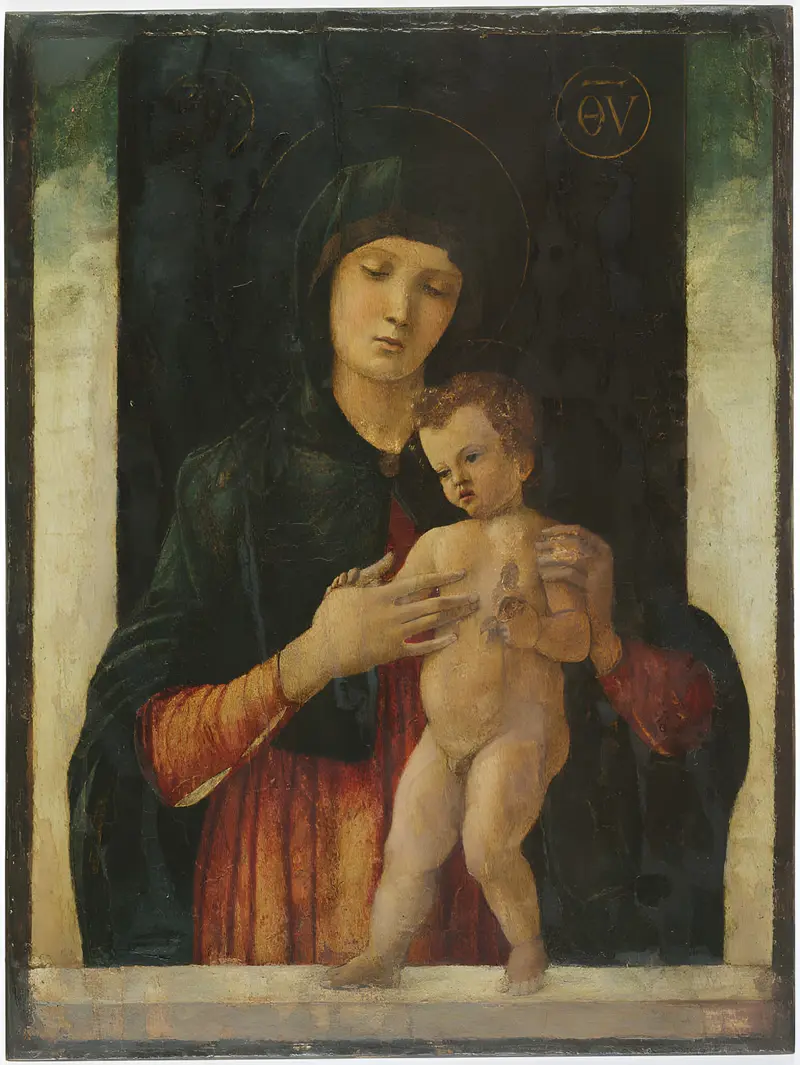
The Virgin and Child
Giovanni Bellini
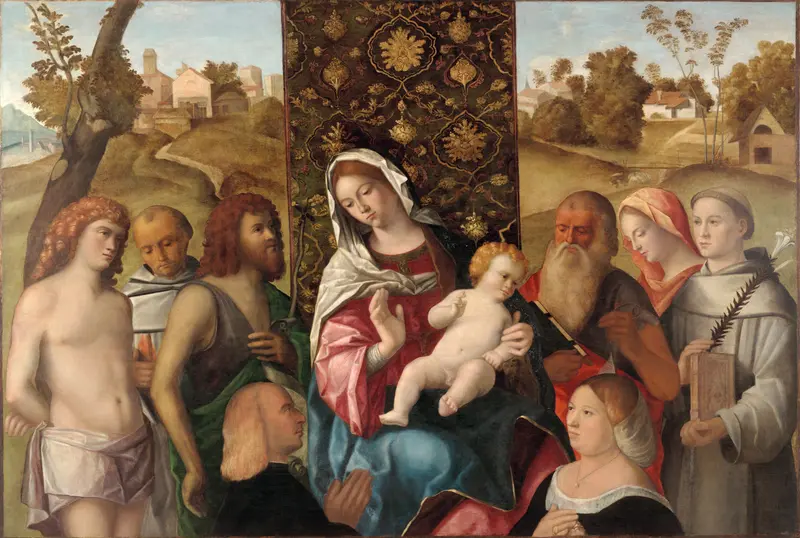
Virgin and Child with Saints Sebastian, Francis, John the Baptist, Jerome, an unidentified female saint, Saint Anthony of Padua and two donors
Giovanni Bellini
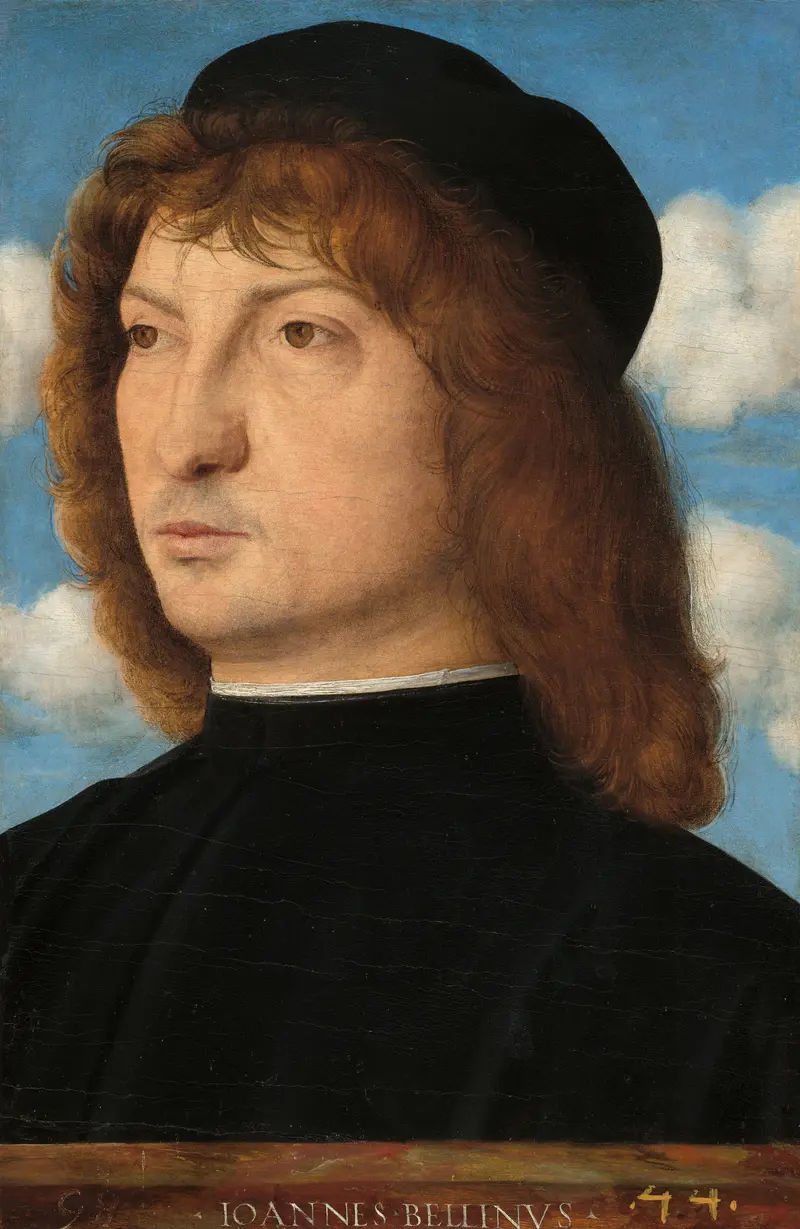
Portrait of a Venetian Gentleman
Giovanni Bellini
Portrait of a Young Man
Giovanni Bellini



