
Napoleon III — History & Facts
Few portraits have so closely shaped the public image of a ruler as Napoleon III by Alexandre Cabanel, completed in 1865 at the height of the Second French Empire. Commissioned by the French government, this likeness was intended to circulate widely, reinforcing the emperor’s authority across embassies and official buildings. The painting’s unveiling was an event in itself, with critics noting how Cabanel’s brush seemed to “capture the very air of command.” Its reproduction in engravings and photographs ensured that this vision of Napoleon III—dignified, reserved, and modern—became the face of an era. Cabanel selects a moment of calculated stillness: the emperor stands, one hand resting on a desk strewn with documents, the other lightly gripping a sword.
His military uniform, heavy with gold braid and medals, signals both his lineage and the martial foundation of his regime. The subtle play of light across his face and the deep red of the drapery behind him create a stage-like effect, emphasizing both the man and the institution he represents. Unlike Winterhalter’s more romanticized portraits, Cabanel’s approach is sober, almost photographic, focusing on the emperor’s introspective gaze and the weight of responsibility.
The composition’s clarity and restraint reflect the official purpose of the commission: to project stability during a period of political uncertainty. The painting’s own journey mirrors the shifting fortunes of its subject. Originally displayed at the Tuileries Palace, it survived the upheaval of the Franco-Prussian War and the fall of the Empire in 1870. While some versions and copies were lost or dispersed, this work remained in France, eventually entering the national collection.
Today, it stands as a testament not only to Cabanel’s reputation as a favored portraitist of the Second Empire, but also to the complex legacy of Napoleon III—a ruler whose image, carefully constructed by artists like Cabanel, still shapes our memory of nineteenth-century France.
More Artworks by Alexandre Cabanel
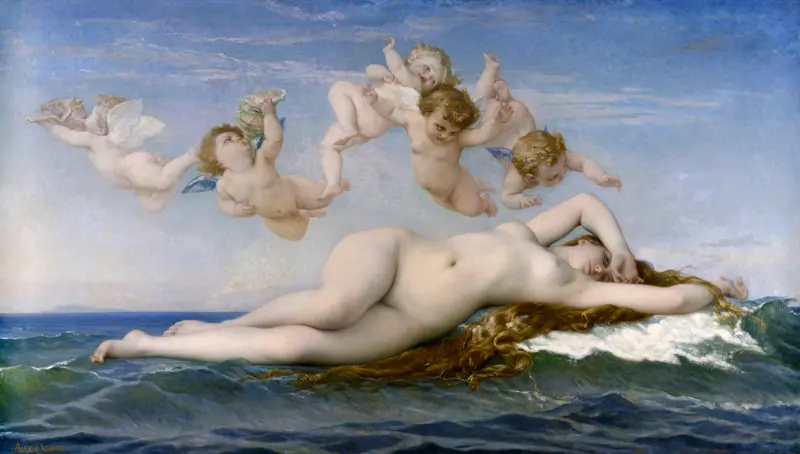
The Birth of Venus
Alexandre Cabanel
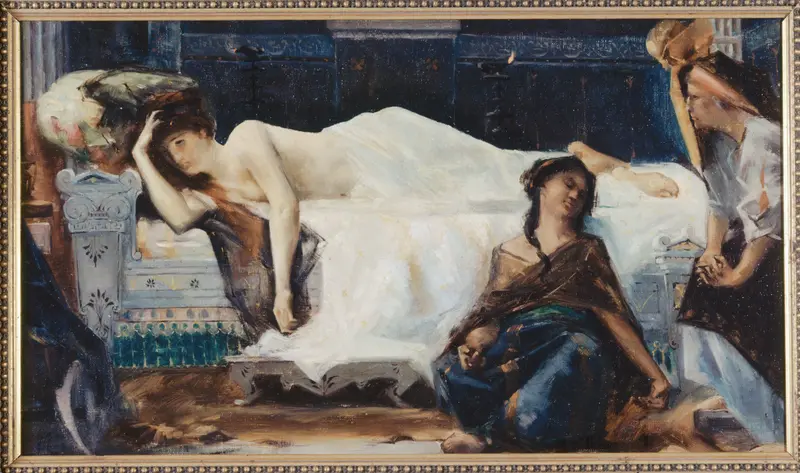
Phèdre
Alexandre Cabanel
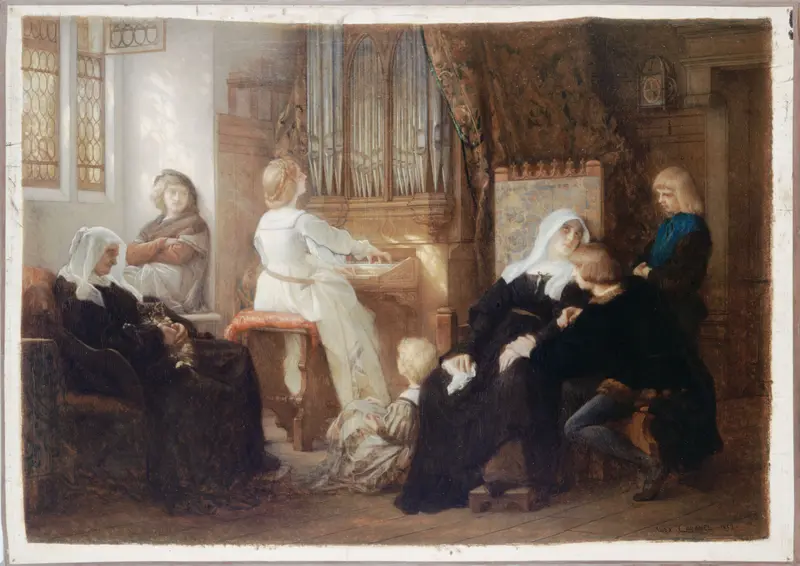
La veuve du maître de chapelle
Alexandre Cabanel
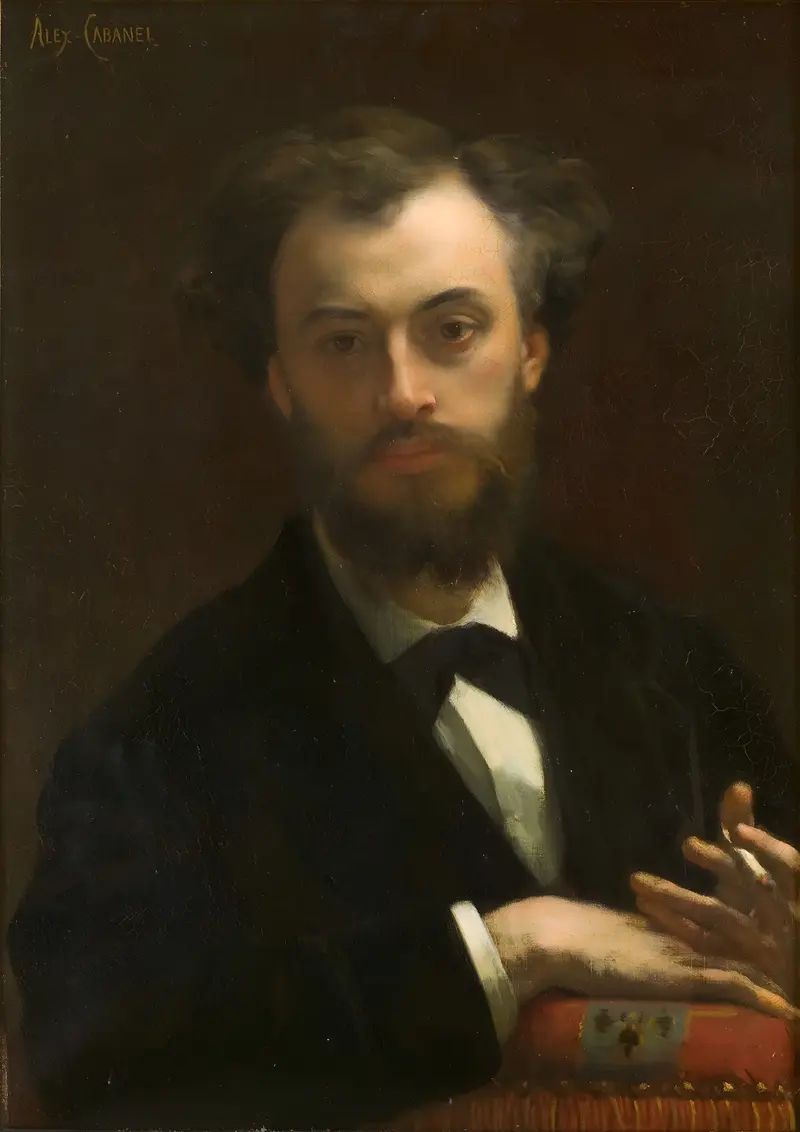
Portrait de M. Pierre Cabanel
Alexandre Cabanel
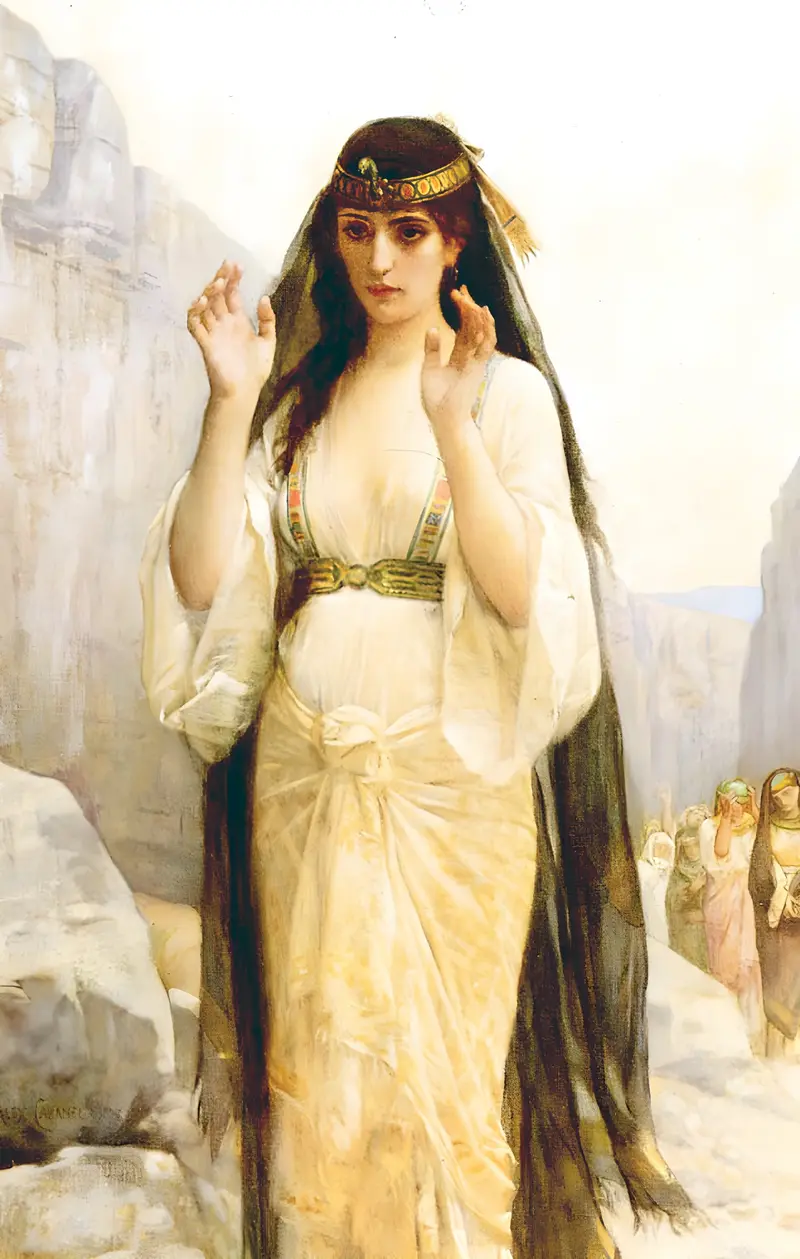
The Daughter of Jephthah
Alexandre Cabanel
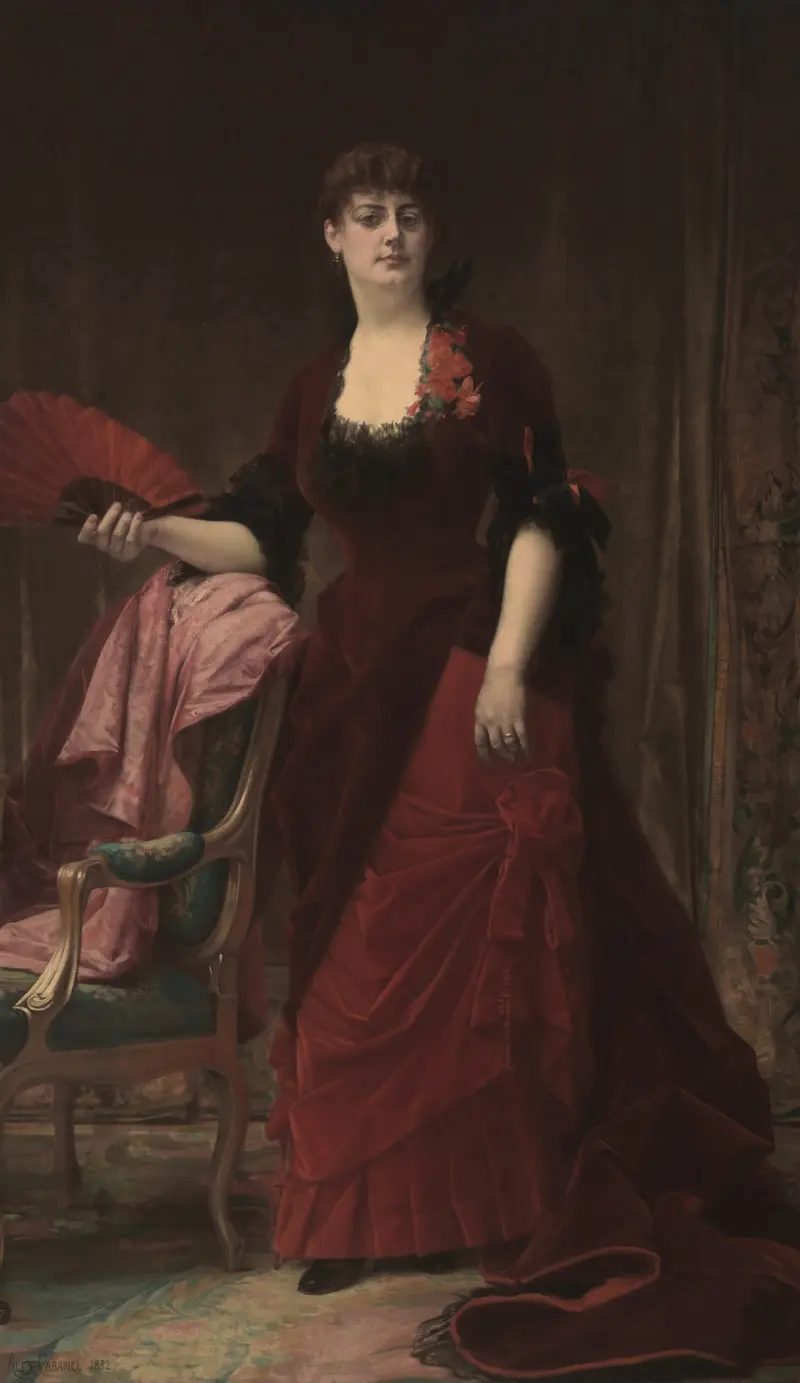
Portrait of Arabella Worsham (later Arabella Huntington)
Alexandre Cabanel
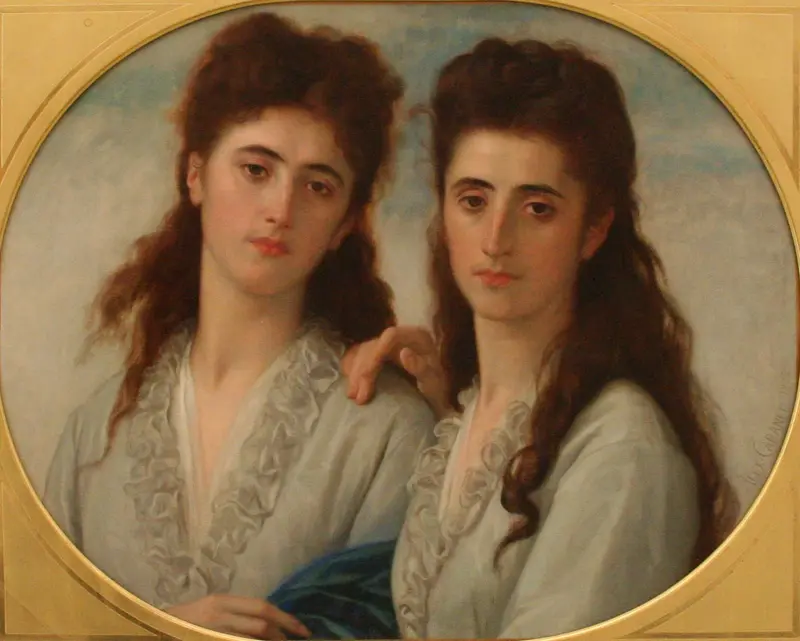
Portrait de mesdemoiselles Sophie et Berthe Cabanel
Alexandre Cabanel
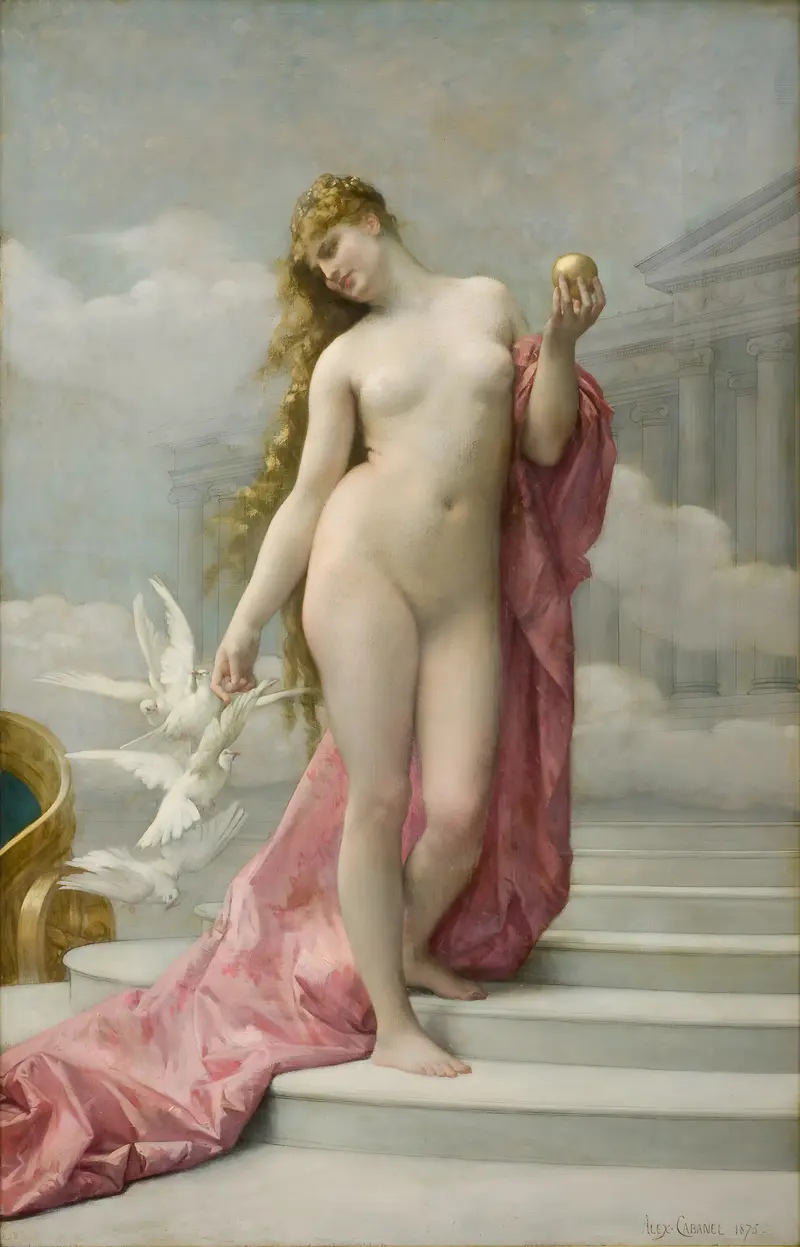
Vénus victorieuse
Alexandre Cabanel
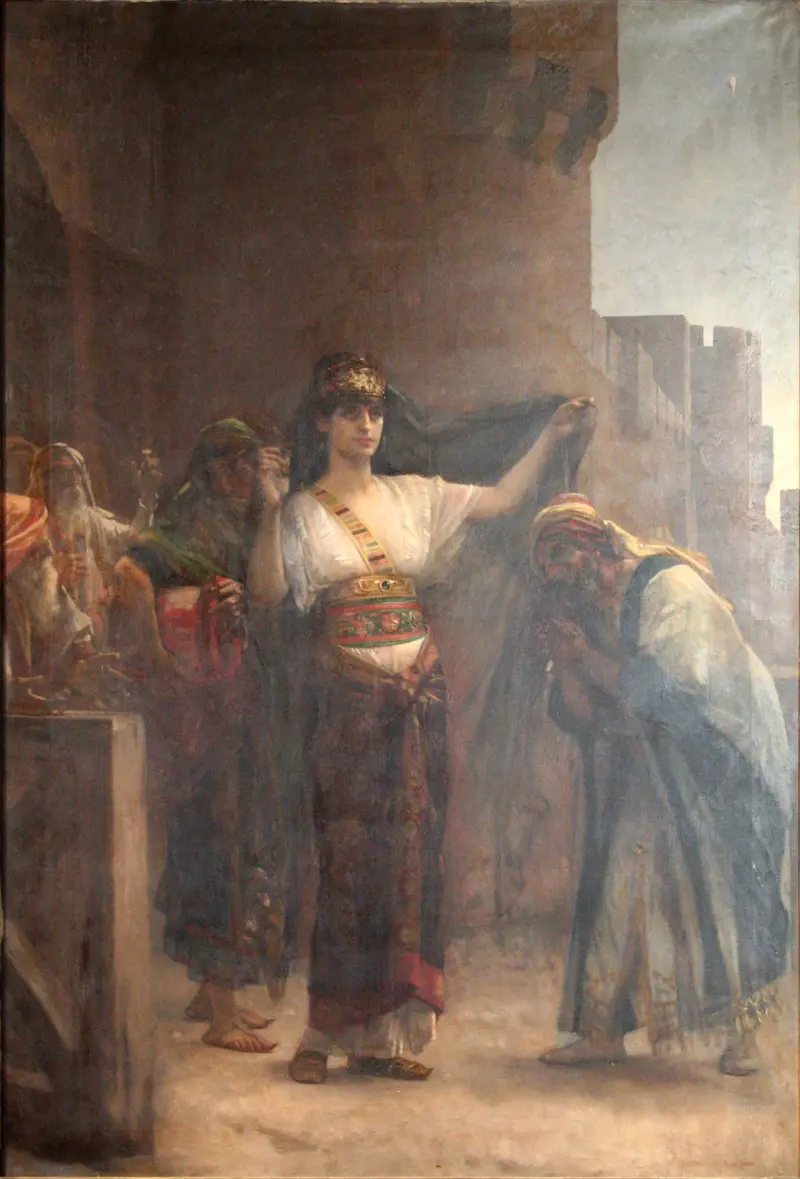
Judith
Alexandre Cabanel
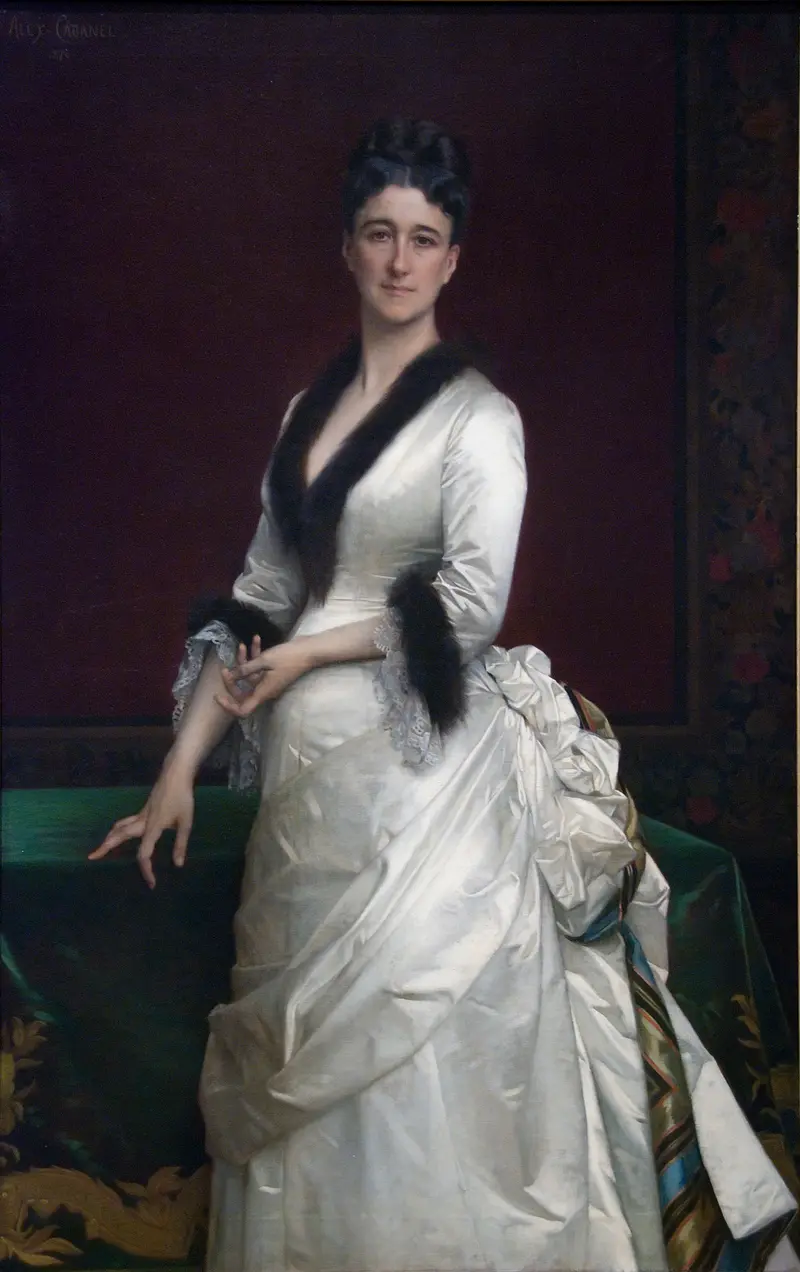
Catharine Lorillard Wolfe (1828–1887)
Alexandre Cabanel





