
Neues Haus — History & Facts
What first catches the eye in Neues Haus is the way the world seems to tilt and pulse with energy, as if the land itself were alive and unsettled. The house at the center, rendered in bold yellows and ochres, sits at a sharp angle, its geometry jostled by the wild diagonals of the trees and the rolling, almost tumbling, foreground. Two small figures stride briskly up the hill, their blue jackets and purposeful movement suggesting a sense of urgency or anticipation.
The brushwork is vigorous and direct, with thick black outlines corralling the color into shapes that feel both solid and unstable. The sea beyond, streaked with navy and turquoise, draws the viewer’s gaze upward, where boats and islands hover at the edge of abstraction. Painted in 1919, this work comes from a world in flux—Germany was reeling from the aftermath of war, and artists like Hermann Max Pechstein were searching for new ways to see and feel their surroundings. As a leading member of the Brücke group, Pechstein helped define German Expressionism, a movement that prized raw color, emotional immediacy, and a break with academic tradition.
The Brücke-Museum Berlin, where this painting now resides, preserves the legacy of these artists, who often painted rural retreats and simple dwellings as symbols of renewal and escape. Little is recorded about the specific origins of Neues Haus, but its restless forms and saturated palette speak to a moment when artists were rebuilding not just houses, but ways of seeing. The painting invites you to step into its tilted world and feel the ground shift beneath your feet.
More Artworks by Hermann Max Pechstein
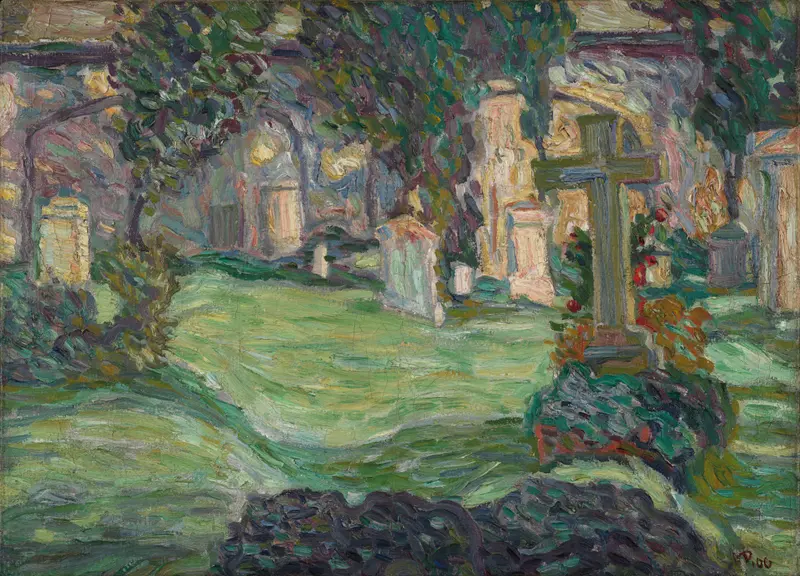
Max Pechstein Eliasfriedhof in Dresden
Hermann Max Pechstein

Früchte
Hermann Max Pechstein
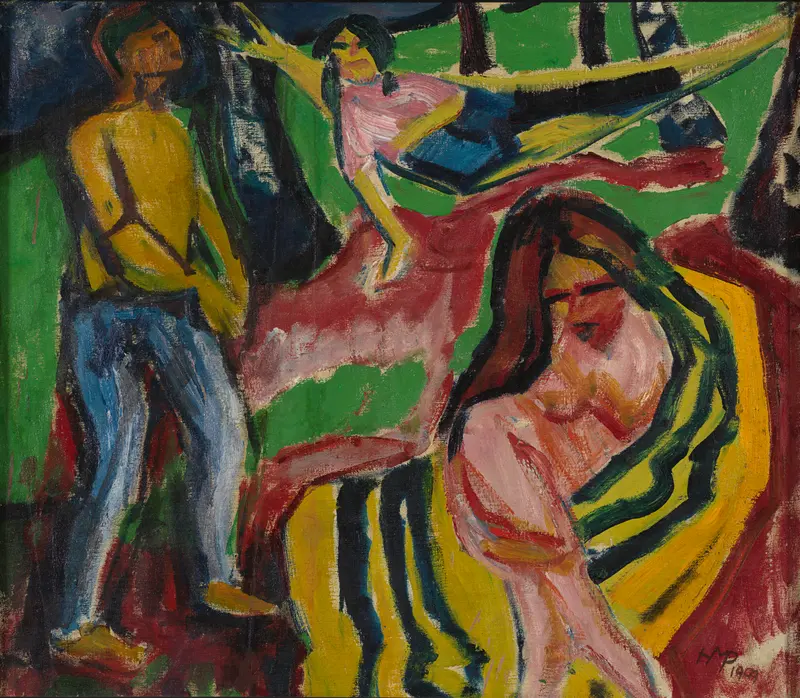
Im Wald bei Moritzburg
Hermann Max Pechstein
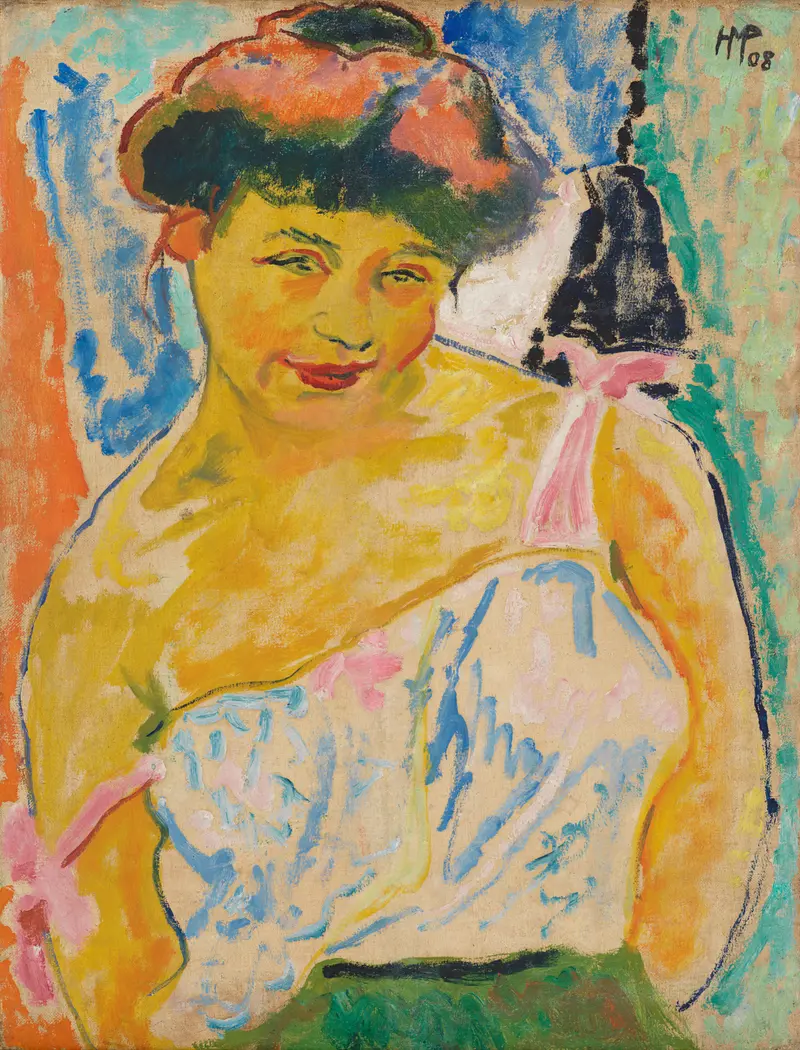
Junges Mädchen
Hermann Max Pechstein
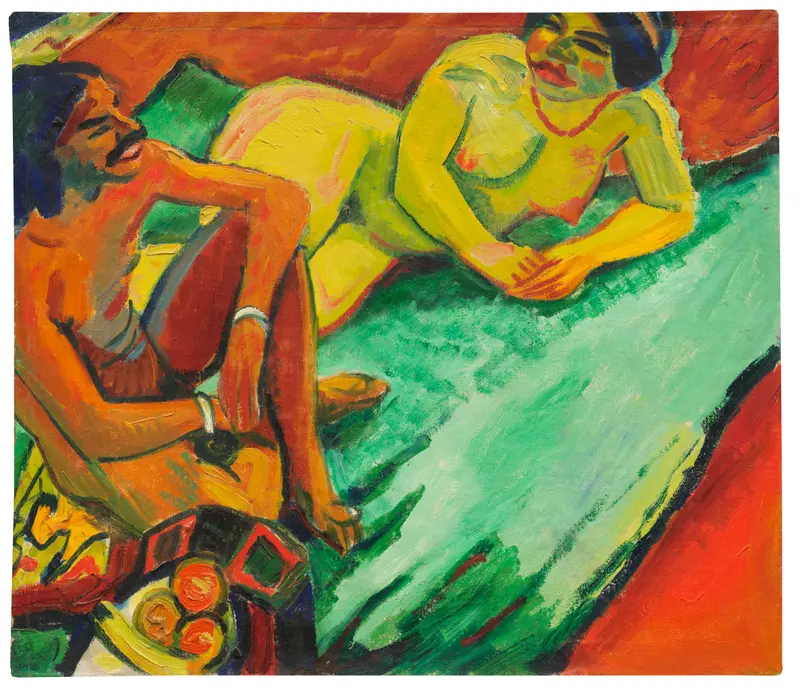
Weib mit Inder auf Teppich
Hermann Max Pechstein
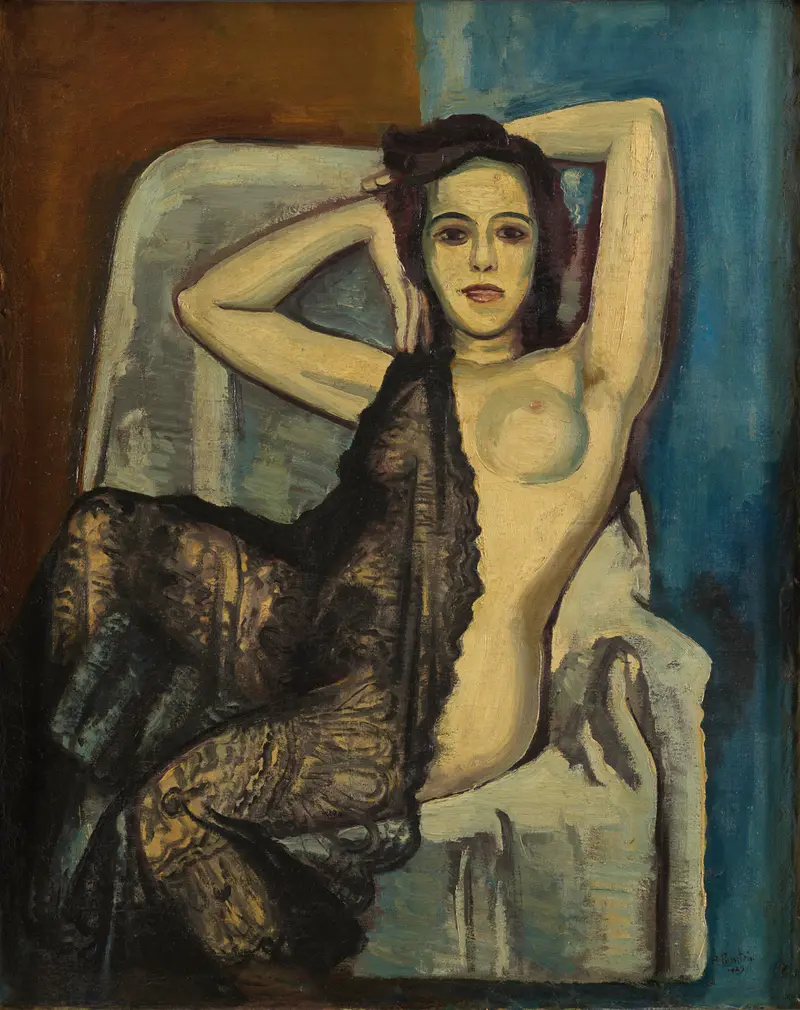
Max Pechstein Mädchen mit Schleier
Hermann Max Pechstein
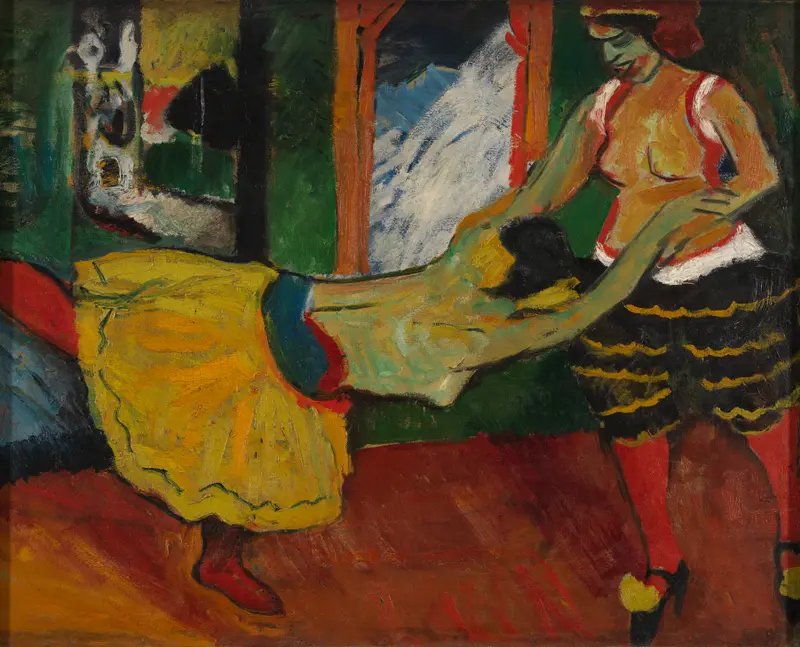
Max Pechstein Tanz
Hermann Max Pechstein
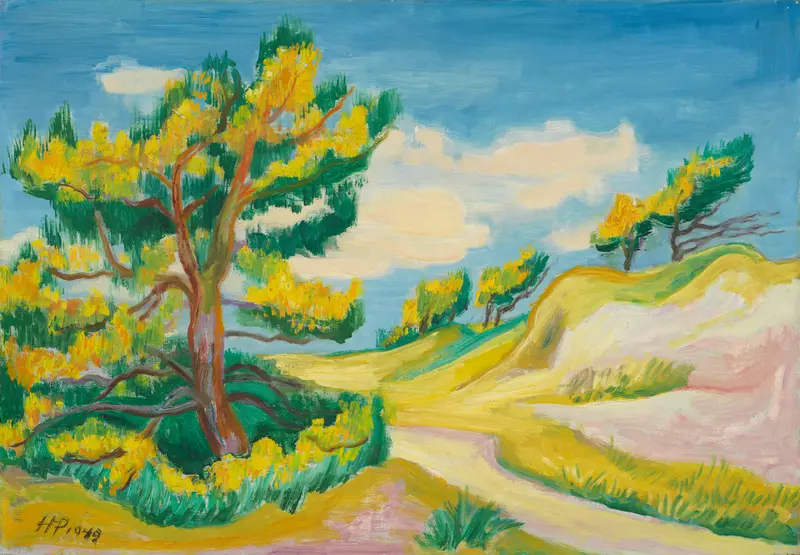
Blühende Kiefern in den Dünen
Hermann Max Pechstein

Die Quelle
Hermann Max Pechstein
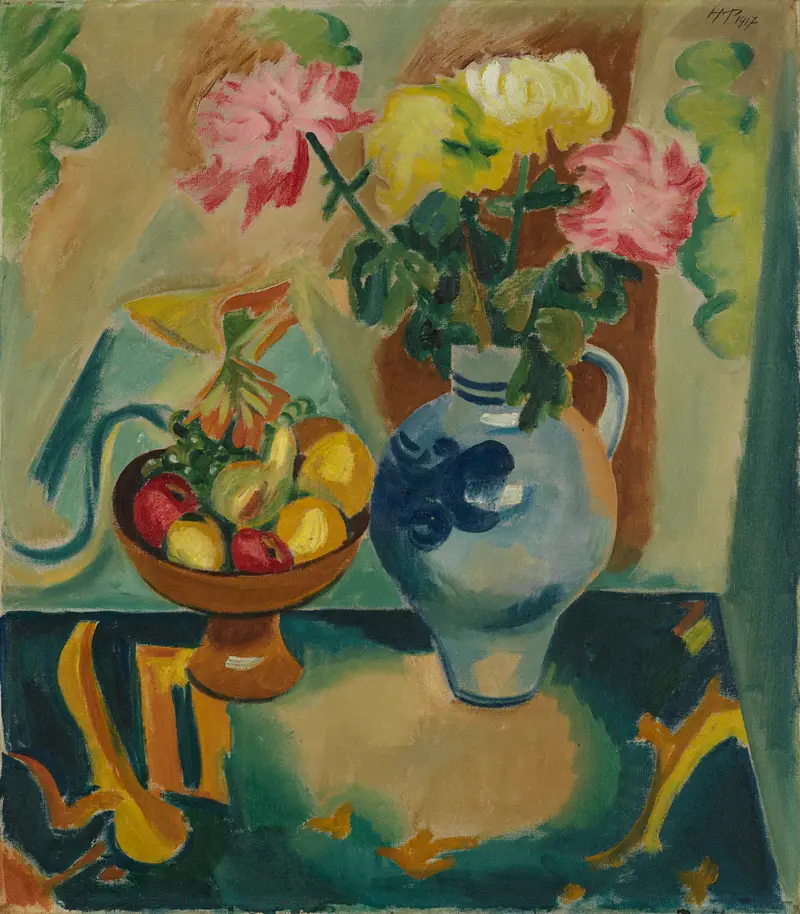
Stilleben mit Chrysanthemen und Früchten
Hermann Max Pechstein
More Landscape Art

The Starry Night
Vincent van Gogh

View of Delft
Johannes Vermeer

Water Lilies
Claude Monet

The Grand Canal, Venice, looking north-west from the Ca' Corner to the Ca' Contarini degli Scrigni, with the campanile of Santa Maria della Carità
Canaletto

Windsor Castle
Canaletto

The Grand Canal looking North-East from the Palazzo Dolfin-Manin to the Rialto Bridge
Canaletto