
Old Woman Cooking Eggs — History & Facts
No one knows the name of the woman who leans over her pan in Old Woman Cooking Eggs, but this painting is the earliest signed and dated work by Diego Velázquez, created in 1618 when he was just 19 years old. Its technical brilliance and radical focus on everyday life marked a turning point in Spanish painting, drawing the attention of Seville’s artistic circles. The painting’s realism was so striking that early viewers reportedly marveled at the “truth of nature” in its humble subject.
This work stands as one of the first great bodegones—kitchen or tavern scenes—of the Spanish Baroque, a genre that Velázquez would elevate to new heights. The scene unfolds in a modest kitchen, where an elderly woman tends a clay pan of eggs over a charcoal brazier. A boy stands at her side, holding a flask and a melon, his gaze intent on her task. The moment is suspended: the eggs just beginning to turn, the copper vessels gleaming in the raking light, every object rendered with almost scientific precision.
The woman’s concentration and the boy’s silent watchfulness create a quiet drama, transforming a simple act of cooking into something nearly sacred. Unlike the idealized peasants of Caravaggio or the comic kitchen maids of Jan Steen, Velázquez gives his figures a grave dignity, their labor illuminated by a clear, natural light that falls across rough hands and worn faces. The origins of Old Woman Cooking Eggs are not fully documented, but it was likely painted for a private patron in Seville before Velázquez left for Madrid. Over the centuries, the painting traveled north, eventually entering the collection of the Duke of Edinburgh and later the National Gallery of Scotland in Edinburgh, where it hangs today.
Its meticulous attention to everyday detail and psychological depth foreshadow the artist’s later masterpieces at the Spanish court. For many, this painting marks the young Velázquez’s first great leap towards the realism and humanity that would define his career.
More Artworks by Diego Velázquez

Las Meninas
Diego Velázquez
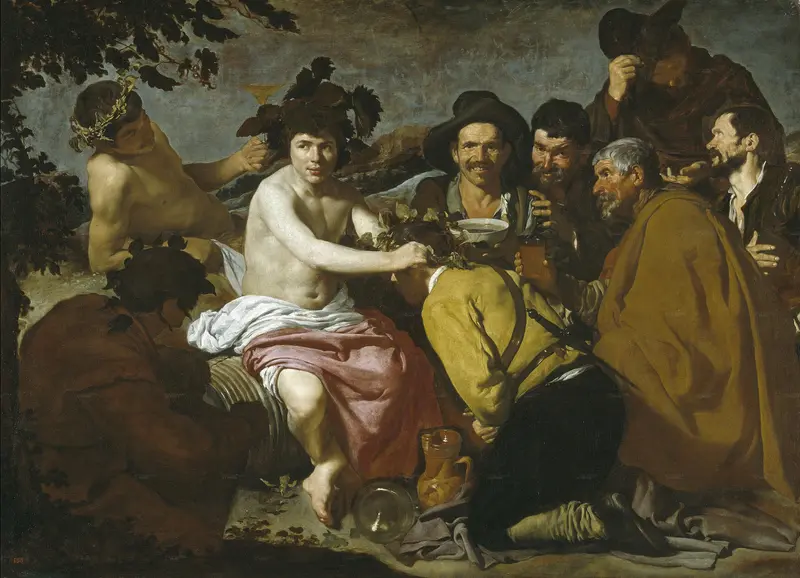
The Triumph of Bacchus
Diego Velázquez
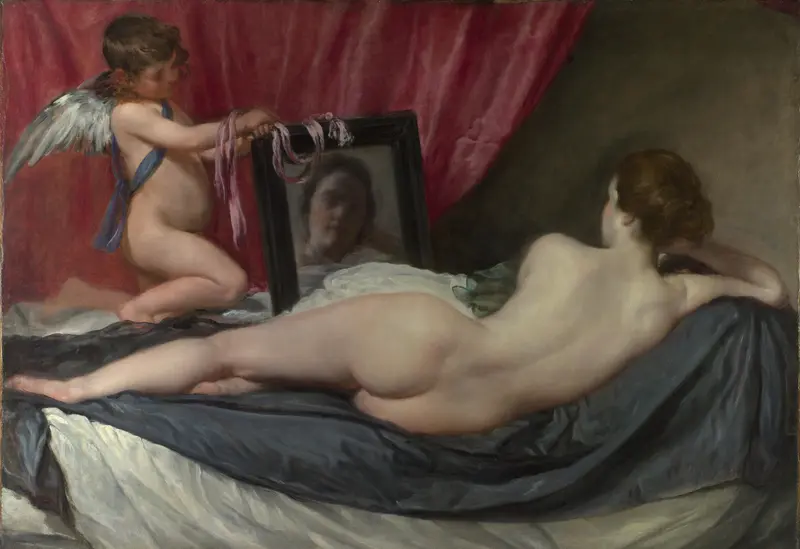
Rokeby Venus
Diego Velázquez
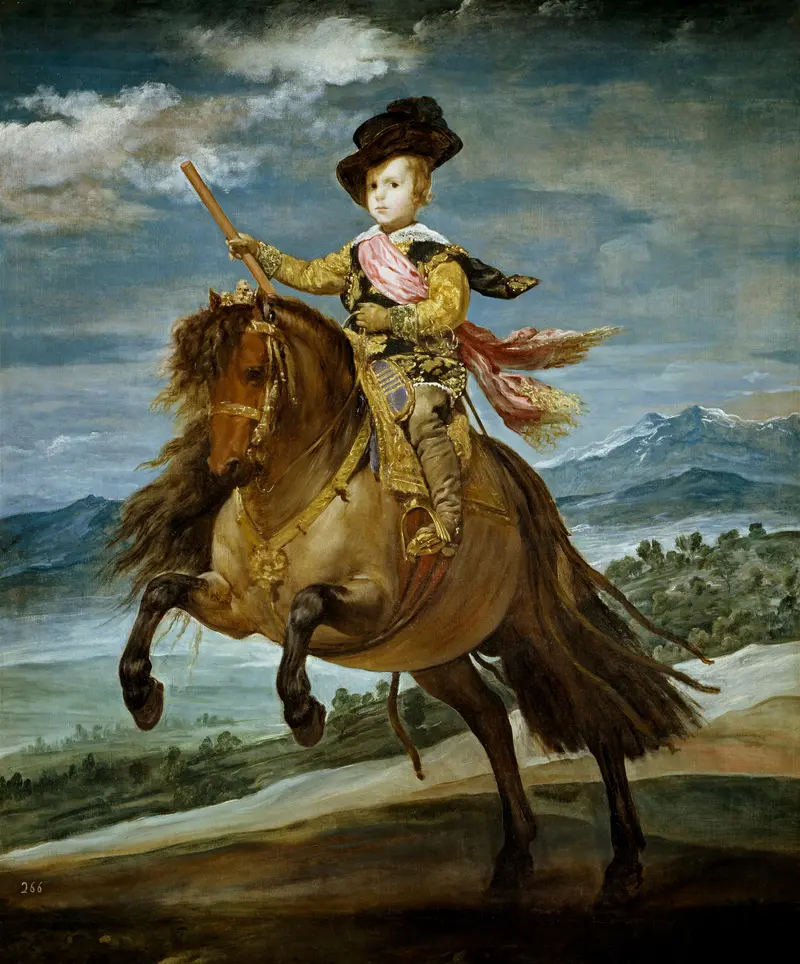
Equestrian Portrait of Prince Balthasar Charles
Diego Velázquez
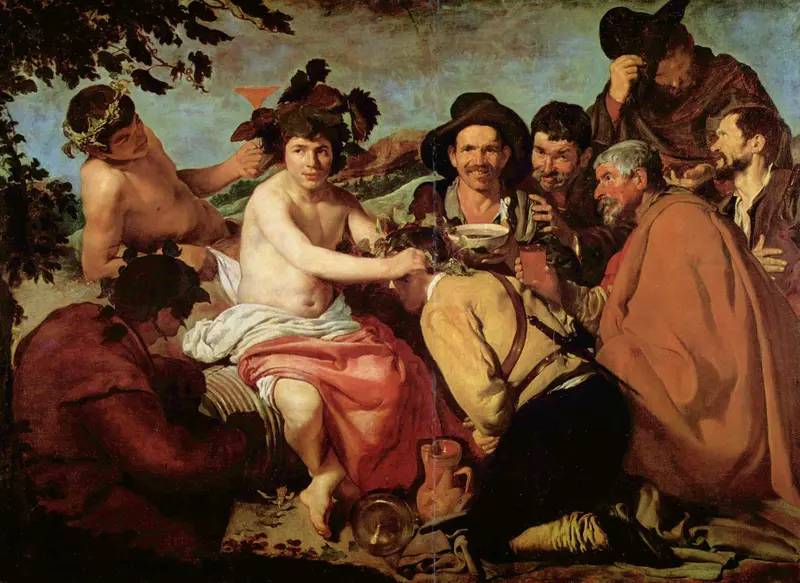
Bacchus
Diego Velázquez
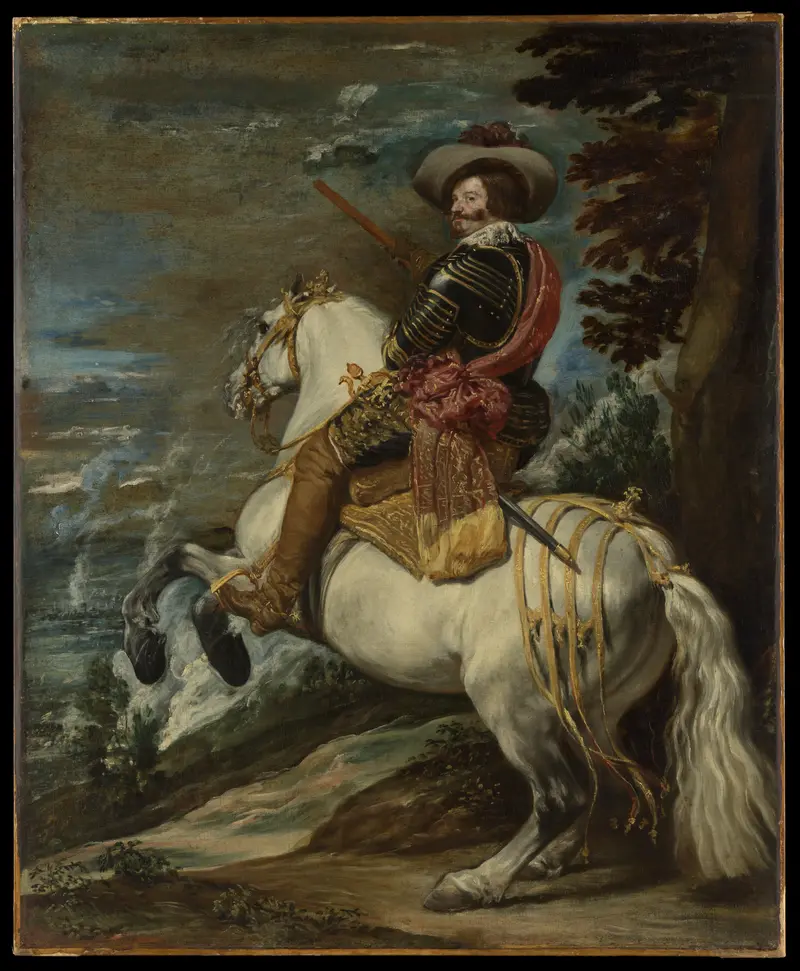
Don Gaspar de Guzmán (1587–1645), Count-Duke of Olivares
Diego Velázquez
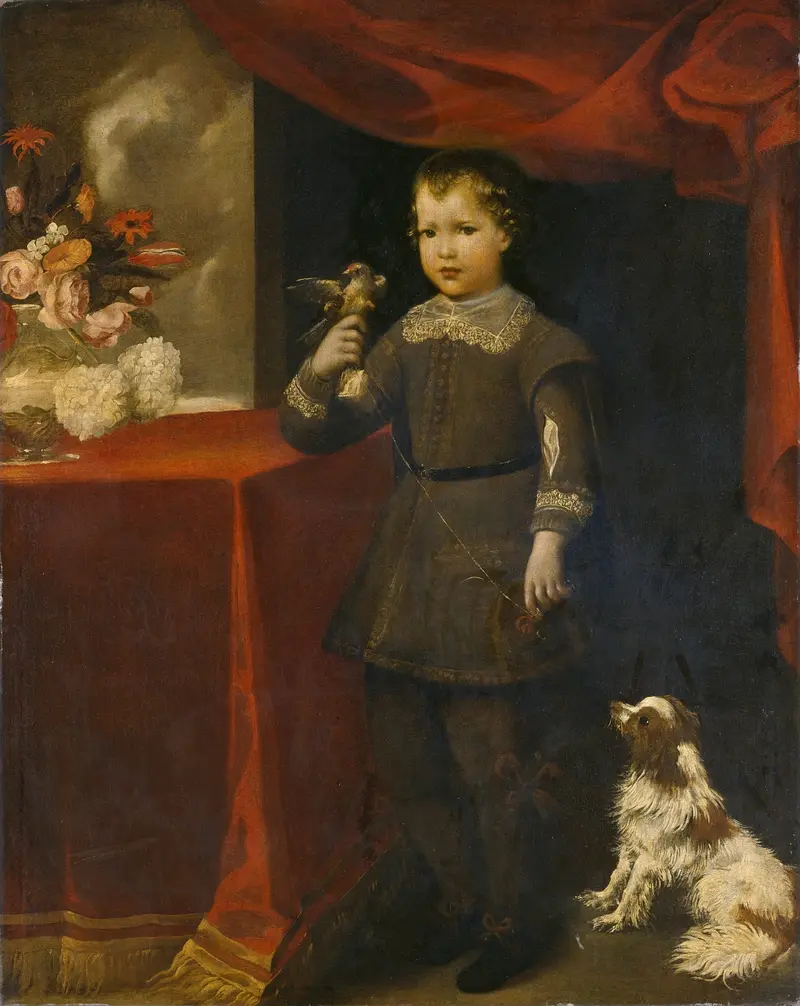
El príncipe Baltasar Carlos de Austria
Diego Velázquez
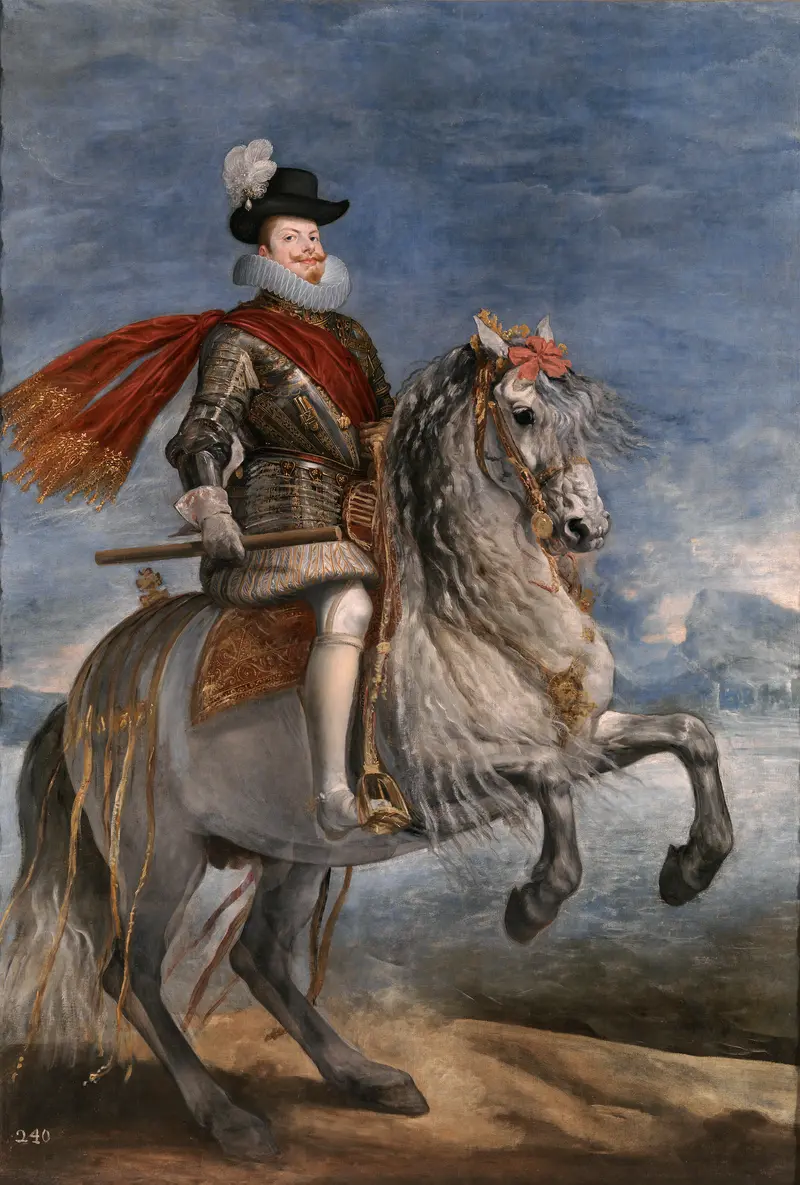
Equestrian Portrait of Philip III
Diego Velázquez
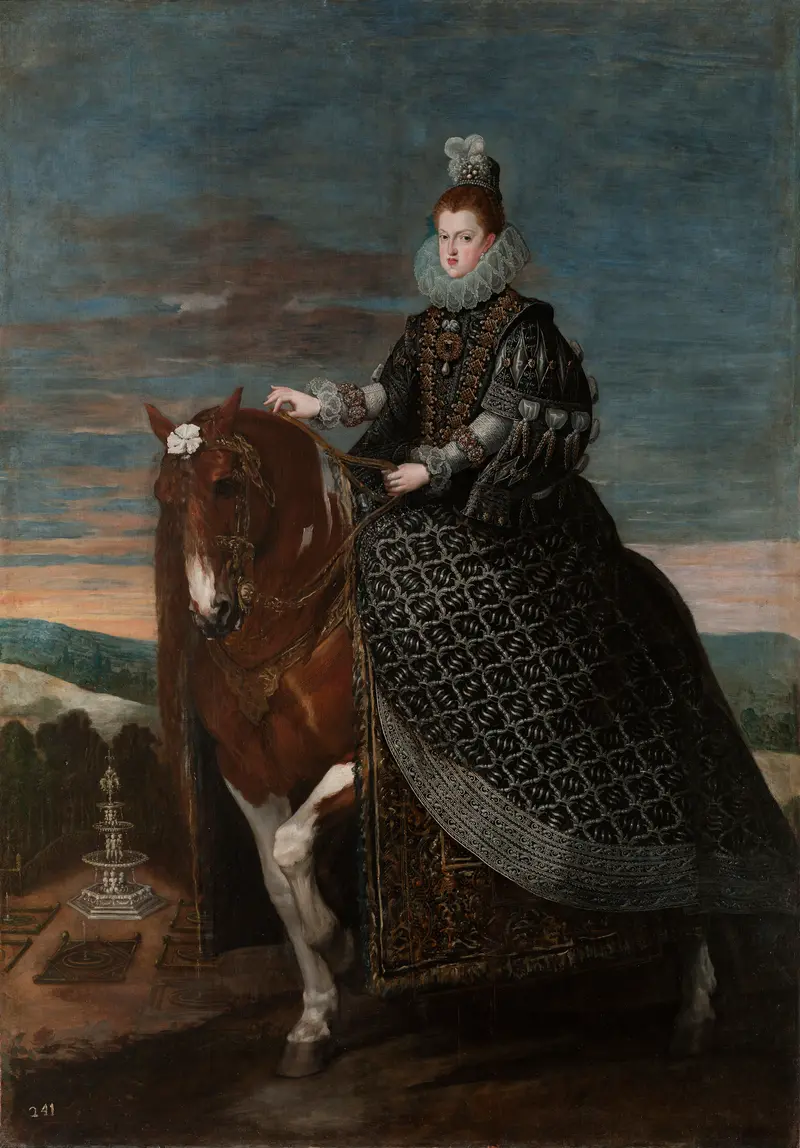
Equestrian Portrait of Margarita of Austria
Diego Velázquez
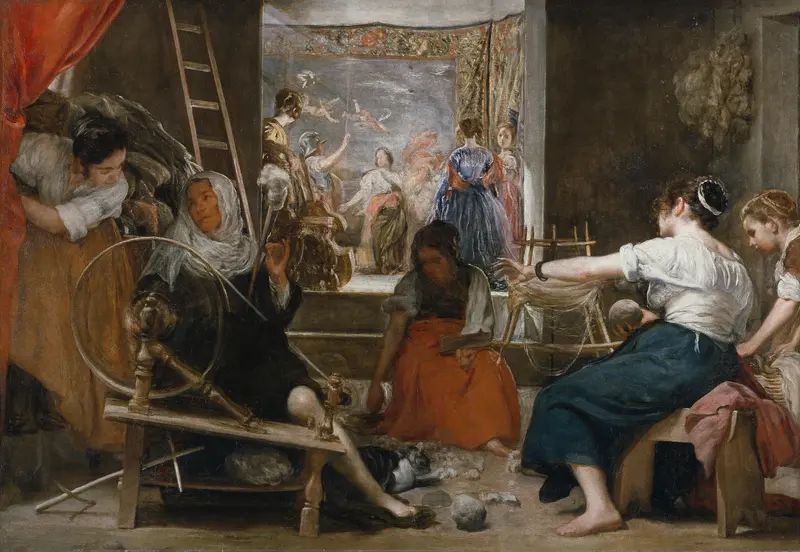
Las Hilanderas
Diego Velázquez
More Genre Scene Art

Banquet of the Officers of the St George Civic Guard
Frans Hals

Rembrandt and Saskia in the Scene of the Prodigal Son
Rembrandt van Rijn

Bal du moulin de la Galette
Pierre-Auguste Renoir

Quadrille at the Moulin Rouge
Henri de Toulouse-Lautrec

A Burial at Ornans
Gustave Courbet

When Will You Marry?
Paul Gauguin