
Old woman indoors — History & Facts
A single figure sits at the heart of Old woman indoors, her form emerging quietly from the earth-toned dusk of the room. The artist, Aleksander Kotsis, draws the eye to her hands—resting in her lap, their work momentarily paused. Her white headscarf and rolled sleeves speak of daily labor, while the loose, almost sketch-like brushwork around her hints at a world in motion just outside the frame.
Light falls softly on her face and upper body, carving her presence from the gloom and inviting the viewer to linger over the details: the suggestion of a hearth, a chicken at her feet, the textured straw that forms her seat. This is not a scene of drama, but of endurance—her stillness is the center of a life lived in cycles, measured by chores and seasons. Such intimate glimpses of rural interiors became a hallmark of 19th-century Eastern European painting, as artists like Kotsis turned their attention from grand historical narratives to the quiet dignity of everyday people. These works were rarely commissioned by the wealthy; instead, they found homes with a growing middle class eager to see their own roots and realities reflected in art.
Now held by the National Museum in Warsaw, this painting stands as a modest but telling record of its era. The anonymity of the sitter and the absence of grand gestures only sharpen the focus on the artist’s real subject: the ordinary, hard-won peace of home. Let your eye return to the woman’s hands, and imagine the stories they might tell.
More Artworks by Aleksander Kotsis

Trip in the Tatra Mountains
Aleksander Kotsis

Fair in Nowy Targ
Aleksander Kotsis
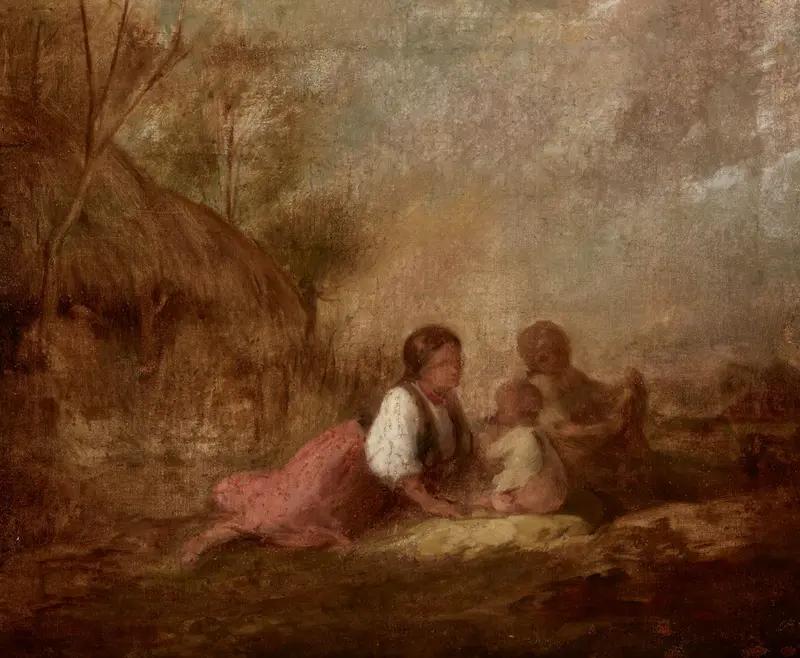
Pastoral Scene
Aleksander Kotsis
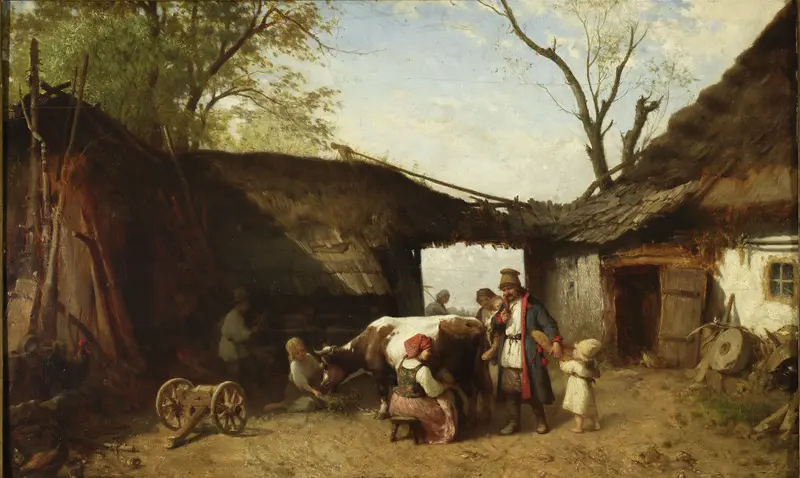
In the farmyard
Aleksander Kotsis
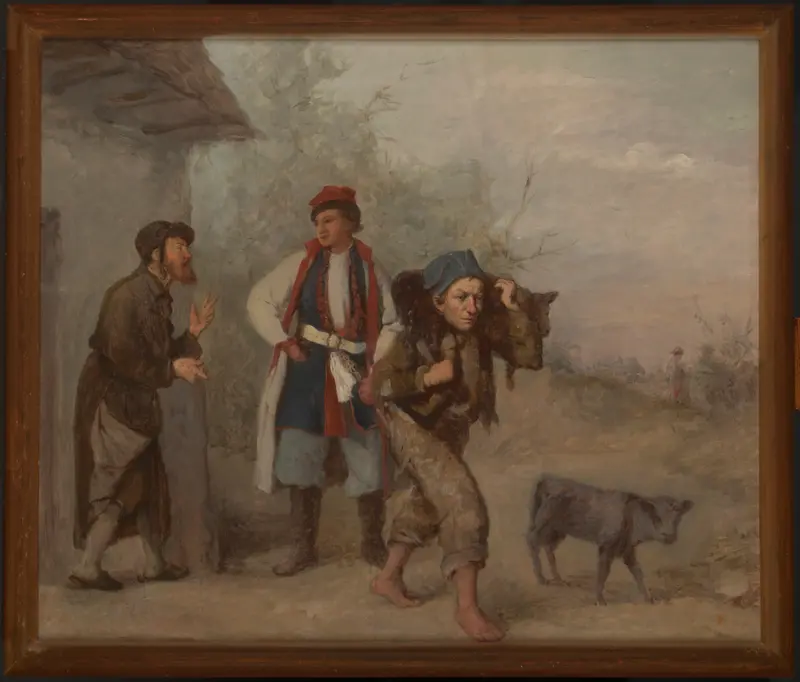
Haggling over a Calf
Aleksander Kotsis
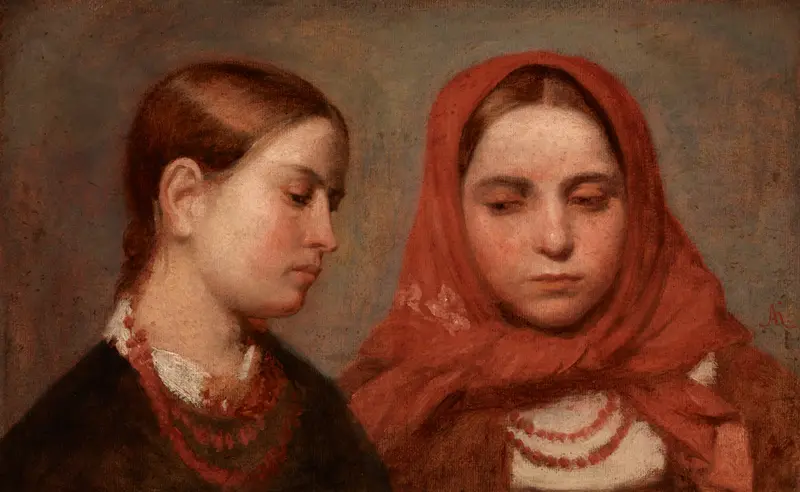
Heads of Two Young Girls
Aleksander Kotsis
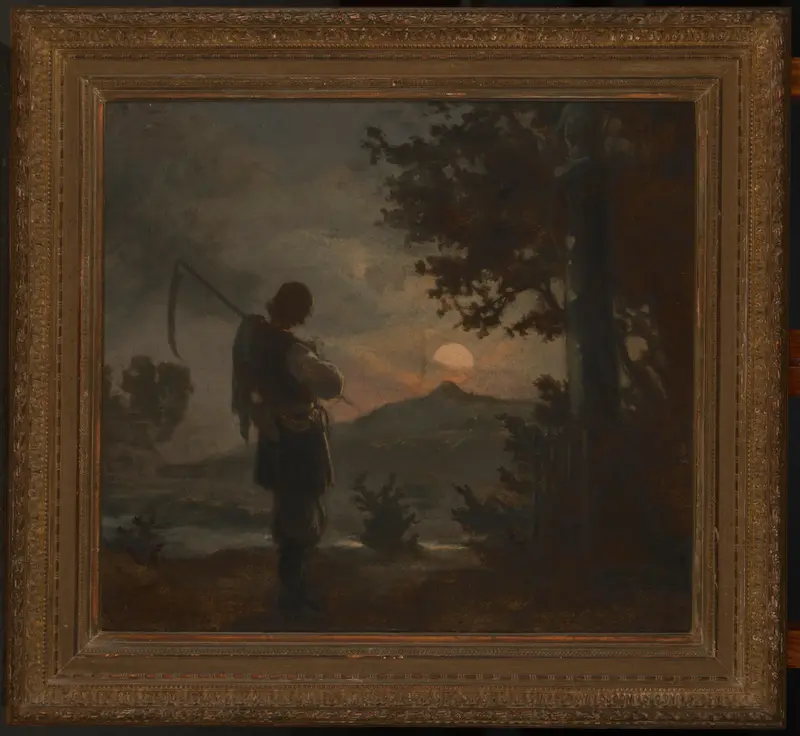
Haymaker
Aleksander Kotsis
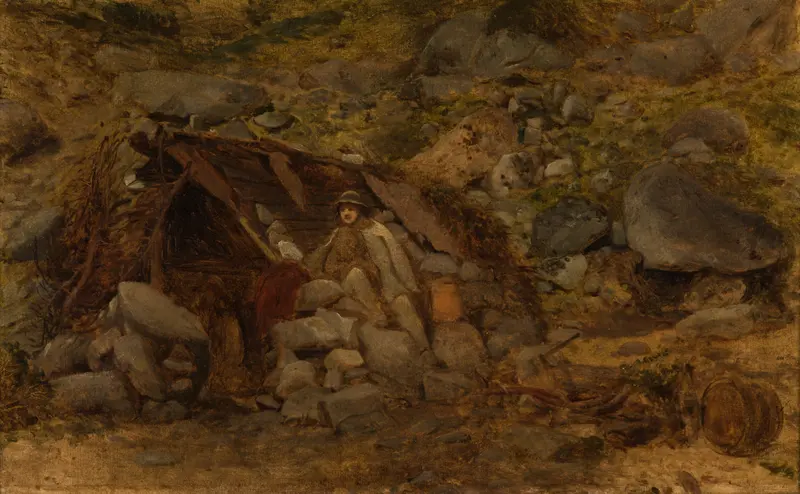
Highlander in Front of a Hut
Aleksander Kotsis
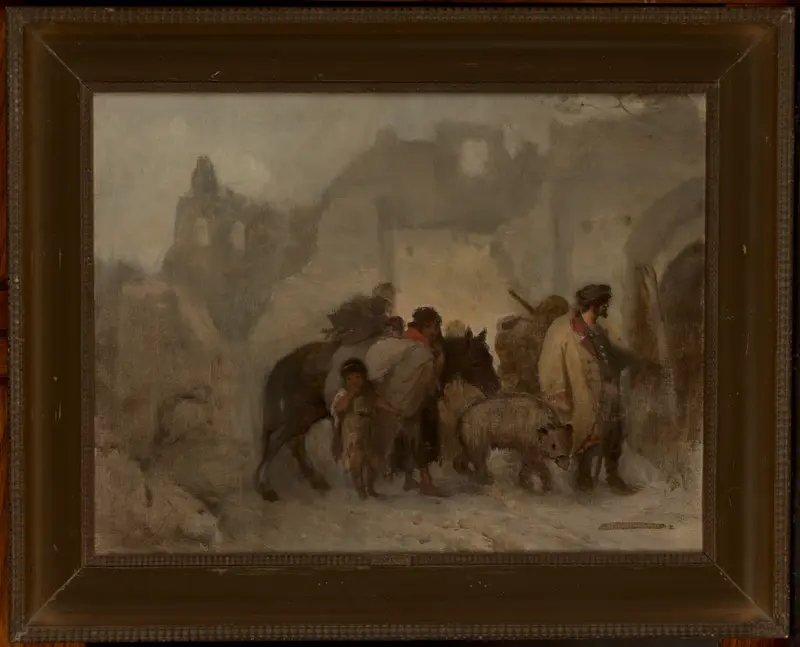
Gypsies
Aleksander Kotsis
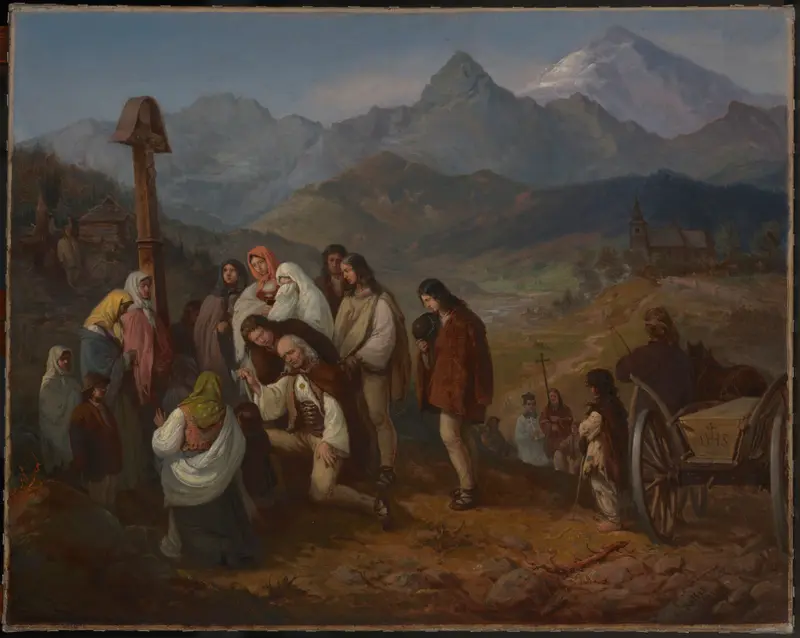
A Highlander's Funeral
Aleksander Kotsis
More Genre Scene Art

Banquet of the Officers of the St George Civic Guard
Frans Hals

Rembrandt and Saskia in the Scene of the Prodigal Son
Rembrandt van Rijn

Bal du moulin de la Galette
Pierre-Auguste Renoir

Quadrille at the Moulin Rouge
Henri de Toulouse-Lautrec

A Burial at Ornans
Gustave Courbet

When Will You Marry?
Paul Gauguin