
Pastoral Scene — History & Facts
What first catches the eye in Pastoral Scene is the sense of gentle mischief that animates the exchange between shepherd and shepherdess. The man, barefoot and earth-stained, leans forward with a conspiratorial smile, his staff pointing not at the flock but toward the young woman beside him. She sits with her back half-turned, her gaze lowered, one finger extended in a gesture that could be playful rebuke or flirtatious invitation.
The light falls softly on her straw hat and red bodice, picking out the crisp folds of her skirt and the lamb’s curious face peeking from behind the tree. Every detail—the crook, the jug, the sheep grazing in the distance—serves not just to set the rural scene, but to draw us into the quiet drama of a moment suspended between work and courtship. Painted in 1627, this work belongs to a world where the pastoral was both an artistic ideal and a social reality. In the Dutch Golden Age, scenes like this were prized for their blend of rustic charm and subtle allegory, often commissioned by urban patrons longing for a vision of simple, harmonious country life.
Abraham Bloemaert was a master of such compositions, weaving together naturalistic detail and classical balance. Today, this painting resides in the Niedersächsisches Landesmuseum in Hannover, a reminder of how, even as history has left few traces of its individual journey, the everyday rhythms of the 17th-century countryside can still feel immediate and alive. Let your eye wander back to the shepherd’s grin and the careful arrangement of hands and glances—they are the true heart of this pastoral world.
More Artworks by Abraham Bloemaert

Adam and Eve
Abraham Bloemaert
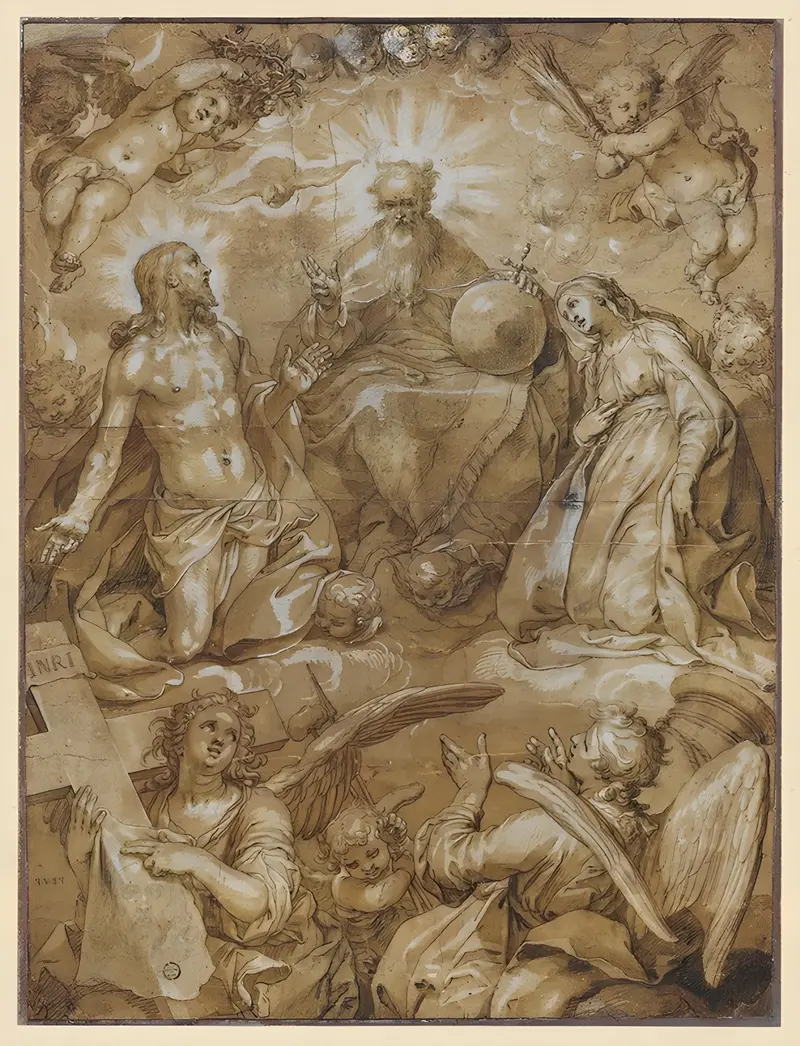
Intercession of Christ and Mary before God the Father
Abraham Bloemaert
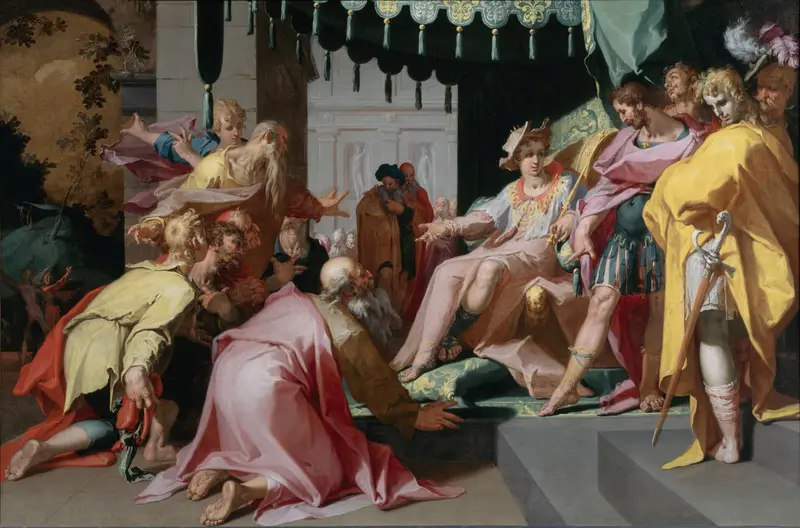
Joseph and his Brothers
Abraham Bloemaert
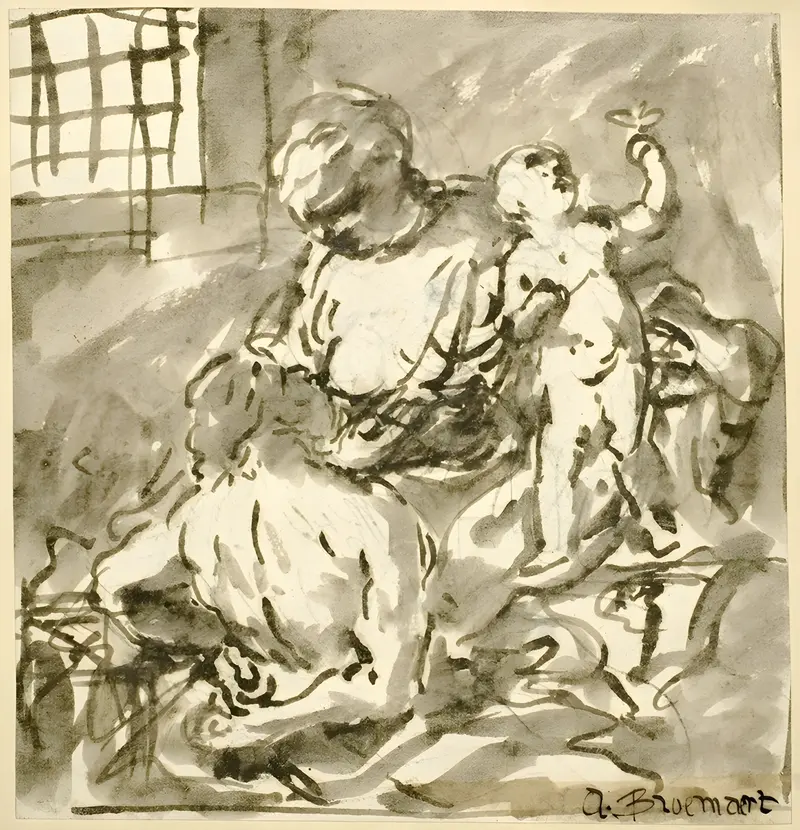
Caritas Romana
Abraham Bloemaert
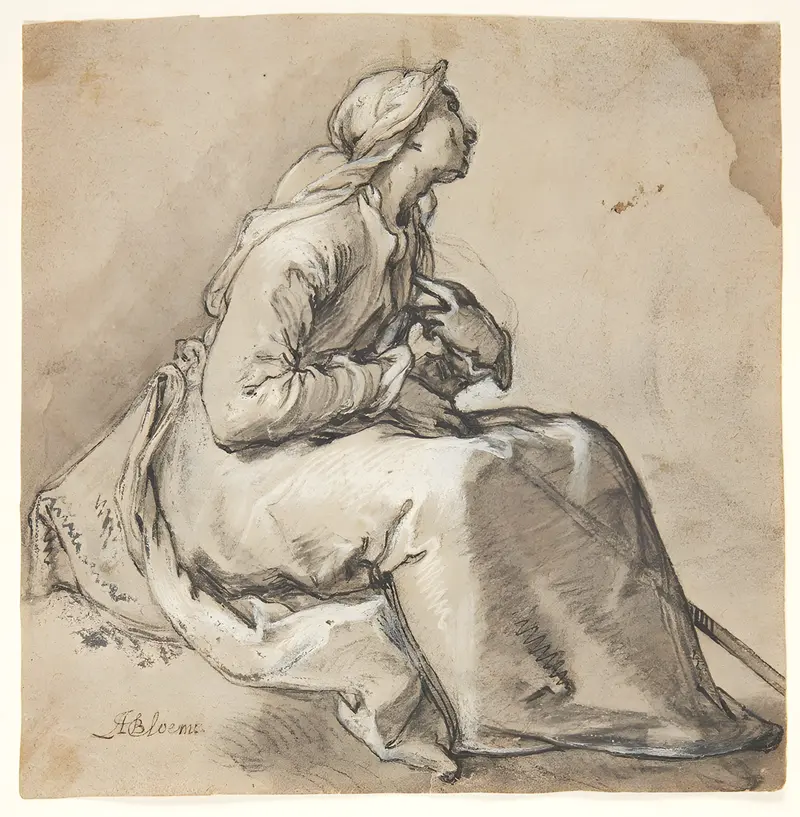
A seated woman facing right
Abraham Bloemaert
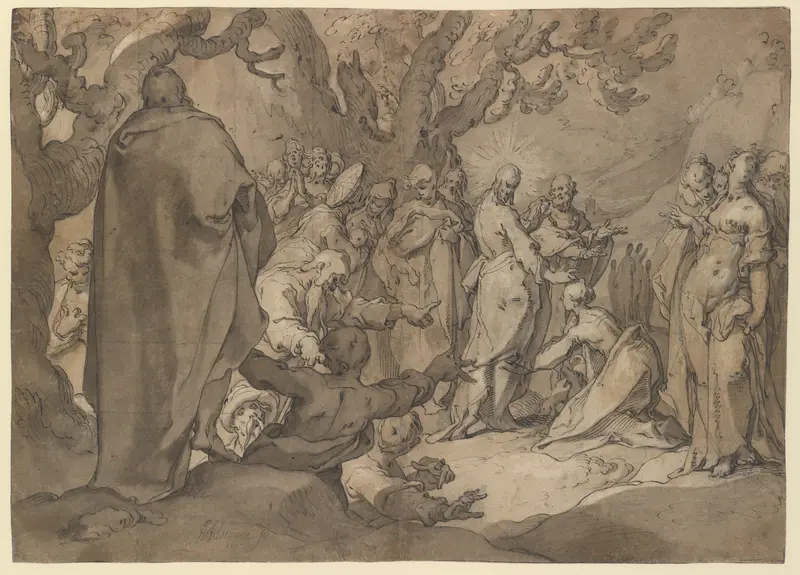
Christ and the Canaanite Women
Abraham Bloemaert
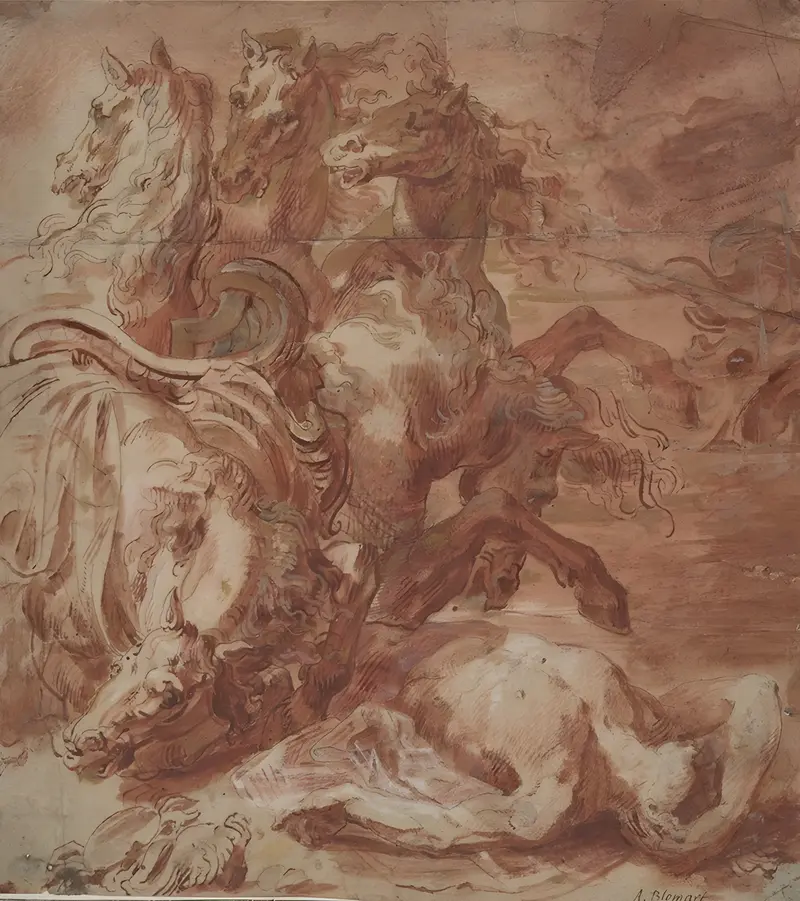
Hippolytus
Abraham Bloemaert
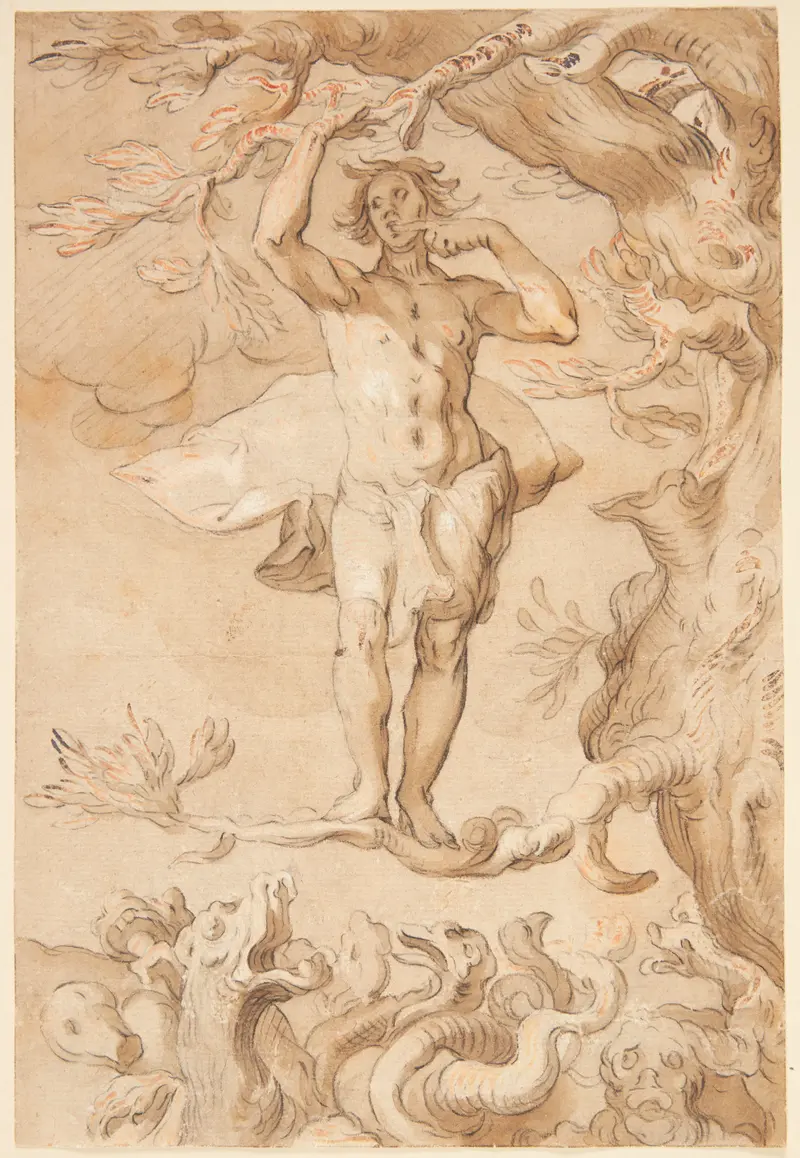
Den menneskelige glædes skrøbelighed En mand, der jages af en drage, klynger sig til en gren, mens han slikker honning af sin finger
Abraham Bloemaert

Moses Striking the Rock
Abraham Bloemaert
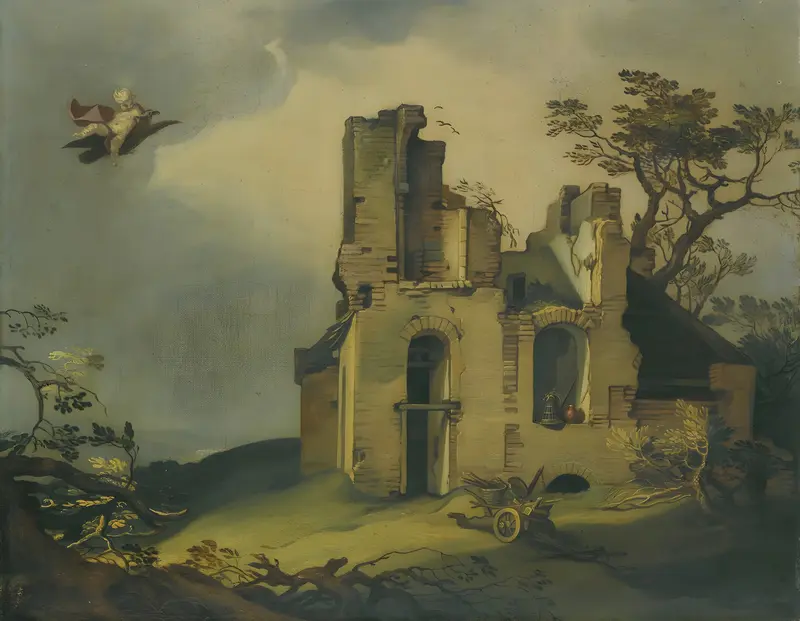
A Landscape With Ruins, With The Rape Of Ganymede
Abraham Bloemaert
More Genre Scene Art

Banquet of the Officers of the St George Civic Guard
Frans Hals

Rembrandt and Saskia in the Scene of the Prodigal Son
Rembrandt van Rijn

Bal du moulin de la Galette
Pierre-Auguste Renoir

Quadrille at the Moulin Rouge
Henri de Toulouse-Lautrec

A Burial at Ornans
Gustave Courbet

When Will You Marry?
Paul Gauguin