
Paysage brabançon — History & Facts
A gentle hillside opens before us, framed by the stark, reaching limbs of a tree that leans in from the right, its trunk etched with careful attention. The eye is drawn along the tree’s line, down into the shallow valley where a cluster of low buildings nestles quietly among fields and copses. There is a hush to this landscape: the absence of figures and the delicate, almost hesitant use of line invite the viewer to linger, to imagine the breeze or the distant sounds of rural life.
The branches in the foreground act as a veil, drawing us into the scene while reminding us that we are, for now, only visitors to this tranquil patch of Brabant. Works like Paysage brabançon by Armand Apol belong to a tradition that flourished in late nineteenth- and early twentieth-century Belgium, when artists turned their gaze to the countryside in search of authenticity and solace from the pressures of modernity. Such landscapes were rarely grand commissions; instead, they were often made for collectors who valued the quiet poetry of the everyday. The Royal Library of Belgium preserves this piece, a testament to the enduring appeal of rural scenes and the artist’s gentle hand.
As you look again, notice how the emptiness is not loneliness, but a space for the imagination to wander.
More Artworks by Armand Apol
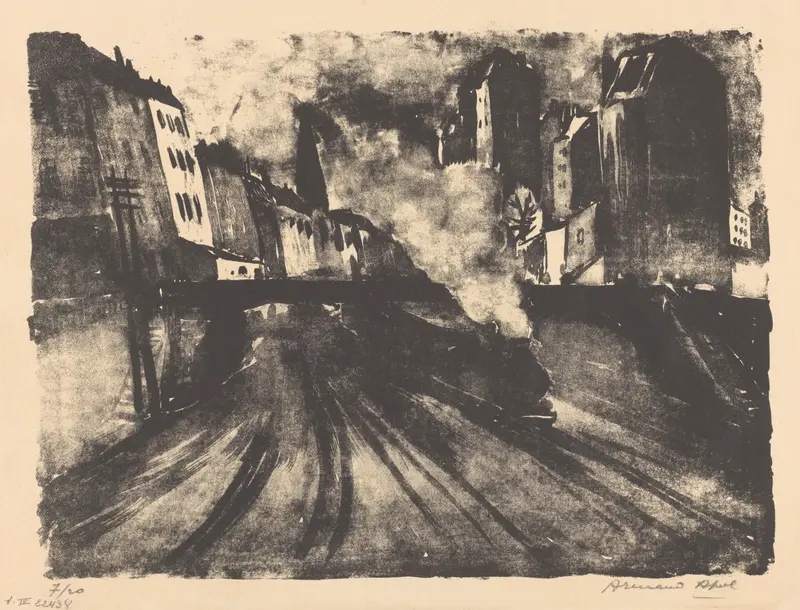
Chemin de fer de ceinture à Paris
Armand Apol
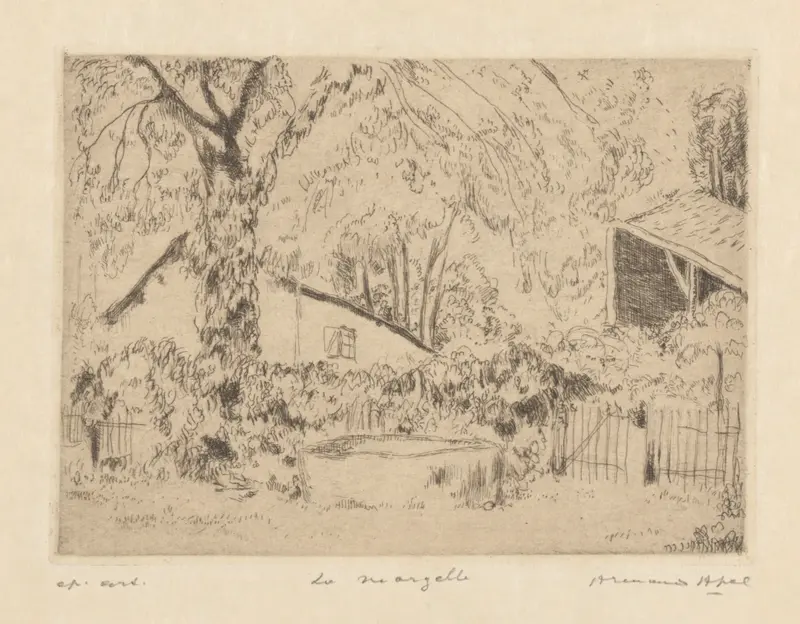
La margelle
Armand Apol
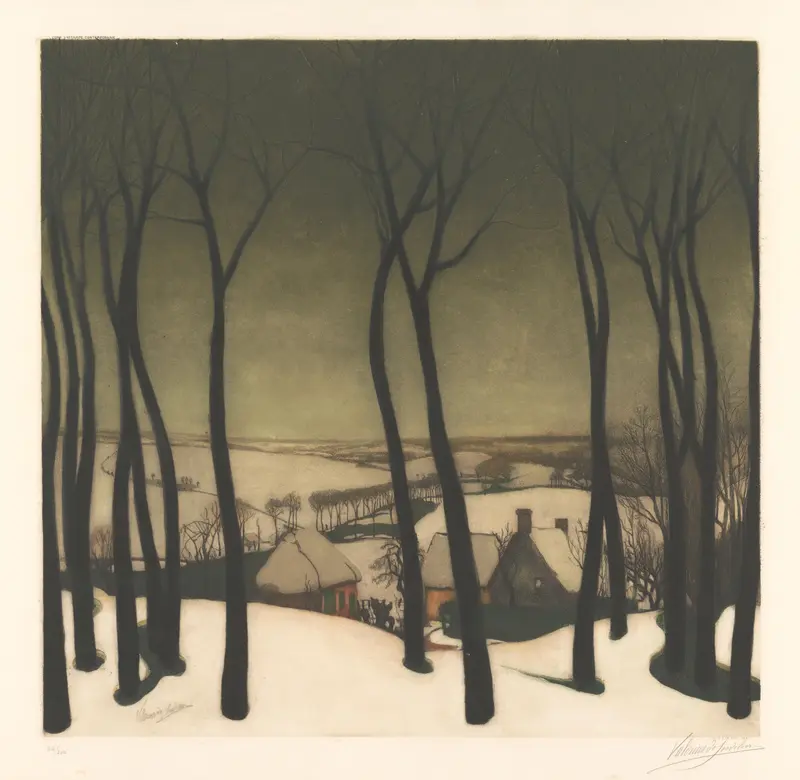
Album 8 estampes (en couleurs) (05) : Paysage
Armand Apol
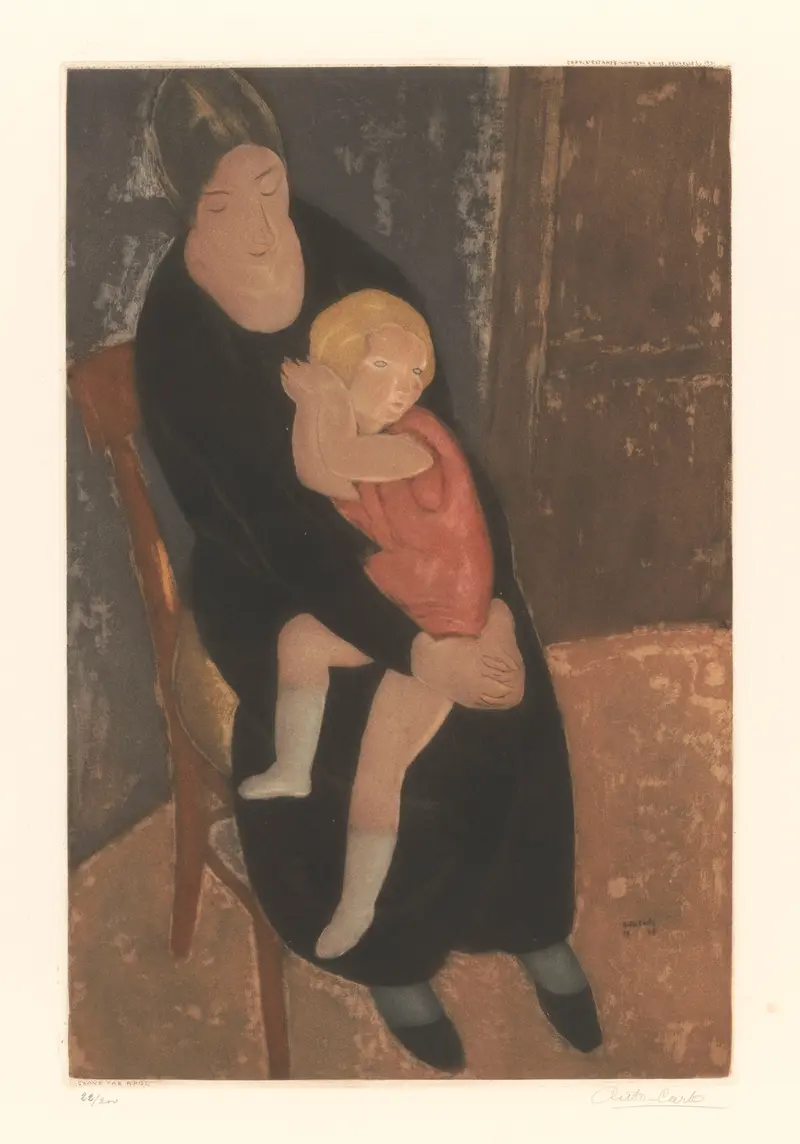
Album 8 estampes (en couleurs) (08) : Mère et enfant
Armand Apol
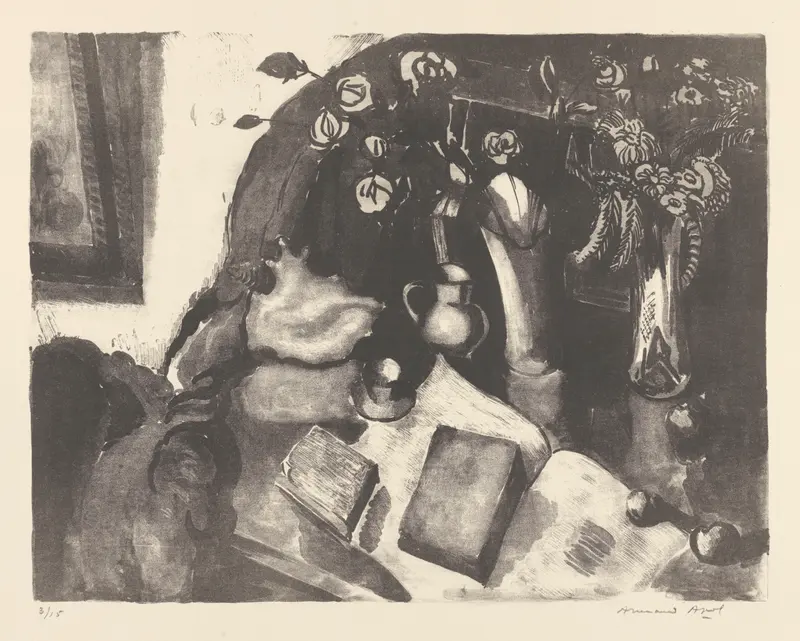
Dix lithographies au lavis (02) : Nature morte
Armand Apol

Dix planches (06) : La loge
Armand Apol
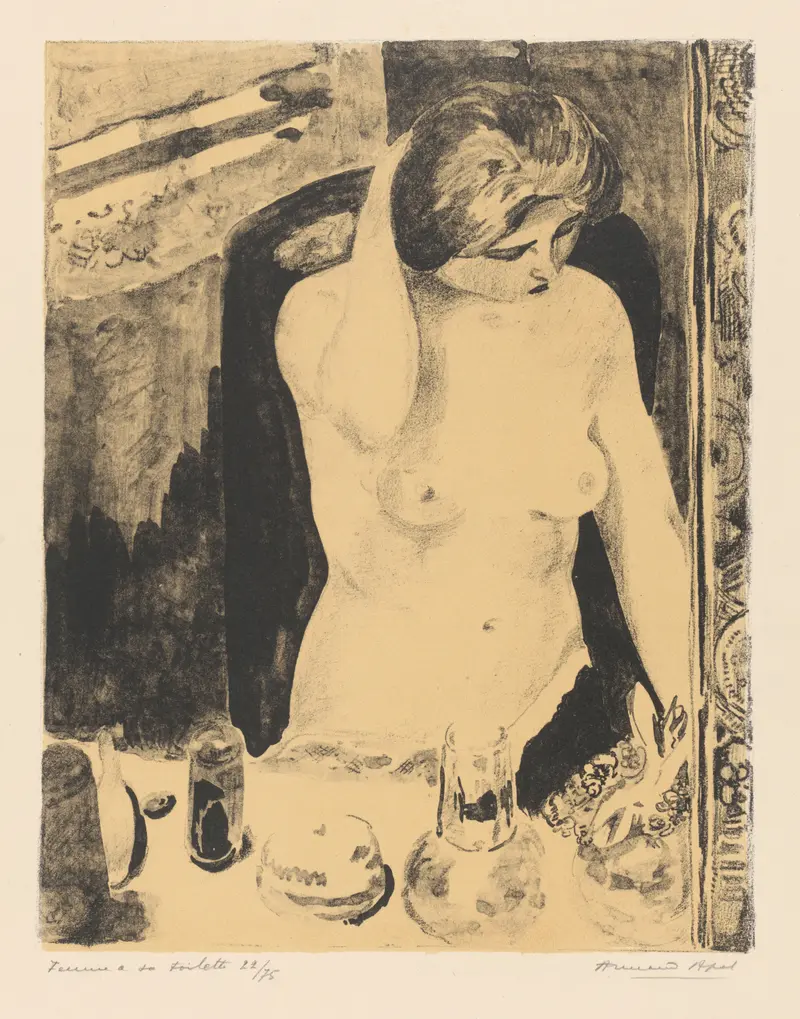
Dix planches (10) : Femme à sa toilette
Armand Apol
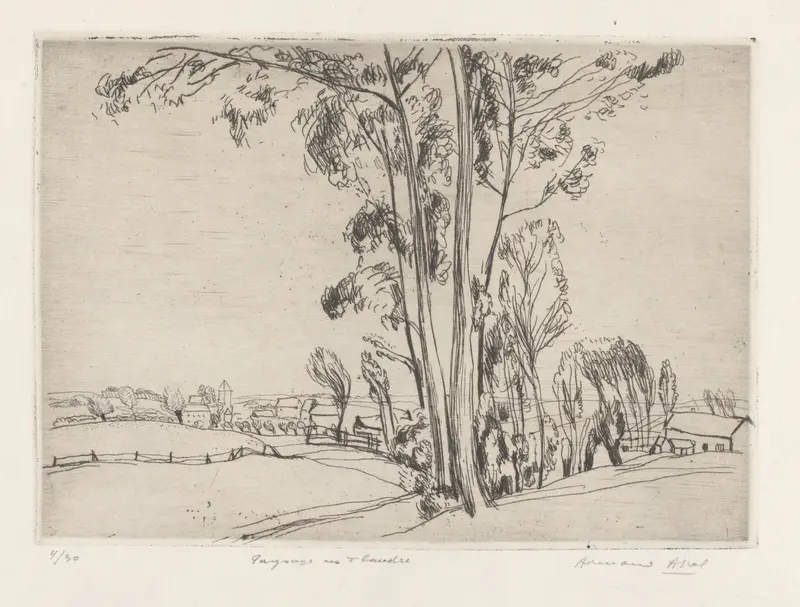
Paysage en Flandre (Etichove)
Armand Apol
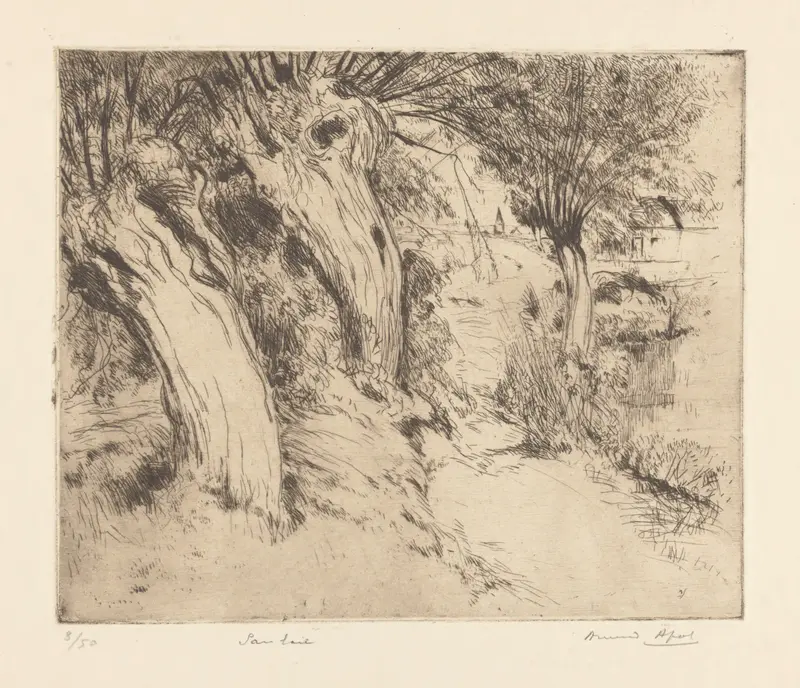
Saulaie
Armand Apol
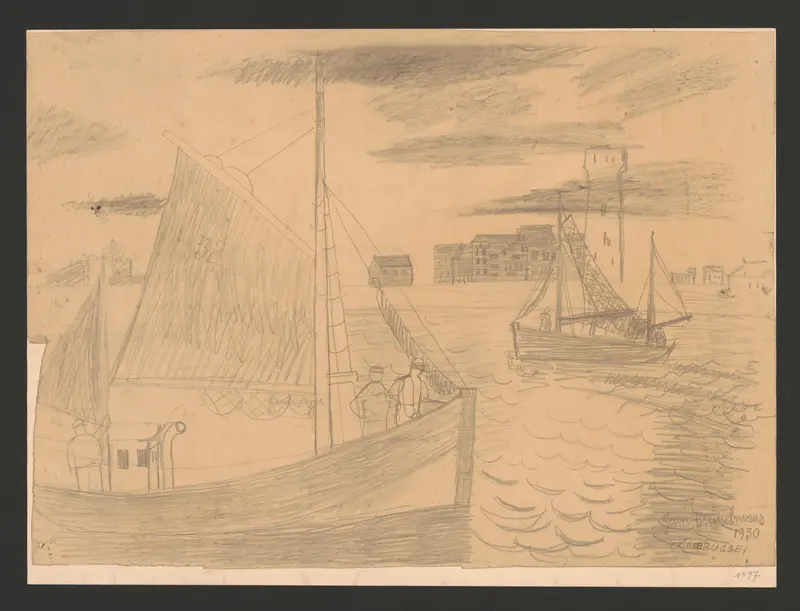
Zeebrugge
Armand Apol
More Landscape Art

The Starry Night
Vincent van Gogh

View of Delft
Johannes Vermeer

Water Lilies
Claude Monet

The Grand Canal, Venice, looking north-west from the Ca' Corner to the Ca' Contarini degli Scrigni, with the campanile of Santa Maria della Carità
Canaletto

Windsor Castle
Canaletto

The Grand Canal looking North-East from the Palazzo Dolfin-Manin to the Rialto Bridge
Canaletto