
Paysages de Provence (01) : Marseille. Tartanes — History & Facts
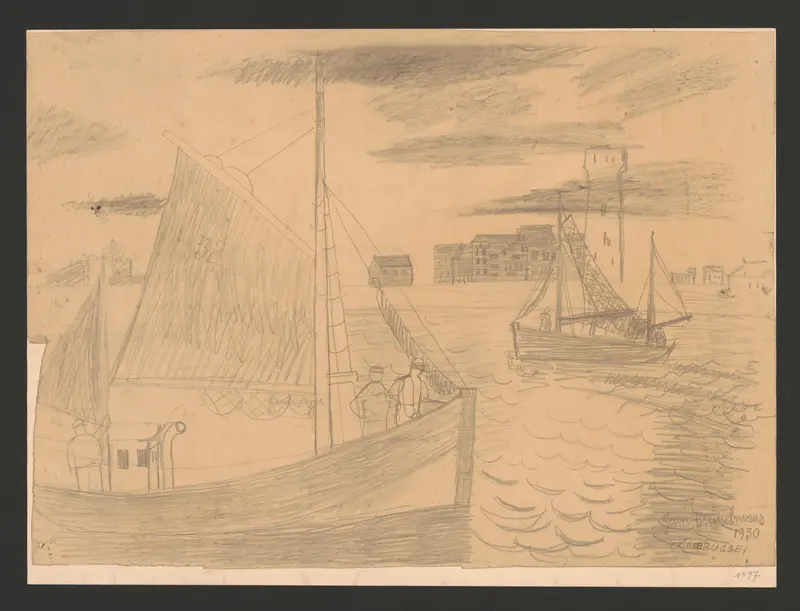
The first thing that catches the eye in Paysages de Provence (01) : Marseille. Tartanes is the way the sails carve their own geometry against the calm expanse of water. The artist, Armand Apol, chooses a moment of stillness, where the tartanes—those traditional Mediterranean boats—seem to pause mid-gesture, their sails half-caught by a gentle breeze.
The composition draws the viewer in with the sharp angle of the nearest sail, its shadow mirrored in the water, guiding your gaze toward the distant, low skyline of Marseille. The city itself is rendered as a faint silhouette, its domed landmark barely interrupting the horizon, so that the boats and their play of light and shadow become the true protagonists. Every etched line works to set a mood of quiet anticipation, as if the day is just beginning or ending. Works like this, produced in the era when artists were captivated by the changing rhythms of modern ports, were often created for collectors eager to capture the character of a place in transition.
The tartane, once the workhorse of Mediterranean trade, here becomes a symbol of local identity and memory, even as steamships and industry were reshaping Marseille’s harbor. Armand Apol was known for his sensitive handling of light and atmosphere, and this print—now held by the Royal Library of Belgium—belongs to a tradition where artists documented not just the appearance but the spirit of their surroundings. History has kept few traces of many such scenes, but in this image, the quiet dignity of Marseille’s maritime life is preserved, inviting the viewer to linger over every line.
More Artworks by Armand Apol
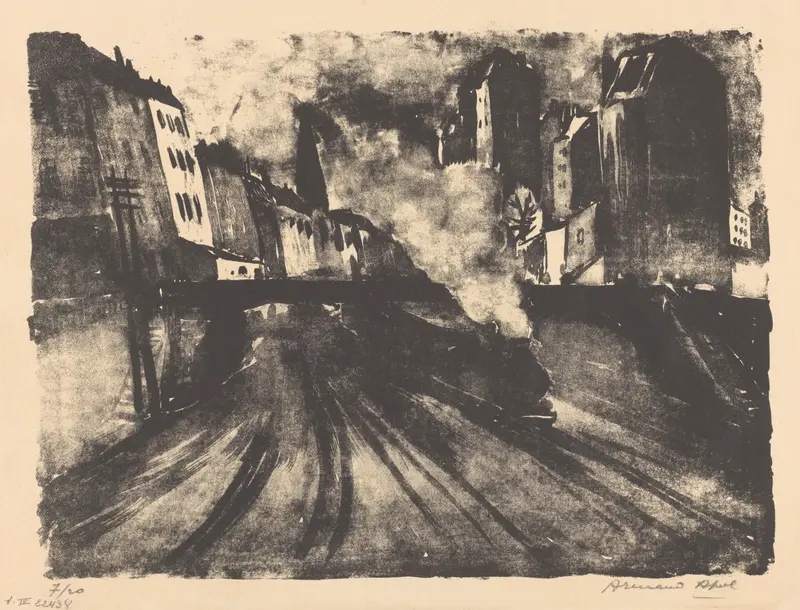
Chemin de fer de ceinture à Paris
Armand Apol
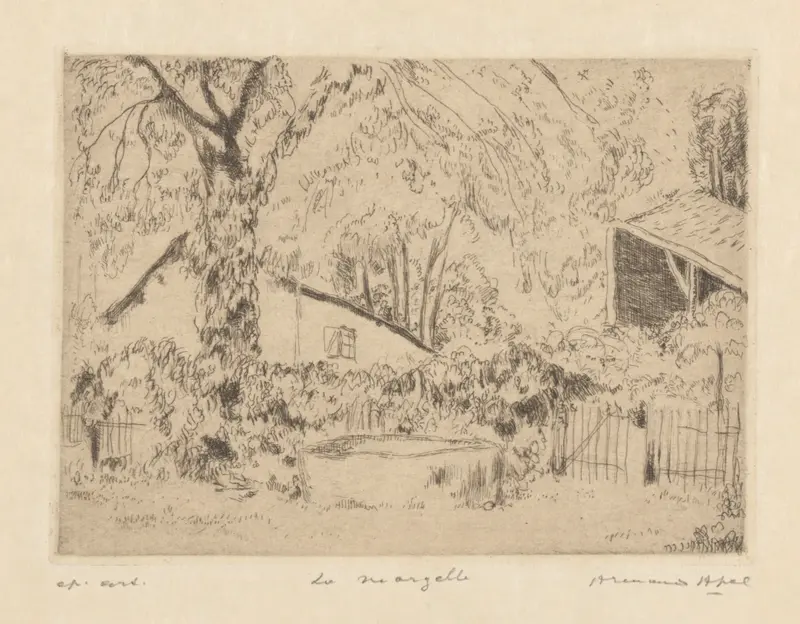
La margelle
Armand Apol
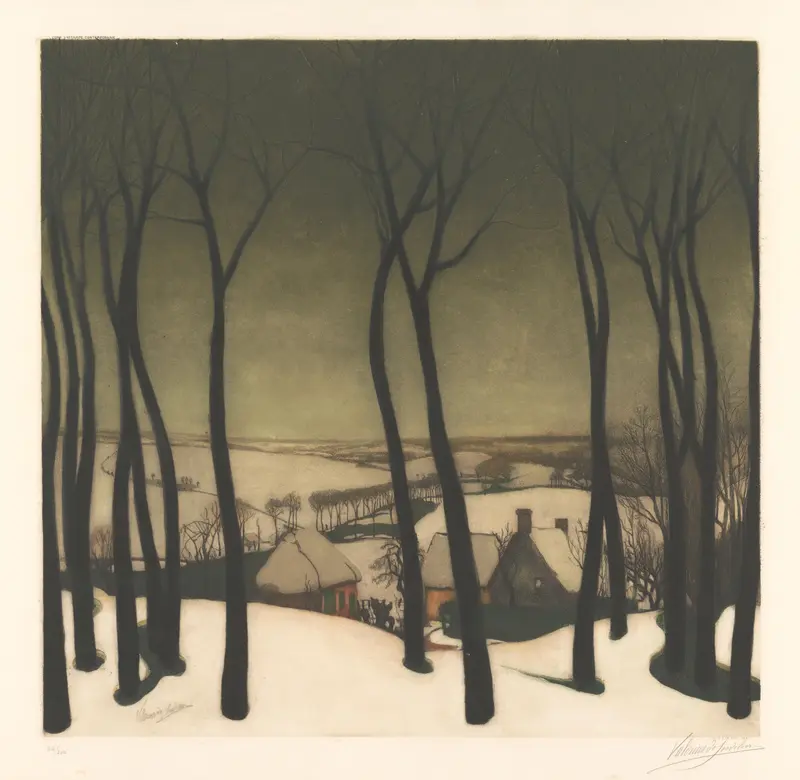
Album 8 estampes (en couleurs) (05) : Paysage
Armand Apol
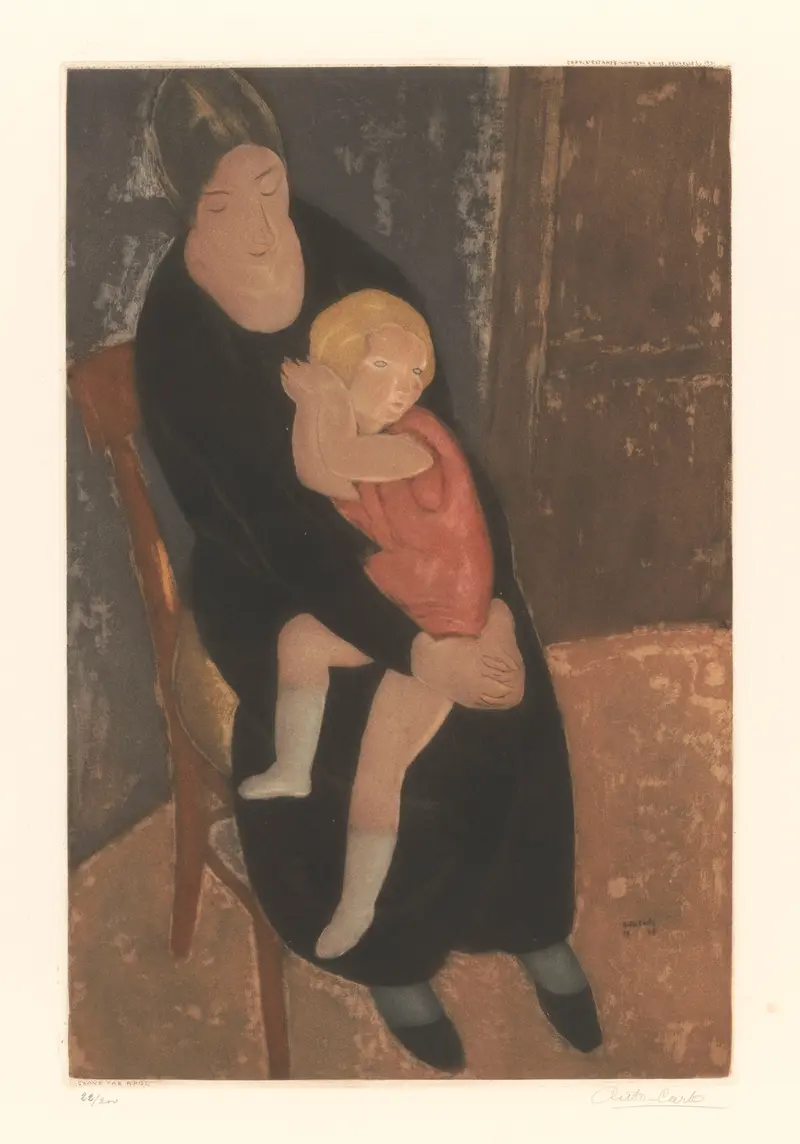
Album 8 estampes (en couleurs) (08) : Mère et enfant
Armand Apol
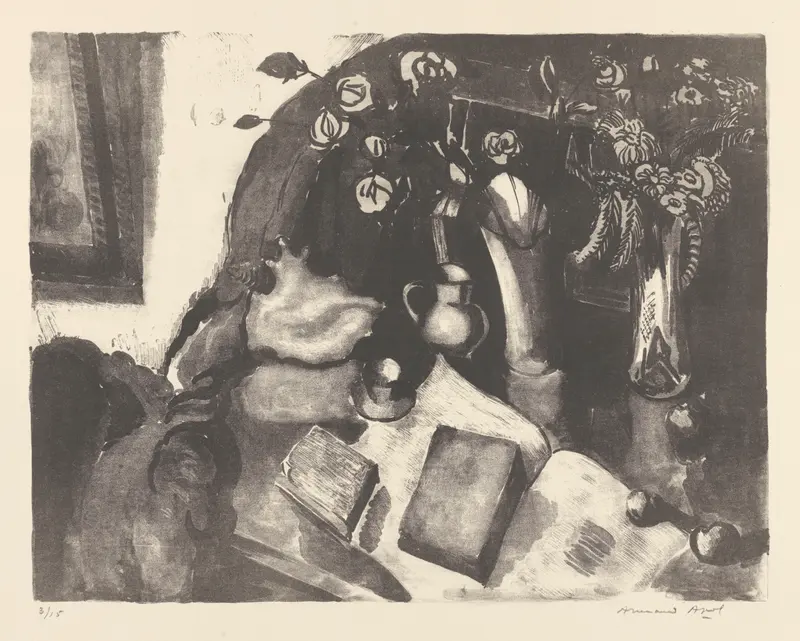
Dix lithographies au lavis (02) : Nature morte
Armand Apol

Dix planches (06) : La loge
Armand Apol
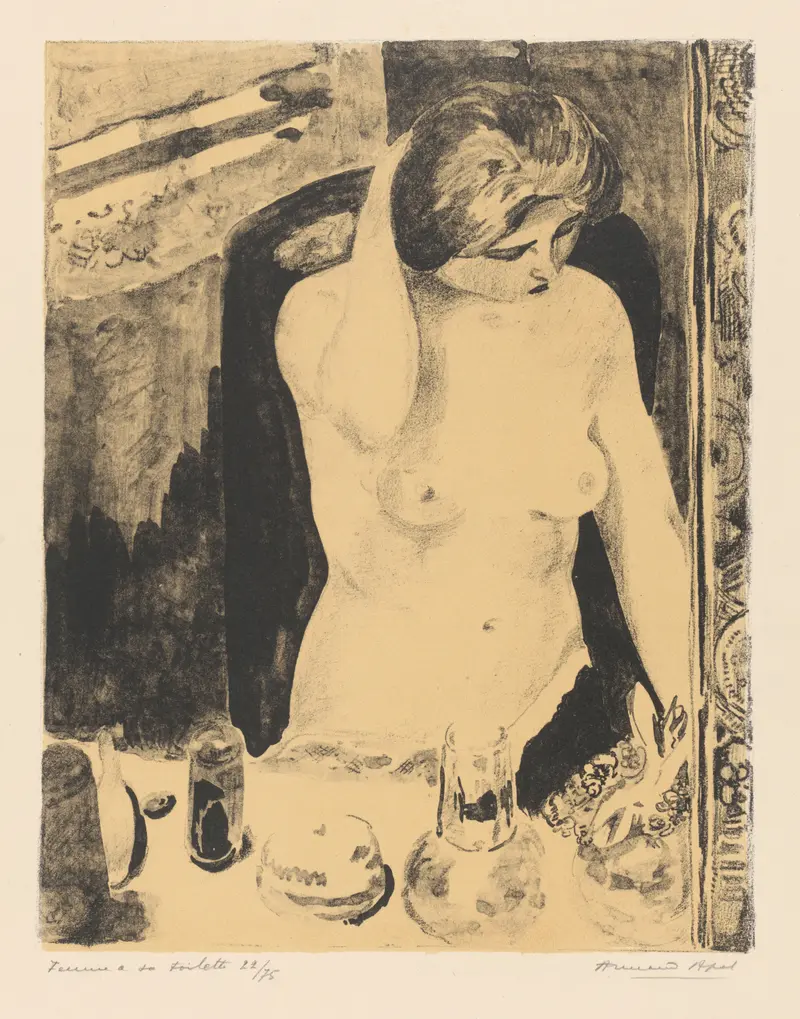
Dix planches (10) : Femme à sa toilette
Armand Apol
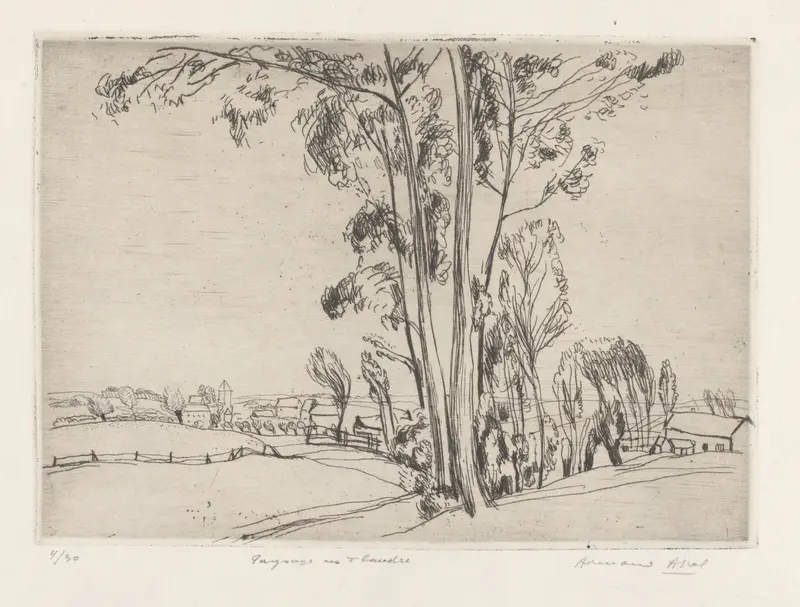
Paysage en Flandre (Etichove)
Armand Apol
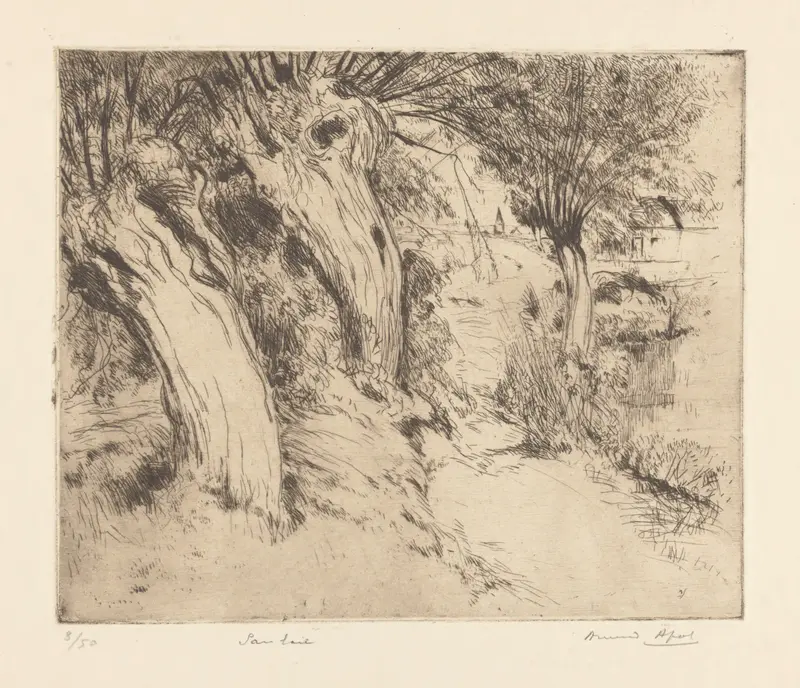
Saulaie
Armand Apol
Zeebrugge
Armand Apol





