
Paysages de Provence (06) : Vence. Le viaduc — History & Facts
The first thing that catches the eye in Paysages de Provence (06) : Vence. Le viaduc is the way the landscape seems to drift between memory and dream. The viaduct arches quietly in the background, its rhythm echoed by the gentle curves of the hills and the looping road.
The artist, Armand Apol, pares the Provençal village down to its essentials: blocky houses, a pair of boats, and the unmistakable silhouettes of Mediterranean plants. The lines are confident but spare, guiding the viewer’s gaze in a slow circle—first to the agave in the foreground, then up the palm, across the viaduct, and back to the clustered rooftops. The palette is restrained, almost monochrome, which lets the composition’s structure and movement take center stage. Works like this emerged from a period when artists across Europe were reimagining the landscape, moving away from naturalistic detail toward a language of suggestion and form.
In early twentieth-century France, the South was a magnet for painters and printmakers, drawn by its light and the promise of a simpler, sunlit world. Armand Apol was among those who found inspiration there, though history has kept few traces of his individual pieces. Now housed in the Royal Library of Belgium, this print is a quiet witness to that era’s fascination with place and memory.
Notice how the artist’s hand lingers on the curves and shadows—inviting you to imagine the warmth, the hush, and the slow passage of time in Vence.
More Artworks by Armand Apol
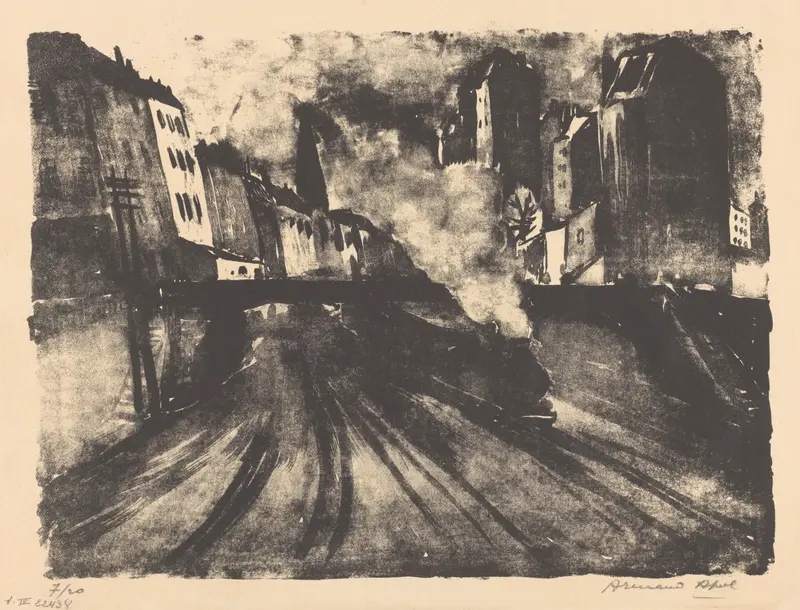
Chemin de fer de ceinture à Paris
Armand Apol
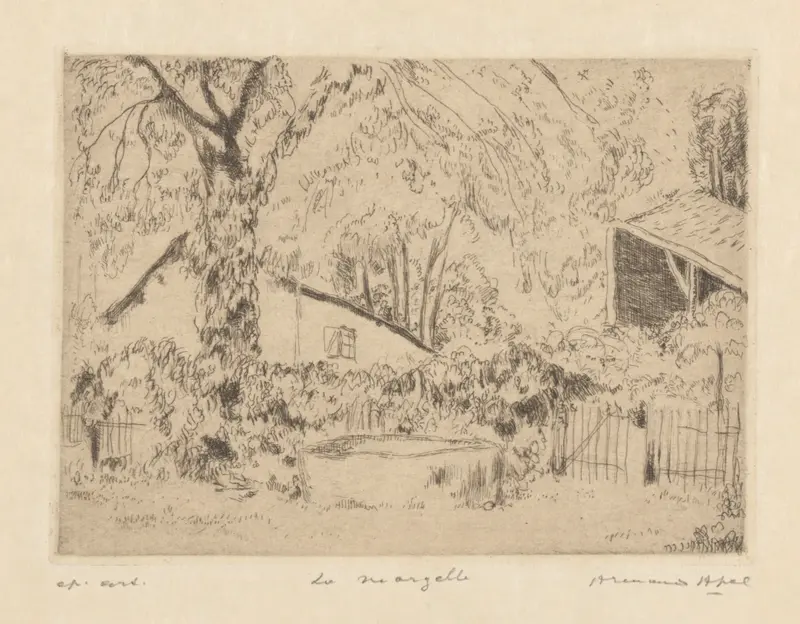
La margelle
Armand Apol
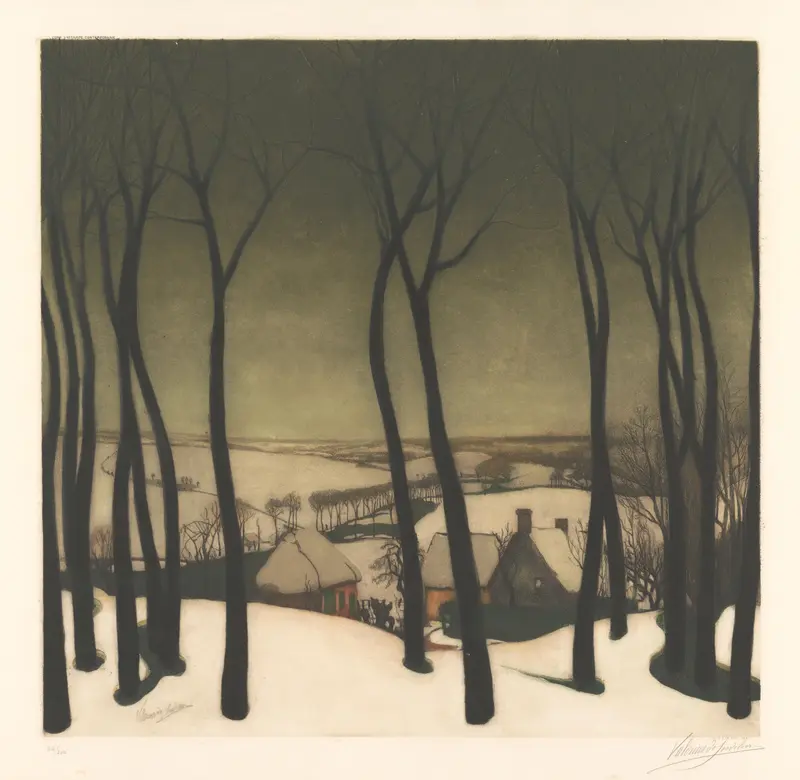
Album 8 estampes (en couleurs) (05) : Paysage
Armand Apol
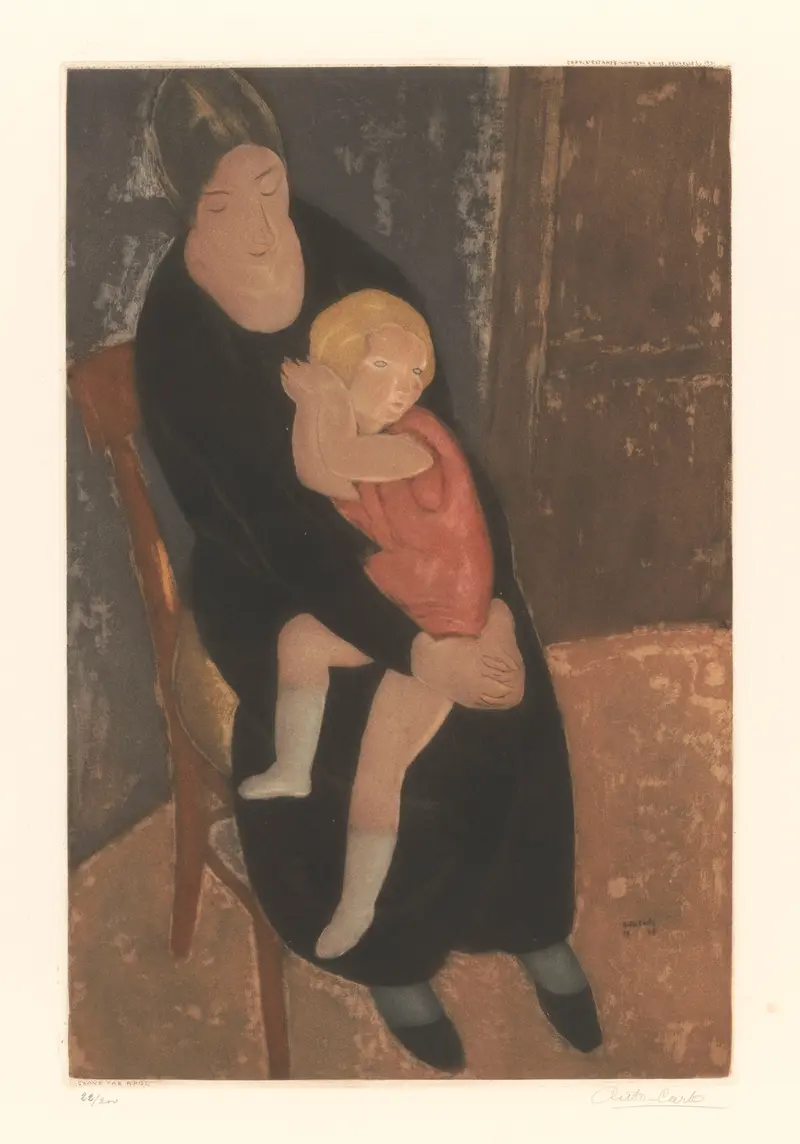
Album 8 estampes (en couleurs) (08) : Mère et enfant
Armand Apol
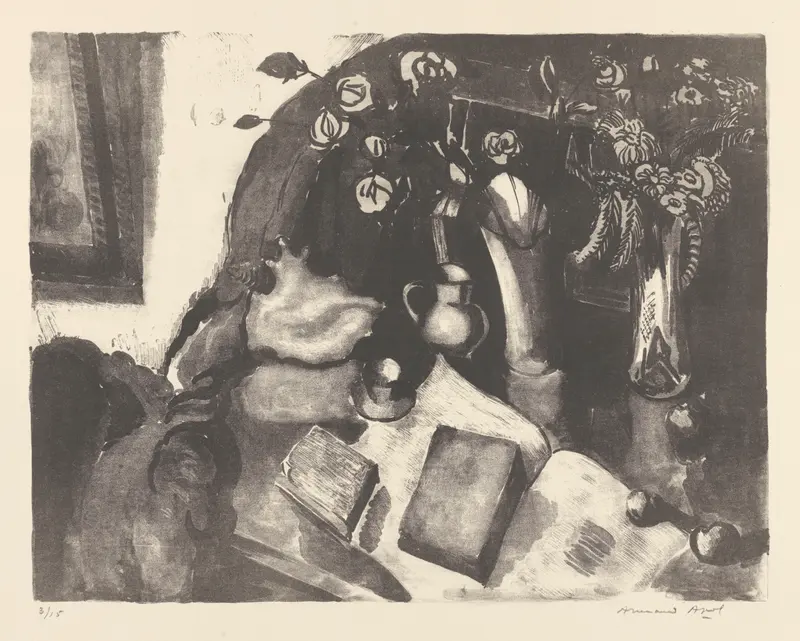
Dix lithographies au lavis (02) : Nature morte
Armand Apol

Dix planches (06) : La loge
Armand Apol
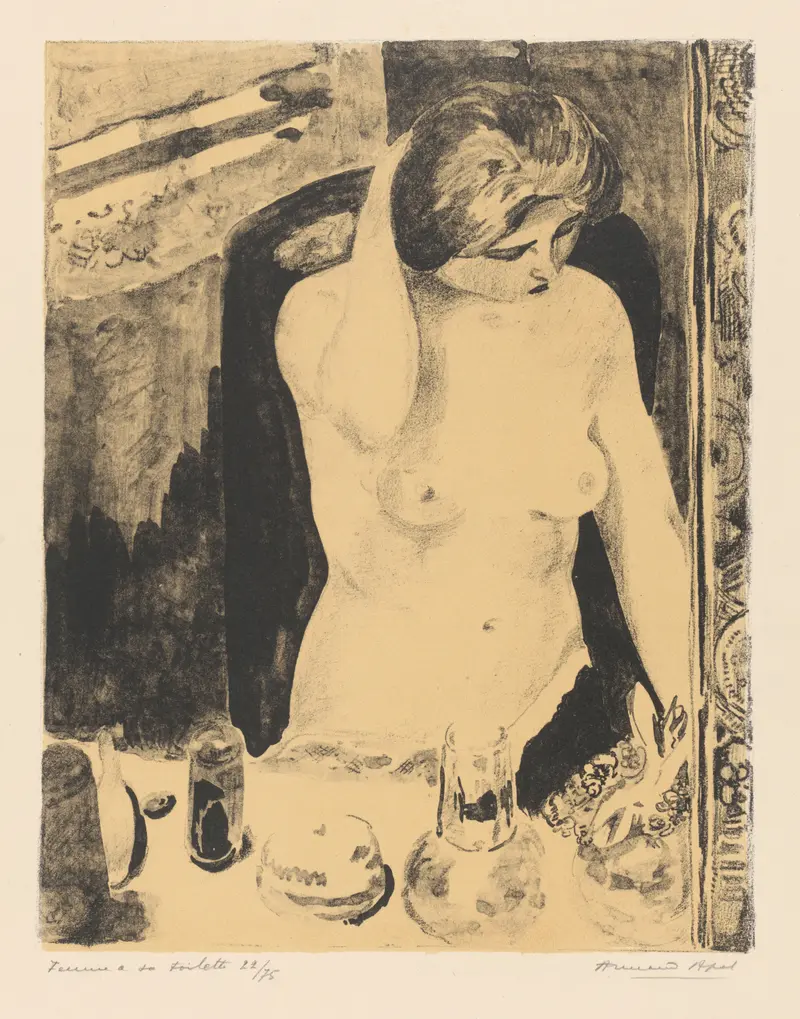
Dix planches (10) : Femme à sa toilette
Armand Apol
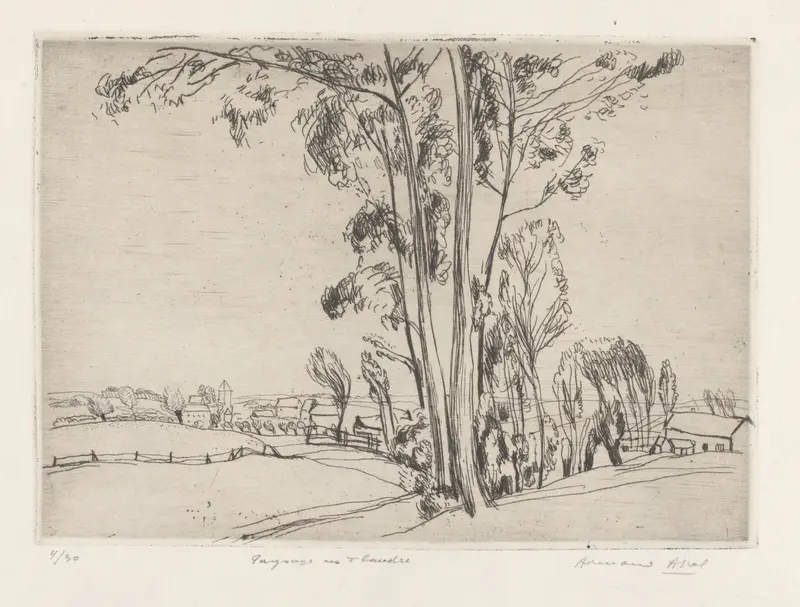
Paysage en Flandre (Etichove)
Armand Apol
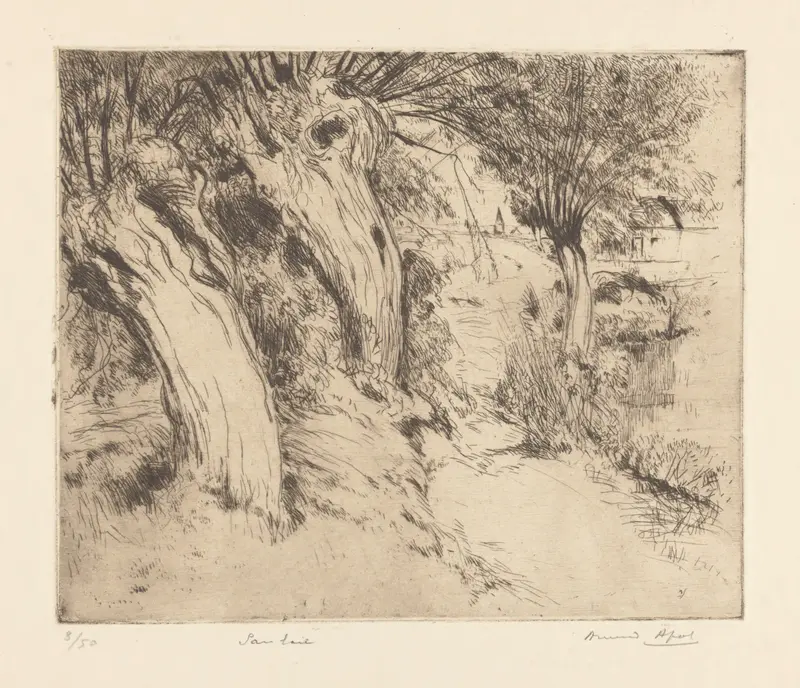
Saulaie
Armand Apol
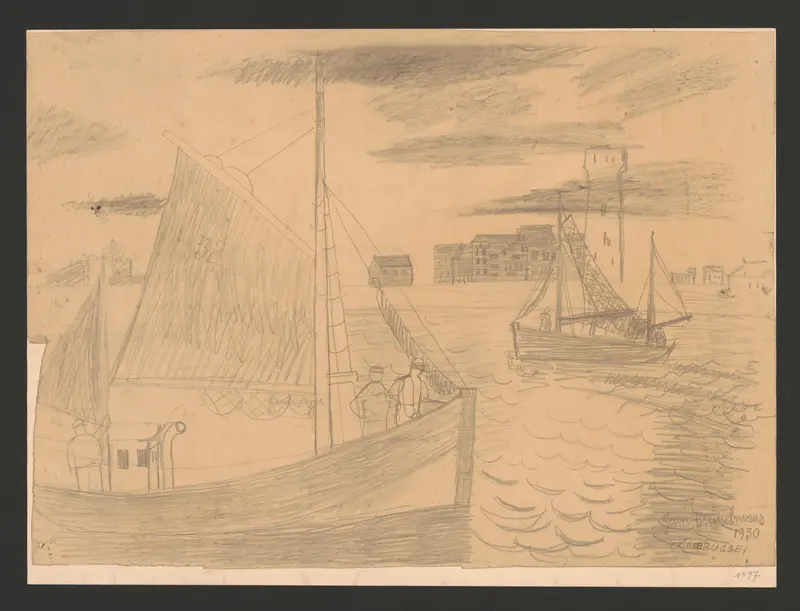
Zeebrugge
Armand Apol
More Landscape Art

The Starry Night
Vincent van Gogh

View of Delft
Johannes Vermeer

Water Lilies
Claude Monet

The Grand Canal, Venice, looking north-west from the Ca' Corner to the Ca' Contarini degli Scrigni, with the campanile of Santa Maria della Carità
Canaletto

Windsor Castle
Canaletto

The Grand Canal looking North-East from the Palazzo Dolfin-Manin to the Rialto Bridge
Canaletto