
Peace and Plenty — History & Facts
The first thing to catch the eye in Peace and Plenty is the lush abundance of fabric and flesh, a tangle of bodies and drapery that seems to spill out from the canvas itself. The scene is orchestrated beneath a heavy curtain, as if we are being allowed a glimpse backstage at an allegory in progress. Every gesture is deliberate: the central women, crowned with flowers, handle a bundle of rods—a fasces, symbol of unity and power—while a cherub descends from above, offering a laurel wreath.
The woman in red, her arm protectively around a sleeping child, draws us in with her calm, grounded presence, while the figure in shadow to the right, crowned with vine leaves, watches with a more ambiguous air. The palette is rich and full, the light falling in broad sweeps that caress the folds of satin and the softness of skin, setting a mood of tranquil prosperity. Painted in 1614, this work by Abraham Janssens belongs firmly to the world of early seventeenth-century Antwerp, where allegory was both a public art and a private language. In this era, paintings like this were often commissioned to express civic ideals or celebrate the virtues of peace after conflict, their meaning encoded in classical symbols familiar to educated viewers.
The figures here—Peace, Plenty, and their companions—would have been instantly recognizable to contemporaries steeped in humanist learning. Today, the painting resides in the collection of Wolverhampton Art Gallery, a testament to the enduring appeal of such allegories, even as the specific circumstances of its creation have faded from record. Let your eye linger on the details: the fruit spilling from a cornucopia, the sleepy child, the laurel wreath—each a promise of what peace can bring.
More Artworks by Abraham Janssens

Jupiter Rebuked by Venus
Abraham Janssens
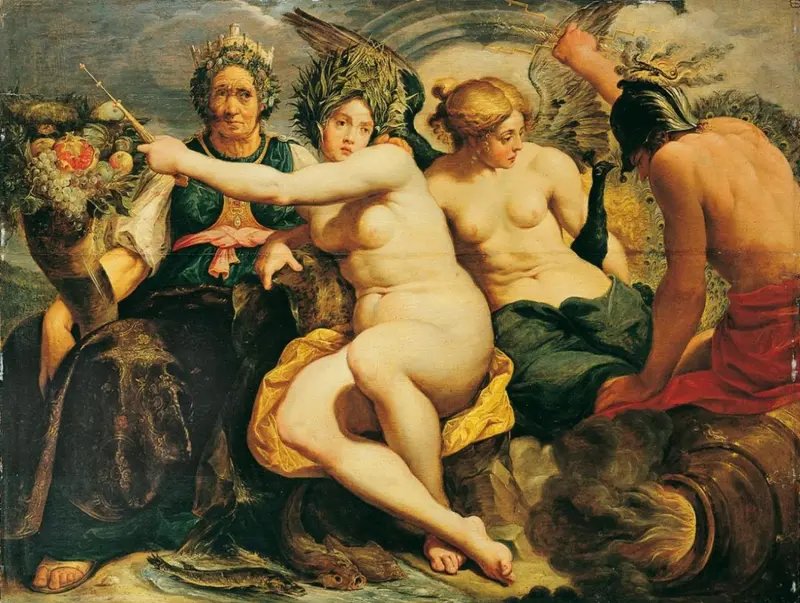
Allegorie der vier Elemente
Abraham Janssens
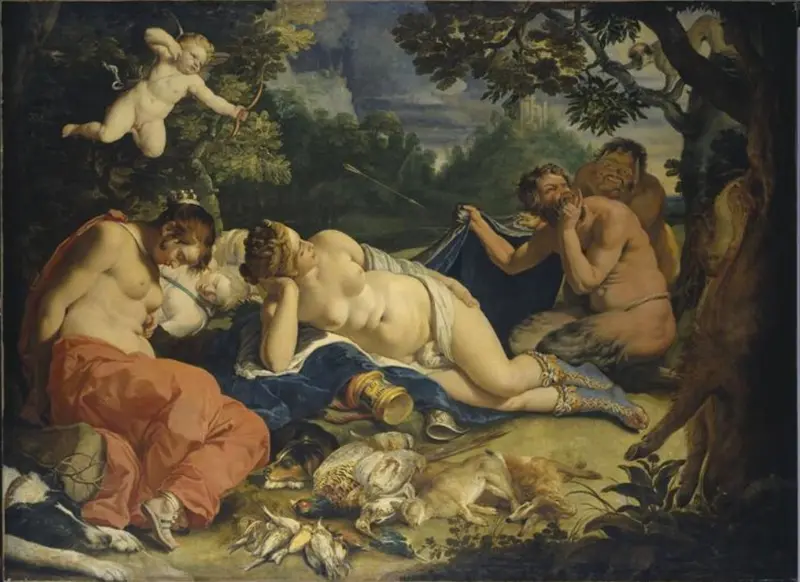
Diana and her nymphs spied on by satyrs
Abraham Janssens

Die Erweckung des Lazarus 153 Bavarian State Painting Collections
Abraham Janssens
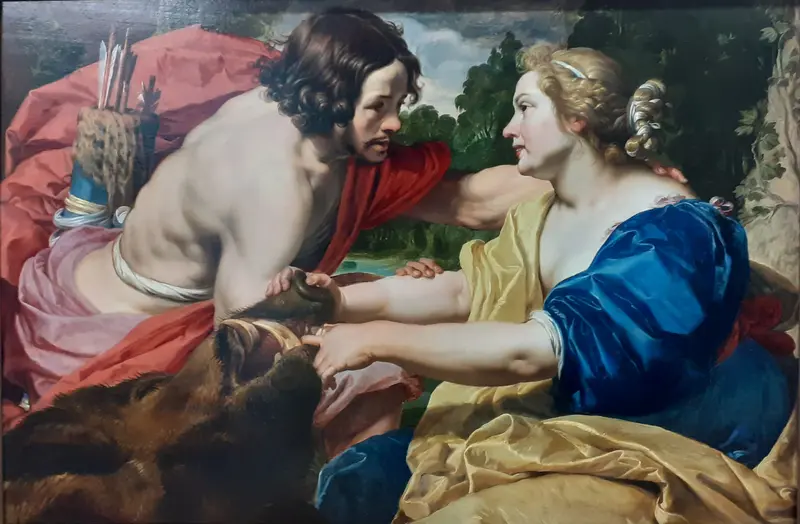
Meleager presents the head of the Calydonian Boar to Atalanta
Abraham Janssens
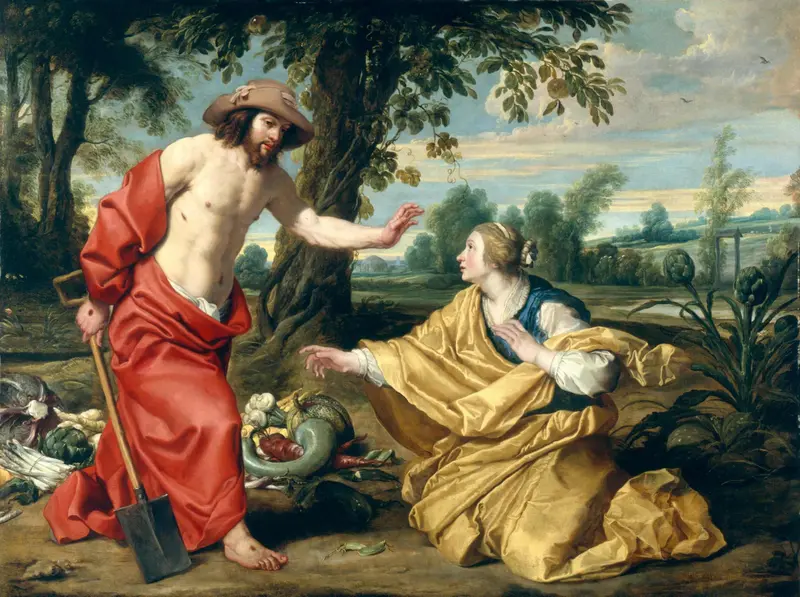
Noli me Tangere
Abraham Janssens
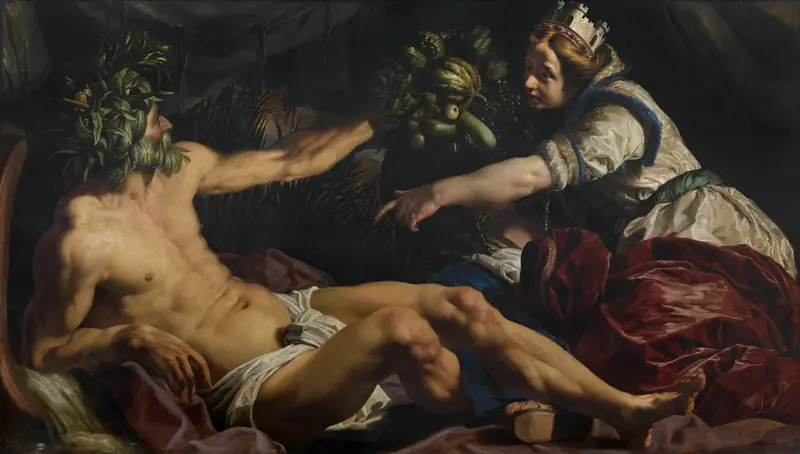
Scaldis and Antverpia
Abraham Janssens
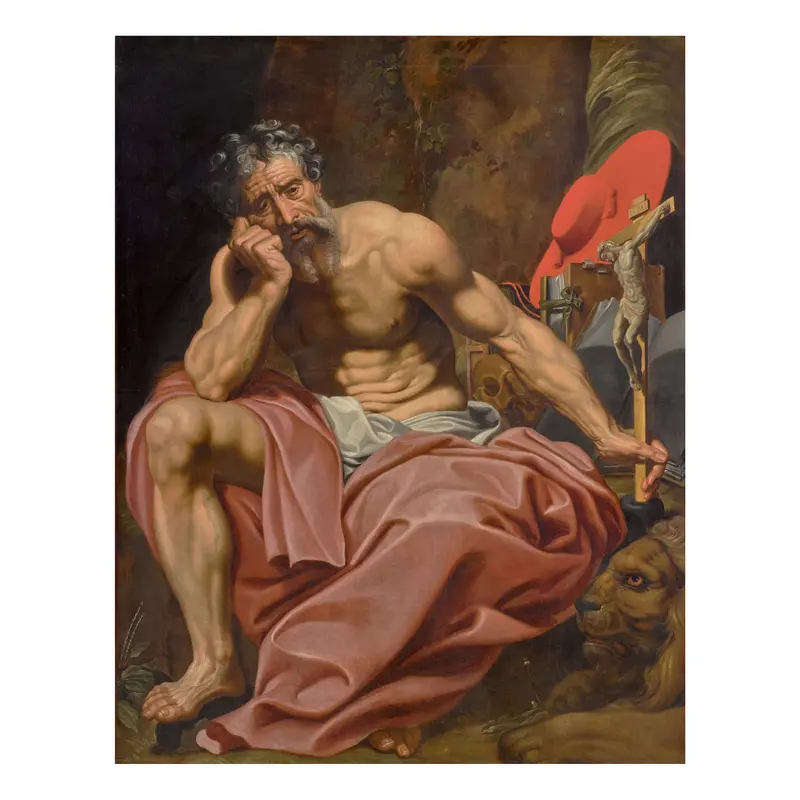
Saint Jerome
Abraham Janssens
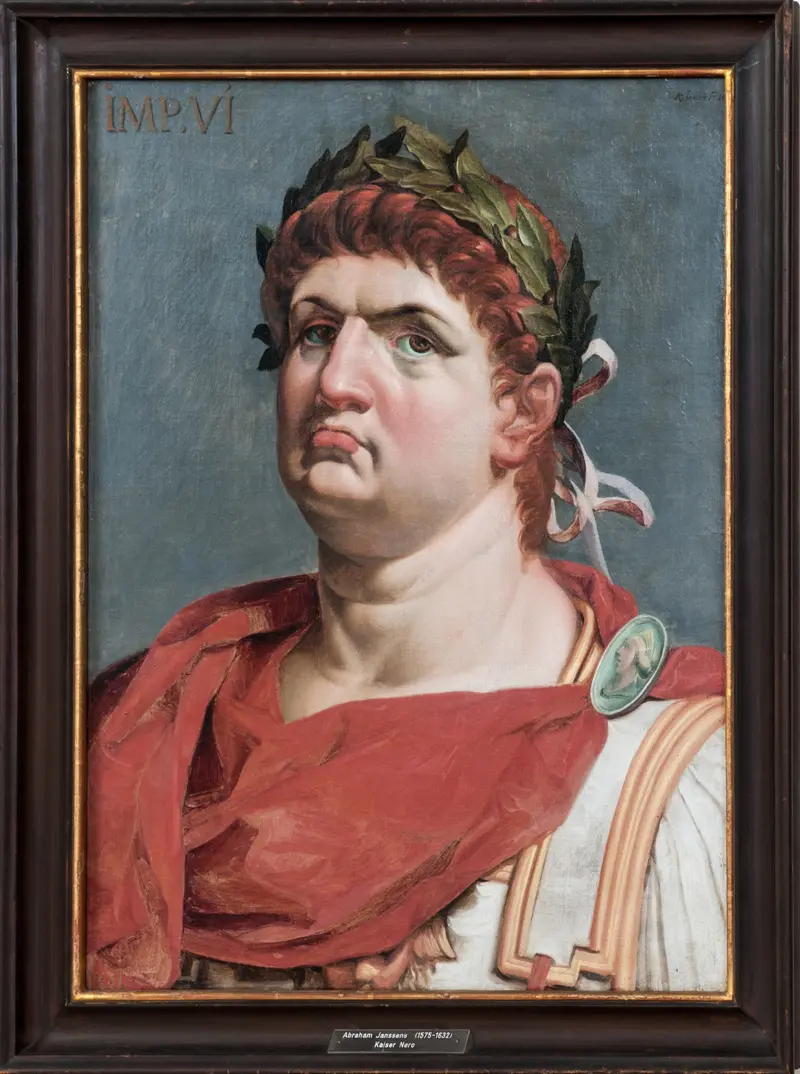
Nero
Abraham Janssens
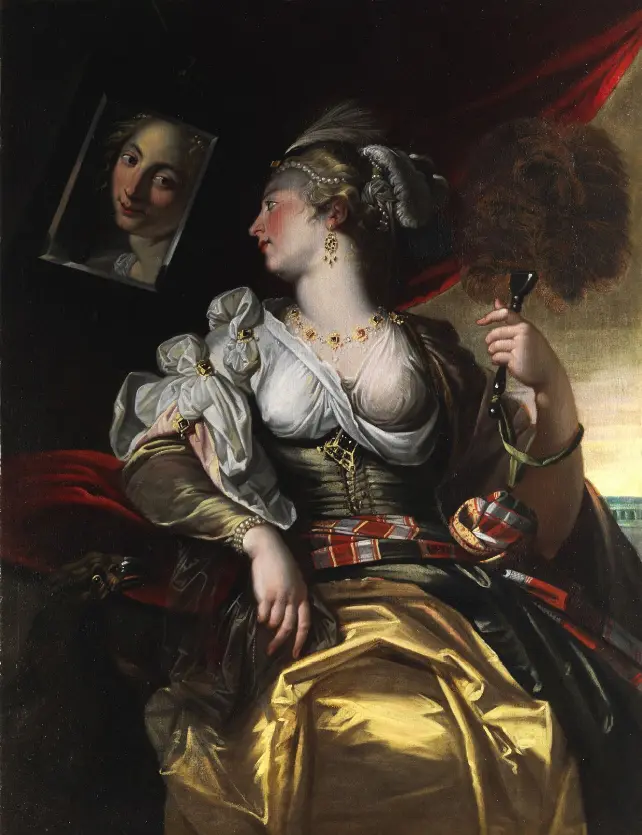
The Face
Abraham Janssens





