
Peasant cottage interior — History & Facts
A hush seems to fill the small, dim room, where the first thing that catches the eye is a young girl leaning against the stove, her gaze fixed outward, meeting the viewer with a quiet, almost wary curiosity. The scene is intimate but never sentimental: a woman, perhaps her mother, tends to a child at a rough wooden table, while the background recedes into shadow, revealing the silhouettes of two more figures in a doorway. The light, soft and indirect, falls across the figures and the worn surfaces, picking out the faded colors of their clothing and the humble order of their world.
Every gesture is purposeful—the way the woman bends over her task, the child’s small hands resting on the table, the girl’s arms folded defensively across her chest. Above, a few garments hang to dry, and a battered hat is pinned to the wall, tokens of daily life that quietly insist on their importance. Painted in 1877, Peasant cottage interior by Aleksander Kotsis belongs to a period when artists across Europe turned their attention to rural life, seeking honesty in the everyday and dignity in the ordinary. In Poland, where Kotsis worked, such images were more than picturesque—they were acts of witness, recording a way of life often overlooked by history.
The painting now resides in the National Museum in Warsaw, a fitting home for a work that preserves not only the look of a peasant dwelling, but the mood and rhythm of its life. History has kept few traces of the individuals shown here, but the painting’s quiet drama invites us to linger, searching for stories in the play of light and the hush of the interior.
More Artworks by Aleksander Kotsis

Trip in the Tatra Mountains
Aleksander Kotsis

Fair in Nowy Targ
Aleksander Kotsis
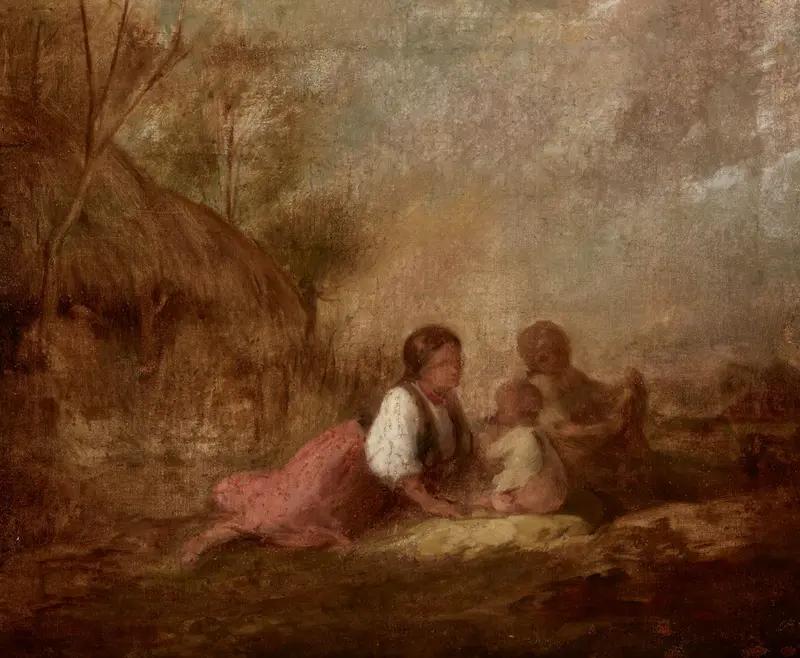
Pastoral Scene
Aleksander Kotsis
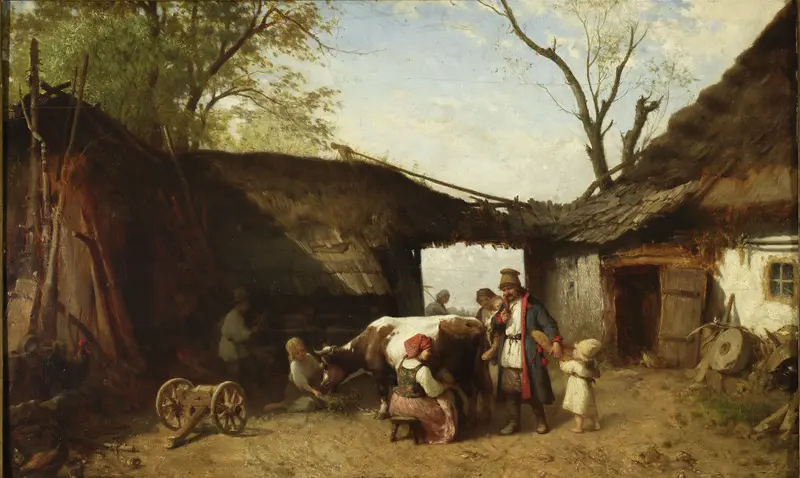
In the farmyard
Aleksander Kotsis
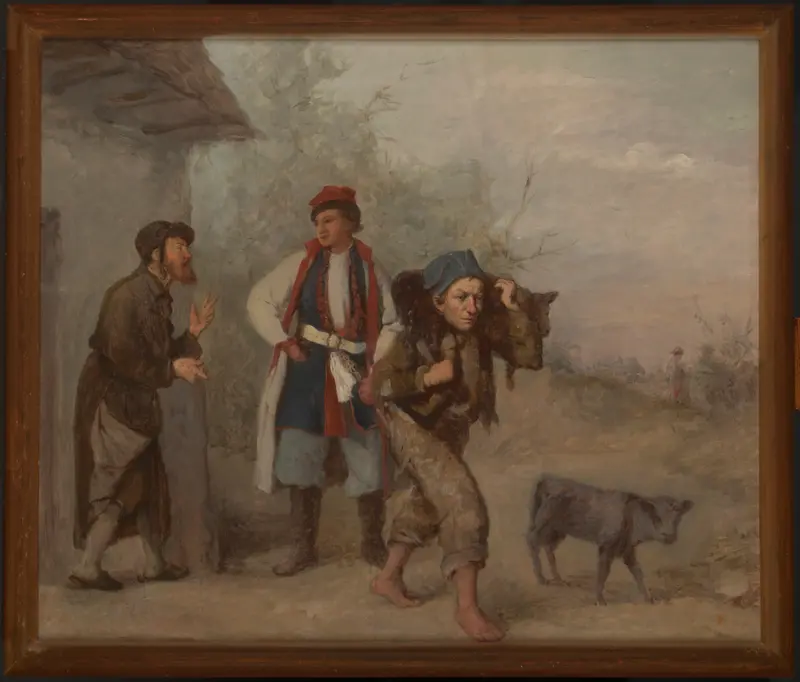
Haggling over a Calf
Aleksander Kotsis
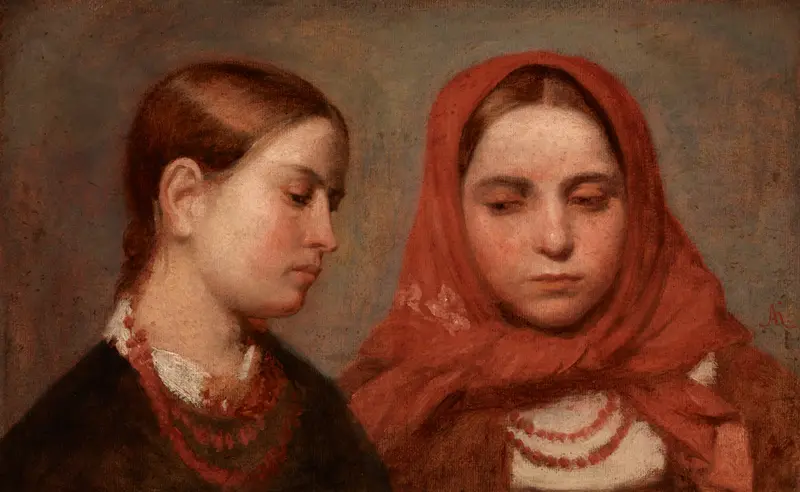
Heads of Two Young Girls
Aleksander Kotsis
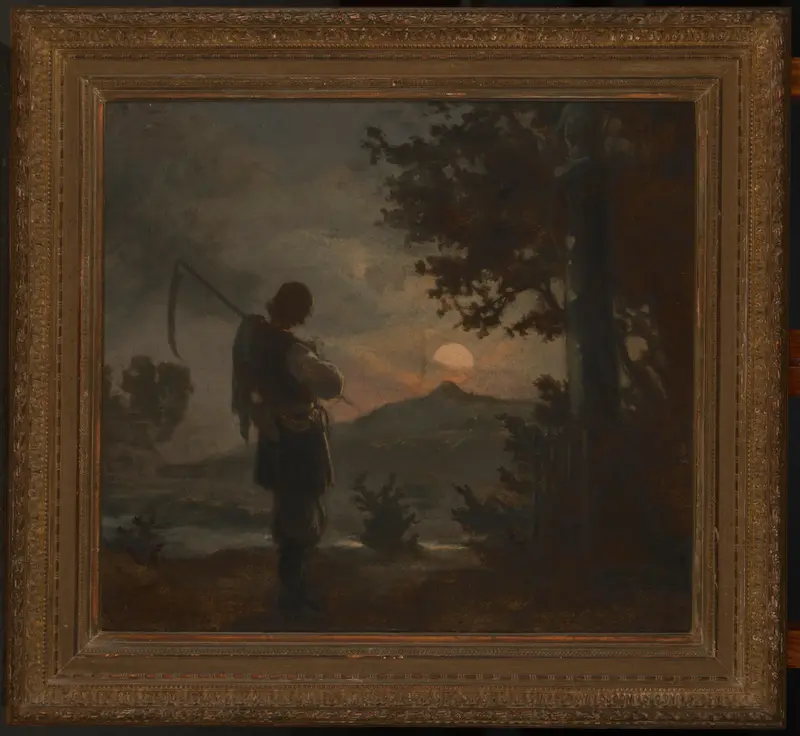
Haymaker
Aleksander Kotsis
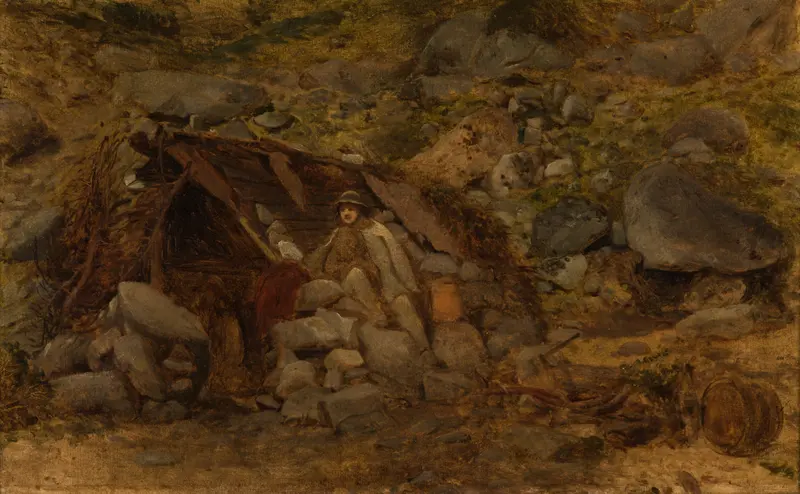
Highlander in Front of a Hut
Aleksander Kotsis
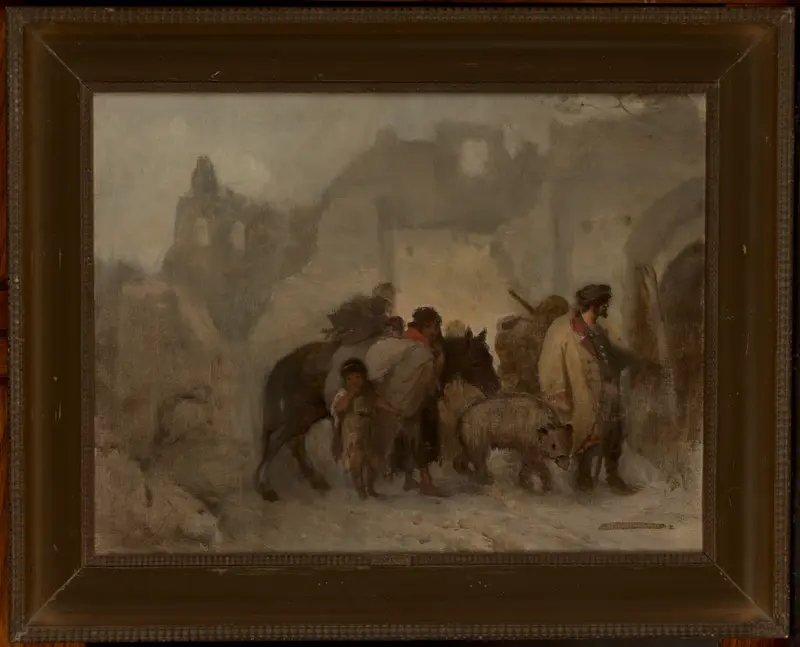
Gypsies
Aleksander Kotsis
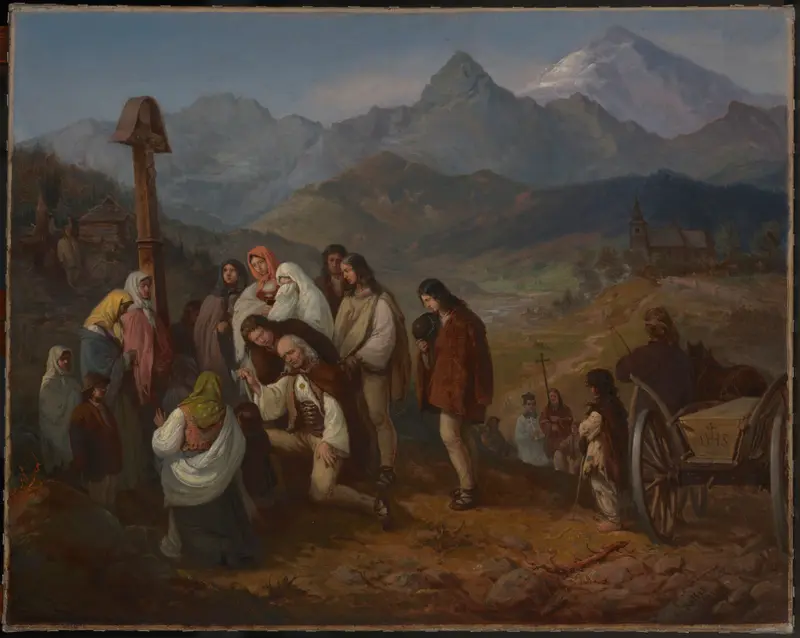
A Highlander's Funeral
Aleksander Kotsis
More Genre Scene Art

Banquet of the Officers of the St George Civic Guard
Frans Hals

Rembrandt and Saskia in the Scene of the Prodigal Son
Rembrandt van Rijn

Bal du moulin de la Galette
Pierre-Auguste Renoir

Quadrille at the Moulin Rouge
Henri de Toulouse-Lautrec

A Burial at Ornans
Gustave Courbet

When Will You Marry?
Paul Gauguin