
Penitance of Saint Jerome — History & Facts
What first catches the eye in Penitance of Saint Jerome is the raw, almost vulnerable humanity in the saint’s face and gesture—a man caught in the act of self-mortification, yet surrounded by a world teeming with narrative detail. His hand clutches a stone, poised to strike his own chest, a traditional sign of penance, while his other hand rests over his heart as if steadying himself for the pain. The open robe reveals the marks of previous penances, drawing the viewer into a moment of inward struggle.
At his feet lies the cardinal’s red hat, a worldly honor cast aside, and beside him stands the lion, a nod to the legendary companion tamed by Jerome’s compassion. The landscape behind him unfurls in a tapestry of stories: a crucifixion scene tucked into the left, bustling towns and travelers in the distance, each path winding back to the solitary figure in prayer. Painted in 1480, this work sits firmly within the late medieval tradition of devotional imagery, when private contemplation and personal acts of piety were gaining new importance across Europe. Such paintings were often commissioned by individuals or small religious communities seeking a model of holy living, and the figure of Saint Jerome—scholar, hermit, and translator of the Bible—offered a powerful example.
The dense narrative landscape, with its miniature episodes and layered symbolism, reflects the era’s taste for paintings that rewarded close, repeated viewing. Although little is recorded about this specific panel’s journey or its patrons, its survival in the collection known as "Own work Rama" lets us glimpse the devotional world of the late fifteenth century. Every detail, from the lion’s attentive gaze to the distant city, invites us to linger and trace the winding paths of penitence and redemption.
More Artworks by Aelbert Bouts
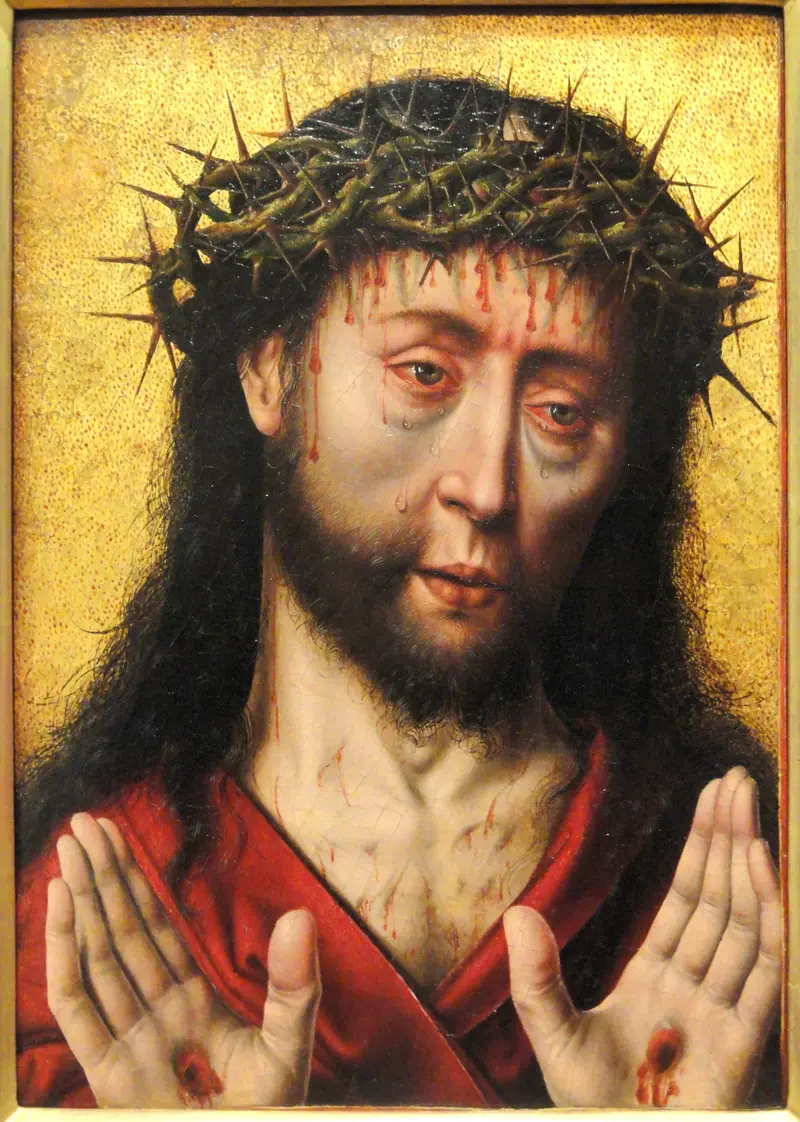
The Man of Sorrows
Aelbert Bouts
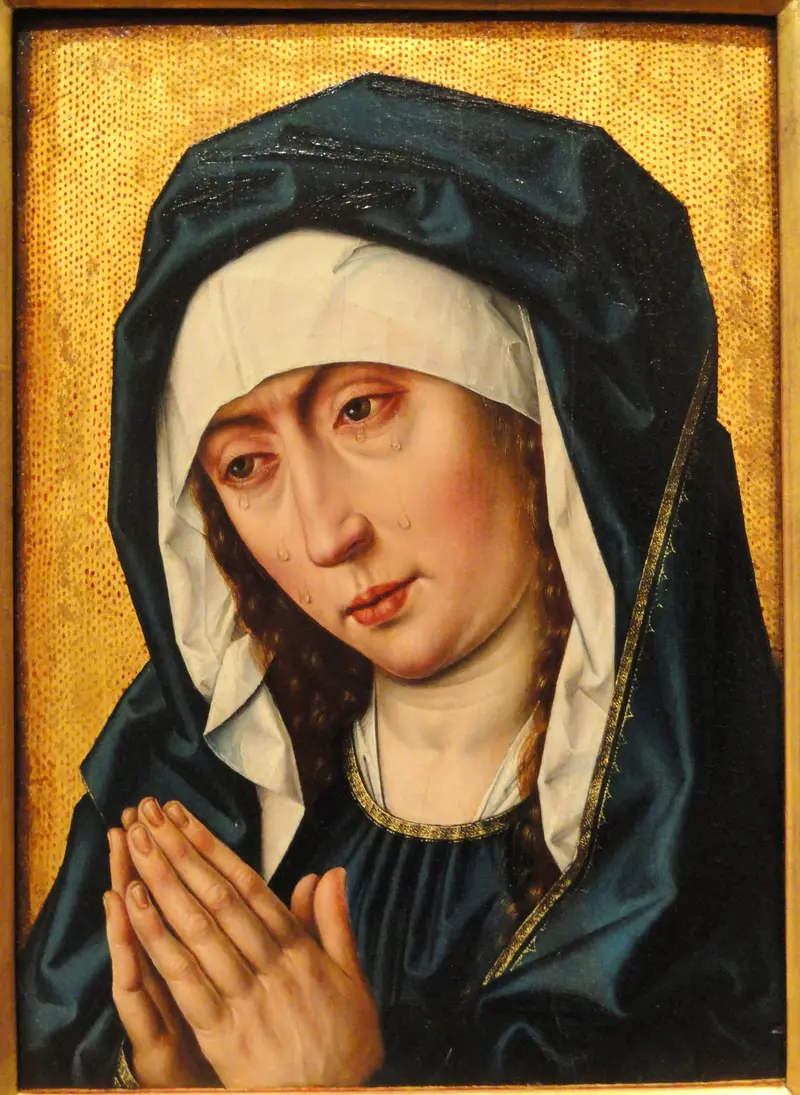
The Mater Dolorosa
Aelbert Bouts
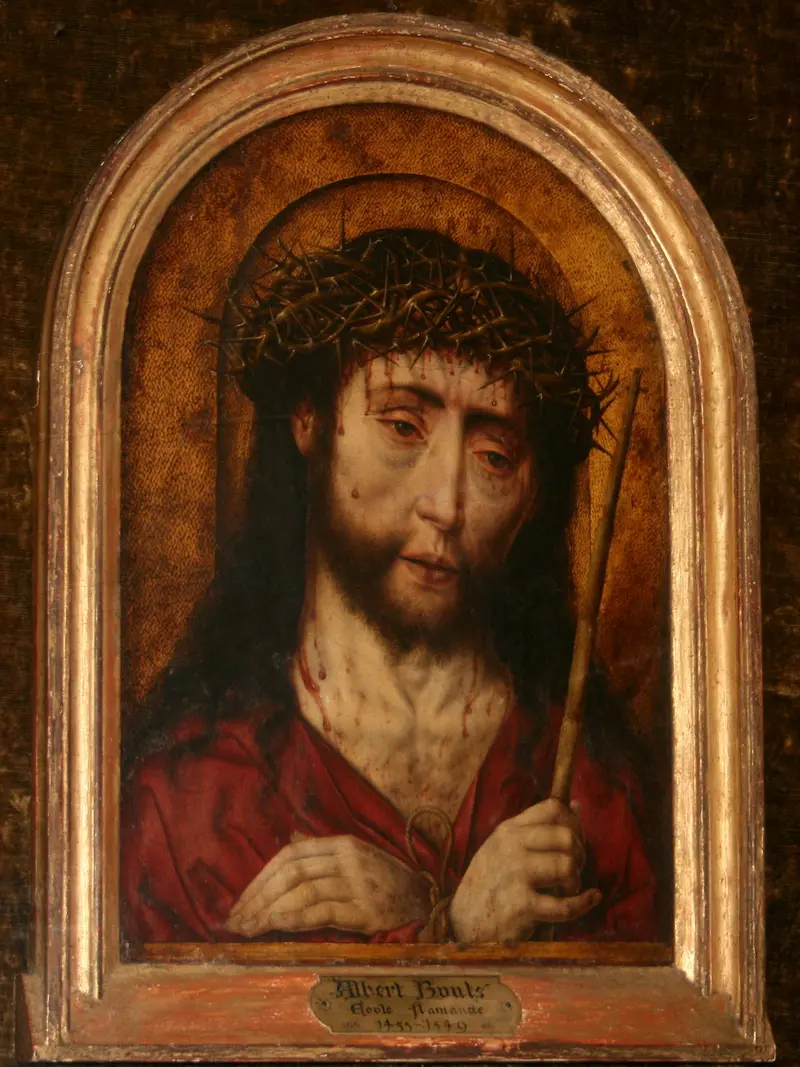
The Mocking of Christ
Aelbert Bouts
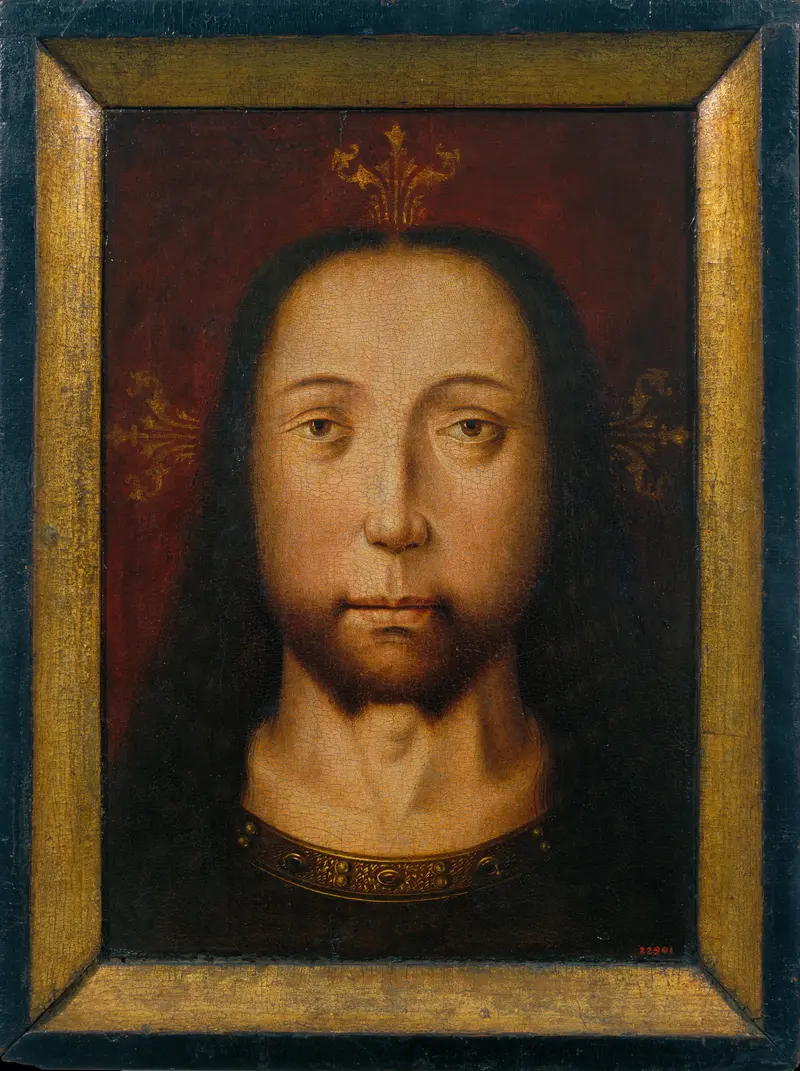
Holy Countenance
Aelbert Bouts
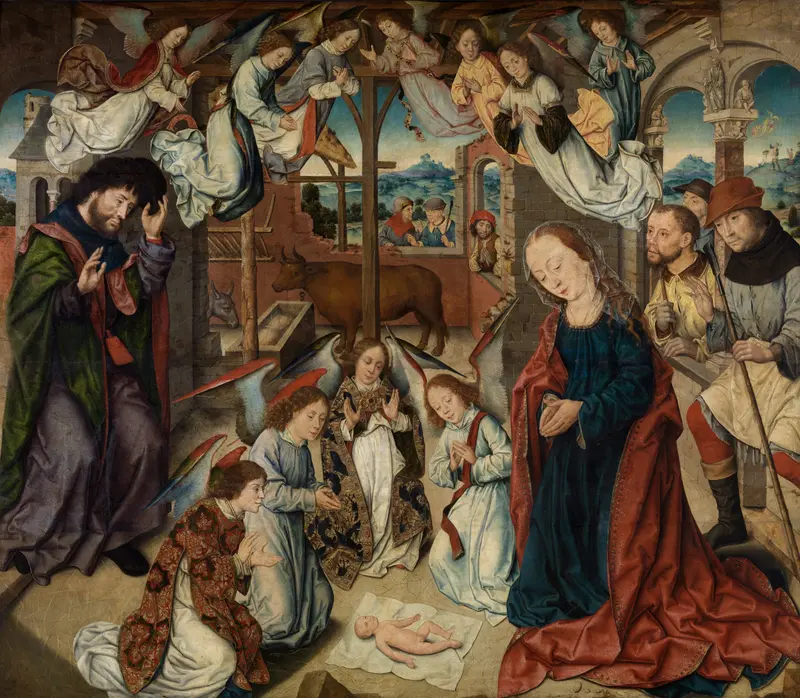
The Adoration of the Shepherds
Aelbert Bouts
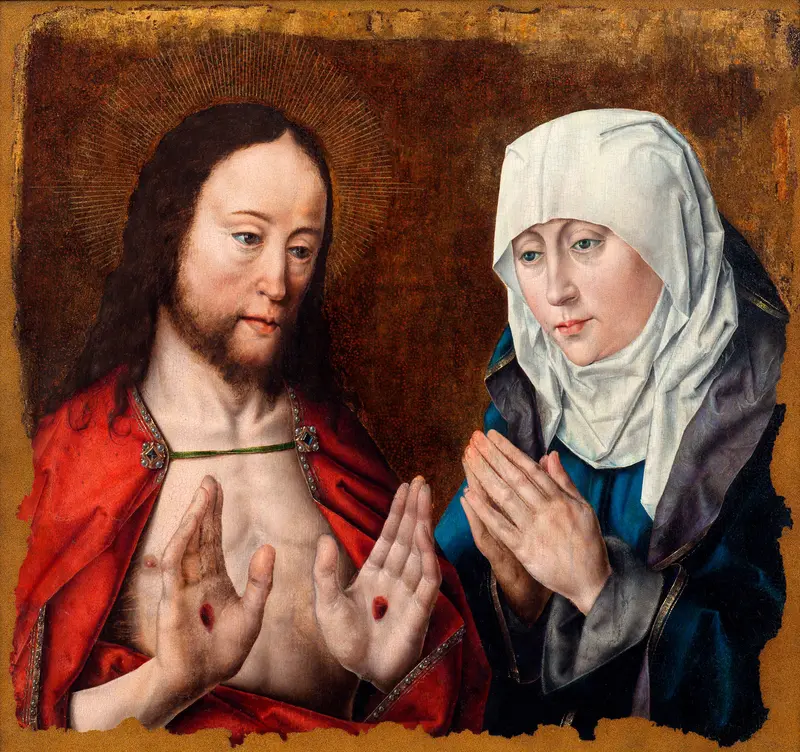
Christ appears to Mary
Aelbert Bouts
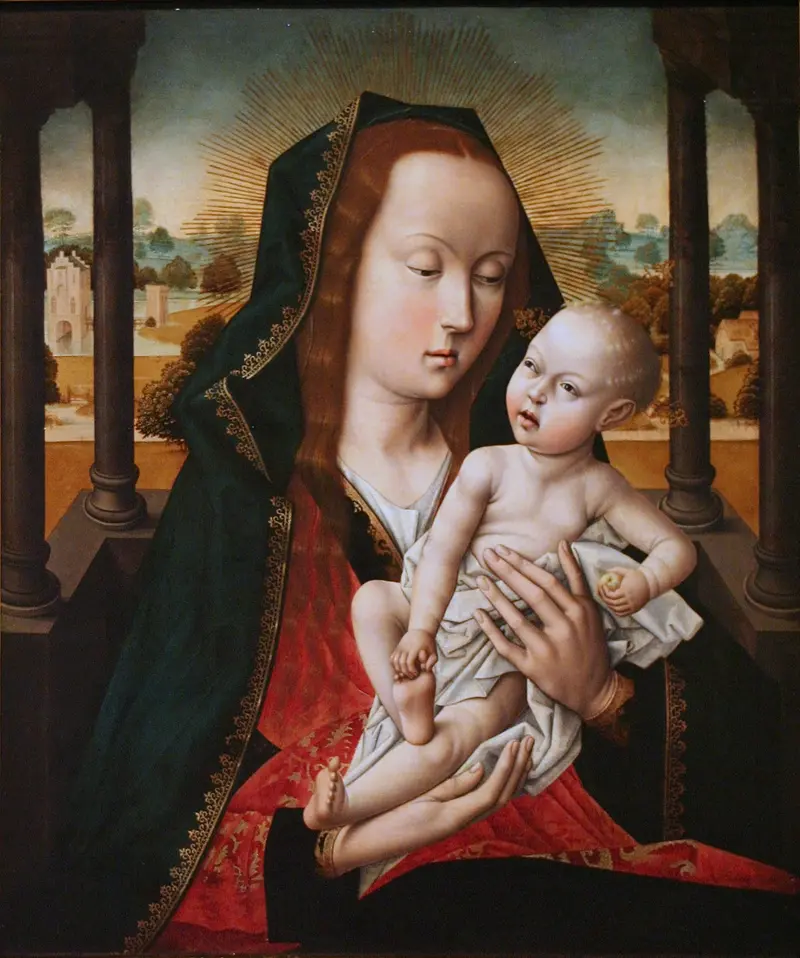
Madonna and Child
Aelbert Bouts
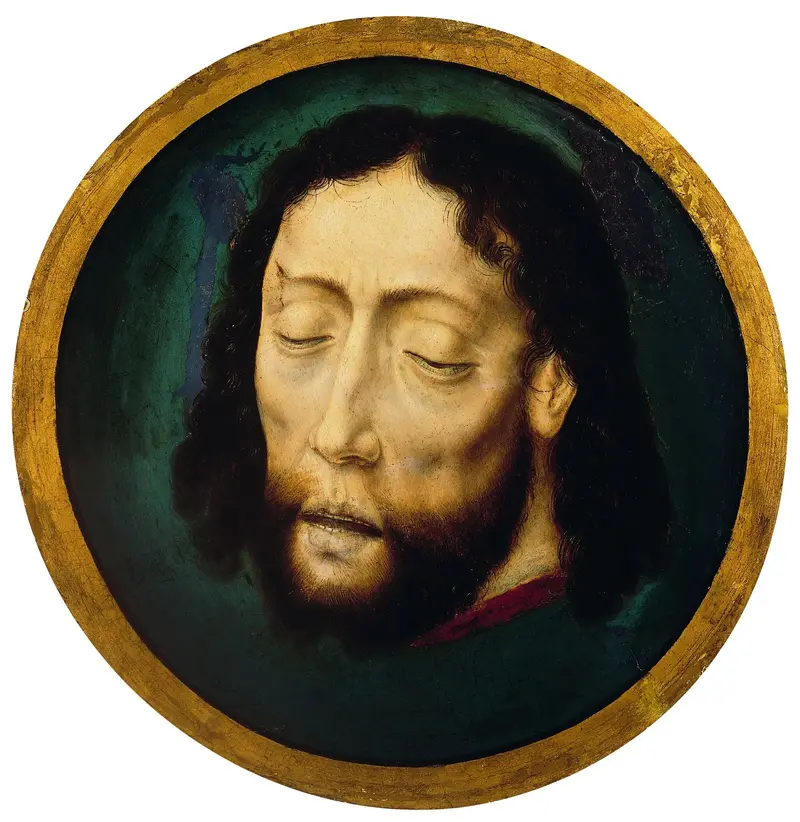
Head of St. John the Baptist
Aelbert Bouts
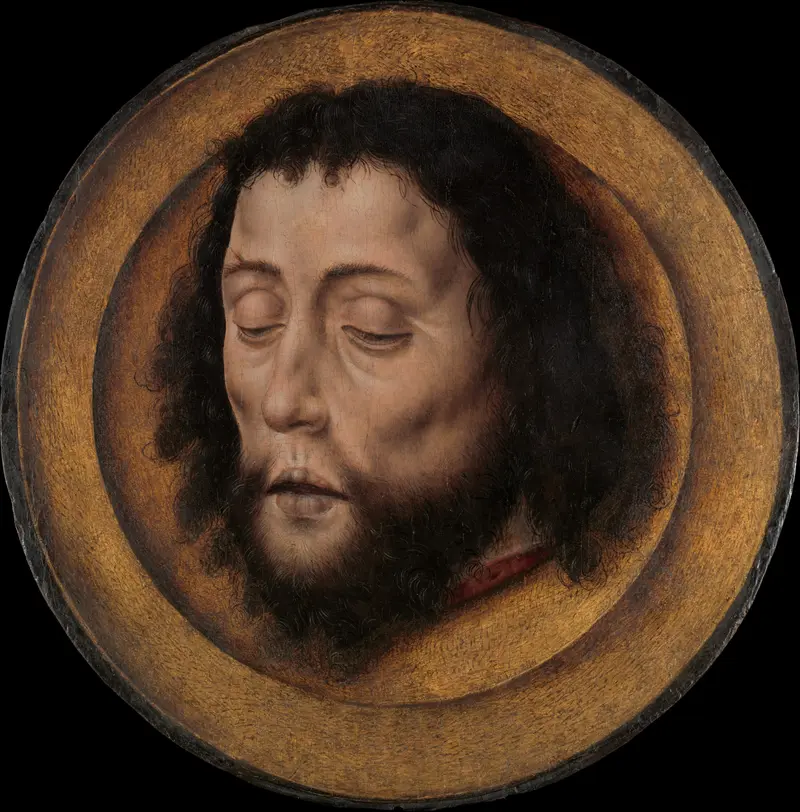
Head of Saint John the Baptist on a Charger
Aelbert Bouts
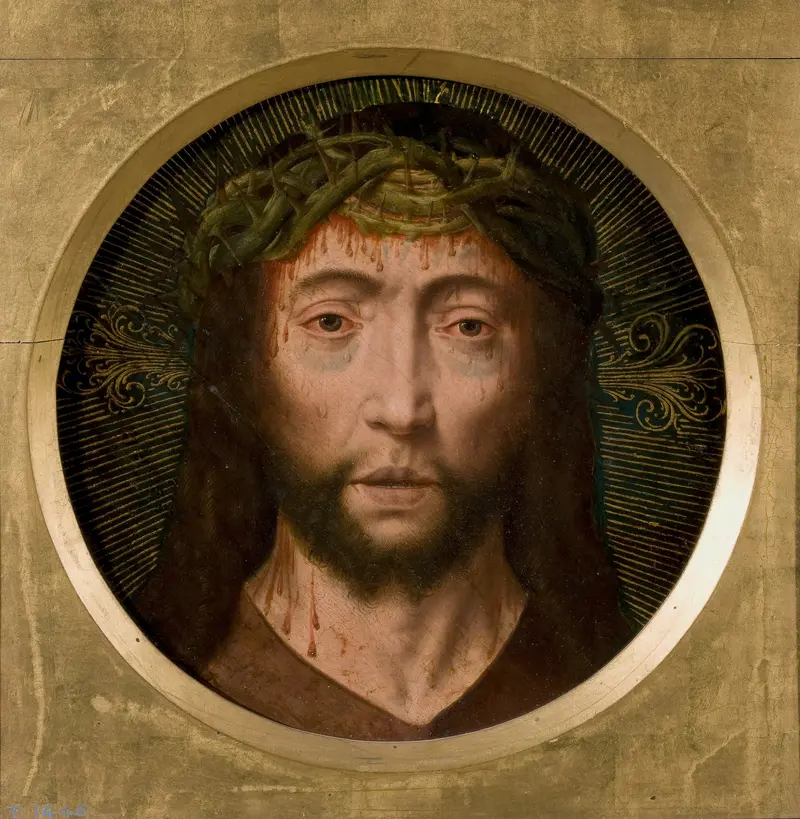
Head of Christ
Aelbert Bouts





