
Penitent Mary Magdalene — History & Facts
Few artists in the early seventeenth century painted Mary Magdalene with such intensity as Artemisia Gentileschi. Her Penitent Mary Magdalene of 1625 stands out not only for its emotional force, but also because it is one of several Magdalene images she created throughout her career—each reflecting a different moment in the saint’s legendary repentance. Scholars have long debated whether this particular version was painted for a private patron in Naples or as part of Gentileschi’s efforts to secure her reputation among the city’s collectors.
The painting’s precise provenance remains uncertain, but its psychological depth has made it one of Gentileschi’s most discussed works. At the moment Gentileschi chooses, Mary Magdalene is caught in the act of turning away from her past—a sinner’s remorse rendered visible. Her downcast eyes and parted lips suggest a prayer interrupted by emotion, while her hand clutches her breast in a gesture of self-reproach. A skull, the traditional memento mori, rests nearby, and a string of pearls slips from her fingers, symbolizing the renunciation of earthly vanity.
The strong, directional light carves Magdalene’s form out of darkness, a technique reminiscent of Caravaggio, but where his Magdalene often appears passive, Gentileschi’s is alert and alive with feeling. The result is a figure whose repentance is as physical as it is spiritual. The early history of this painting is not fully documented, but it likely emerged during Gentileschi’s productive years in Naples, where she worked for both local and foreign patrons. Over time, the painting has been attributed, misattributed, and rediscovered, reflecting the broader reevaluation of Gentileschi’s place in the Baroque canon.
Today, Penitent Mary Magdalene is recognized as a key work in her oeuvre, demonstrating her unique ability to combine dramatic storytelling with the psychological insight that distinguished her from her contemporaries. Its current location is in a private collection, but it continues to travel for exhibitions, drawing new audiences into Magdalene’s moment of transformation.
More Artworks by Artemisia Gentileschi

Judith Beheading Holofernes
Artemisia Gentileschi
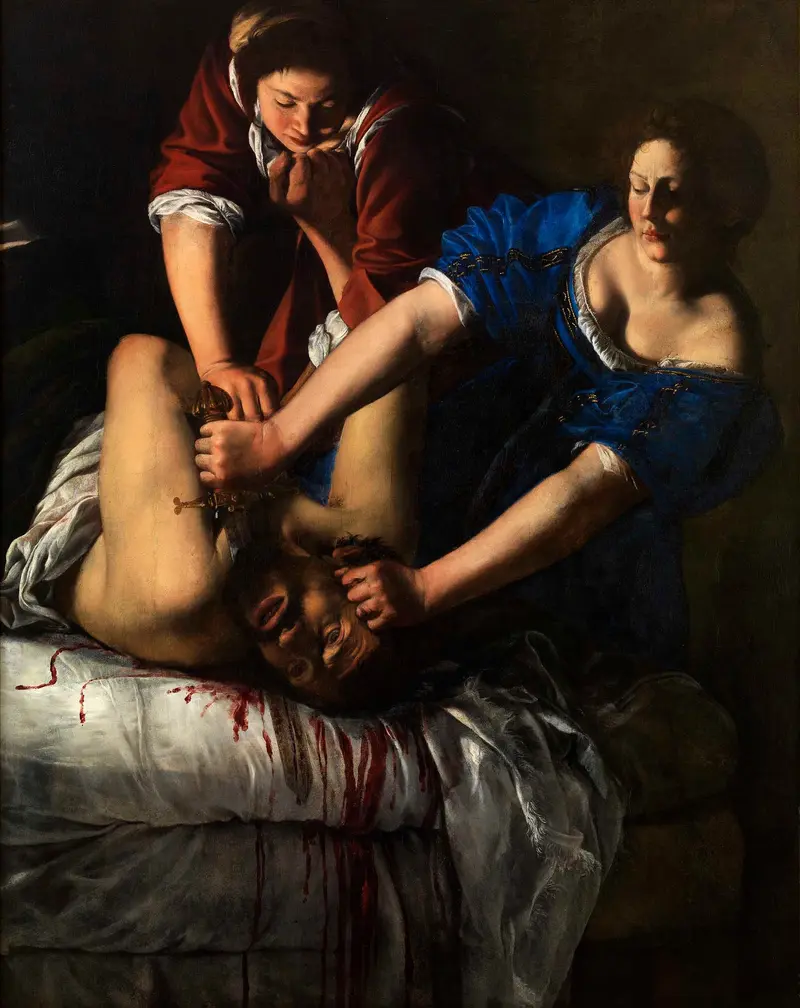
Judith Slaying Holofernes
Artemisia Gentileschi
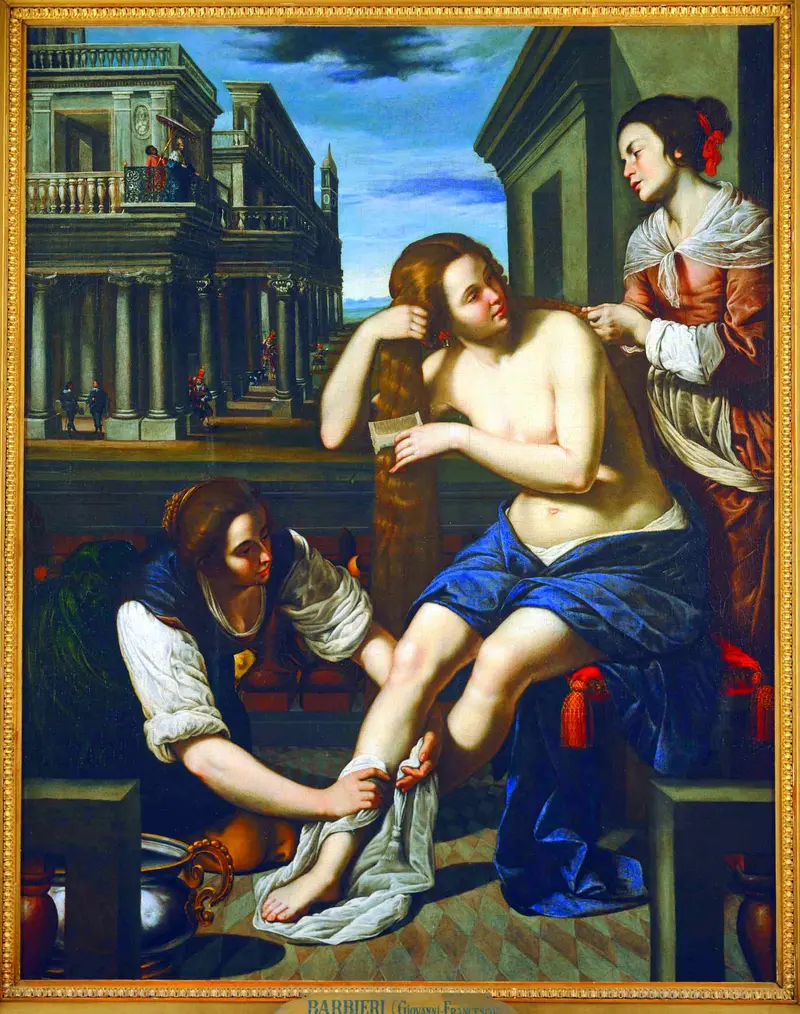
Bathsheba at Her Bath
Artemisia Gentileschi
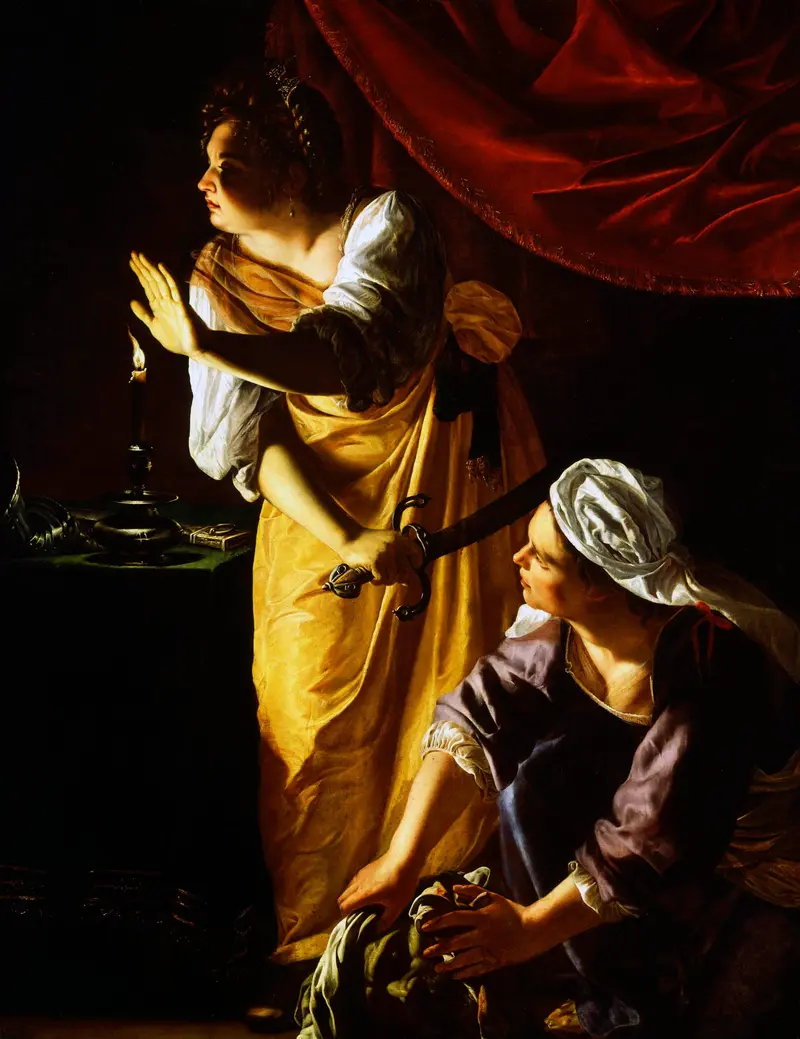
Judith and Maidservant with Head of Holofernes
Artemisia Gentileschi
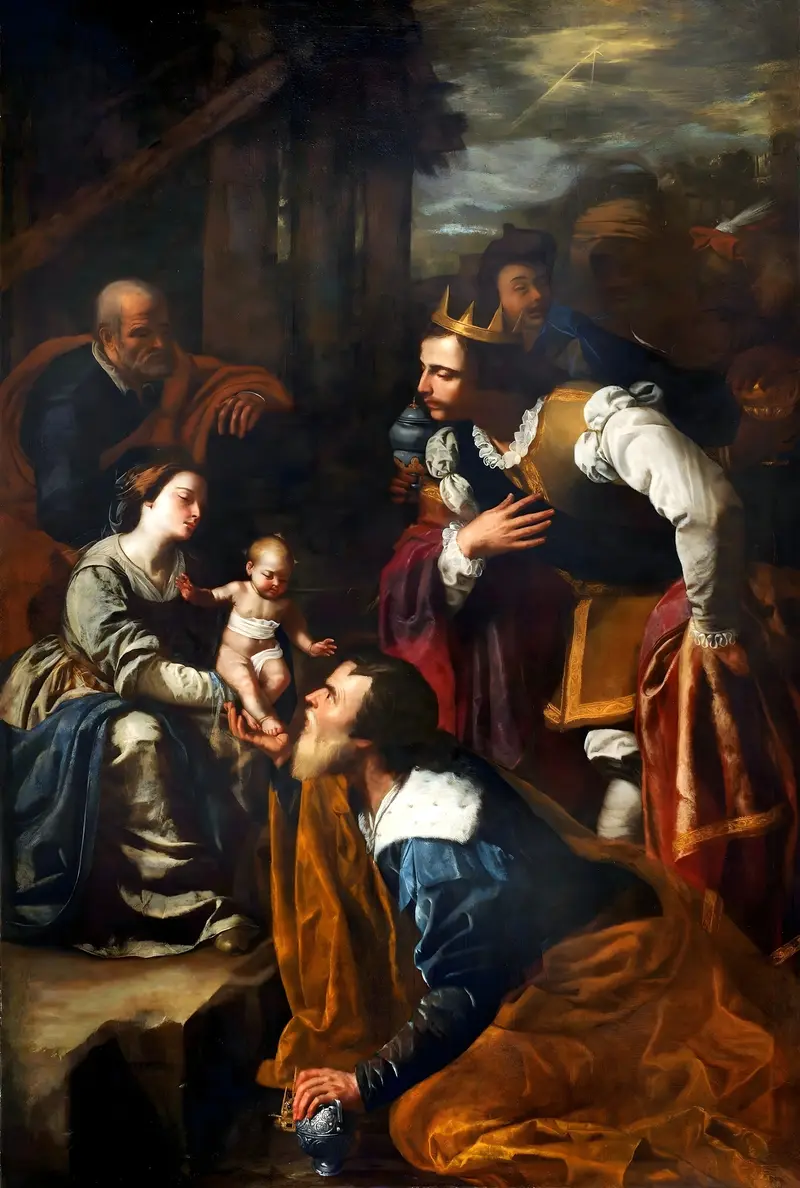
Adoration of the Magi
Artemisia Gentileschi
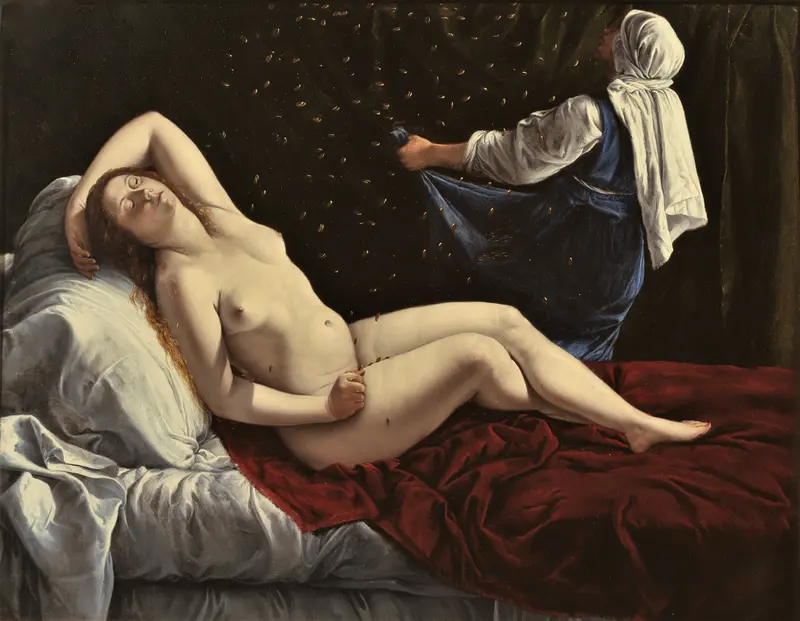
Danaë
Artemisia Gentileschi
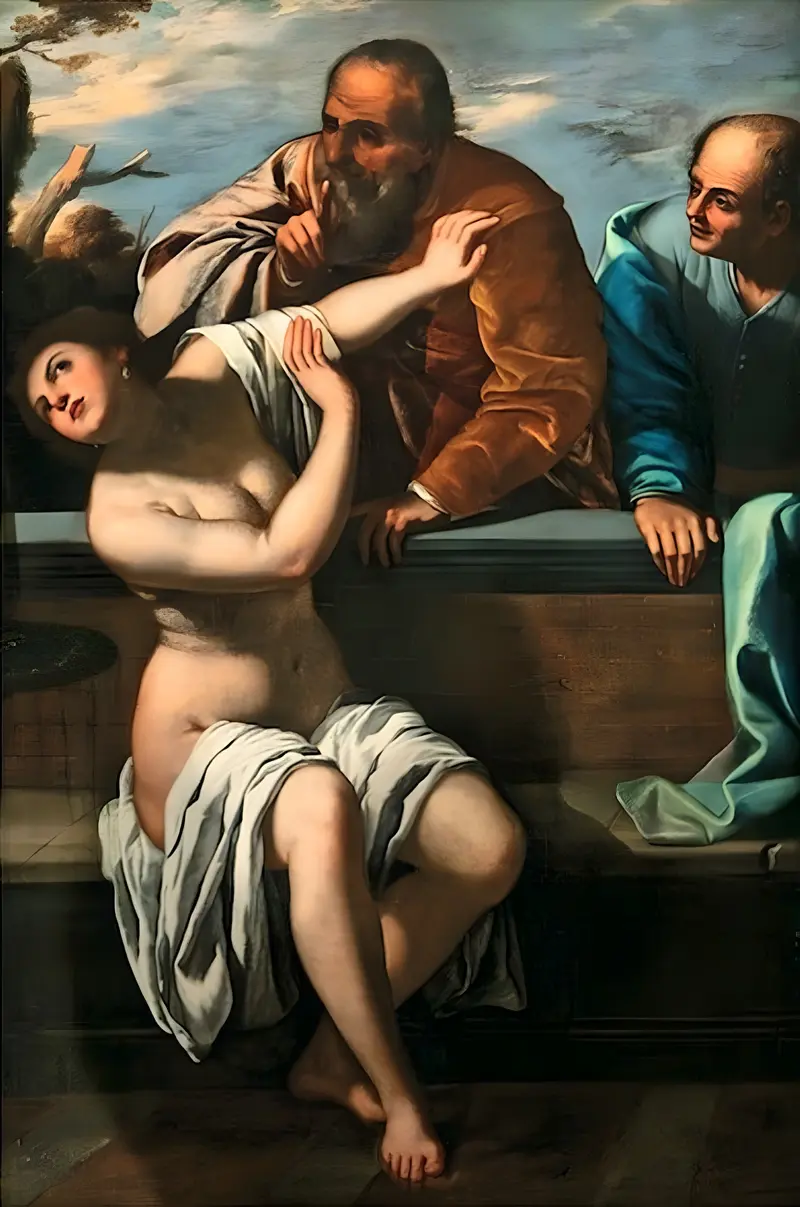
Susannah and the Elders
Artemisia Gentileschi

Judith and her Servant with the Head of Holofernes
Artemisia Gentileschi
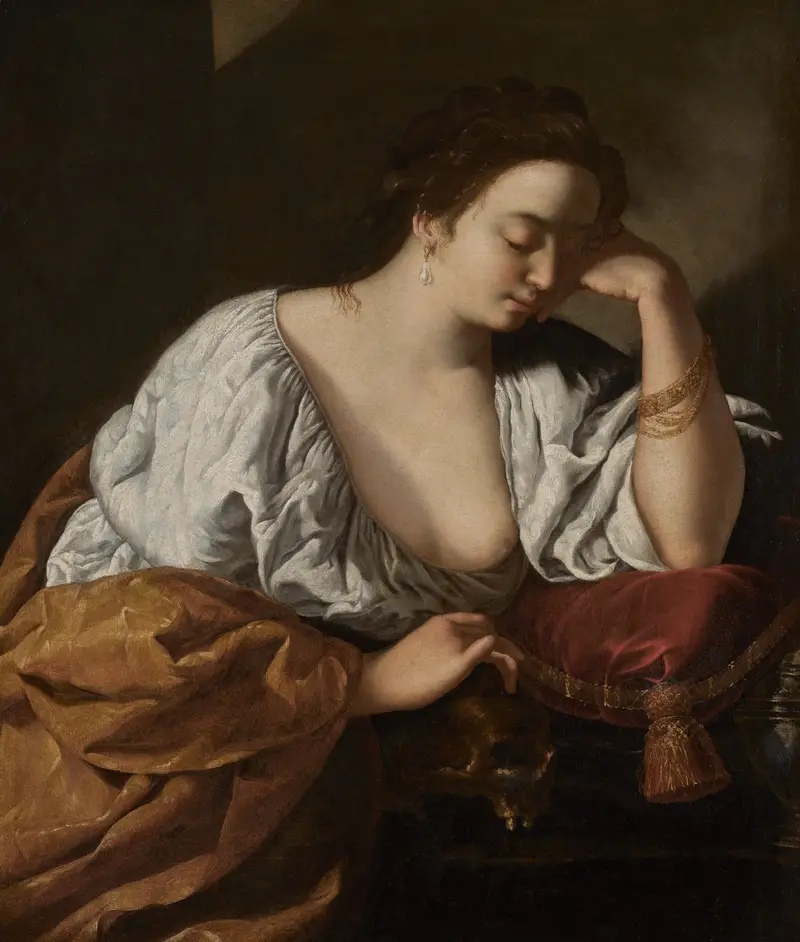
Madeleine pénitente, par
Artemisia Gentileschi
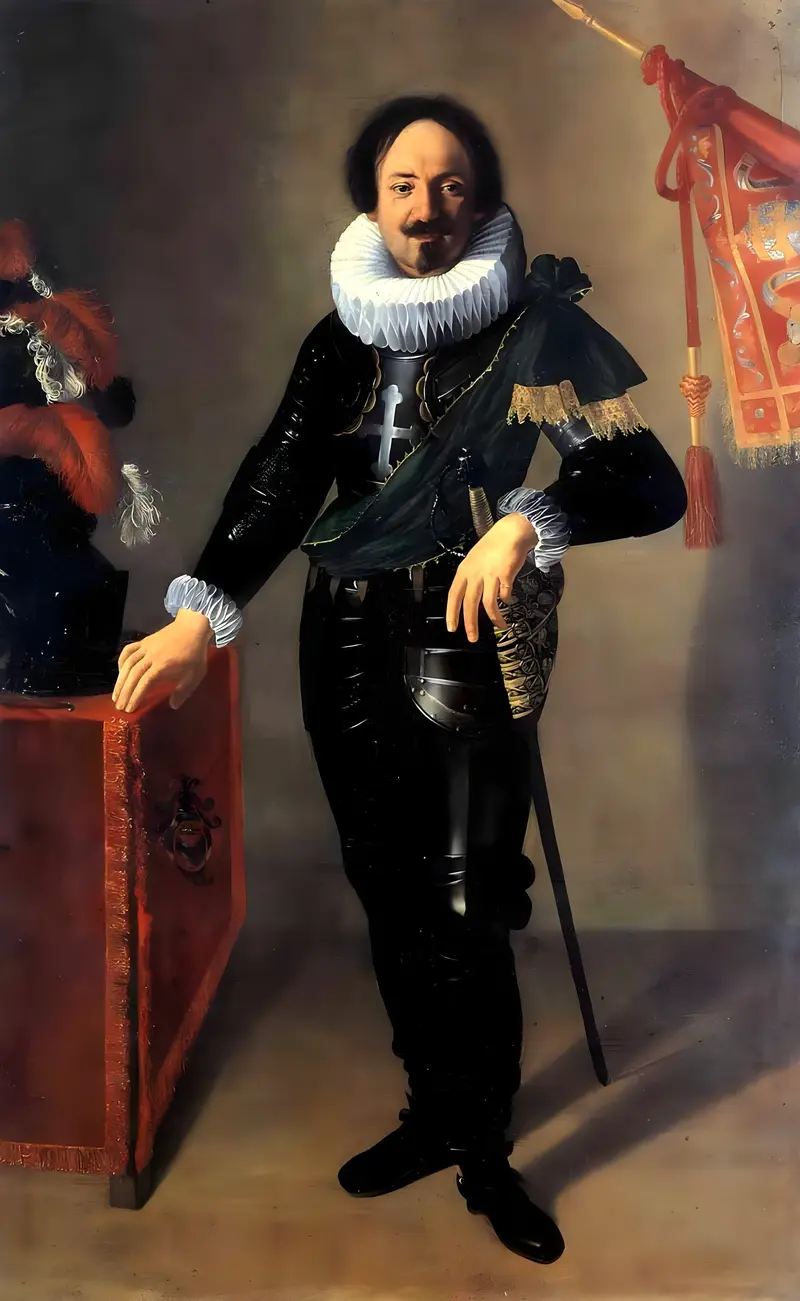
Portrait of a Gonfaloniere
Artemisia Gentileschi





