
Pestilence, right-hand section of the triptych “Disaster” — History & Facts
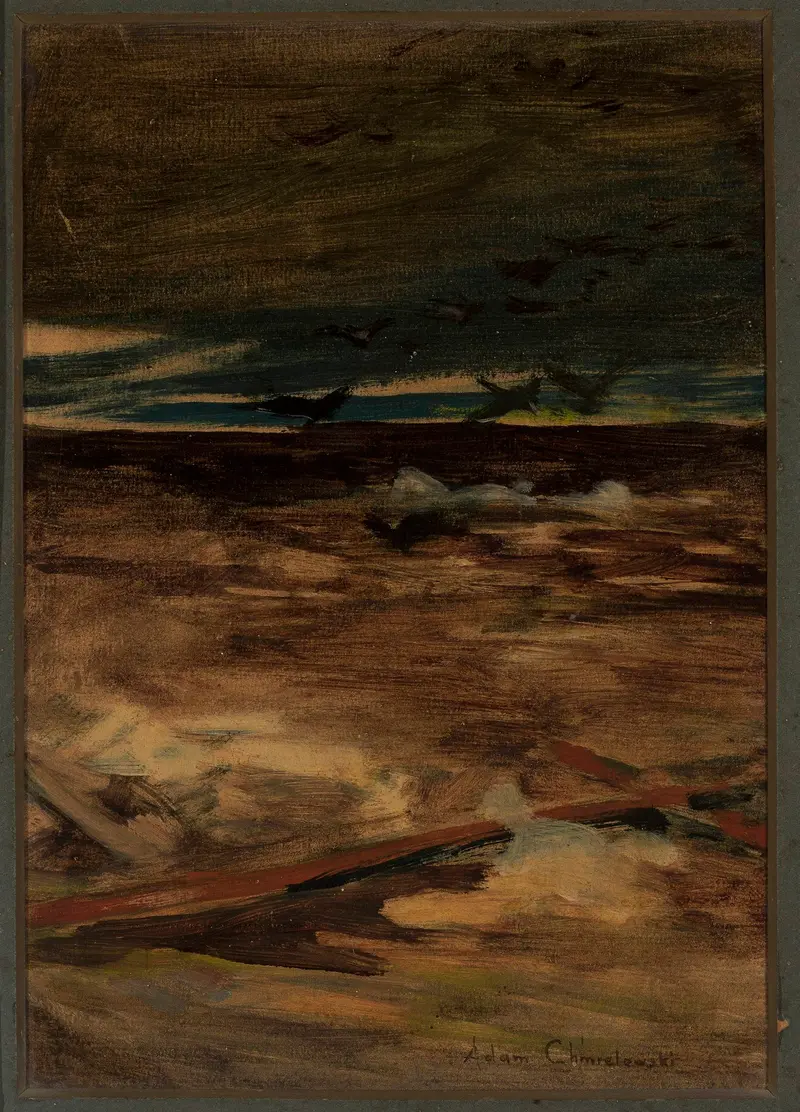
What first arrests the eye is the sweep of darkness, heavy and almost suffocating, that presses down from above, broken only by streaks of sickly light. Beneath this oppressive sky, the ground is a chaos of tangled bodies, rendered with broad, urgent strokes that refuse to let the viewer look away. The figures are pale, almost spectral, their forms barely distinct from one another, as if the very boundaries of the self have been erased by disaster.
A single bird, wings outstretched, hovers over the devastation—a scavenger or a witness, its presence a stark reminder of nature’s indifference. The great red cross slashing through the foreground is not a symbol of hope, but a blunt marker of mass suffering, a visual anchor in a sea of loss. Works like this right-hand section of the triptych Disaster by Adam Chmielowski belong to a tradition of painting that confronted the realities of plague, famine, and war without flinching. In the late nineteenth century, artists across Europe were drawn to scenes of collective catastrophe, using the language of Romanticism and Realism to grapple with the fragility of human life.
The National Museum in Warsaw now holds this painting, a testament to the era’s willingness to look directly at horror and to demand that its viewers do the same. History has kept few traces of the painting’s original context or commission, but its raw immediacy speaks across time—inviting us to search the shadows for meaning, and to reckon with what we find.
More Artworks by Adam Chmielowski

Abandoned parsonage
Adam Chmielowski
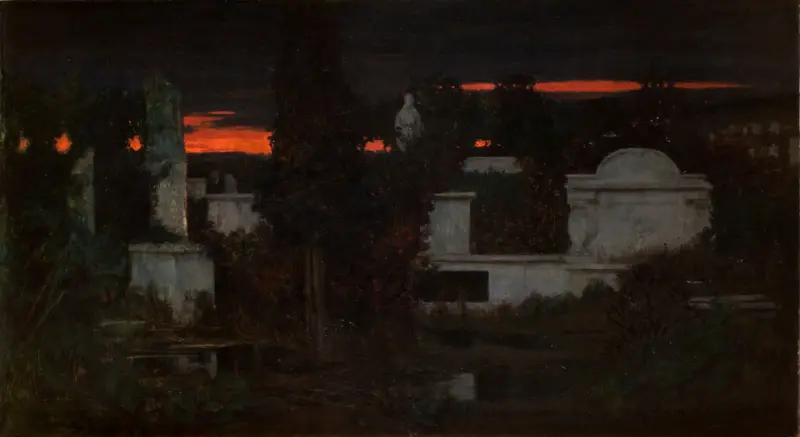
Italian Cemetery at Dusk
Adam Chmielowski
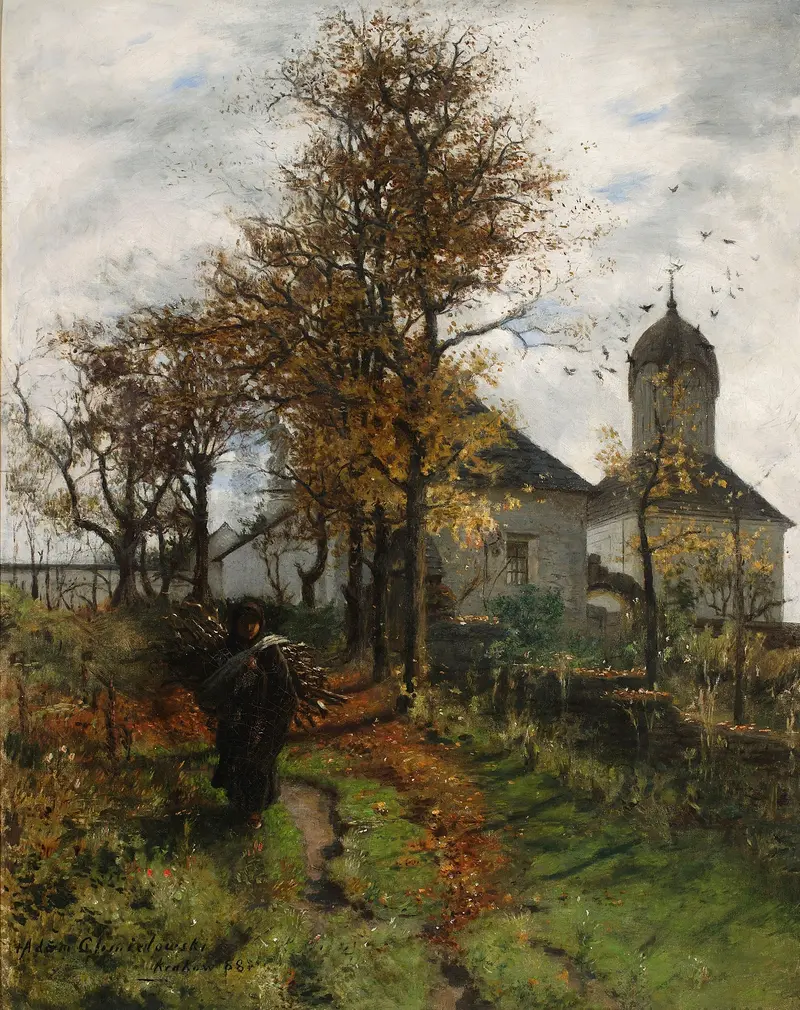
Deserted Presbytery
Adam Chmielowski
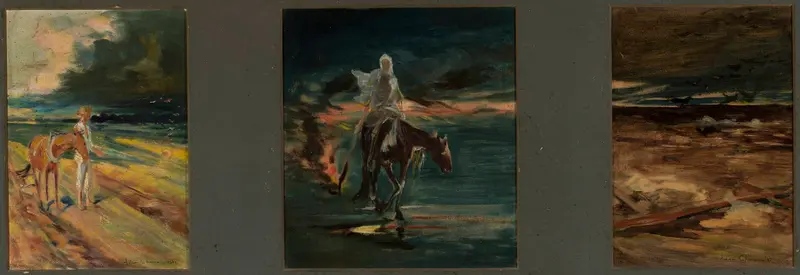
Black clouds. Death. Pestilence, triptych “Disaster”, sketch
Adam Chmielowski
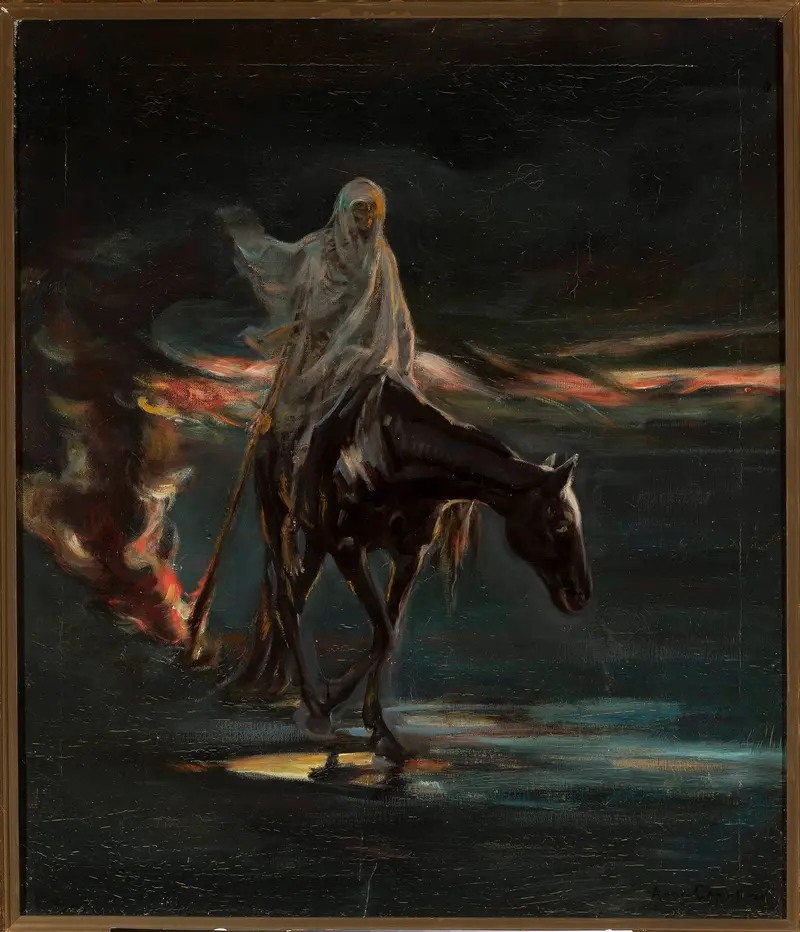
The Death and conflagration, central part of the triptych Disaster"."
Adam Chmielowski
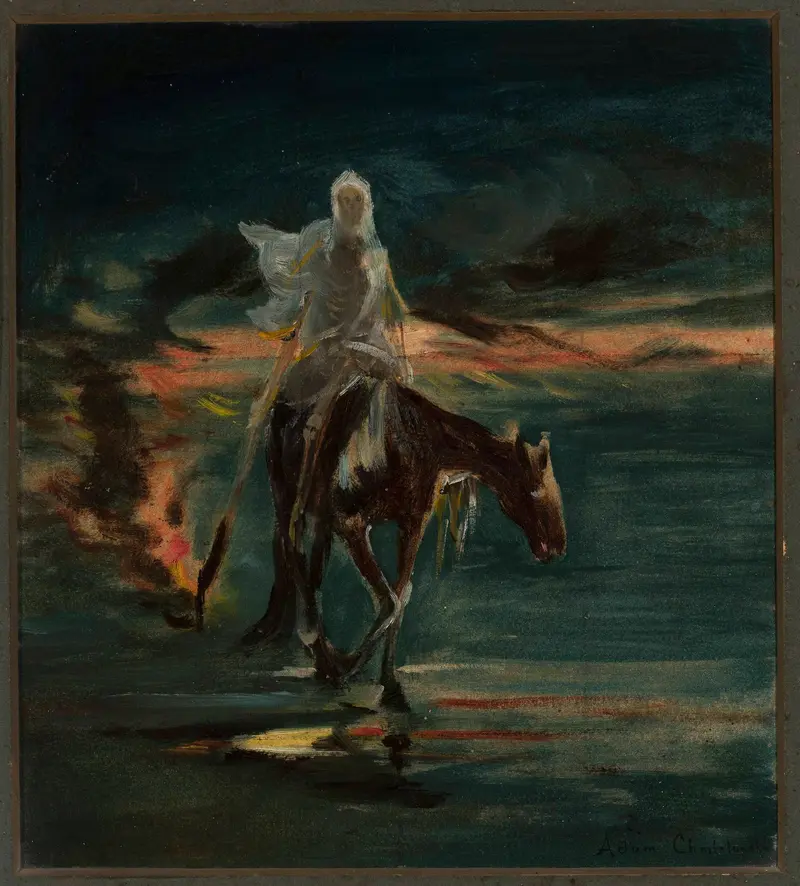
Death, central section of the triptych “Disaster”, sketch
Adam Chmielowski
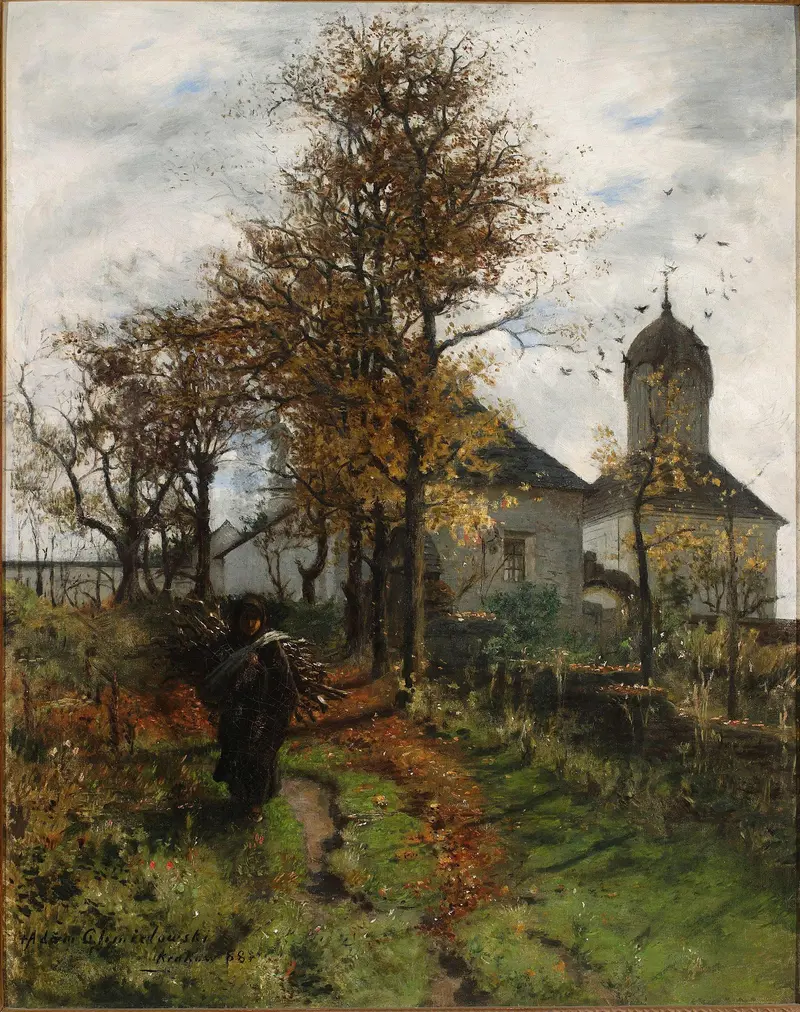
Abandoned clergy house.
Adam Chmielowski
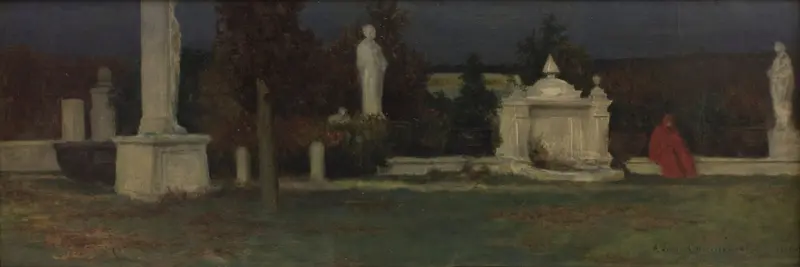
Grey Hour
Adam Chmielowski
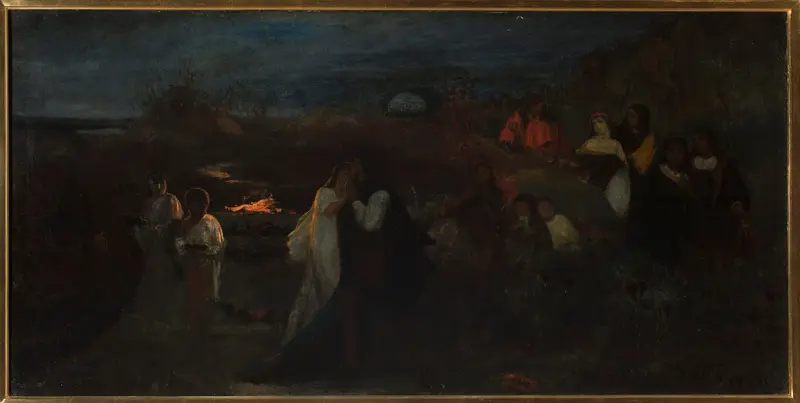
Garden of Love.
Adam Chmielowski
Pestilence, section of the triptych “Disaster”, sketch
Adam Chmielowski



