
Pietà — History & Facts
What first seizes the eye in Pietà by Abraham Janssens is the weight of Christ’s body, slumped and lifeless, held in a fragile balance between grief and reverence. The figures cluster tightly beneath the looming cross, their faces lit by a shaft of light that slices through the gloom, catching the pallor of Christ’s skin and the anguish written on every face. The Virgin’s upturned eyes and parted lips speak of a sorrow that is both personal and cosmic, while the vivid red of the figure to the right draws the viewer’s gaze, anchoring the scene in the here and now.
Angels hover above, their small faces peering down as if to witness and mourn, their presence both a comfort and a reminder of the painting’s sacred drama. Works like this Pietà, created between 1602 and 1632, belonged to a world in which religious painting was both public spectacle and private meditation. In the Southern Netherlands, artists like Janssens responded to the Catholic Church’s call for images that could move the heart and instruct the faithful, filling altars and chapels with scenes that made the mysteries of faith immediate and tangible. The strong contrasts of light and shadow, the monumental figures, and the intensity of emotion all speak to the influence of the Baroque movement, then sweeping through Europe.
While little is recorded about the journey of this specific painting, its survival in a Flemish collection today invites us to linger over every gesture and expression, searching for the story it still tells.
More Artworks by Abraham Janssens

Jupiter Rebuked by Venus
Abraham Janssens
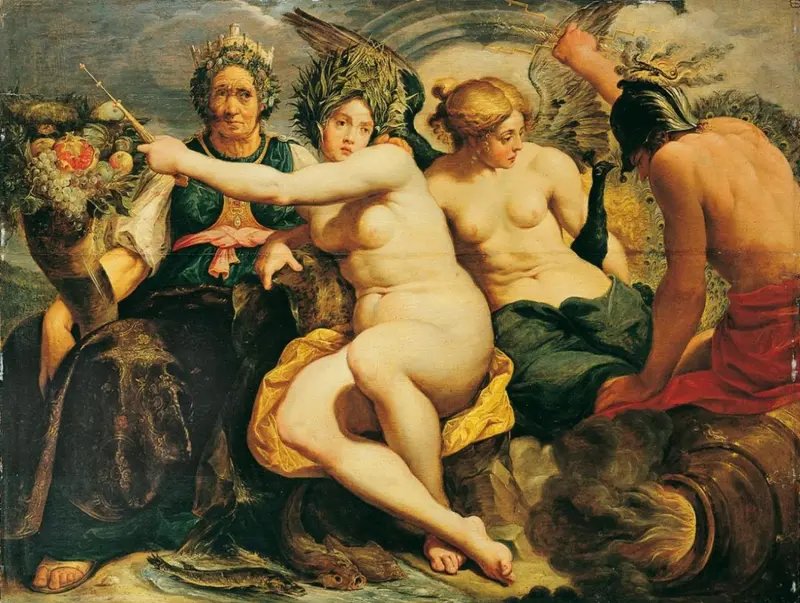
Allegorie der vier Elemente
Abraham Janssens
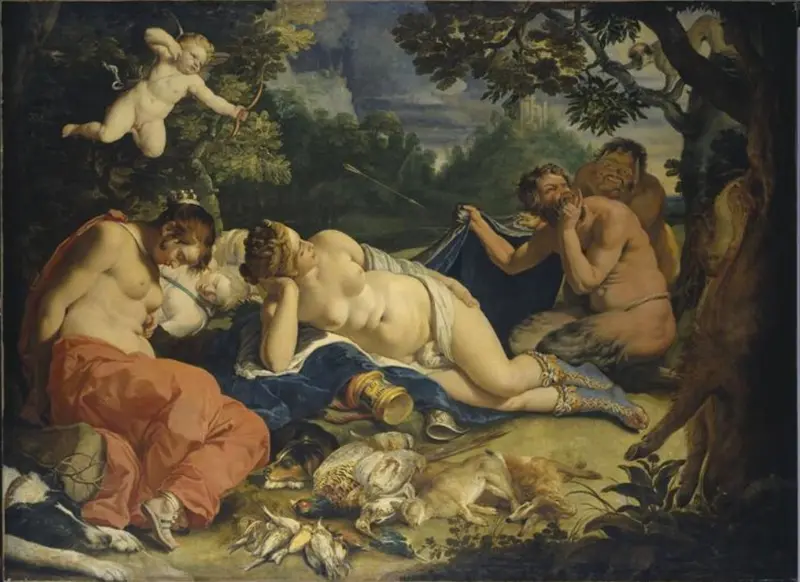
Diana and her nymphs spied on by satyrs
Abraham Janssens

Die Erweckung des Lazarus 153 Bavarian State Painting Collections
Abraham Janssens
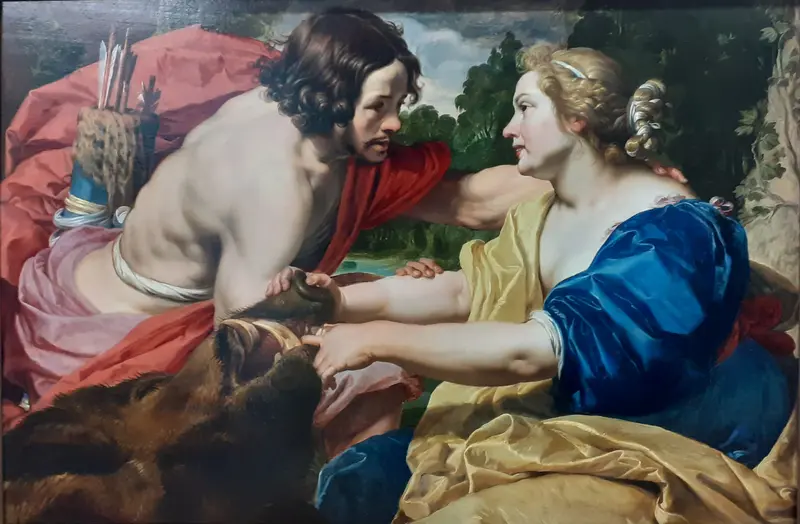
Meleager presents the head of the Calydonian Boar to Atalanta
Abraham Janssens
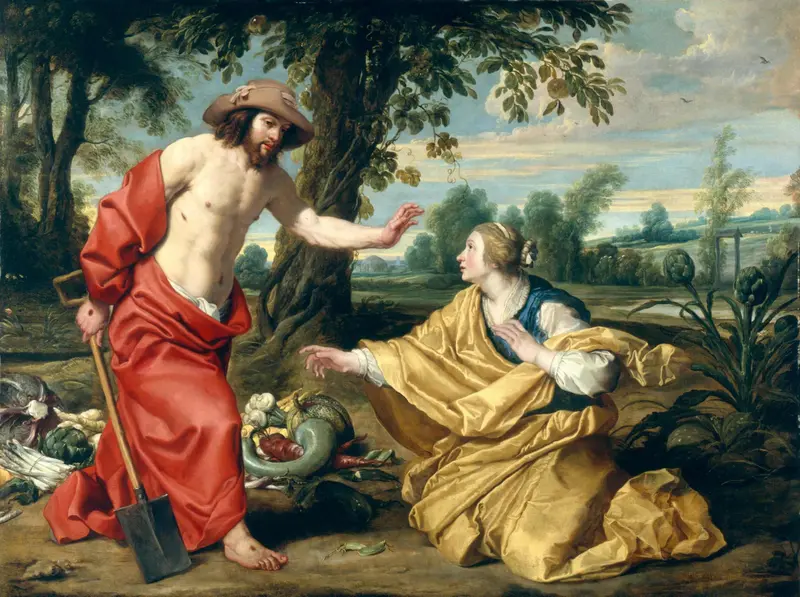
Noli me Tangere
Abraham Janssens
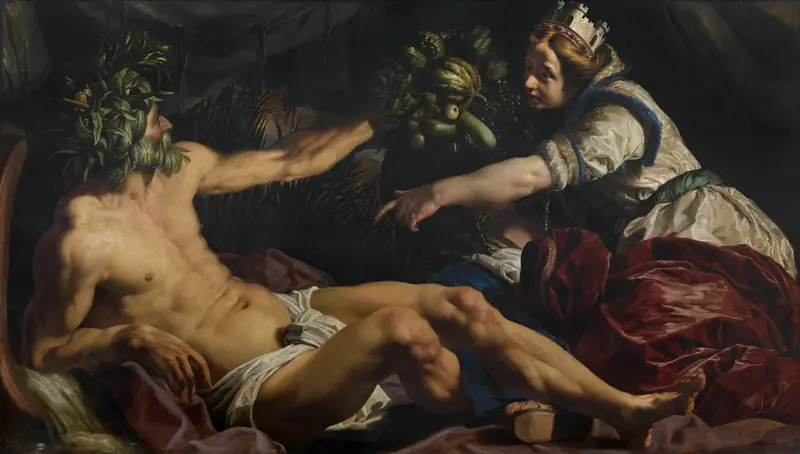
Scaldis and Antverpia
Abraham Janssens
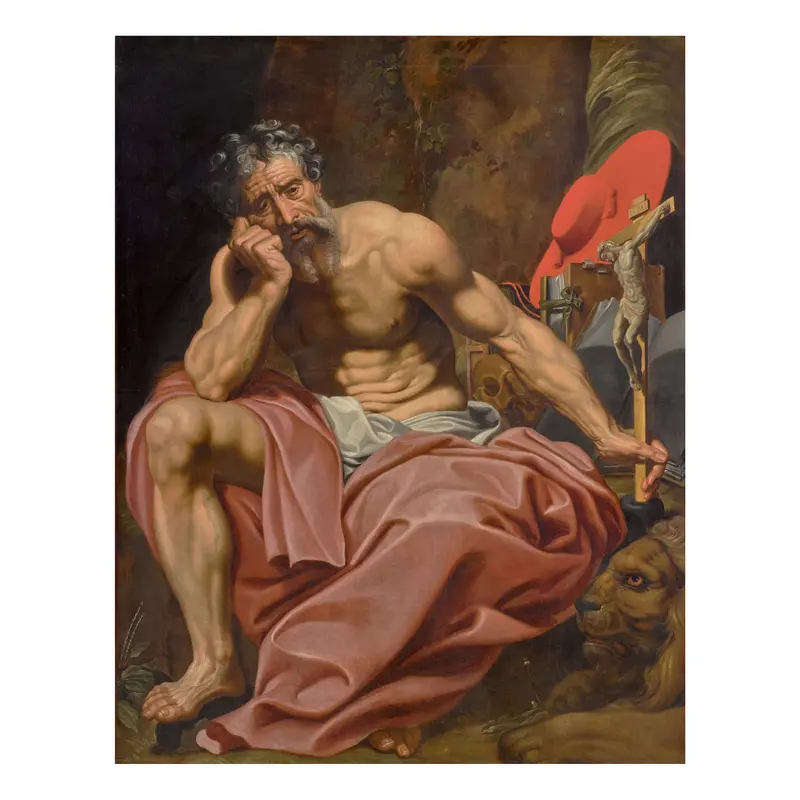
Saint Jerome
Abraham Janssens
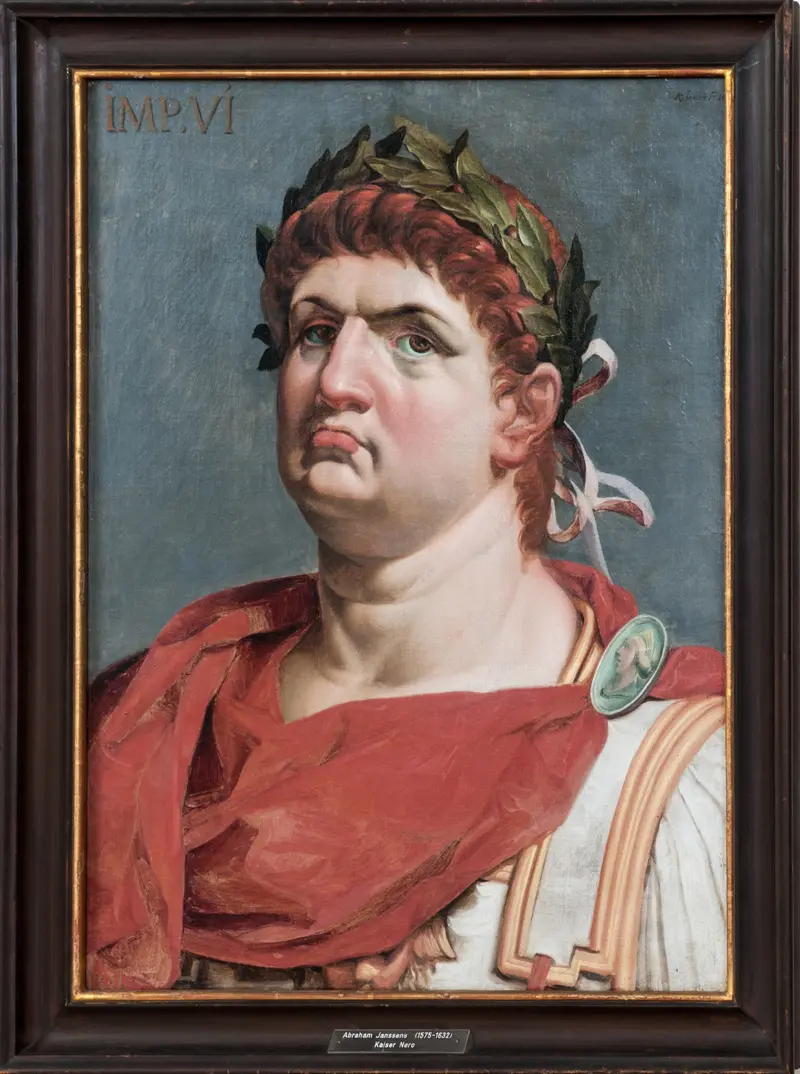
Nero
Abraham Janssens
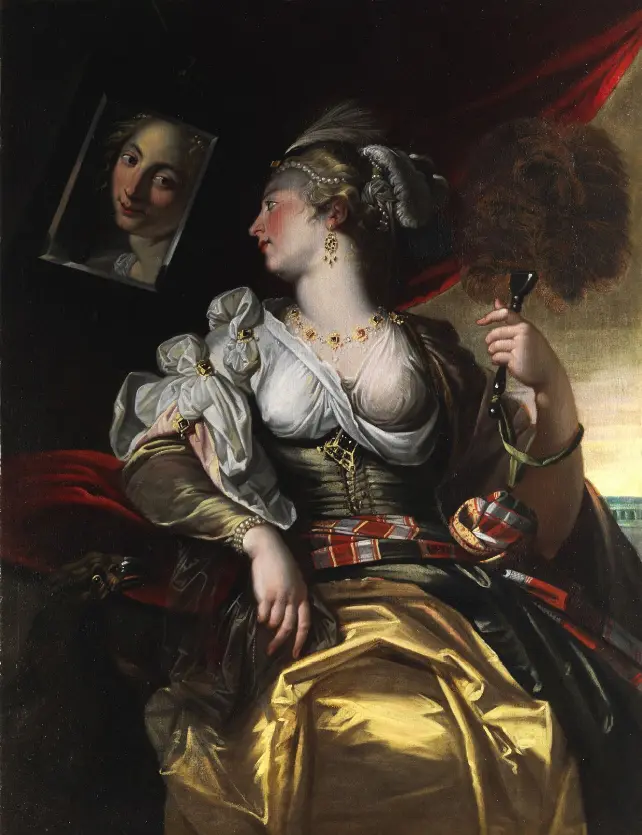
The Face
Abraham Janssens





